
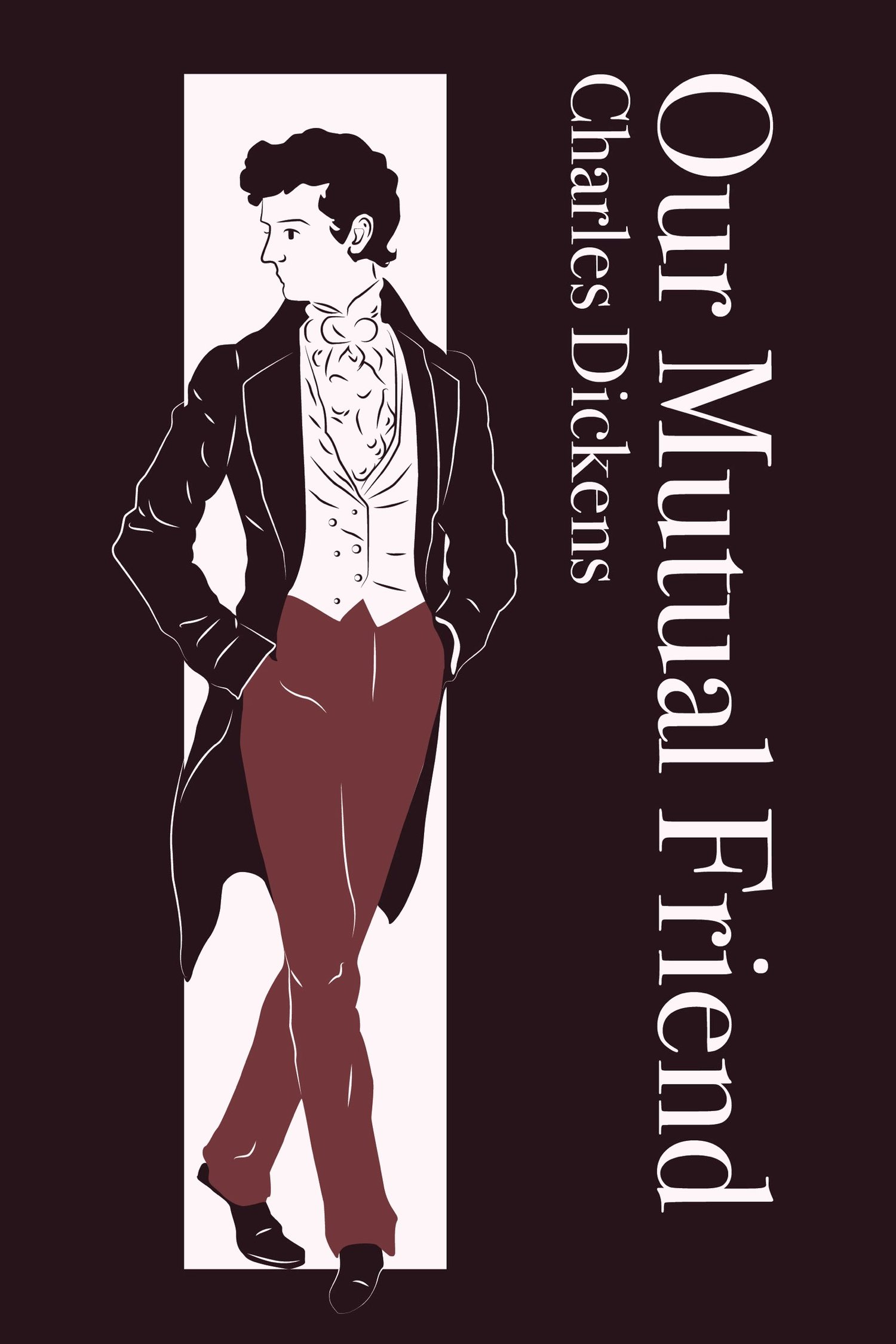
Our Mutual Friend
Charles Dickens’s Our Mutual Friend begins with a corpse pulled from the dark river and a contested inheritance that sends ripples through every level of society. John Harmon, presumed dead, quietly returns to London to observe the world that once dismissed him, and to see whether he can trust the woman he is expected to marry to claim his fortune. But the city he reenters is a churning maze of ambition, where scavengers, social climbers, and moral pretenders circle opportunity like hawks.
As Harmon slips into a new identity, the Boffins—kind, suddenly wealthy, and a bit overwhelmed—find themselves besieged by schemers eager to mold their generosity to their own advantage. Meanwhile, Lizzie Hexam, daughter of a river scavenger, is pursued by two men: one earnest, one predatory, both determined to shape her future. From glittering drawing rooms to the bone-gray banks of the Thames, Dickens lays out a panoramic portrait of a society where appearances deceive, institutions rot from within, and human worth is measured far too often in cold coin.
Sweeping, suspenseful, and streaked with dark humor, Our Mutual Friend is Dickens’s final completed novel, and one of his sharpest. It explores greed, identity, and the possibility of redemption in a world that can be both merciless and unexpectedly kind. The result is a richly woven tale where hidden motives collide, secrets surface with the tide, and love emerges in the least likely places.
About the author
Charles Dickens (1812–1870) was one of the most celebrated novelists of the Victorian era, renowned for his vivid storytelling, memorable characters, and sharp social criticism. Classics like Oliver Twist, A Tale of Two Cities, and Great Expectations showcase his mastery of drama, humor, and compassion for the marginalized. A keen observer of society, Dickens used his writing to expose injustice while entertaining millions with his wit and narrative genius. His works remain beloved worldwide, cementing his legacy as a literary icon.