
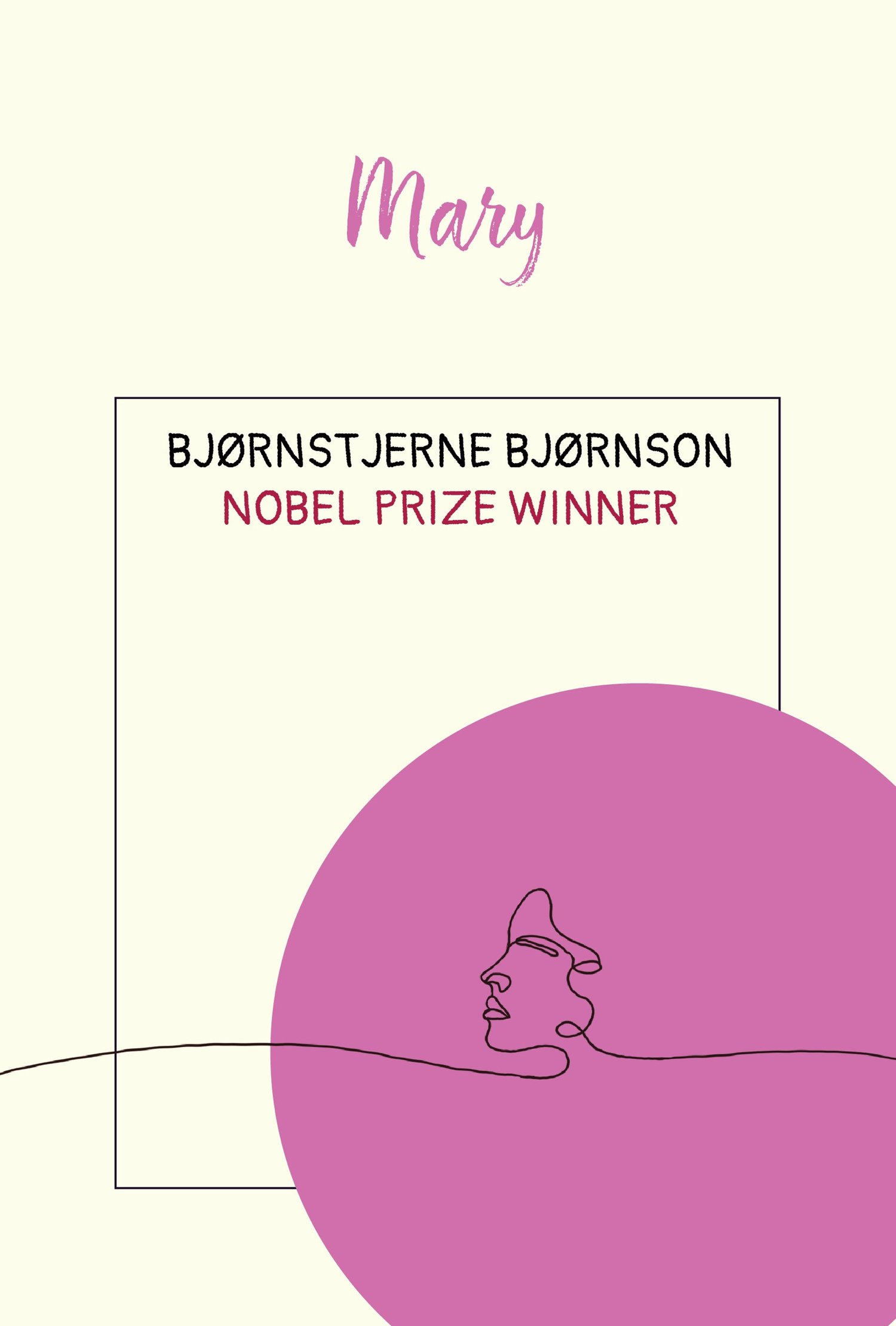
Mary
Bjørnstjerne Bjørnson’s Mary, in Mary Morison’s graceful translation, begins with a girl who has done everything right. She is gentle, conscientious, eager to please; she listens more than she speaks and measures herself by the opinions of those around her. Family, teachers, and acquaintances all encourage this pliant goodness, praising her for her willingness to yield, to soothe, to adapt. Yet under this smooth surface, Mary harbors questions she can scarcely form: Is there more to virtue than submission? Is it wrong to want to be known in her entirety rather than in the convenient roles others assign her? Bjørnson lets these questions smolder quietly as she moves from girlhood toward the brink of adult life.
The change comes not through scandal, but through a gradual sharpening of perception. A love that promises recognition reveals instead how easily she can be misunderstood, idealized, or taken for granted; friendships and family ties show their limits when she tries, for once, not to agree. Small slights, polite evasions, and well‑meant advice accumulate until Mary can no longer ignore the gap between what she feels and what she is allowed to say. Bjørnson’s drama is almost entirely interior: a series of moments in which Mary tests the strength of her own judgment against the comfortable opinions that surround her. Every drawing‑room conversation, every walk and visit, becomes a test of whether she will default to compliance or risk the unease that comes with speaking her mind.
Written in spare, transparent prose and rendered with quiet fidelity by Morison, Mary stands as one of Bjørnson’s most intimate studies of character. Rather than staging a spectacular rebellion, it traces the subtler revolution that occurs when a “good girl” begins to claim moral authorship of her own life. The novel’s power lies in its refusal of easy outcomes: it neither punishes Mary for her awakening nor rewards her with a simplistic happy ending. Instead, it leaves her—and the reader—on the threshold of a more demanding honesty, suggesting that the hardest work of all may be learning to live in accordance with a self that is finally, fully one’s own.
About the author
Bjørnstjerne Bjørnson (1832–1910) was a towering figure in Norwegian literature and a key voice in the national romantic movement. A novelist, playwright, poet, and political activist, he won the Nobel Prize in Literature in 1903 for his lyrical and impassioned works, which celebrated Norwegian identity and championed social progress. Best known for Synnøve Solbakken and the Norwegian national anthem, “Ja, vi elsker dette landet,” Bjørnson blended folklore with modern ideals, leaving an enduring mark on Scandinavia’s cultural and political landscape.