Clash of Empires: The Epic Saga of the Punic Wars (264-146 BCE)
Chapter 1: Seeds of Strife
The geopolitical landscape before the Punic Wars
The geopolitical landscape before the Punic Wars was marked by the rivalry and competition between two dominant Mediterranean powers: Rome and Carthage. These conflicts, known as the Punic Wars, would shape the course of history and determine the destinies of these two mighty civilizations.
Carthage, a Phoenician city-state located on the coast of North Africa (modern-day Tunisia), had risen to prominence as a major maritime and trading power. Founded in the 9th century BCE, Carthage had established a vast network of colonies and trading posts across the Mediterranean, amassing wealth and resources through trade, exploration, and colonization. The city's navy was renowned, and its control over key trade routes allowed Carthage to exert considerable influence over regional politics and economics.
On the other side of the Mediterranean, Rome was emerging as a powerful republic in the Italian Peninsula. Rome's political and military expansion had gradually extended its influence beyond its borders. By the 3rd century BCE, Rome had successfully subdued neighboring Italian city-states and formed alliances with others, consolidating its position as a dominant regional power. The Roman Republic's military prowess, administrative efficiency, and growing population provided it with the means to further expand its territorial holdings.
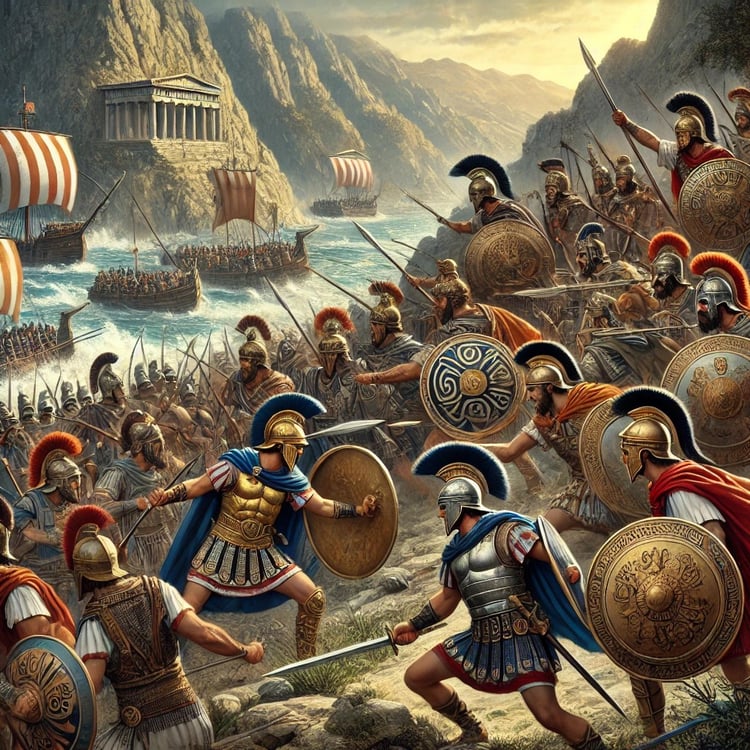
The first direct clash between Rome and Carthage occurred during the First Punic War (264-241 BCE). The trigger for this war was the struggle for control over the island of Sicily, a strategic crossroads in the Mediterranean. Both powers sought to dominate the island due to its agricultural resources and its pivotal location for maritime trade routes. The conflict primarily revolved around naval battles, with Rome building a formidable fleet to challenge Carthage's maritime supremacy.
The First Punic War ended with a Roman victory, resulting in Carthage ceding Sicily to Rome. However, Carthage remained a formidable power with significant resources and ambitions. The Carthaginians looked for opportunities to regain their lost territories and sought to expand their influence in other regions.
The Second Punic War (218-201 BCE) is perhaps the most famous of the Punic Wars, largely due to the legendary figure of Hannibal Barca. Hannibal, a Carthaginian general, famously led his army, including elephants, across the Alps to launch a surprise invasion of Italy. His tactical brilliance and initial successes struck fear into the heart of Rome. Despite inflicting heavy losses on the Romans, Hannibal couldn't secure a decisive victory. The war ultimately turned in Rome's favor after a series of strategic maneuvers, including Scipio Africanus' campaign in North Africa.
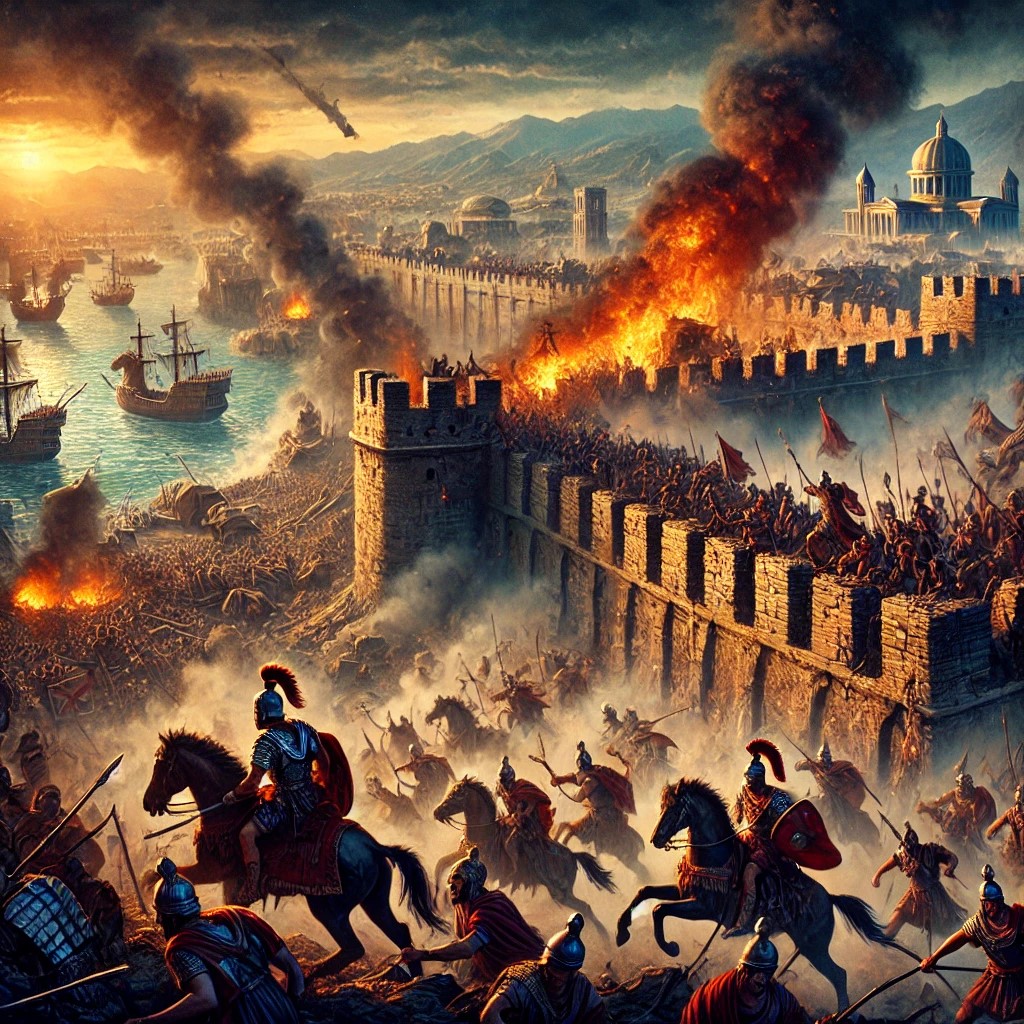
The Third Punic War (149-146 BCE) marked the final showdown between Rome and Carthage. Carthage, weakened and surrounded by Roman-controlled territories, was accused of preparing for war. The Romans seized this pretext and launched a devastating assault on the city, culminating in its destruction and the enslavement of its population.
The geopolitical landscape before the Punic Wars was characterized by the rivalry between Rome and Carthage, both of which sought to dominate the Mediterranean world. These conflicts profoundly shaped the trajectory of Western civilization. Rome emerged as the preeminent power in the Mediterranean and eventually expanded its dominion across vast territories, while Carthage's influence was extinguished. The lessons learned from these conflicts contributed to Rome's development as a superpower and influenced the strategies and tactics of later military and political leaders.
In conclusion, the geopolitical landscape before the Punic Wars was defined by the fierce competition between Rome and Carthage. These conflicts were driven by territorial ambitions, trade interests, and the pursuit of dominance. The series of wars that followed reshaped the balance of power in the ancient Mediterranean world, leaving an indelible mark on history.