

Misa afrocubana full score
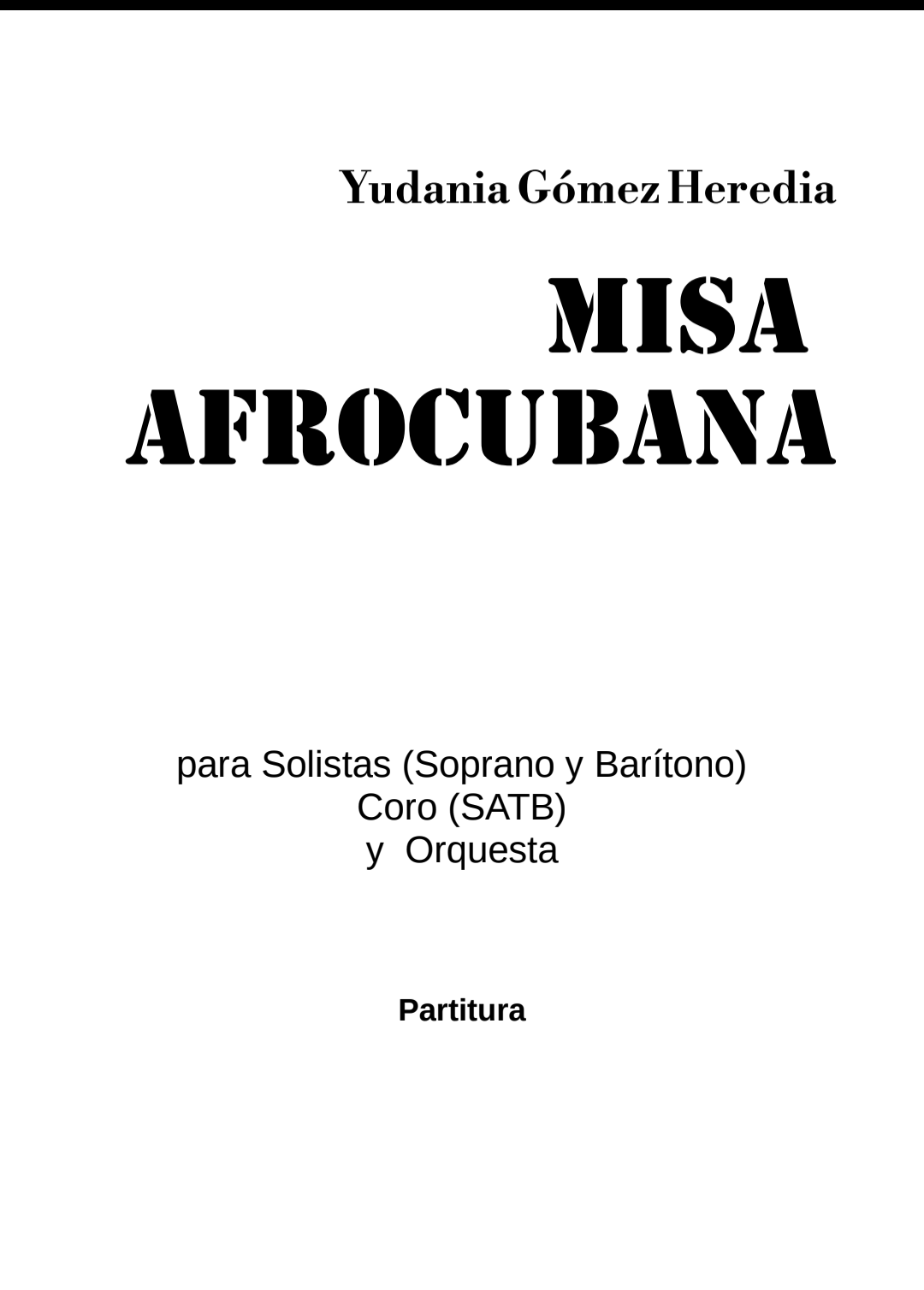
Misa Afrocubana for Soloist, choir and orchestra full score
Composed by: Yudania Gómez Heredia 2022, revised 2023
Duration: 25 Min
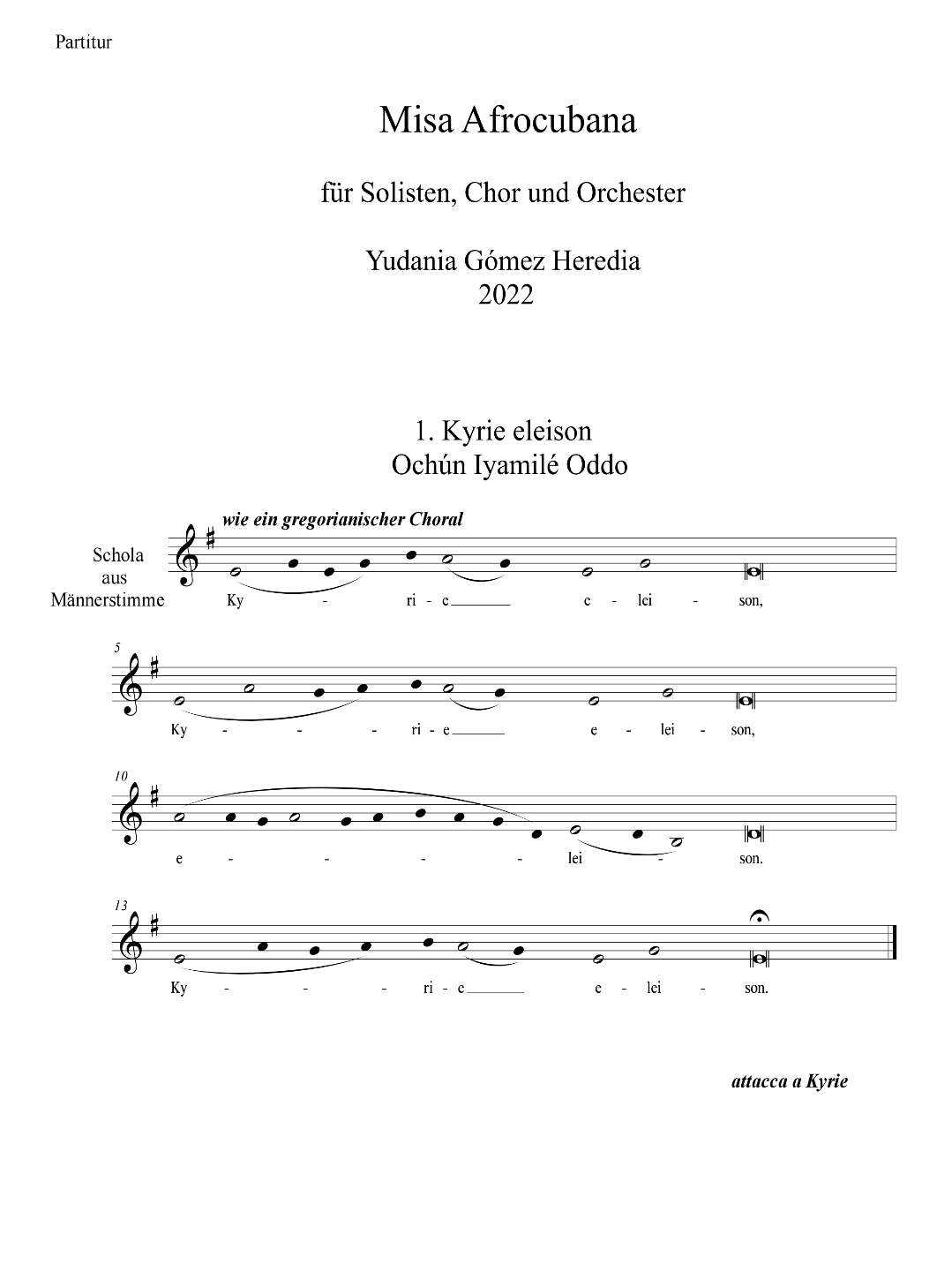
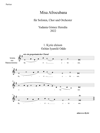
I.Kyrie Ochún Iyamilé
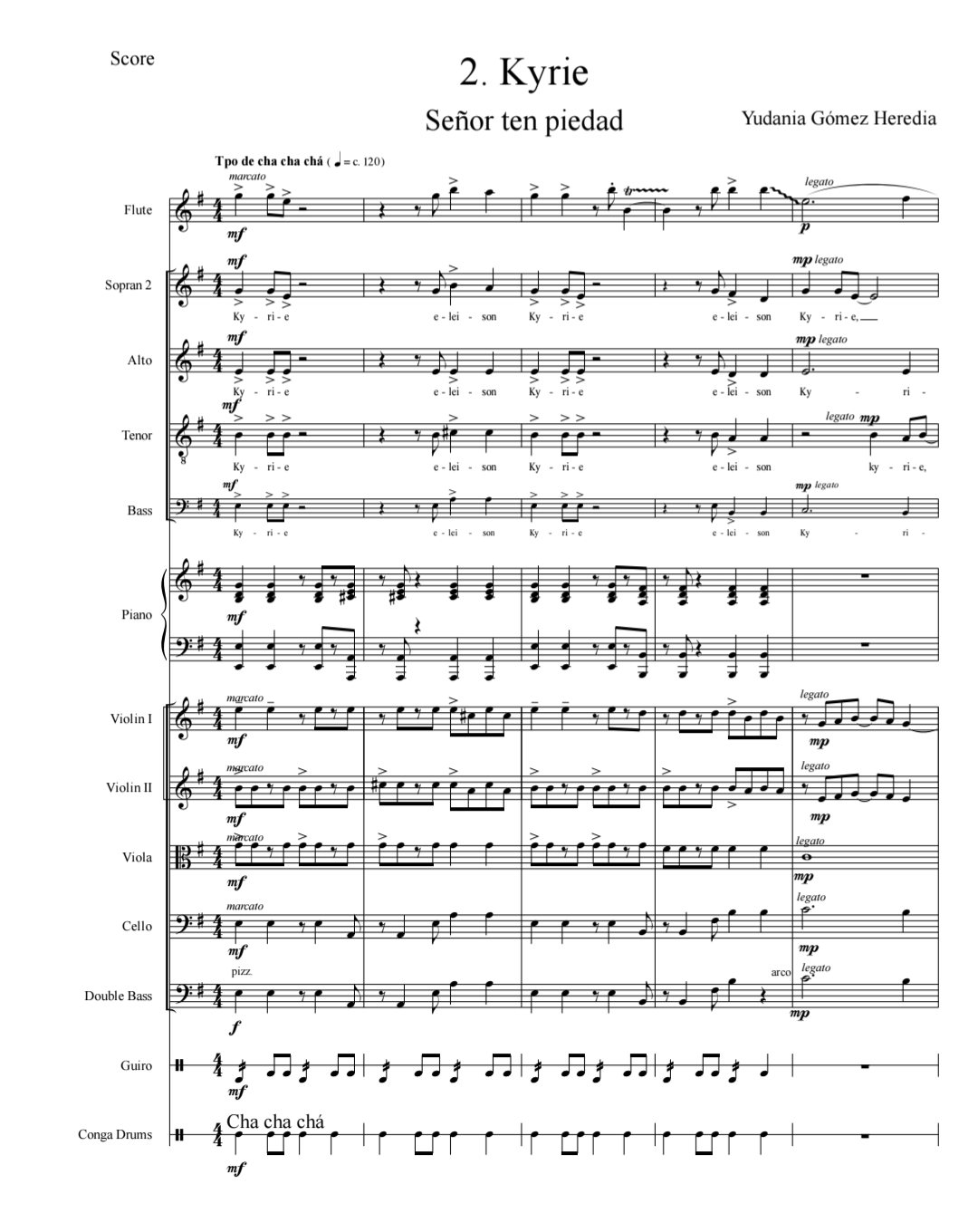
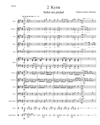
II. Kyrie eleison
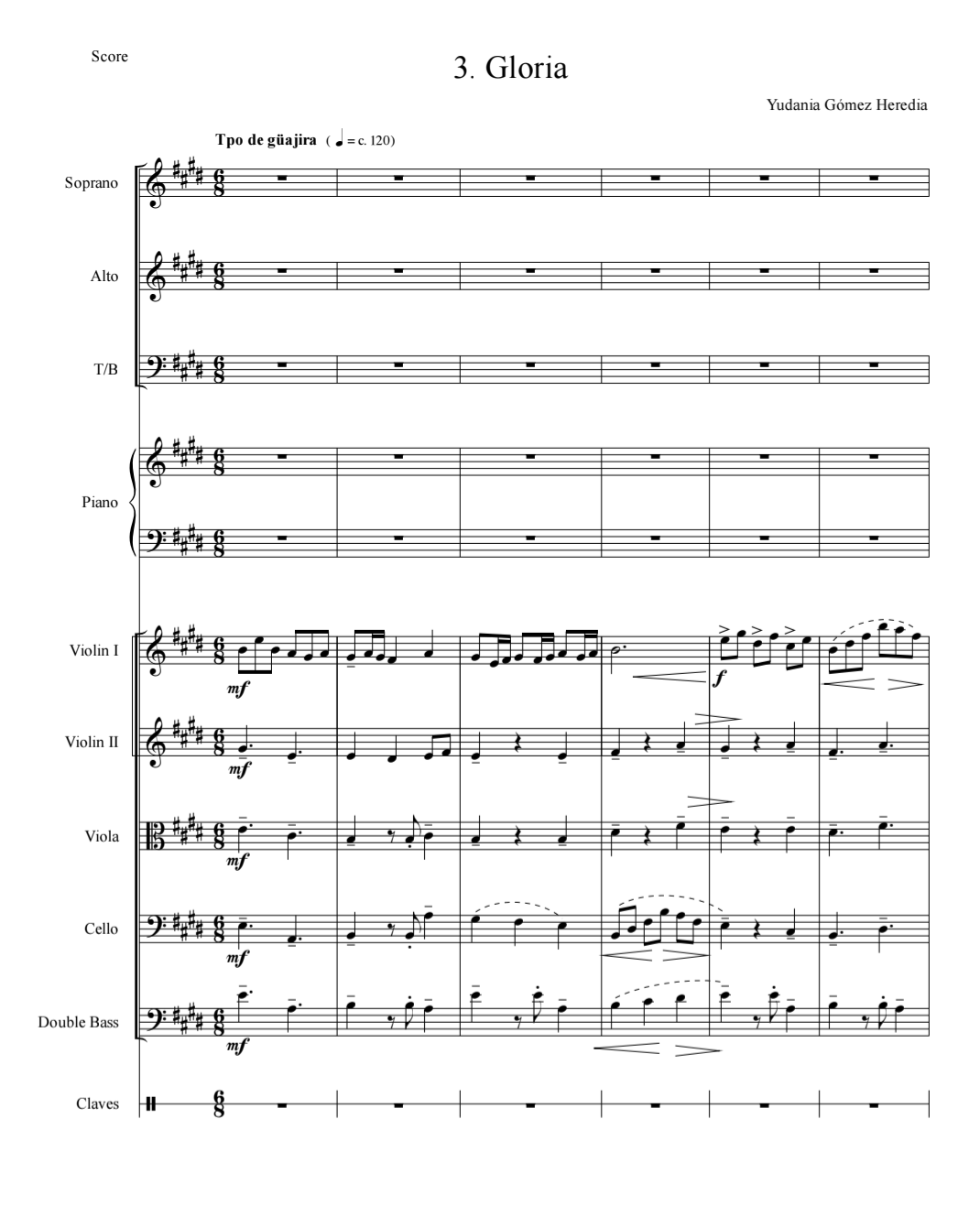
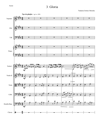
III. Gloria
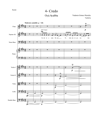
IV. Credo
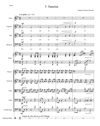
V. Sanctus
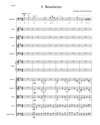
VI. Benedictus
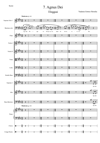
VII. Agnus Dei
Soloists: Sopran, Bariton
Mixed choir: SATB
Orchestra:
1 Flute
2 Violins
Viola
Cello
Double Bass
Piano
Cuban Percussion (2 players):
Claves
Congas (or alternatively bongo drum)
Timbales
Batá Drum (optional)
The Misa Afrocubana is conceived as a seven-movement cycle in which the liturgical parts of the Ordinary of the Mass are interwoven with musical forms and expressions from Afro-Cuban traditions.
The first movement, Kyrie — Iyamilé oddo, is reserved for the male voices and is performed a cappella in unison. Its simple, meditative structure draws on Gregorian chant. The melodic foundation is the chant Iyamilé oddo, which is associated with the Orisha Ochún and is combined here with the Latin text of the Kyrie.
The second Kyrie — Señor, ten piedad, is structured in three parts (ABA’). The A section is in a cha-cha-chá rhythm and is sung by the entire choir and orchestra with Latin text. The contrasting B section is soloistic, uses Spanish text, and is in a danzón rhythm with a characteristic cinquillo figure. The rhythmic structure is enhanced by Cuban percussion instruments such as congas, cencerro, and güiro.
In the Gloria, the meters alternate between 6/8 and 3/4, drawing on the traditional styles of zapateo and guajira. The text is sung predominantly in Latin, with phrases often ending in Spanish.
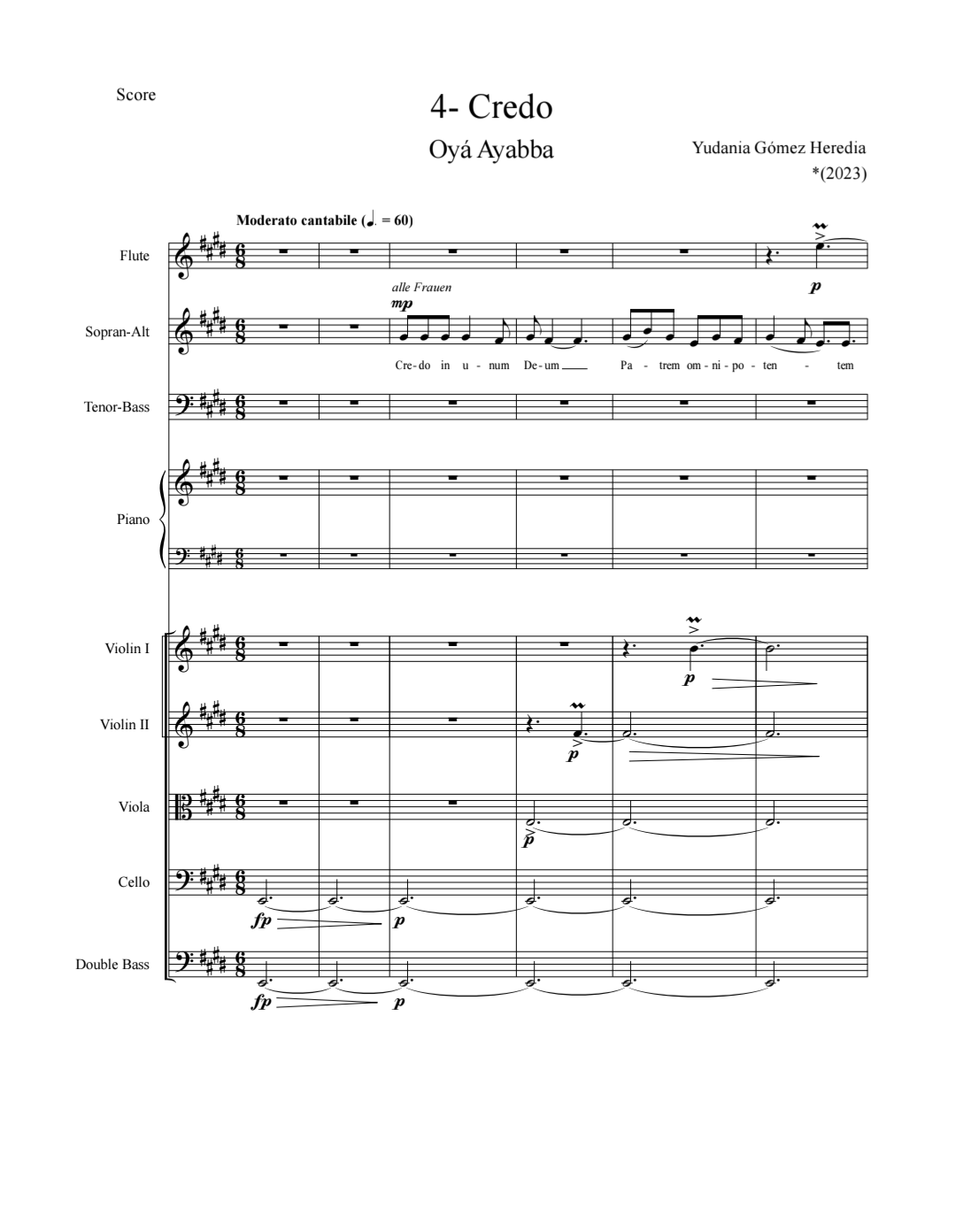
The Credo's melody is based on Oyá Wimiloro Oyá, a chant associated with the Orisha of the Dead, thus reflecting the central message of the Credo: belief in the resurrection. The movement includes solo passages, polymetric choral sections, a fugal intermezzo, and rhythmic ostinatos in the strings, inspired by the patterns of the Batá drums.
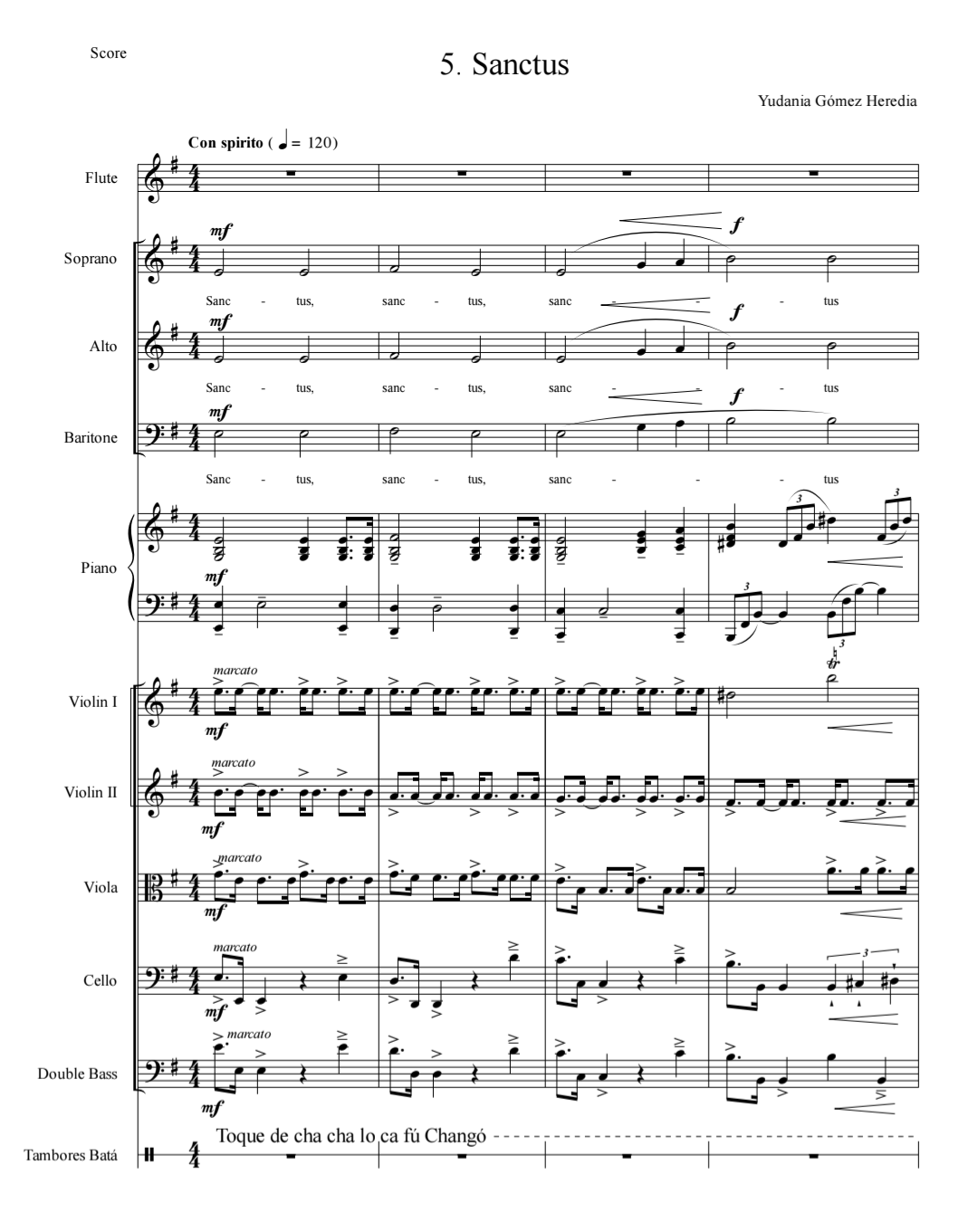
The Sanctus is distinguished by the use of the Batá drums. Its energetic character alludes to Changó, the Orisha of Fire.
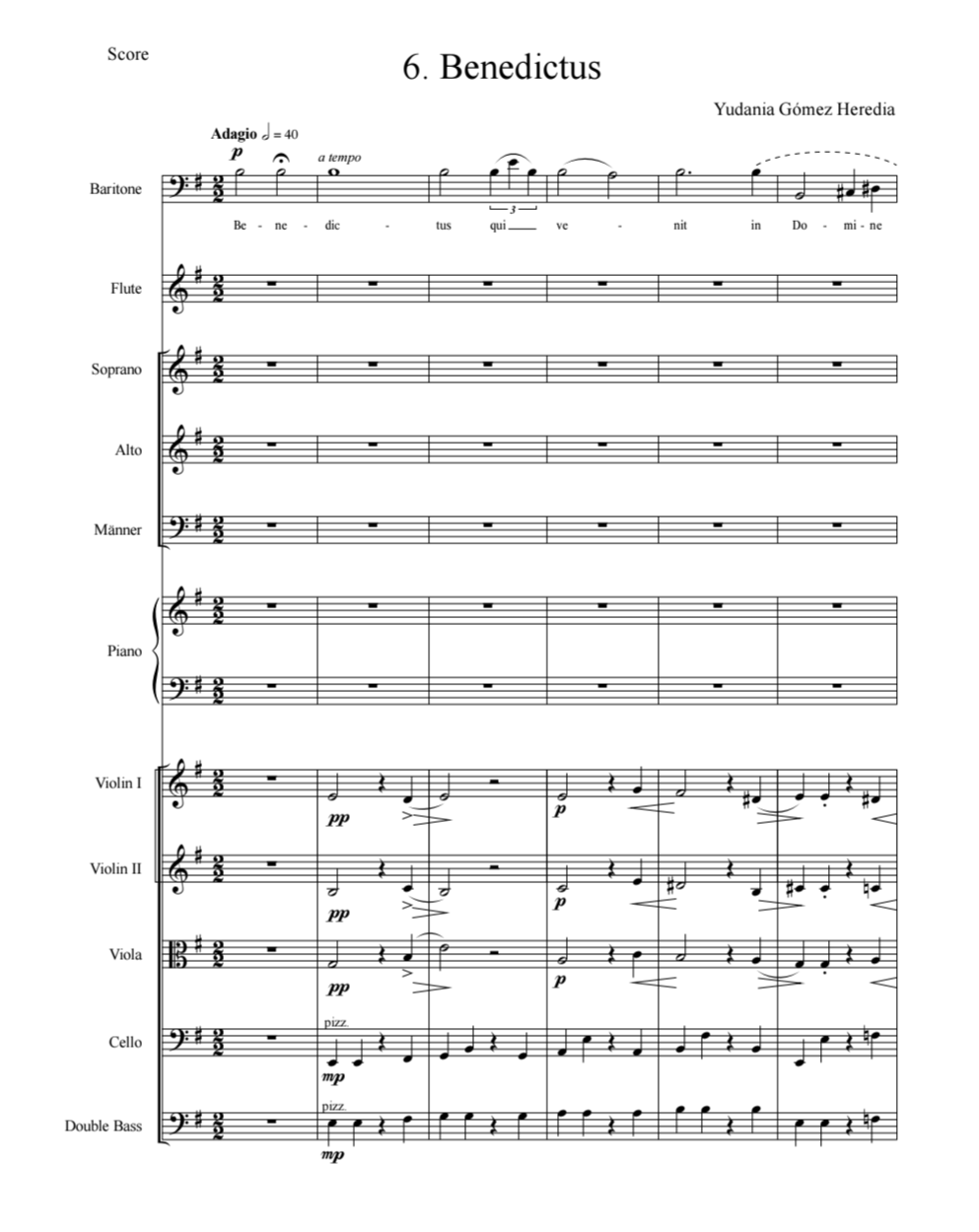
The Benedictus is presented as a baritone solo, its orchestral accompaniment drawing on the melodic line of Fauré's Libera me. As is customary in the Mass liturgy, the Hosanna is repeated.
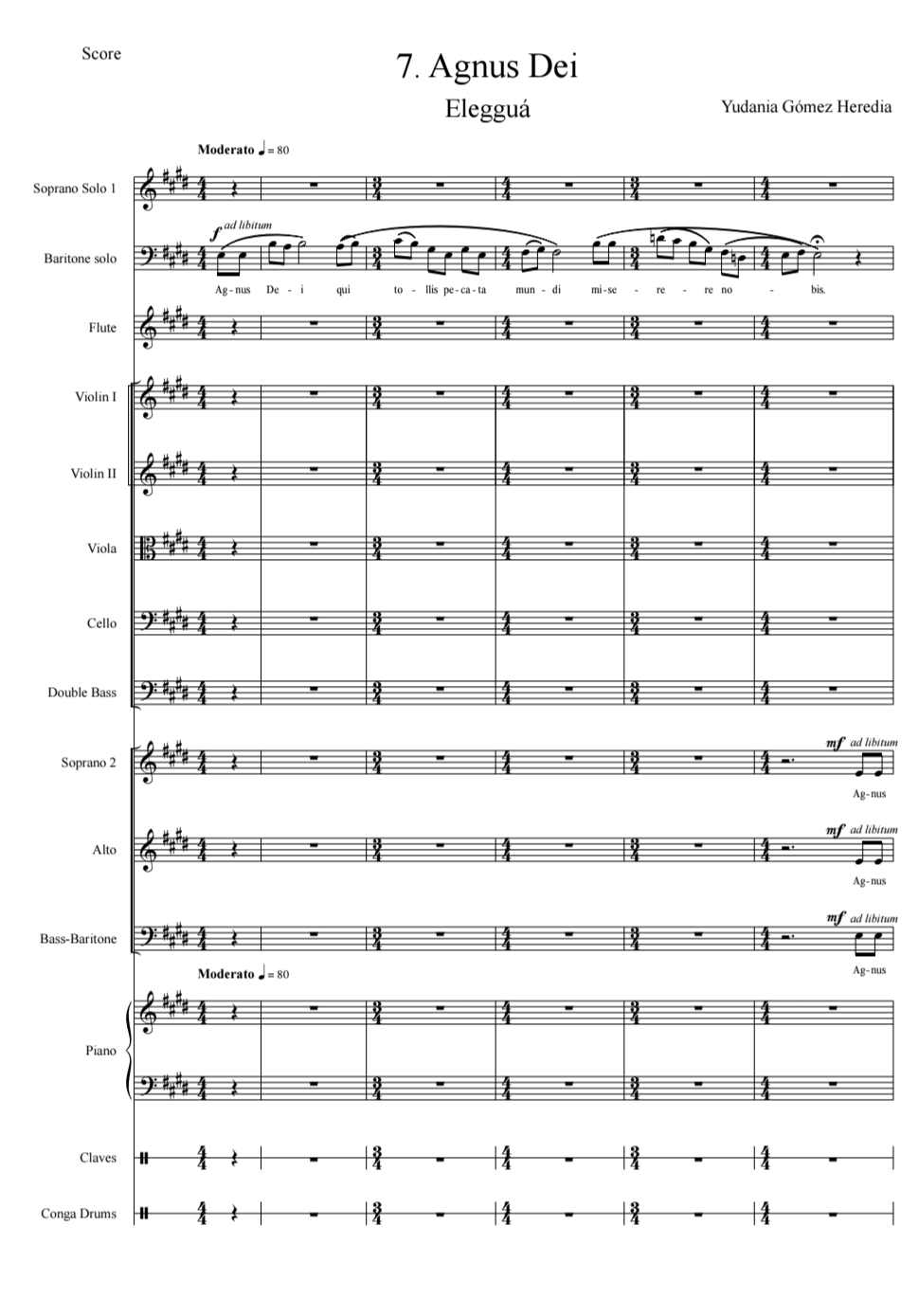
The concluding Agnus Dei is responsorial, in keeping with the tradition of Yoruba chants. The melody is based on the chant Eleguá Arasubayo. Initially, a soloistic character predominates, with harmonic references to ballads and jazz; later, the choir joins in, and there is an alternation between son montuno and danzón rhythms.