
Design Tender & Consultant Procurement Toolkit for Construction Projects
Full Product Description
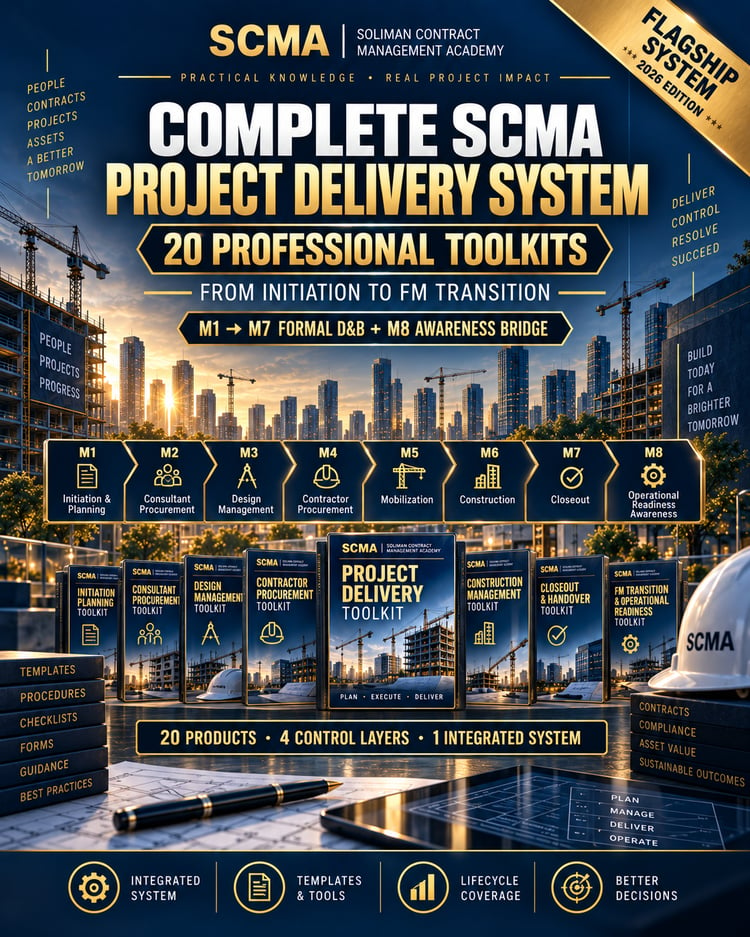
The SCMA Design Tender & Consultant Procurement Toolkit controls M2 — Design Tender / Consultant Procurement, following the approved project basis and governance established during M1 Initiation & Planning.
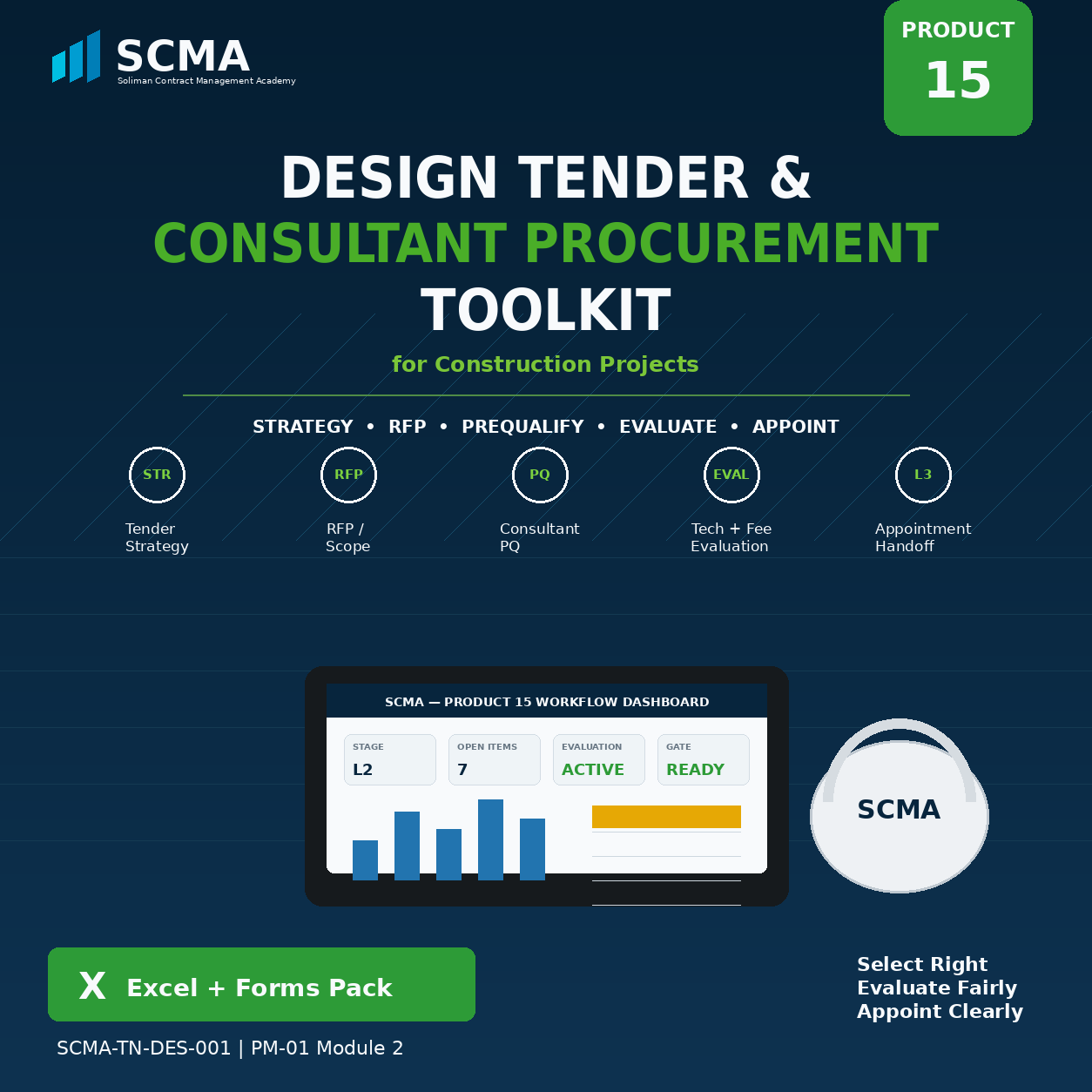
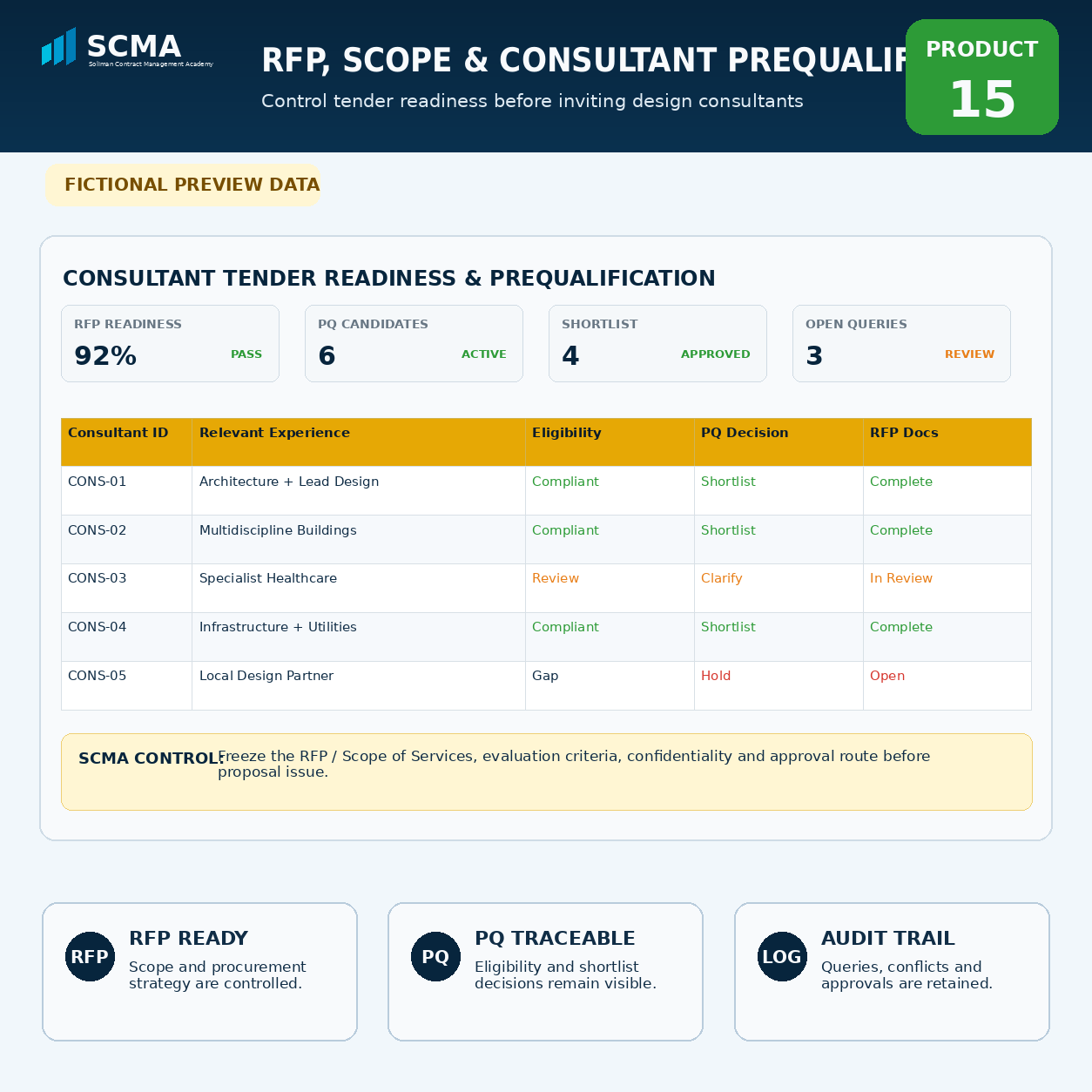
It connects consultant procurement strategy, RFP and Scope of Services readiness, prequalification, proposal receipt, tender queries, technical evaluation, commercial / fee evaluation, clarification / negotiation, recommendation, approval and appointment handoff within one structured procurement workflow.
The toolkit is designed to help Project Managers, Procurement Managers, PMCs, Design Managers and Owner’s Representatives procure the design consultant through a transparent, evidence-based process rather than relying on disconnected evaluation sheets or informal selection decisions.
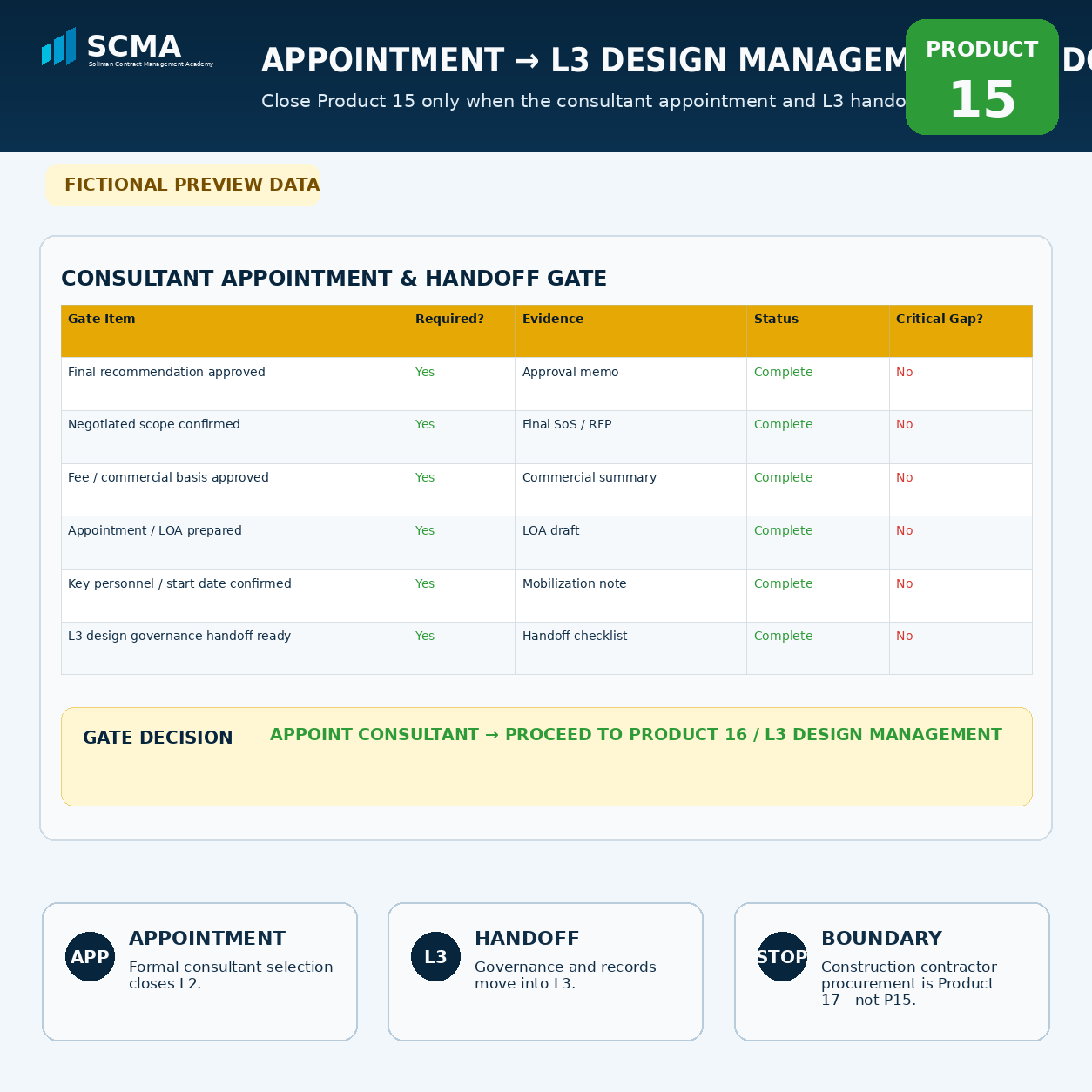
Product 15 concludes when the consultant procurement process has reached an appropriately authorized appointment position and the relevant scope, clarifications, evaluation basis and decision records are preserved for the controlled M2 → M3 handoff into Design Management.
What’s Inside
· 15-sheet integrated M2 Design Tender & Consultant Procurement Excel system
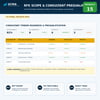
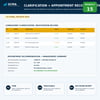
· Consultant Tender Strategy & RFP Checklist
· Scope of Services Readiness controls
· Consultant Prequalification controls
· Proposal Receipt & Tender Query tracking
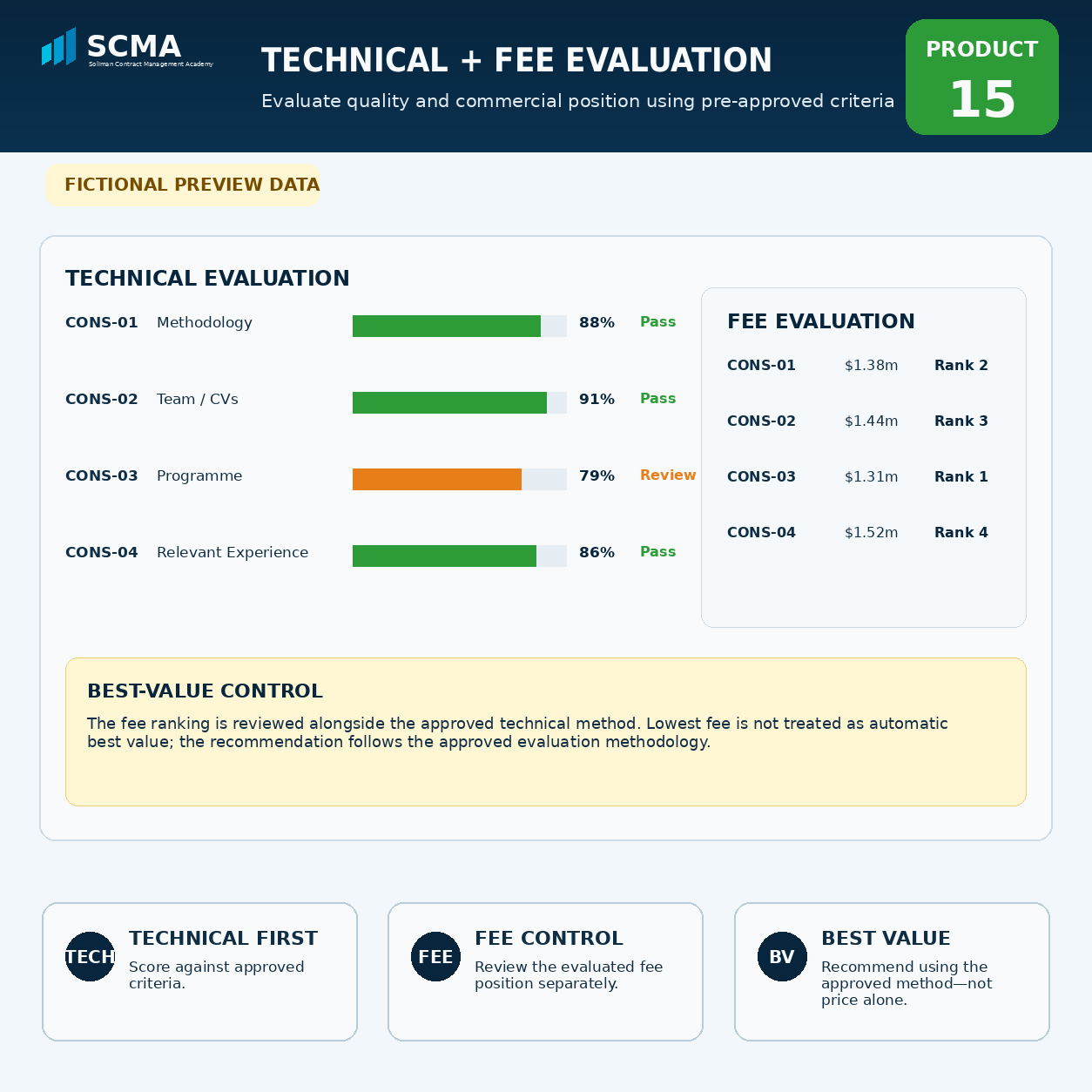
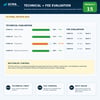
· Consultant Technical Evaluation Summary
· Consultant Commercial / Fee Evaluation Summary
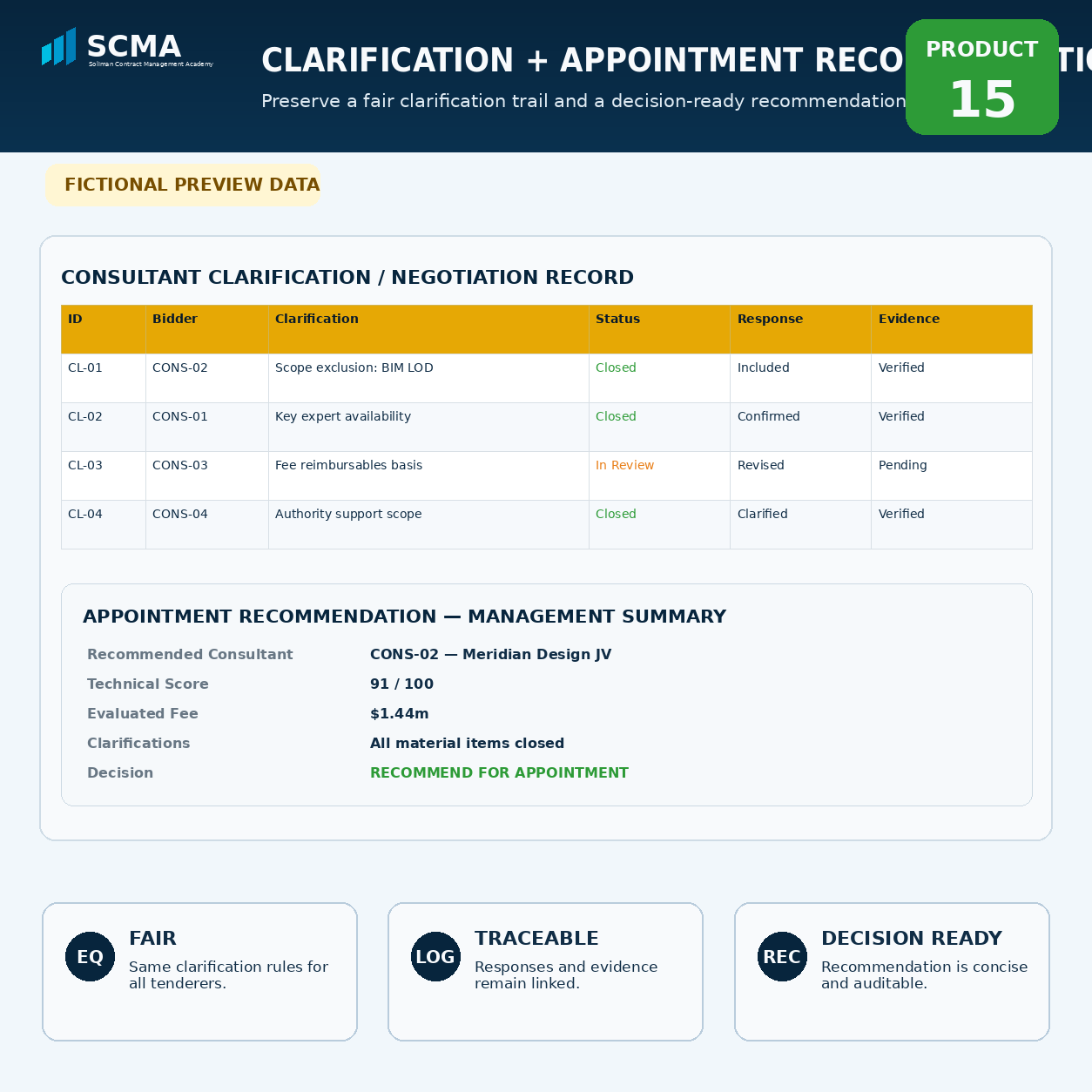
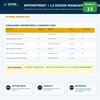
· Consultant Clarification / Negotiation Record
· Consultant Appointment Recommendation Memo
· Approval and decision traceability controls
· M2 → M3 Appointment Handoff controls
· Start Here / User Guide
· Professional Use Terms
Key Benefits
· Keep Design Tender / Consultant Procurement clearly separate from Construction Tender / Contractor Procurement.
· Connect M1 project definition and governance to a controlled M2 consultant procurement process.
· Confirm RFP, Scope of Services, deliverables, evaluation criteria and procurement strategy readiness before issue.
· Evaluate consultant technical proposals against pre-established and approved criteria.
· Evaluate commercial and fee proposals using the approved evaluation method rather than assuming lowest fee = best value.
· Preserve tender queries, clarifications, qualifications, conflicts, confidentiality and evaluation audit trails.
· Separate technical evaluation, commercial evaluation, clarification, recommendation, approval and appointment as distinct control steps.
· Preserve agreed scope, exclusions, assumptions and clarifications for incorporation into the appointment / contract basis where applicable.
· Create a controlled M2 → M3 handoff into Design Management.
Important Control Boundary
Prequalified ≠ Proposal Received ≠ Technically Acceptable ≠ Commercially Preferred ≠ Recommended ≠ Approved ≠ Appointed.
A technical or fee evaluation result does not by itself create authority to appoint a consultant. Likewise, a recommendation is not the same as formal approval, appointment or contract execution.
The toolkit supports procurement governance and decision traceability but does not replace the approved procurement strategy, tender conditions, delegated-authority framework, applicable procurement law, executed consultancy agreement or formal approval process.
Completion of M2 also does not mean that the design is approved or tender-ready. The appointed consultant must proceed through M3 Design Management, including design development, multidisciplinary coordination, code and authority review, comment resolution and tender-readiness controls.
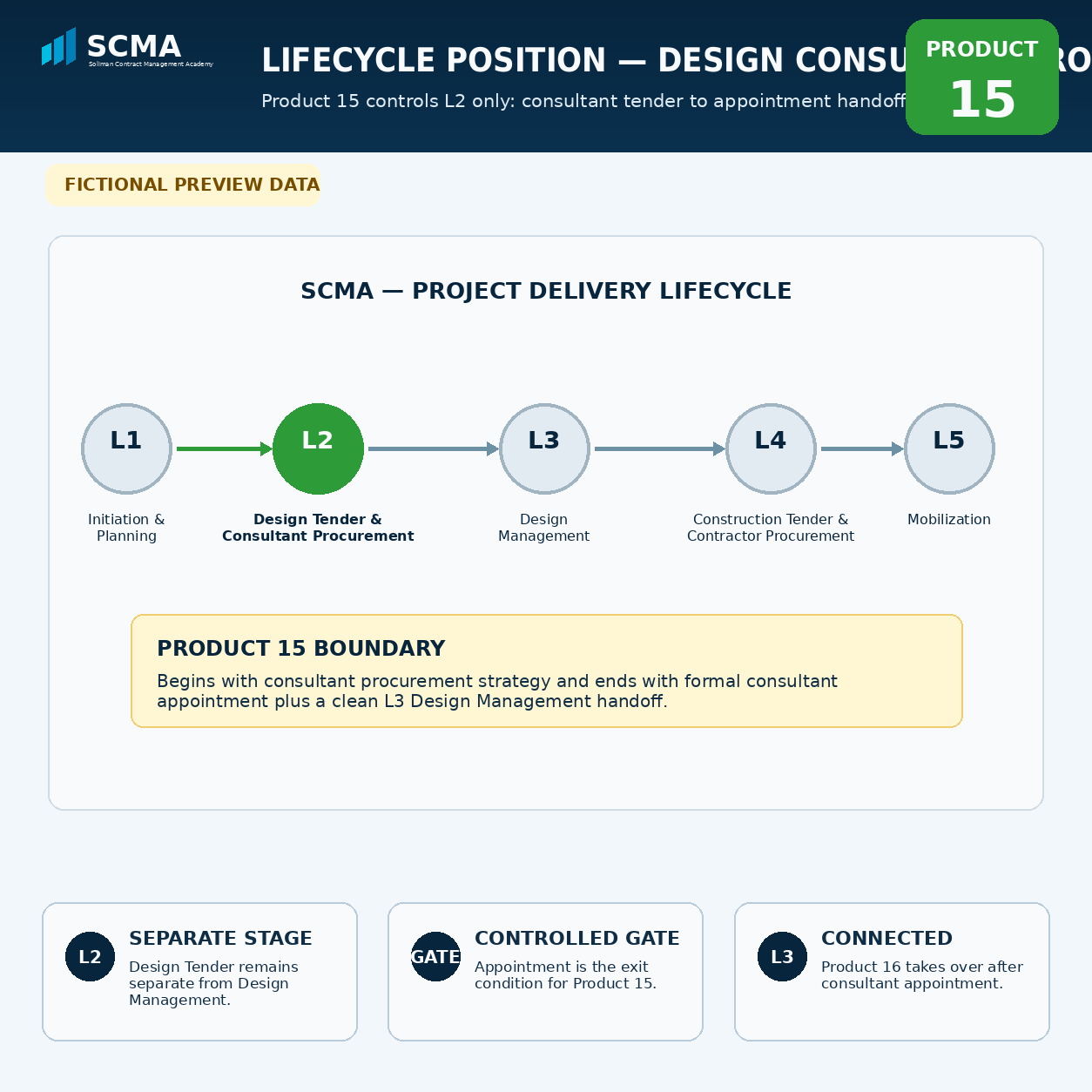
Lifecycle Position
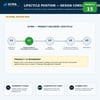
Incoming Handoff: M1 — Initiation & Planning
Primary Stage: M2 — Design Tender / Consultant Procurement
Controlled Handoff: M2 → M3 — Design Management
Best For
Project Managers | Procurement Managers | PMCs | Design Managers | Consultants | Commercial Managers | Tender Committees | Owner’s Representatives