
Aggression Toward A Caregiver During Dysregulation
Aggression Toward A Caregiver During Dysregulation
You will receive the printable unwatermarked version of this infographic
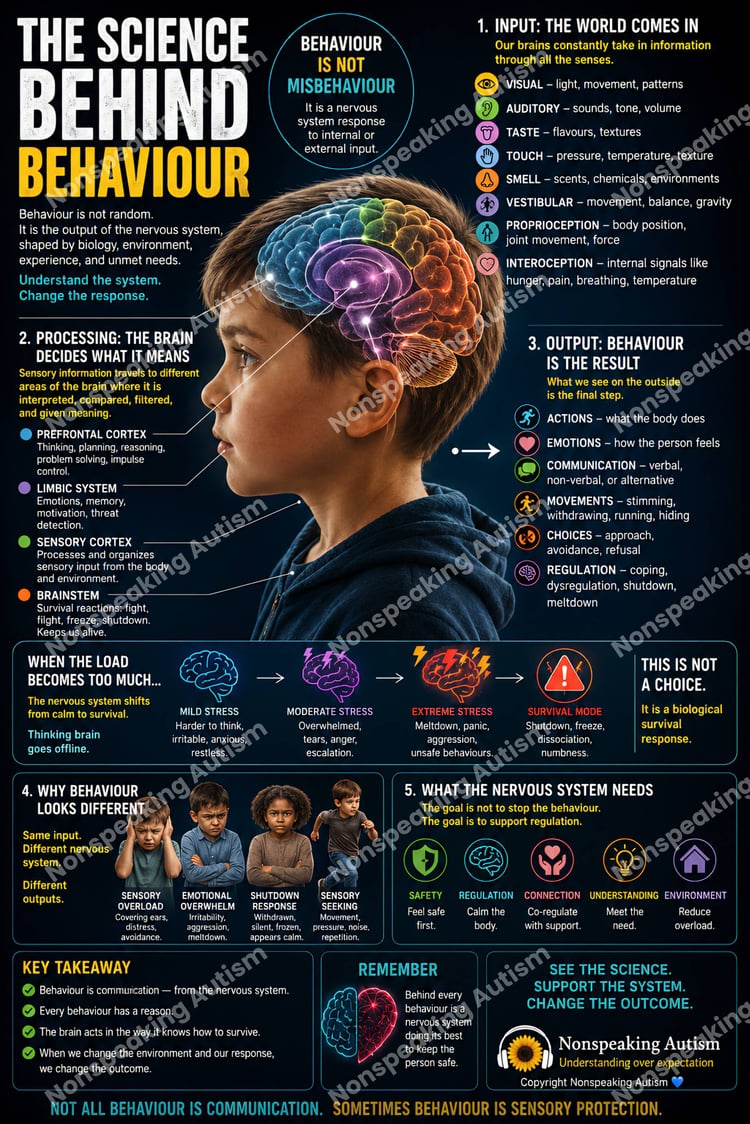
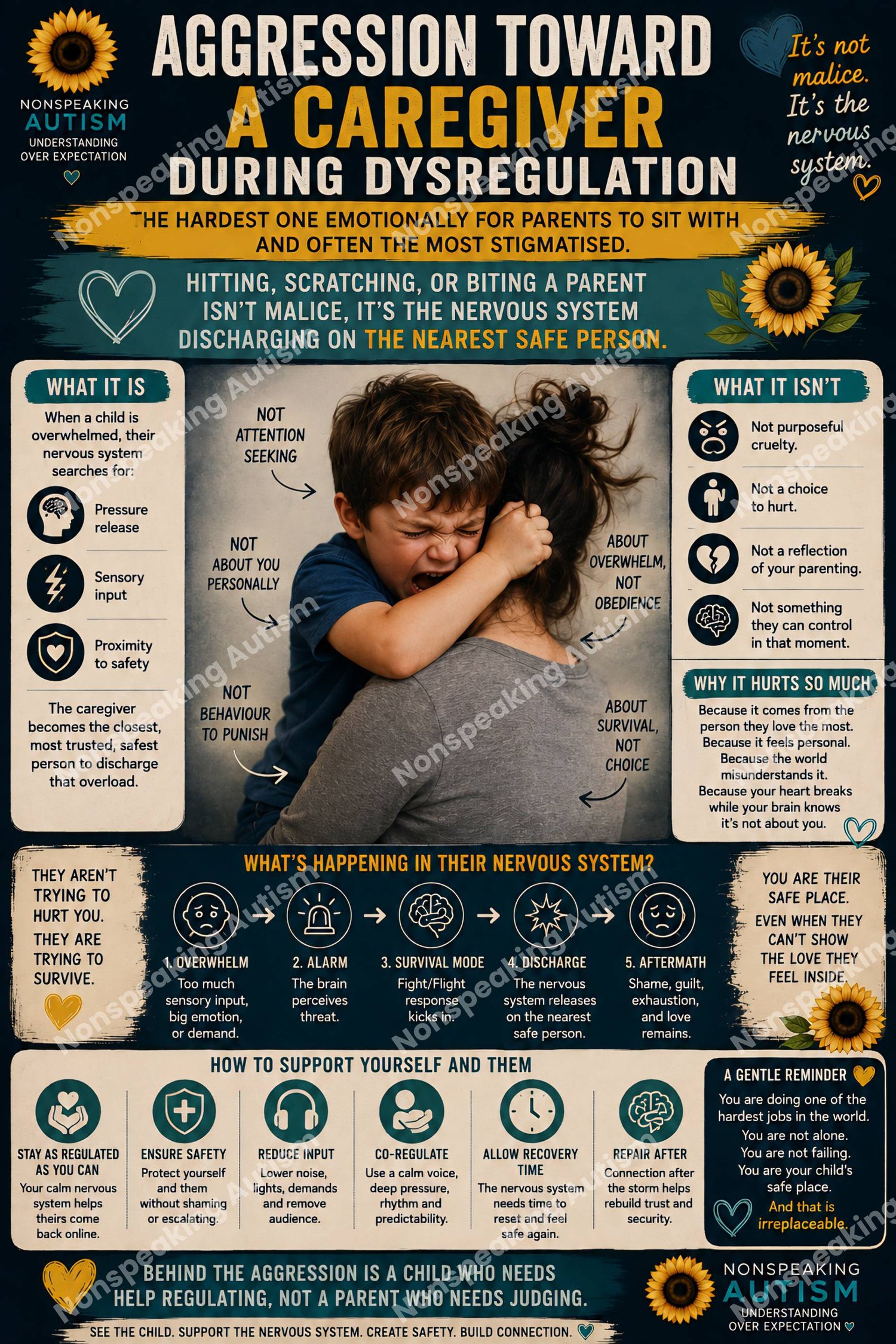
This is often the hardest one for parents to sit with, and the most stigmatised. Hitting, scratching or biting a parent isn't malice. It's the nervous system discharging on the nearest safe person.
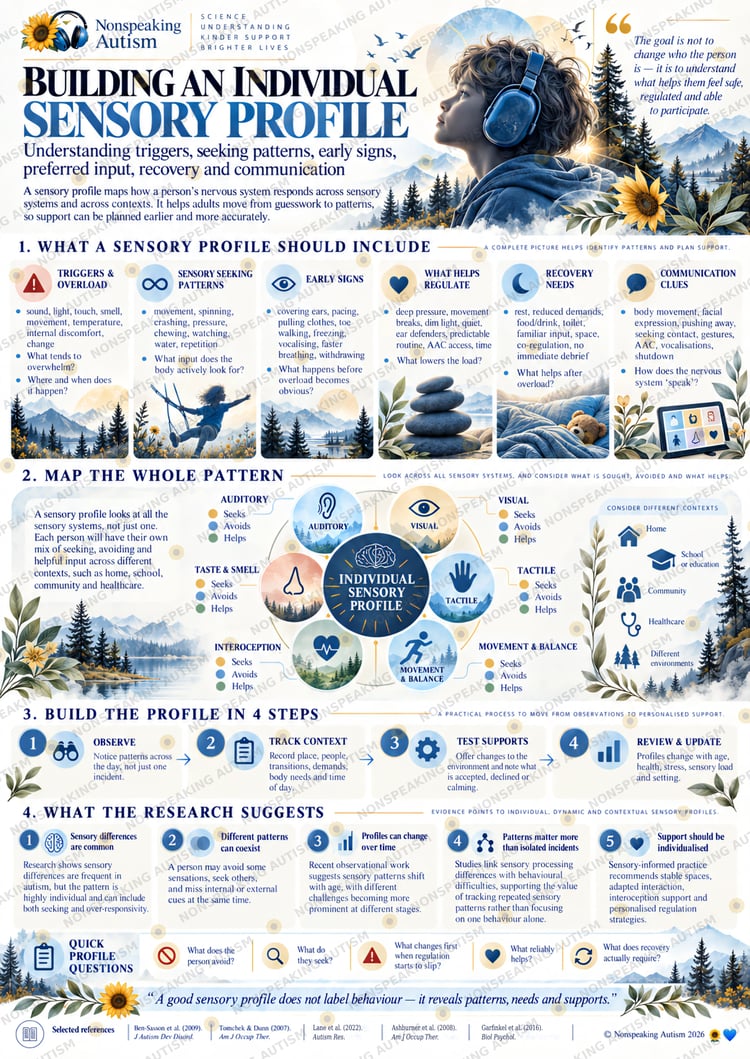
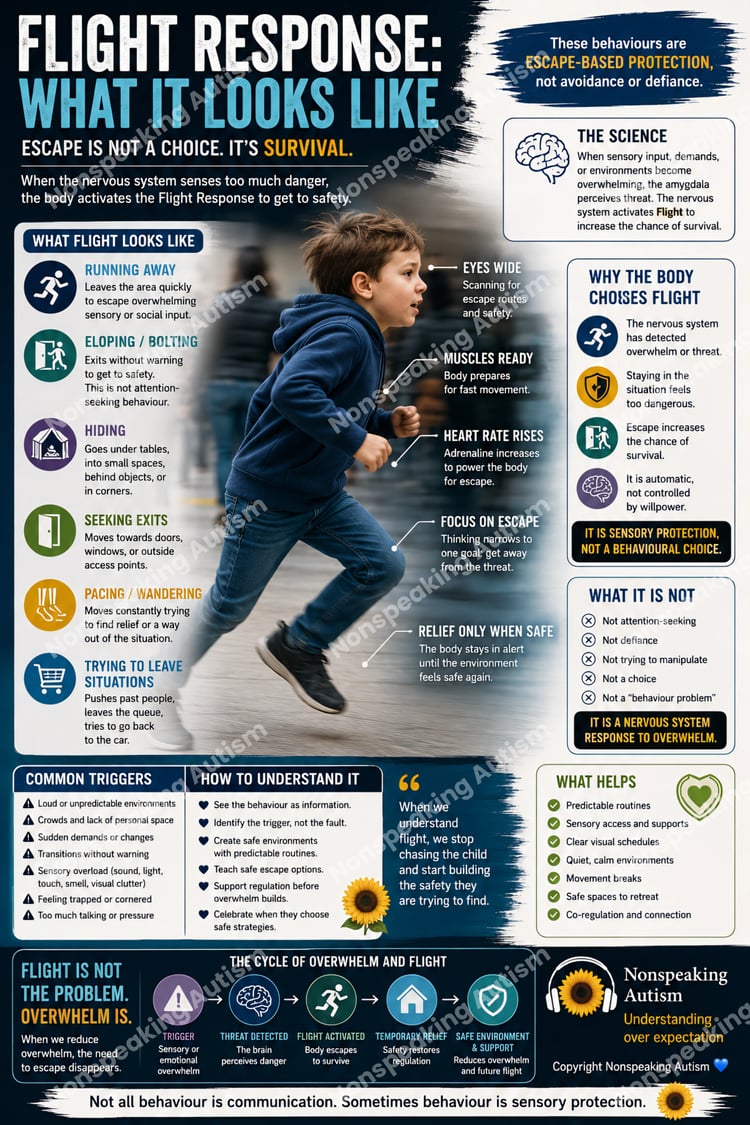
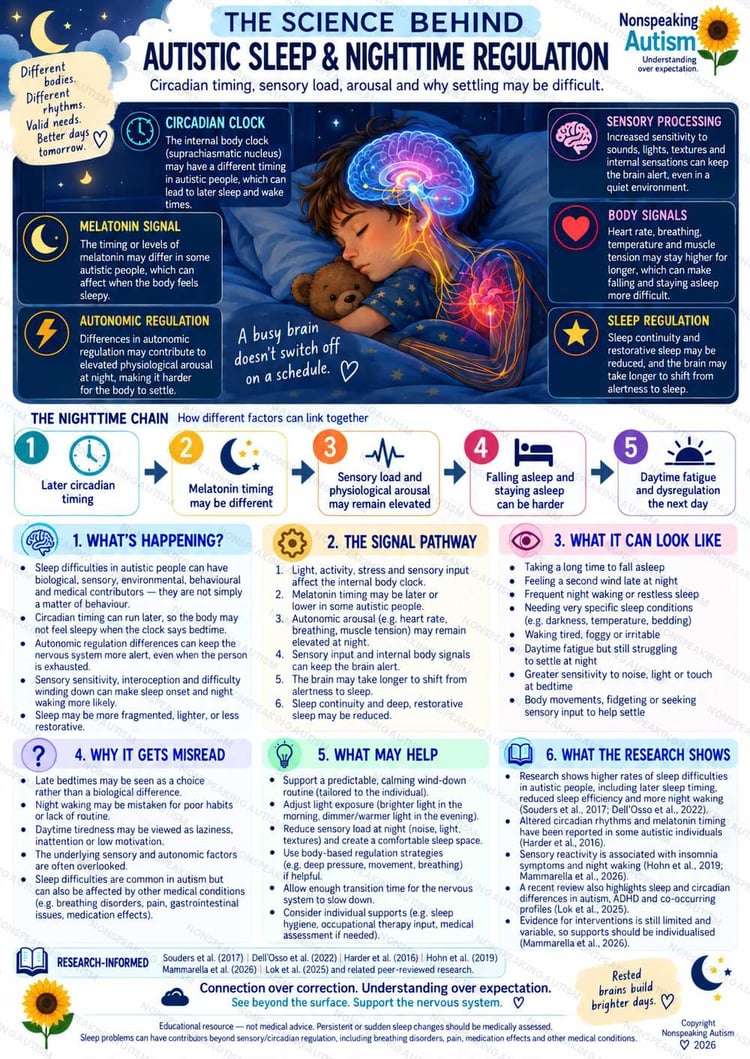
This infographic walks through what this behaviour actually is and what it isn't, why the caregiver so often becomes the target, and exactly what is happening in the nervous system in the moments leading up to it, from overwhelm through to alarm, survival mode, discharge and the aftermath that follows.
Perfect for parent carers who need to understand why this happens to them specifically, and for professionals and educators supporting families through the shame and stigma that so often surrounds this topic.
What is included:
Clear breakdown of what drives aggression toward a caregiver and what it is not
The five stage nervous system pathway from overwhelm to aftermath
Why this particular behaviour hurts so much, explained with honesty and compassion
Six practical ways to support both yourself and your child through it, including co-regulation, recovery time and repair
A high resolution digital download, ideal for printing, sharing with schools and professionals, or keeping close during the hardest moments as a reminder that you are not failing.
Behind the aggression is a child who needs help regulating, not a parent who needs judging.
© Nonspeaking Autism 💙
Disclaimer:
This resource is intended for educational and informational purposes only. It is designed to support understanding of autism, sensory processing, nervous system regulation, and behaviour from a neurodevelopmental perspective.
The information provided is not medical, psychological, therapeutic, or legal advice and should not be used as a substitute for assessment, diagnosis, or treatment by a qualified healthcare professional.
Every autistic person is unique. Strategies and supports should always be tailored to the individual's needs, strengths, and circumstances.
If a child displays a sudden change in behaviour, severe distress, signs of illness, injury, or behaviours that place themselves or others at risk, seek appropriate medical advice or emergency assistance where necessary.
While every effort has been made to ensure the information is accurate and reflects current understanding, knowledge in autism and neuroscience continues to evolve.
This resource is for the purchaser's personal, educational, or professional use only. It may not be copied, redistributed, resold, edited, shared publicly, or reproduced in whole or in part without prior written permission.
© Nonspeaking Autism 💙