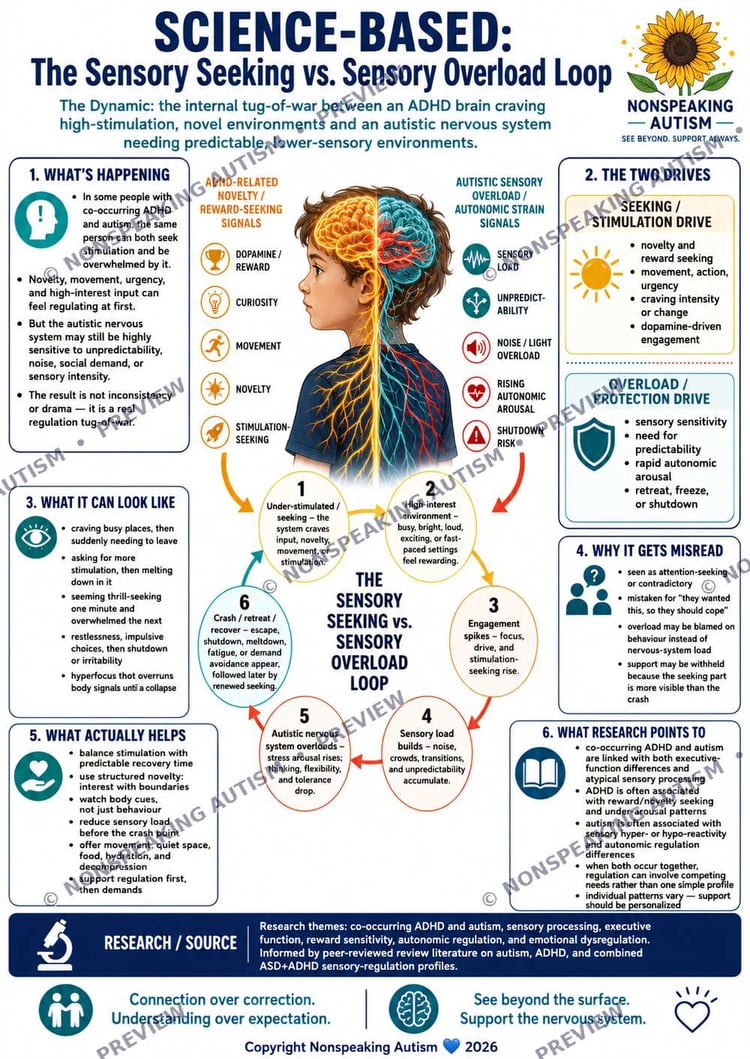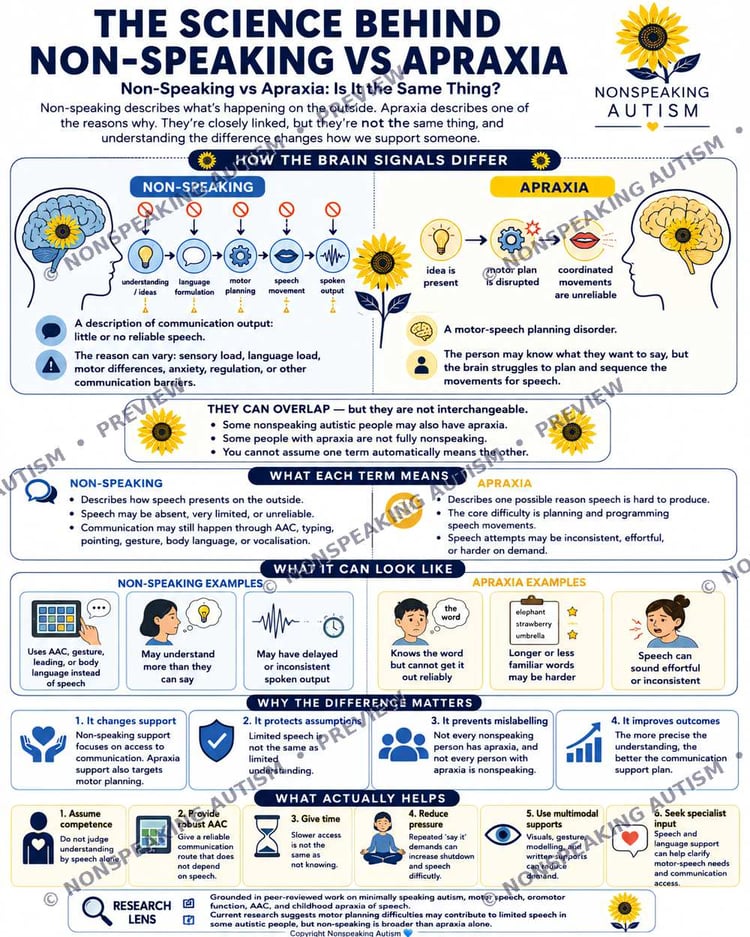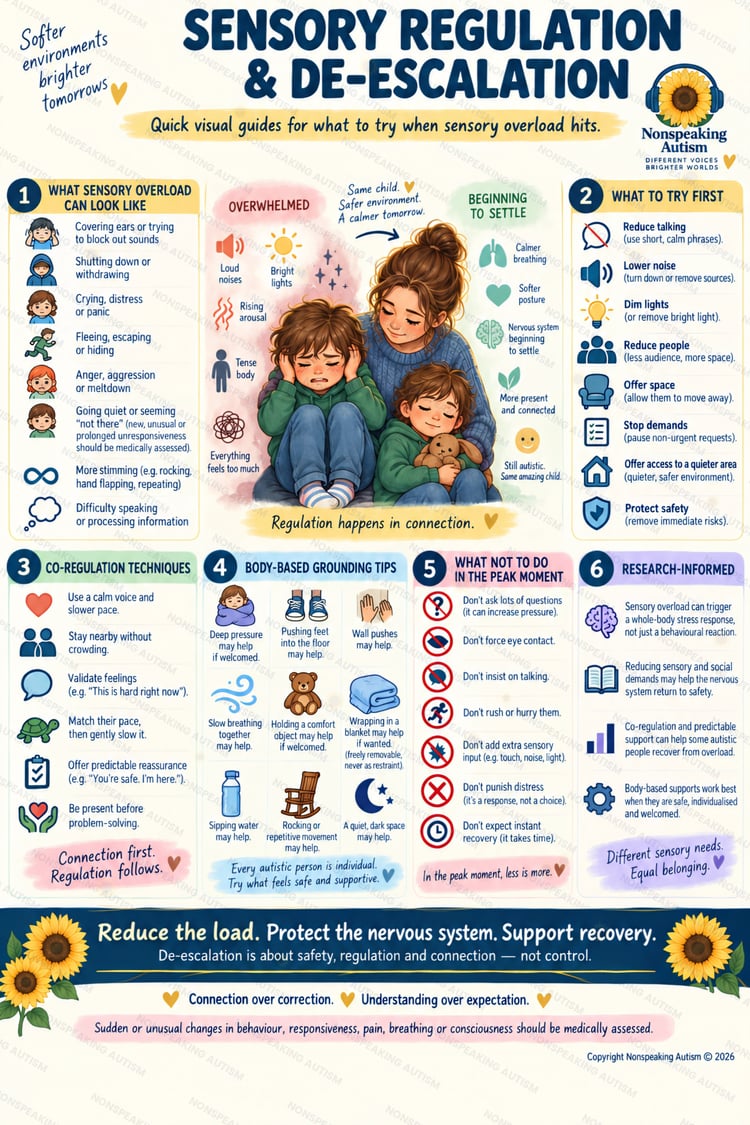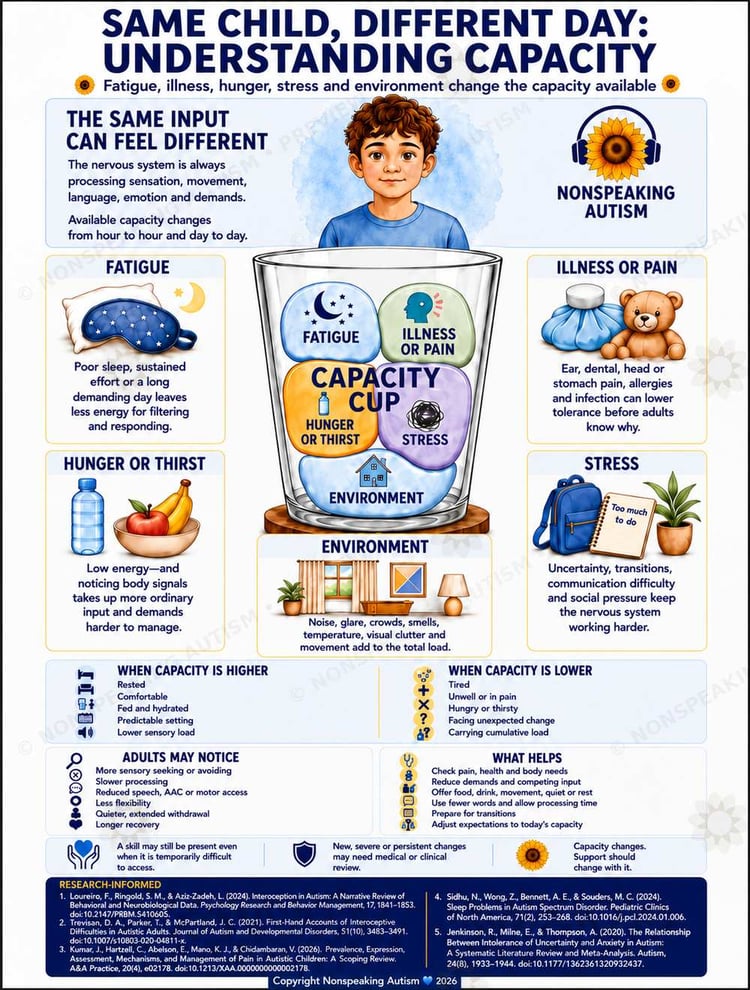

Why physical tools work better than "calm down"
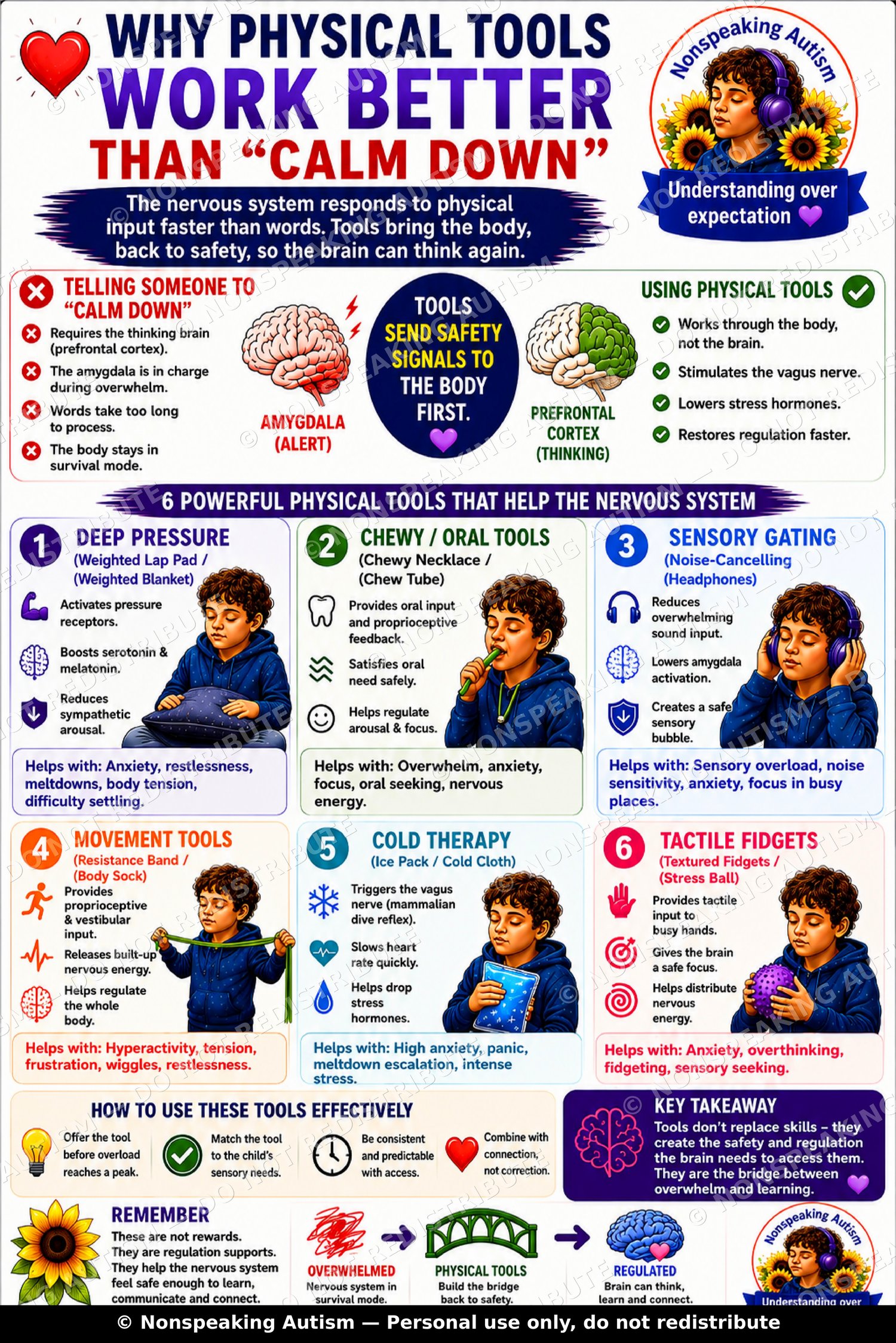
Why Physical Tools Work Better Than "Calm Down"
You will receive the printable unwatermarked version of this infographic and without the black bar on the bottom
A research-informed visual guide to nervous system regulation for autistic children and other sensory-sensitive individuals.
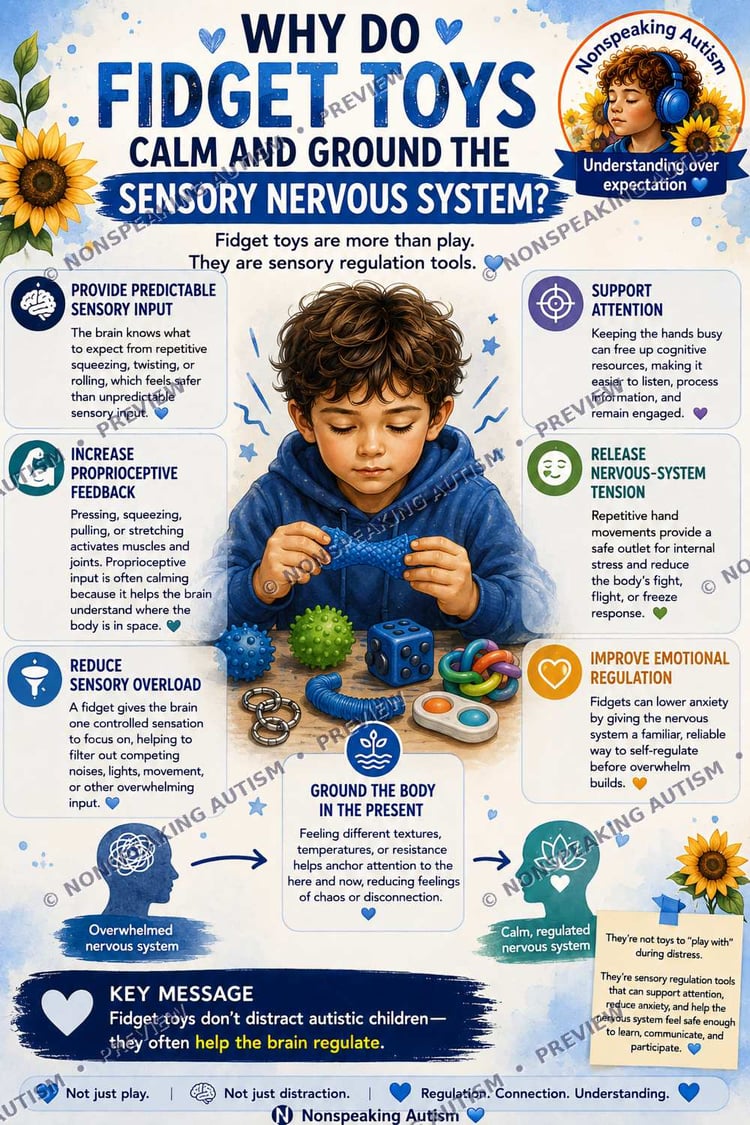
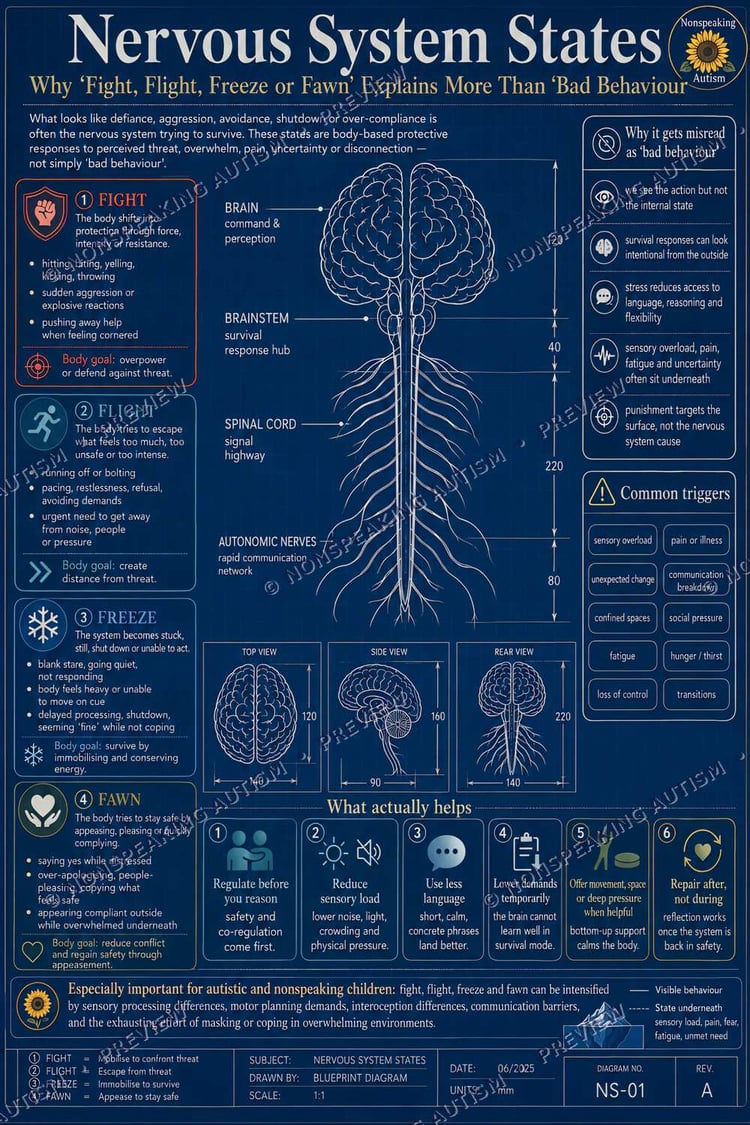
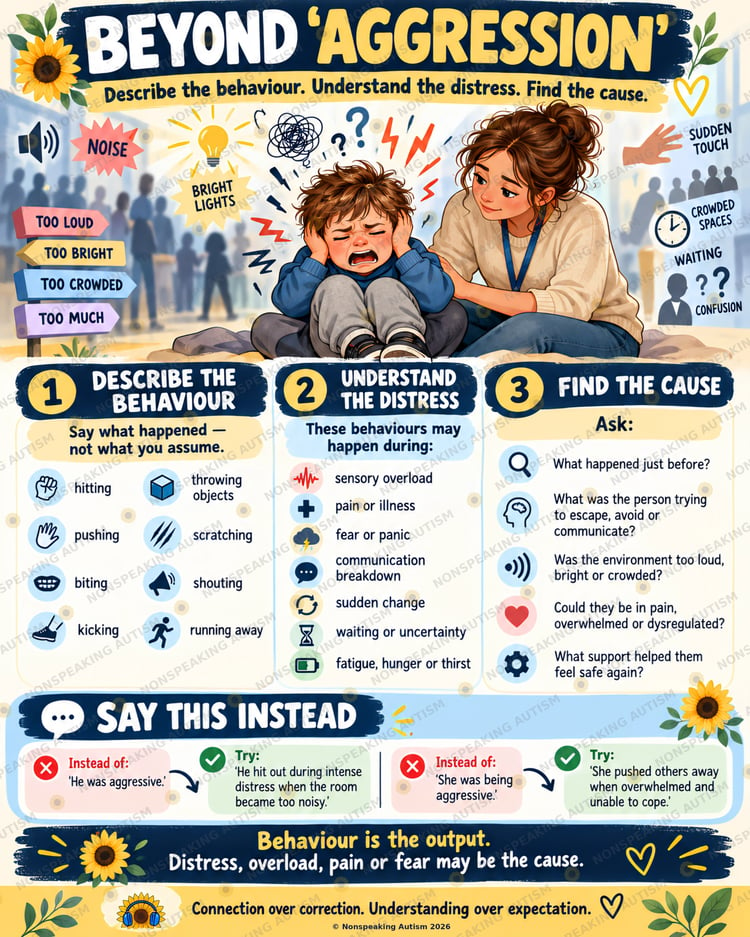
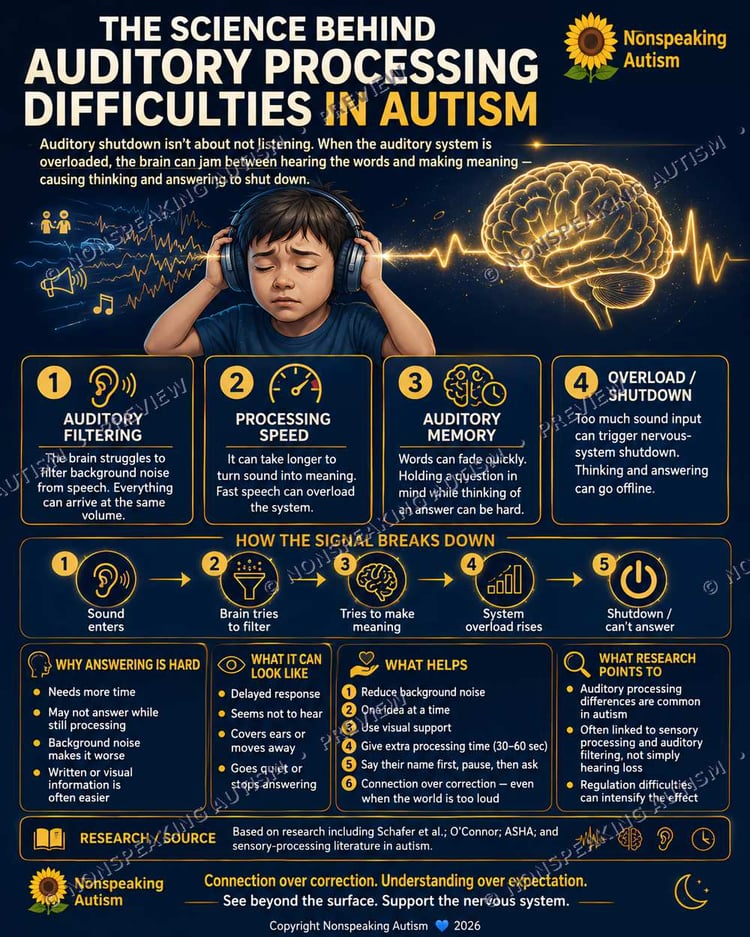
When a child is overwhelmed, the thinking brain is often temporarily offline. In those moments, telling them to "calm down" relies on skills their brain cannot easily access.
This infographic explains why physical regulation tools work more effectively by supporting the nervous system first.
Inside you'll discover:
Why "calm down" often isn't enough during dysregulation
How physical tools communicate safety to the nervous system
The science behind bottom-up regulation
Six practical regulation tools and how each supports the body
Simple guidance for using sensory supports effectively
A clear visual explanation suitable for parents, carers, educators and therapists
Designed to make complex neuroscience easy to understand, this resource is ideal for anyone supporting autistic children or individuals with sensory processing differences.
Perfect for:
Parents and carers
Teachers and teaching assistants
SENCOs
Therapists
Support workers
Training sessions
Home education
Sensory-friendly classrooms
You'll receive:
1 high-resolution PDF
Optimised for A4 and A3 printing
Instant digital download
Please note: This is a digital product. No physical item will be shipped.
© Nonspeaking Autism 💙
Disclaimer:
- This resource is intended for educational and informational purposes only. It is designed to support understanding of autism, sensory processing, nervous system regulation, and behaviour from a neurodevelopmental perspective.
- The information provided is not medical, psychological, therapeutic, or legal advice and should not be used as a substitute for assessment, diagnosis, or treatment by a qualified healthcare professional.
- Every autistic person is unique. Strategies and supports should always be tailored to the individual's needs, strengths, and circumstances.
- If a child displays a sudden change in behaviour, severe distress, signs of illness, injury, or behaviours that place themselves or others at risk, seek appropriate medical advice or emergency assistance where necessary.
- While every effort has been made to ensure the information is accurate and reflects current understanding, knowledge in autism and neuroscience continues to evolve.
This resource is for the purchaser's personal, educational, or professional use only. It may not be copied, redistributed, resold, edited, shared publicly, or reproduced in whole or in part without prior written permission.
© Nonspeaking Autism 💙