











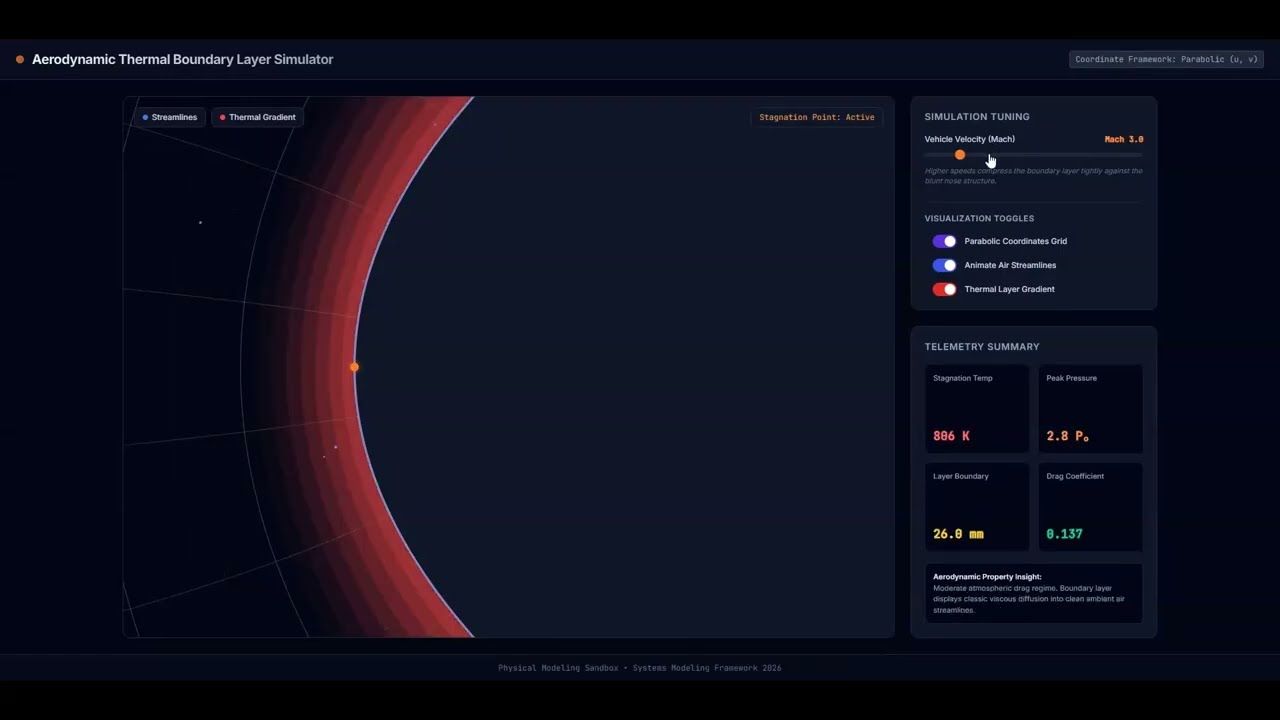


Interactive Simulator (Compute Parabolic coordinates-related properties)
Deliverables (Update: Sep 4, 2026)
Stand-alone page
1. 3D Parabolic Coordinates Interactive Explorer.html
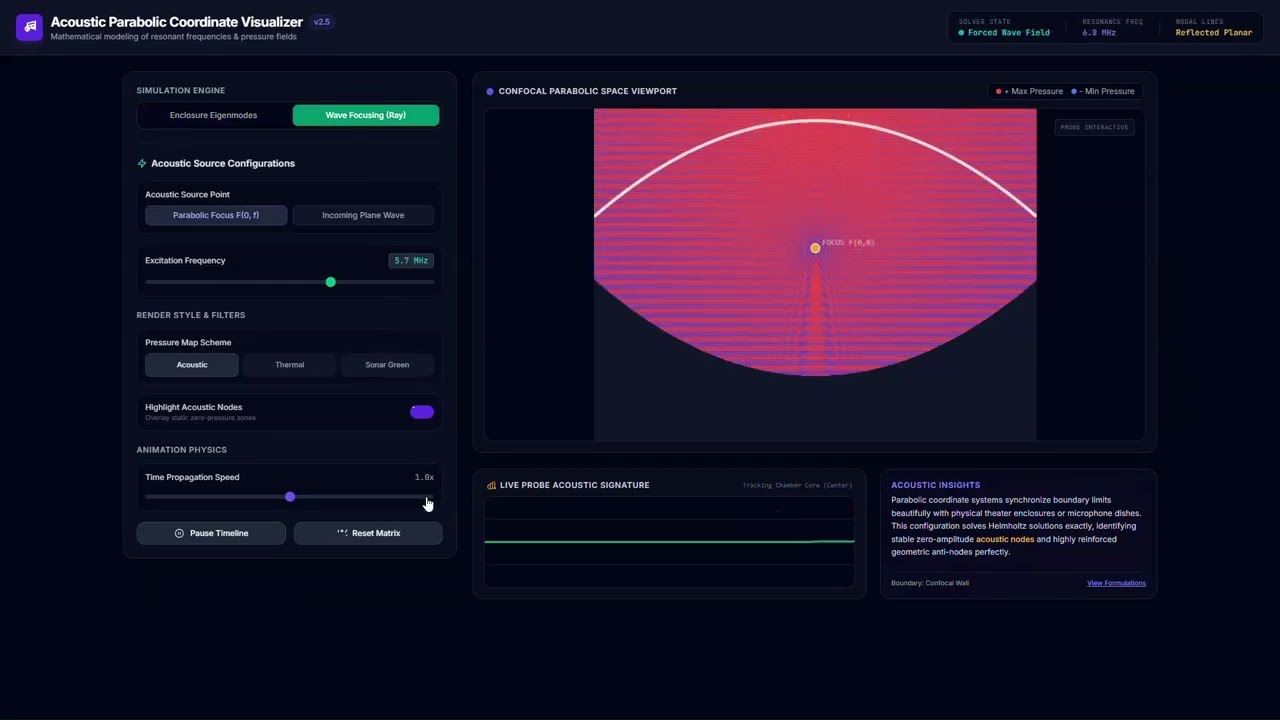
2. Acoustic Simulations in Parabolic Coordinates.html
3. Aerodynamic Flow & Lift in Parabolic Coordinates Simulator.html
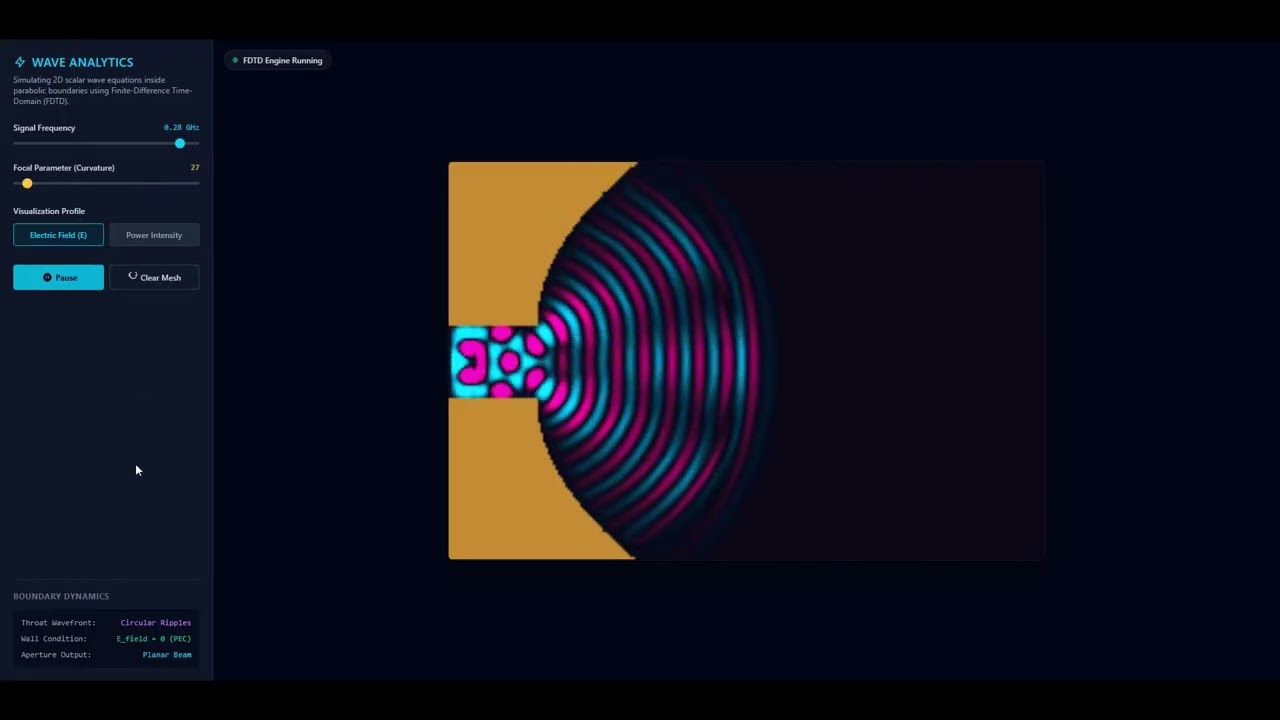
4. Antenna Parabolic Diffraction Simulator.html
5. Hydrogen Stark Effect Simulator.html
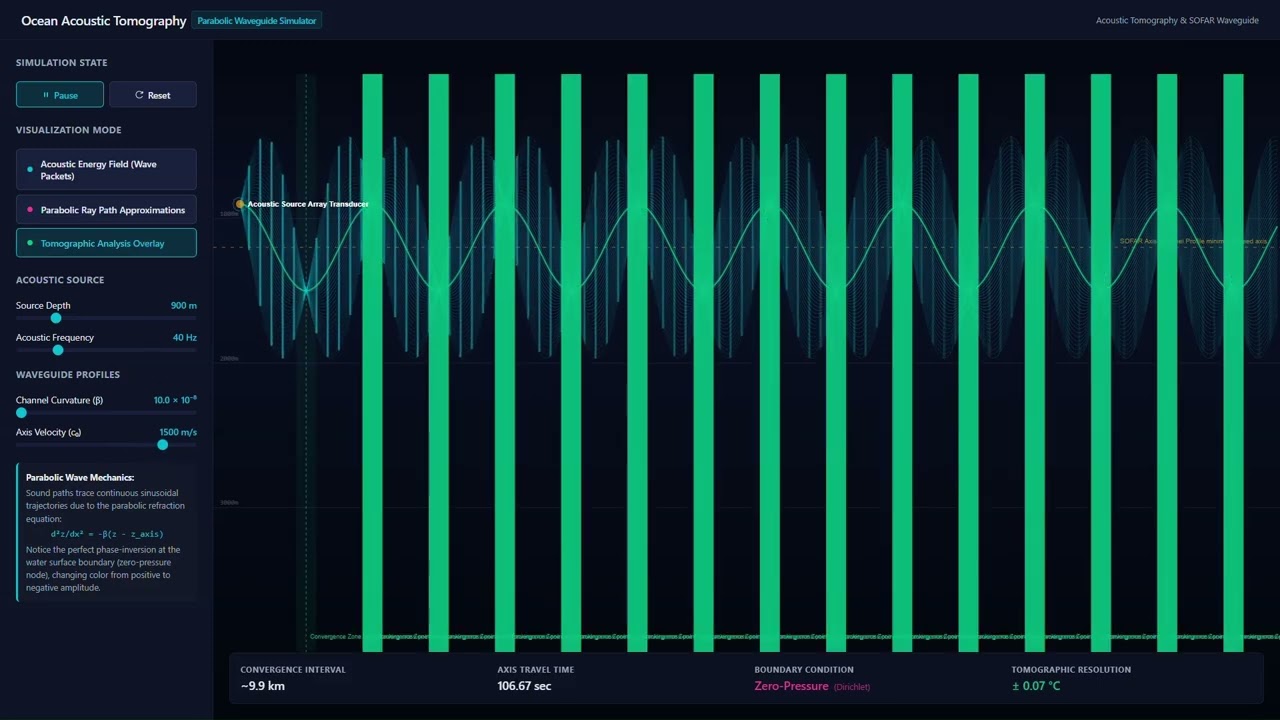
6. Ocean Acoustic Tomography & SOFAR Channel Waveguide Simulator.html
7. Off-Axis Parabolic Mirror & Caustic Simulation.html
8. Parabolic Antenna Wave Simulator.html
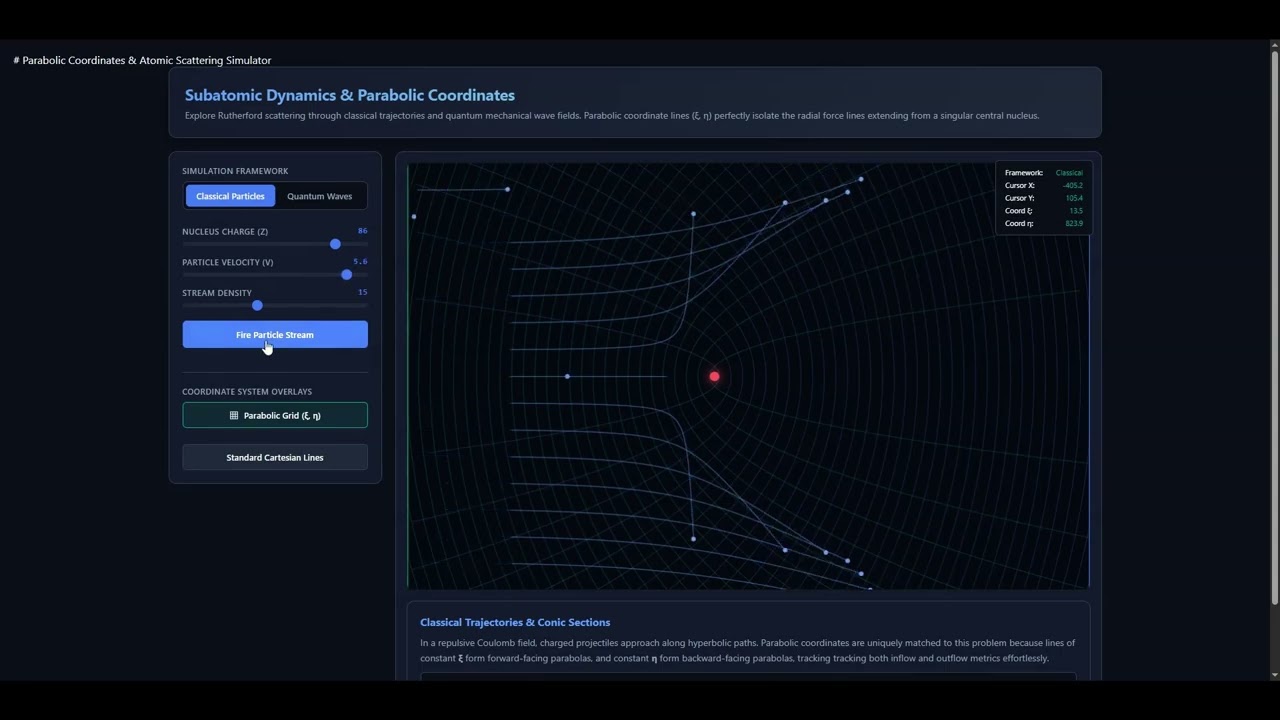
9. Parabolic Coordinates & Atomic Scattering Simulator.html
10. Parabolic Coordinates & Potential Scattering Simulator.html
11. Parabolic Coordinates & Quantum-Classical Orbit Simulator.html
12. Parabolic Coordinates Aerodynamics & Thermal Simulator.html
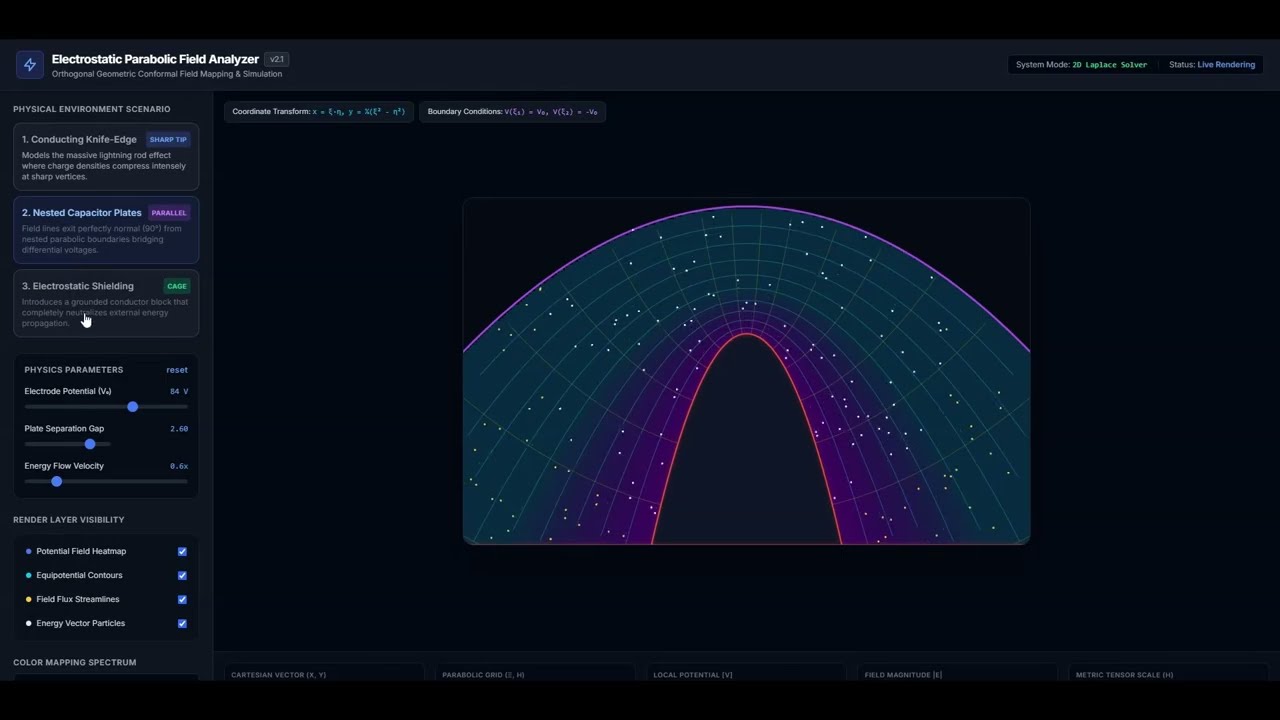
13. Parabolic Coordinates Electrostatics Simulation.html
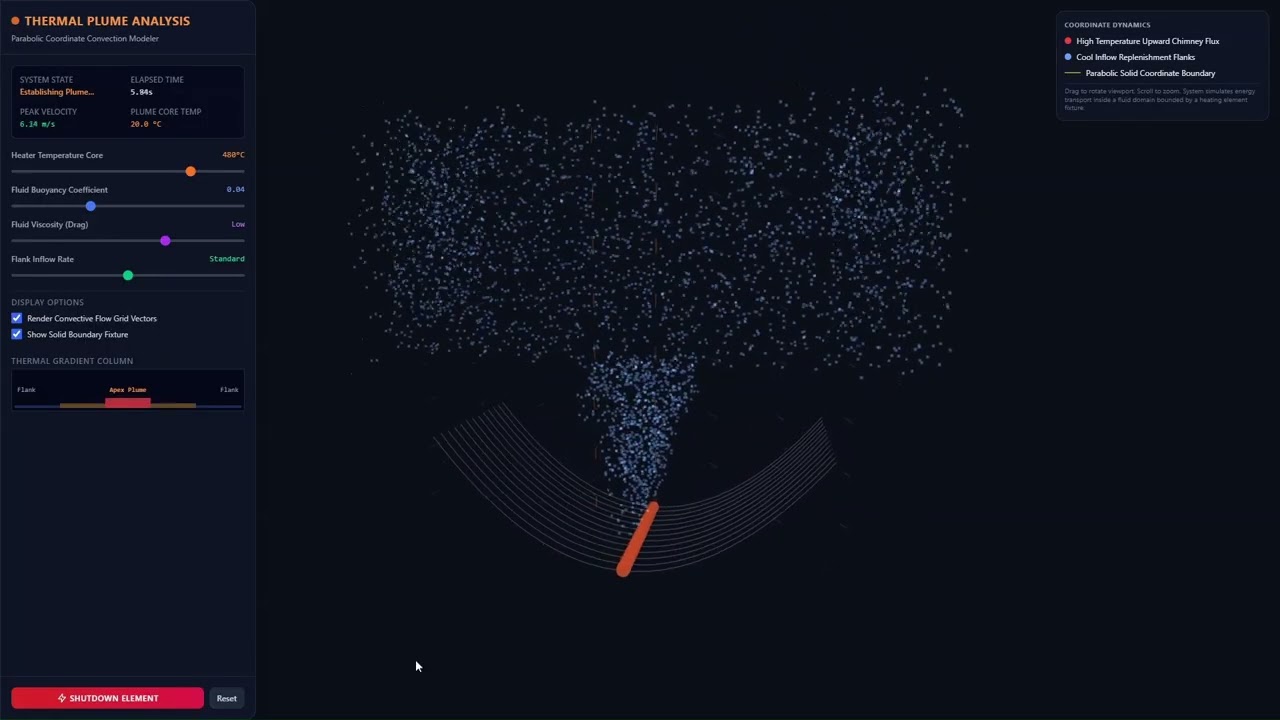
14. Parabolic Coordinates Thermal Convection & Fluid Dynamics Simulation.html
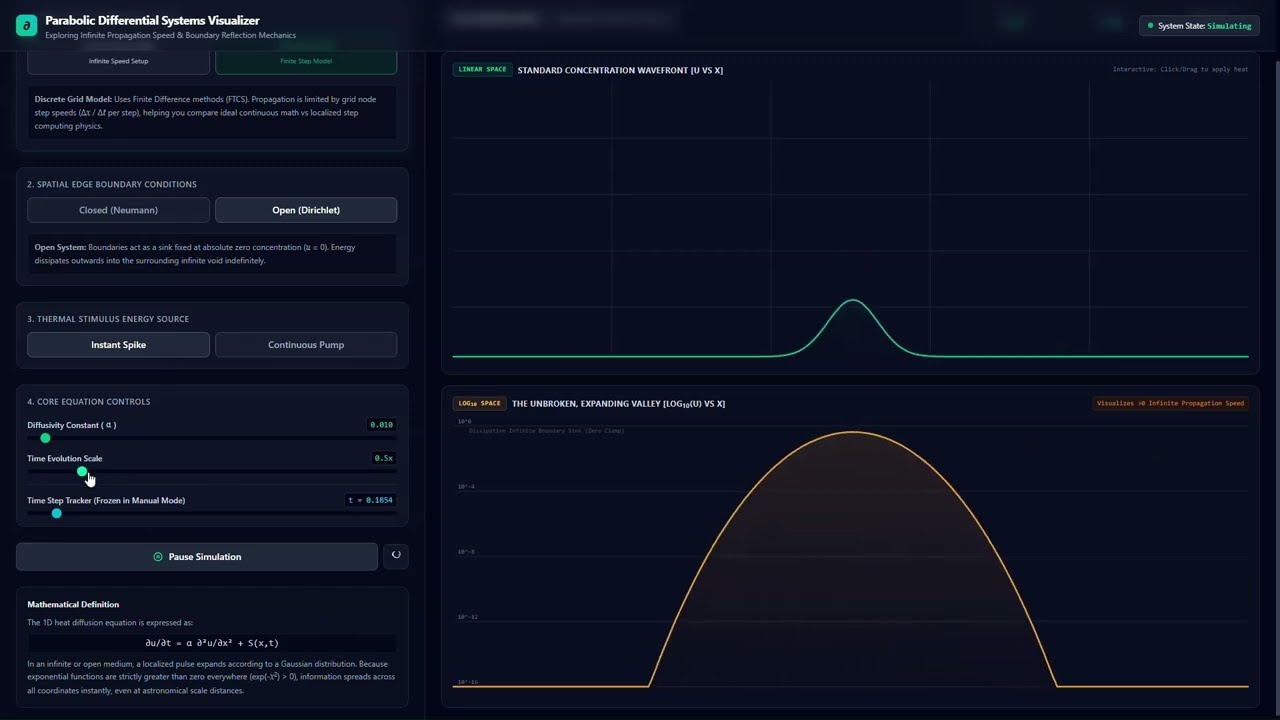
15. Parabolic Diffusion & Source Terms Simulation.html
16. Parabolic Option Surfaces & Free Boundary Visualizer.html
17. Parabolic PDE Relaxation Simulator.html
18. Parabolic Systems & Heat Equation Simulation Dashboard.html
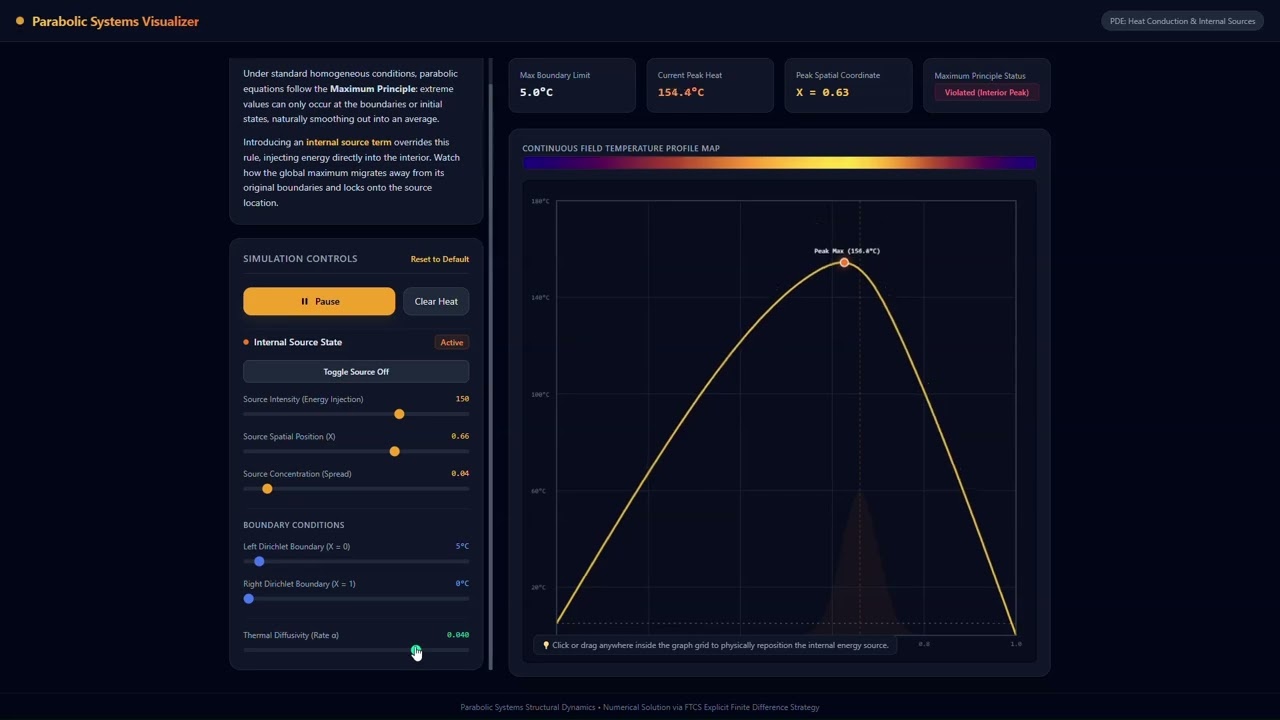
19. Parabolic Systems & Strong Maximum Principle Simulation.html
20. Parabolic Systems Time-Asymmetry Simulator.html
21. Parabolic Thermal Convection Simulator.html
22. Parabolic vs Hyperbolic Systems Visualizer.html
23. Quantum Dot Parabolic Coordinates Simulation.html
24. Weber Beams & Parabolic Vector Fields Simulation.html
Appendix
- Explanation
Relevant Document: Compute Parabolic coordinates-related properties