
LC-MS Course: Bioanalytical Method Development and ICH M10 Validation (50 Animated Video Lessons + Companion Book)
LC-MS COURSE
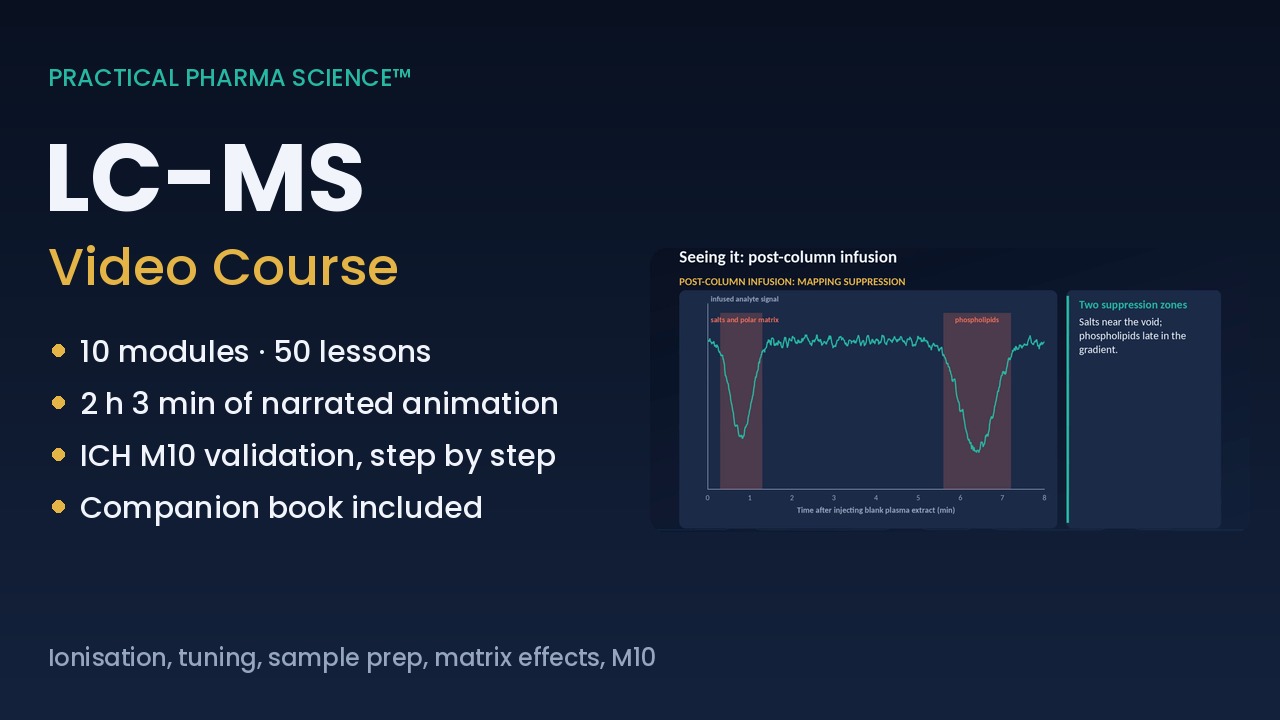
10 modules, 50 lessons, 2 h 3 min of video
Your calibration line looks perfect in solvent. In plasma, the signal drops by half and nobody can say why!
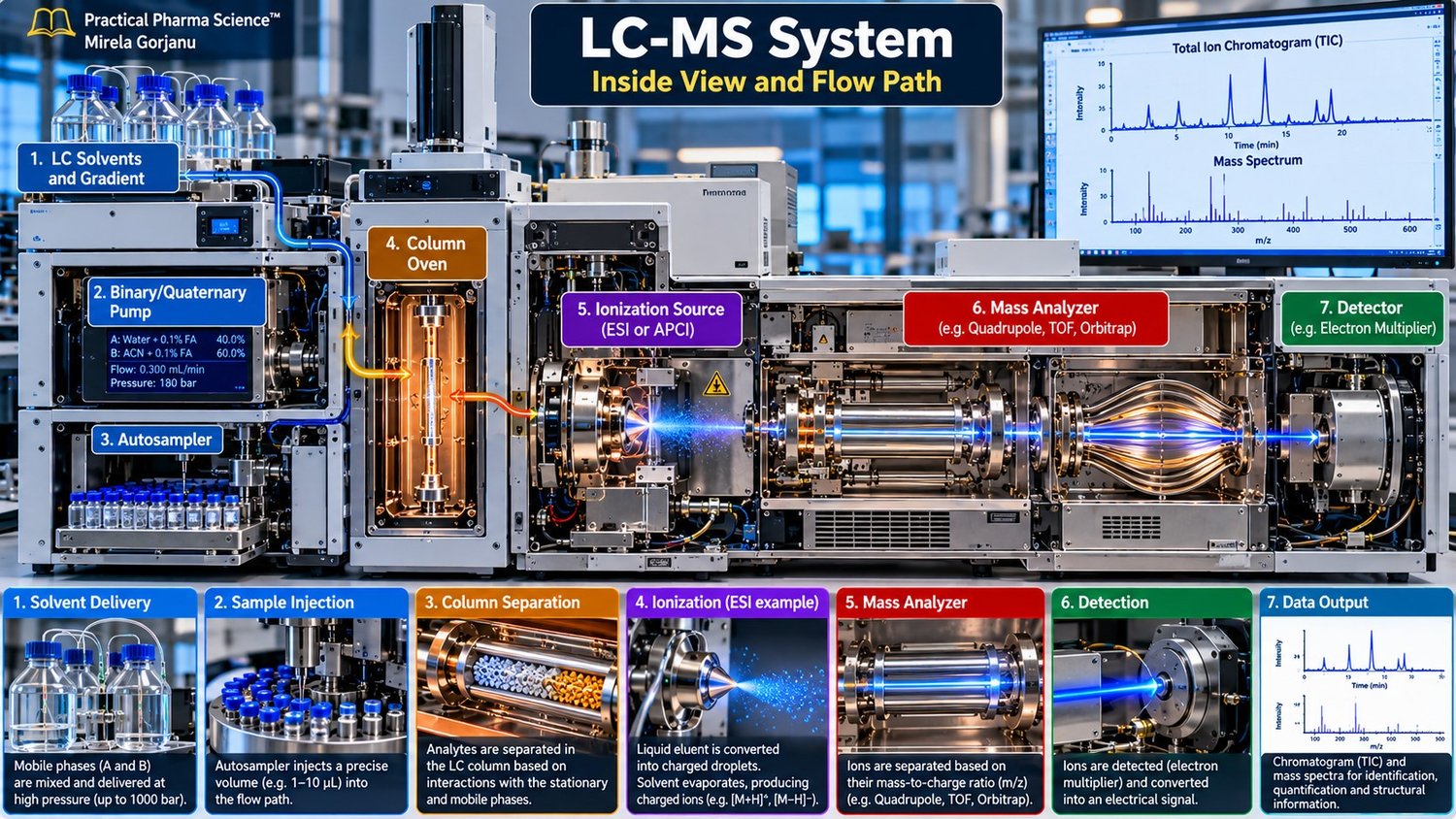
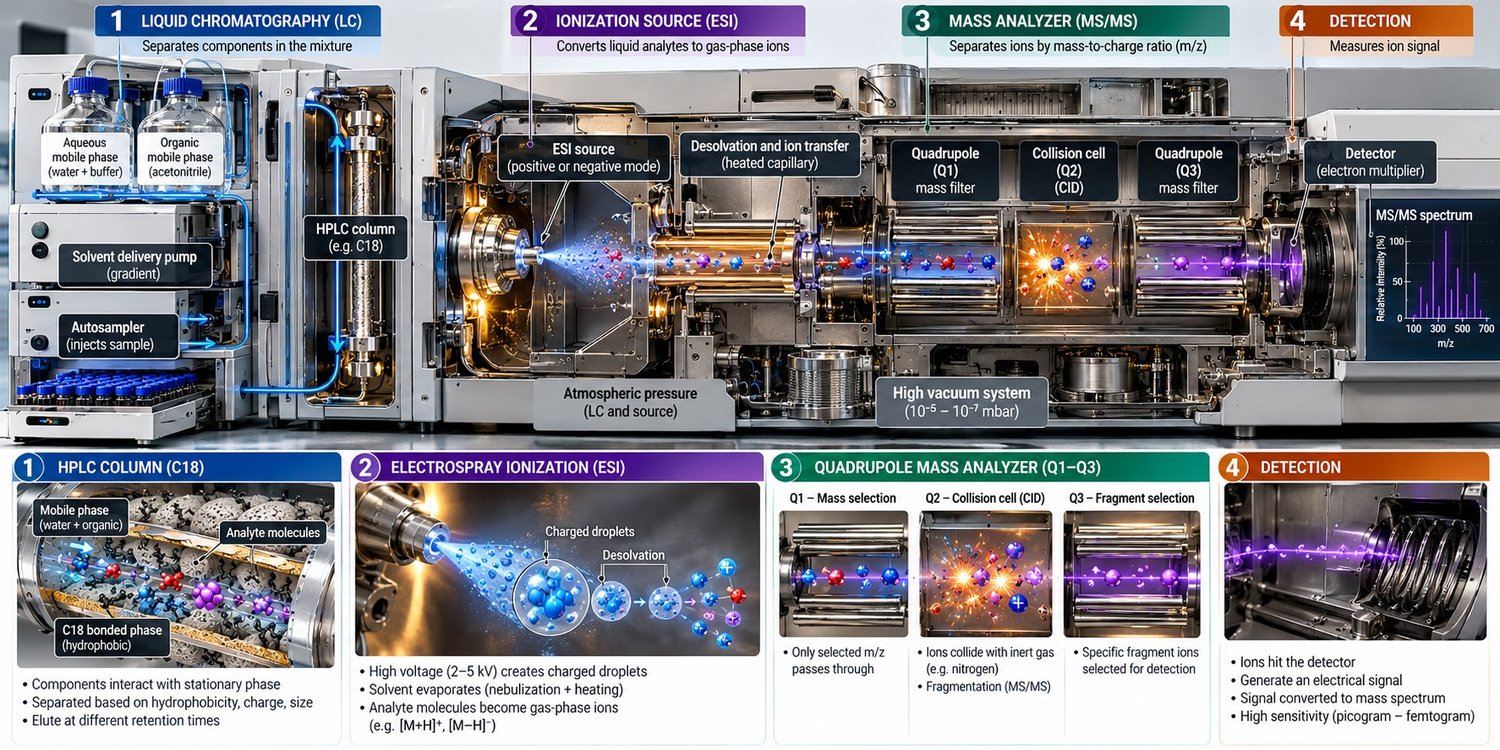
This course is about the part of LC-MS that the instrument manual leaves out: why ions form or fail to form, where the matrix steals your signal, and how to build a method that survives ICH M10.
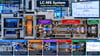
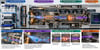
It is 50 short, narrated, animated lessons. You see droplets shrink and release ions in the electrospray source, precursors fragment in the collision cell, a post-column infusion trace dip where phospholipids elute, and a calibration curve change when you weight it properly.
It covers ionisation (ESI, APCI, APPI), mass analysers from the triple quad to Q-TOF and Orbitrap, MRM tuning, LC conditions that the source can tolerate, protein precipitation, LLE, SLE and SPE, matrix effects measured the M10 way, method development in plasma with a worked dataset, full ICH M10 validation including ISR, and a troubleshooting system for sensitivity, internal standard response, carryover and chromatography. It ends with a capstone and a final exam with a model answer.
Who it is for: bioanalytical scientists, CRO and DMPK analysts, and HPLC analysts moving to mass spectrometry.
What you get
- 50 narrated, animated lessons, 2 h 3 min in total, 1080p, yours to keep once you buy it
- 10 modules, from ionisation to a full ICH M10 validation
- Worked plasma dataset, calibration weighting and acceptance criteria
- 12 troubleshooting cases and a matrix for the problems you will actually meet
- Capstone review, final exam and model answers
- Companion book (PDF): every lesson in print, with figures
Free preview: watch Lesson 6.2, Seeing it: post-column infusion, before you buy.
Note: the hands-on lessons demonstrate Practical Pharma Science tools and templates. Those tools are not included in the course; several are free at practicalpharmascience.com/tools and the rest are sold separately.
Course content: 10 modules, 50 lessons, 2 h 3 min of video
Module 1 · Ionisation (5 lessons, 15 min)
- 1.1 Why LC-MS/MS
- 1.2 Electrospray: how it works
- 1.3 The ions you will actually see
- 1.4 APCI and APPI, and how to choose
- 1.5 When ionisation fails
Module 2 · Mass analysers (5 lessons, 13 min)
- 2.1 The quadrupole and the triple quad
- 2.2 Scan modes and when to use them
- 2.3 High resolution: Q-TOF and Orbitrap
- 2.4 Choosing the right analyser
- 2.5 Hands-on: the Interpretation Toolkit
Module 3 · MRM tuning and spectrum interpretation (5 lessons, 13 min)
- 3.1 The tuning workflow
- 3.2 Choosing transitions
- 3.3 Dwell time, cycle time and points per peak
- 3.4 Internal standards
- 3.5 Hands-on: reading product ion spectra
Module 4 · LC conditions that work with MS (4 lessons, 10 min)
- 4.1 What the source can tolerate
- 4.2 Additives, pH and signal
- 4.3 Columns, flow and the divert valve
- 4.4 Hands-on: the Mobile Phase Checker
Module 5 · Sample preparation (5 lessons, 12 min)
- 5.1 Why prepare samples, and how to measure it
- 5.2 Protein precipitation
- 5.3 Liquid-liquid and supported liquid extraction
- 5.4 Solid-phase extraction
- 5.5 Choosing a technique: three case studies
Module 6 · Matrix effects (5 lessons, 12 min)
- 6.1 What matrix effects are
- 6.2 Seeing it: post-column infusion
- 6.3 Measuring it: matrix factor and ICH M10
- 6.4 Reducing it: the mitigation hierarchy
- 6.5 Hands-on: Matrix Effect guide cases
Module 7 · Method development in plasma (5 lessons, 11 min)
- 7.1 Start from the study, not the instrument
- 7.2 A development plan that works
- 7.3 The calibration model and weighting
- 7.4 Worked dataset: drug Y in human plasma
- 7.5 Pre-validation checks and the method document
Module 8 · Validation to ICH M10 (6 lessons, 14 min)
- 8.1 ICH M10: scope and types of validation
- 8.2 Selectivity, specificity, carryover and crosstalk
- 8.3 Calibration, accuracy and precision
- 8.4 Dilution integrity and stability
- 8.5 Study sample analysis and ISR
- 8.6 Hands-on: M10 templates and the Compliance Kit
Module 9 · Troubleshooting (6 lessons, 14 min)
- 9.1 Divide and conquer: LC, MS or sample?
- 9.2 Sensitivity problems
- 9.3 Internal standard response problems
- 9.4 Carryover and interference
- 9.5 Chromatography problems in LC-MS
- 9.6 Module 9 recap and troubleshooting matrix
Module 10 · Capstone (4 lessons, 8 min)
- 10.1 The capstone brief
- 10.2 Finding 1: accuracy and precision at the LLOQ
- 10.3 Findings 2 and 3: stability and ISR
- 10.4 Your capstone, the final exam and the course wrap-up
Expand Your Learning
YouTube Channel: Watch step by step educational videos at YouTube/@PracticalPharmaScience.
