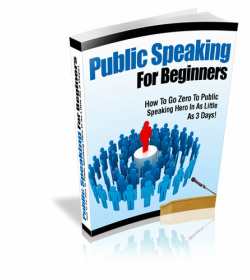

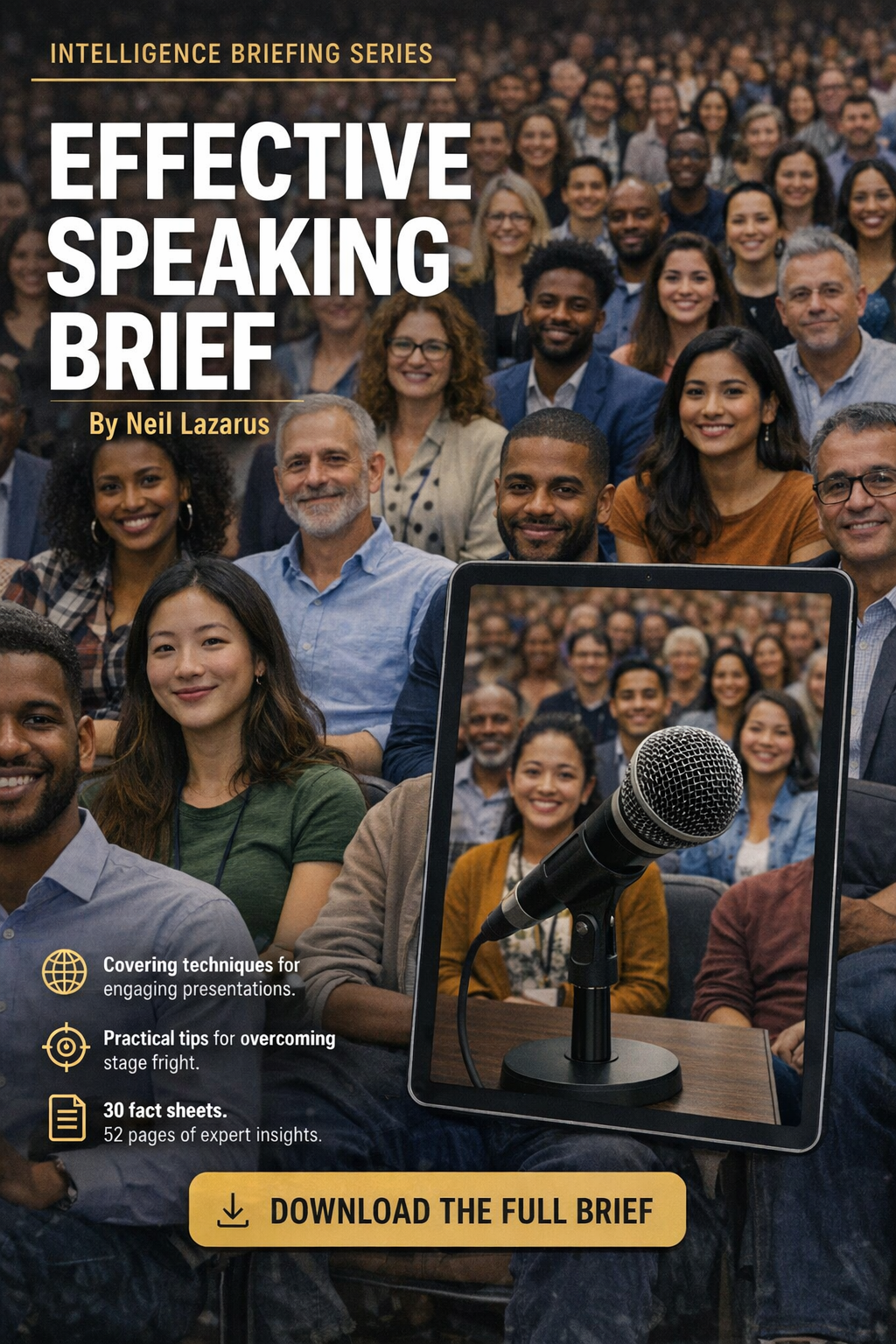
Public Speaking Brief Sheets
On Sale
ILS50.00
₪50.00
End Your Speaking Nightmares
The next time you stand up to speak, whether it’s a high-stakes board meeting, a keynote address, or a wedding toast, the audience will decide your worth in the first ten seconds. Will they lean in, or will they check their phones? Most speakers waste those precious moments. Don't be "most speakers."
Stripped-Down, Layman’s Terms
This isn't academic fluff; it is the working method used to coach diplomats, executives, and broadcasters across five continents.
- No Jargon: No diagrams of communication models or complex theory.
- The 2-Minute Rule: Each briefing is a single, self-contained fact sheet you can read in two minutes and apply the same day.
- The Structure: Every sheet provides a clear path: The Problem (why beginners fail), The Fix (the principle), Concrete Actions, and a Drill to do tonight.
Invest in yourself
The "Effective Speaking" Fact Sheet Series
You are getting 20 short briefings organized into a masterclass of professional communication:
- Part 1: Head Games: Taming nerves by renaming "panic" as "enthusiasm".
- Part 2: Look and Sound: Mastering eye contact, hand gestures, and vocal variety to avoid the "robot voice".
- Part 3: Content Mastery: The "Grand Opening" that skips boring introductions and "Storytelling" that makes messages human.
- Part 4: Tech & Mechanics: Using slides as a "soundtrack" rather than a crutch, and surviving the dreaded Q&A.
- Part 5: Pro-Level Tricks: Using the "Rule of Three" and "Past-Present-Future" structures to look prepared even when you're improvising.
The Urgency: The 2026 Radar for Nonsense
Audiences in 2026 have a finely tuned radar for "phoney" speakers. In the age of group chats and instant reviews, the phrase "that speaker felt fake" is the kiss of death. You cannot afford to "wing it" and risk your credibility.
Start today. Two hours from now, you will be a different speaker.
Use the map, master the room, and make your final words stay in their minds.