
Adverse Childhood Experiences: Trauma-Informed Care Guide
On Sale
£3.25
£3.25
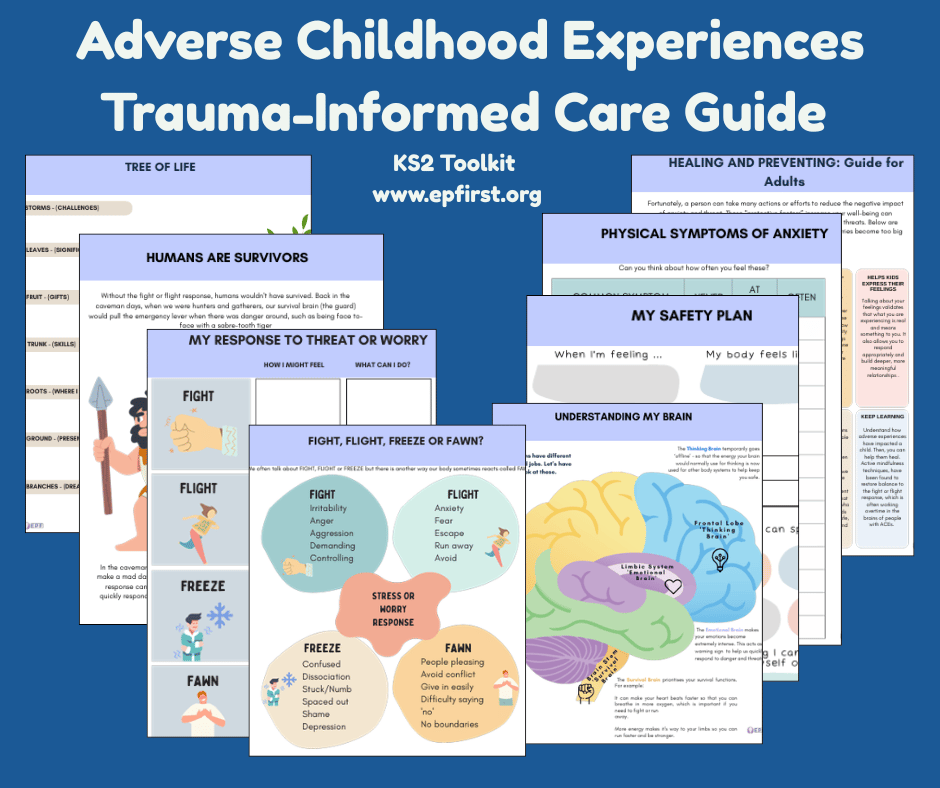
This 22-page comprehensive digital workbook is a trauma-informed resource designed to help children (KS2 and above) understand the impact of "Stormy Weather" (Adverse Childhood Experiences) and develop robust emotional regulation skills.
This trauma-informed workbook is designed to help children navigate the impact of Adverse Childhood Experiences (ACEs) by combining neurobiology with creative, interactive activities .
Here is a summary of what is inside the toolkit:
Exploring Your Story
- Stormy Weather Metaphor: An introduction to "Tough Times and Stormy Weather," helping children distinguish between "Sunshine Days" and "Stormy Years" in their past .
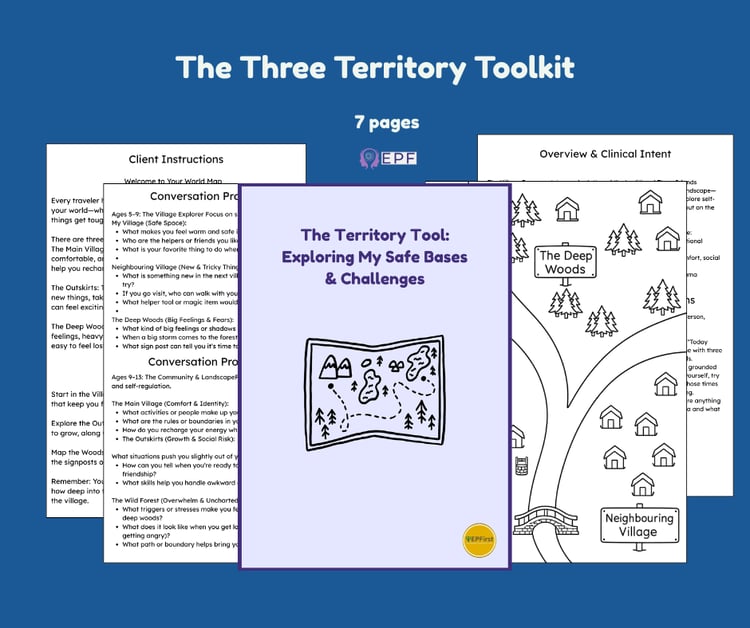
- The Tree of Life: A multi-page creative project where children explore their Roots (ancestry/past), Trunk (skills), Ground (present life), and Branches (dreams and wishes) .
- Reflection Prompts: Deep-dive questions about significant people (Leaves) and the personal gifts or strengths (Fruit) they have developed.
Understanding the Brain
- The Brain: A child-friendly breakdown of the Thinking Brain (Frontal Lobe), Emotional Brain (Limbic System), and Survival Brain (Brain Stem) .
- The Security Guard: A metaphor explaining how the Survival Brain acts as a guard who pulls an "emergency lever" to keep the child safe when danger is sensed .
- Brain Rewiring: An explanation of how chronic stress can temporarily turn off the Thinking Brain so energy can be redirected to survival systems.
The Fight, Flight, Freeze, and Fawn Responses
- Survival Superpowers: Descriptions of the body’s natural reactions to threat, using a caveman and sabre-tooth tiger analogy to explain why these responses exist .
- Physical Symptom Checklists: Interactive pages to identify anxiety symptoms like "jelly legs," "heart beats fast," or "butterflies in the tummy" .
- The Four Responses: Detailed definitions of Fight (anger/aggression), Flight (anxiety/escape), Freeze (numbness/dissociation), and Fawn (people-pleasing/avoiding conflict) .
- Body Awareness: A comprehensive grid for children to check off exactly how they feel during each specific survival response .
Personal Regulation Tools
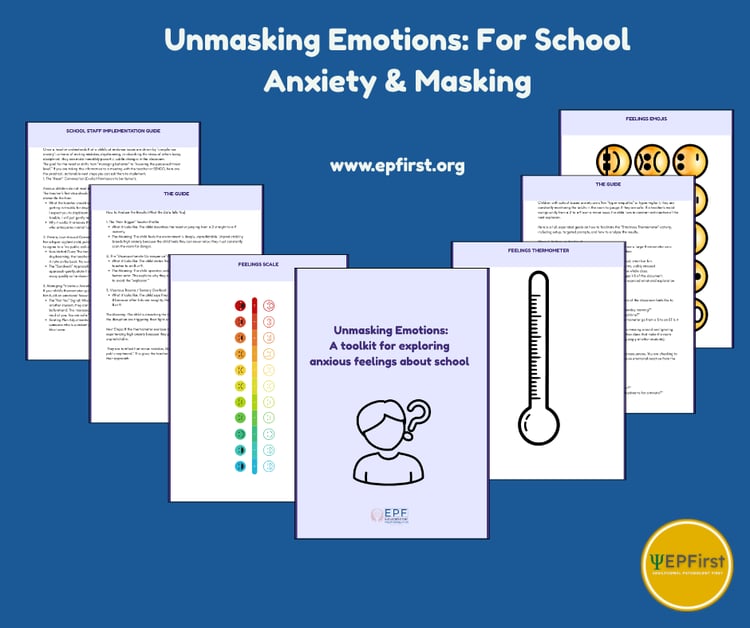
- Anxiety Rating Scale: A 0–100 scale for children to log specific triggers and identify the intensity of their worries .
- My Support Hand: A visual tool to help children identify five trusted adults they can talk to when things feel heavy
- My Safety Plan: A personalized template to record physical warning signs, coping skills, and safe places to go .
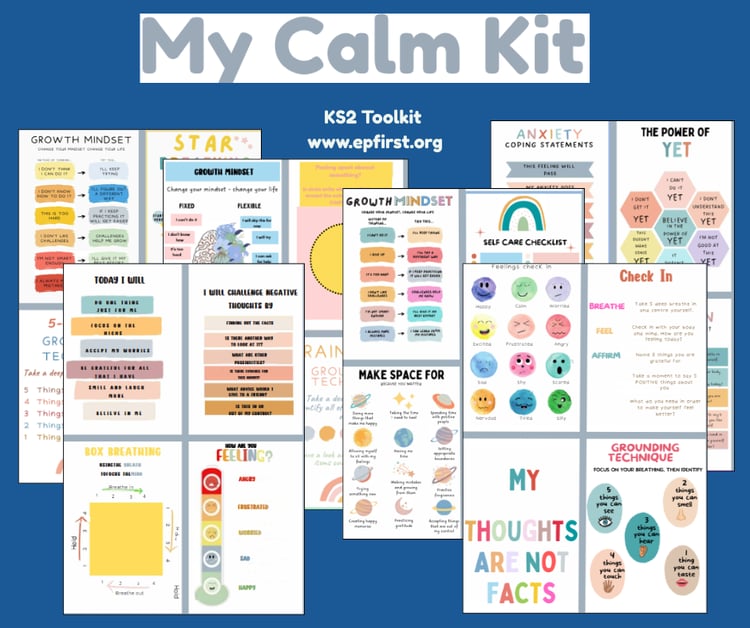
- Self-Care Menu: A list of practical ideas for self-regulation, including mindfulness, social media detox, decluttering, and gratitude .
- Feelings Tracker: A monthly spiral tracker to help children visualize their emotional patterns over time .
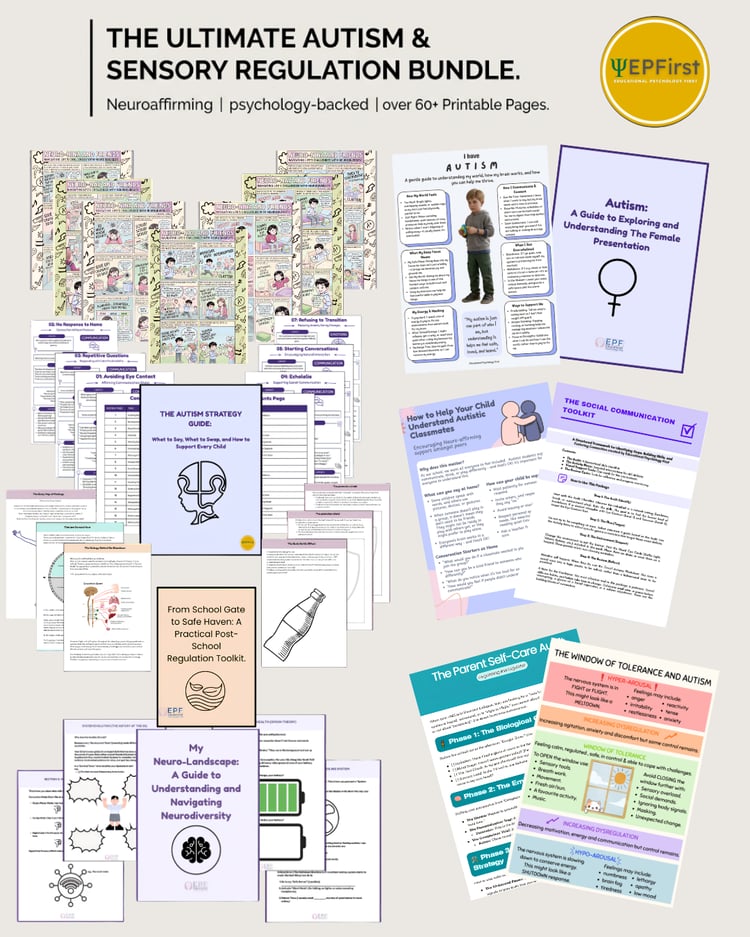
Adult Support Guide
- Protective Factors: Strategies for adults to help "insulate" children from stress, such as eye contact, 20-second hugs, and intentional play .
- Connection Strategies: Guidance on the importance of slowing down, apologising to children, and showing up emotionally to help them feel seen and secure