
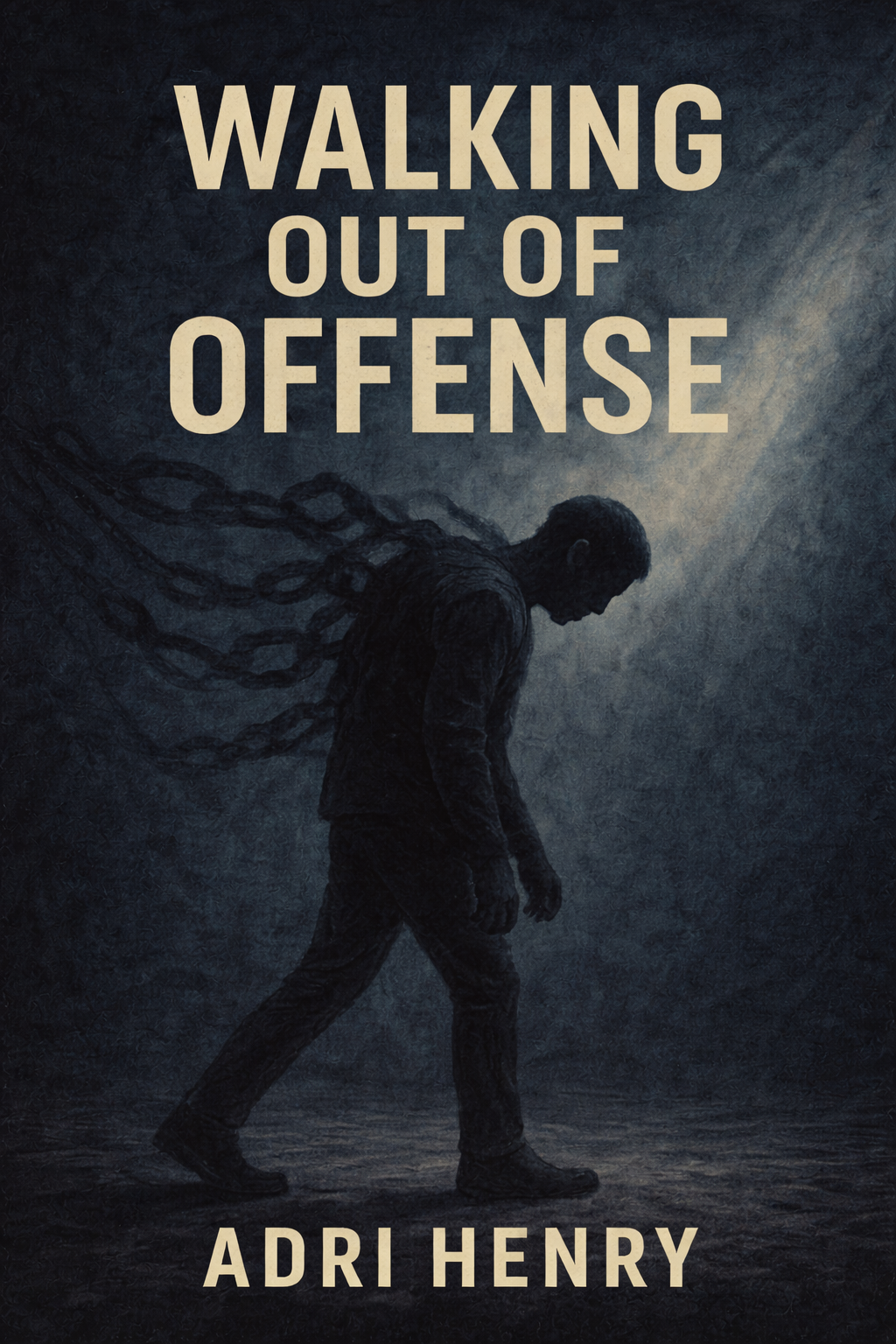

Walking Out Of Offense
Introduction
Walking Out Of Offense
Offense is one of the most subtle yet destructive forces at work in human relationships, spiritual growth, and personal healing. It rarely announces itself loudly. Instead, it whispers—You were disrespected. You were overlooked. You were misunderstood. And when these whispers are believed and rehearsed, offense quietly becomes a way of life.
Walking in the spirit of offense is not simply about being hurt. Hurt is human. Offense is what
happens when pain is given permission to take the lead. It is a posture of the heart that interprets life
through woundedness, pride, and self-protection. When offense governs the inner life, everything
becomes personal, every disagreement feels like rejection, and every correction feels like an attack.
This spirit distorts identity. Instead of standing firmly in who God says we are, we begin defining
ourselves by how others treat us. We carry a victim mindset, replay conversations, and attach our
worth to external validation. Over time, offense reshapes how we see ourselves—and not for the
better.
Offense also poisons relationships. It builds invisible walls where connection should be. Trust
erodes. Grace diminishes. Communication breaks down. People begin walking on eggshells, unsure
of what might trigger another wound. Intimacy cannot thrive where offense is protected.
Spiritually, offense dulls discernment. The voice of the Holy Spirit becomes harder to recognize
because conviction feels like condemnation and correction feels like rejection. Pride grows louder
than humility, and growth stalls—not because God has stopped working, but because offense resists
transformation.
Left unchecked, offense sabotages opportunities. God-sent relationships are rejected. Mentors are
dismissed. Open doors are closed by suspicion. Favor is mistaken for threat. What was sent to help
is pushed away because offense convinces the heart it is being dishonored.
Perhaps most tragically, offense keeps wounds unhealed. It seals pain instead of releasing it. It
rehearses memories instead of surrendering them. Healing cannot fully take root where offense has
made a home.
Offense is the seed; bitterness is the tree; resentment is the fruit. What begins as a single hurt can
grow into a worldview that colors how we see people, leadership, relationships, and even God.
Scripture calls offense a snare—a trap designed to keep us bound while convincing us we are
justified.
This book was written to expose that snare.
It is an invitation to examine where offense has taken root, how it has shaped reactions and relationships, and what it costs when it goes unchallenged. More importantly, it is a call to freedom —to healing that does not deny pain but refuses to live enslaved by it.
You cannot grow beyond the wounds you refuse to release. But you can be healed, restored, and
free when offense no longer has the final word.