
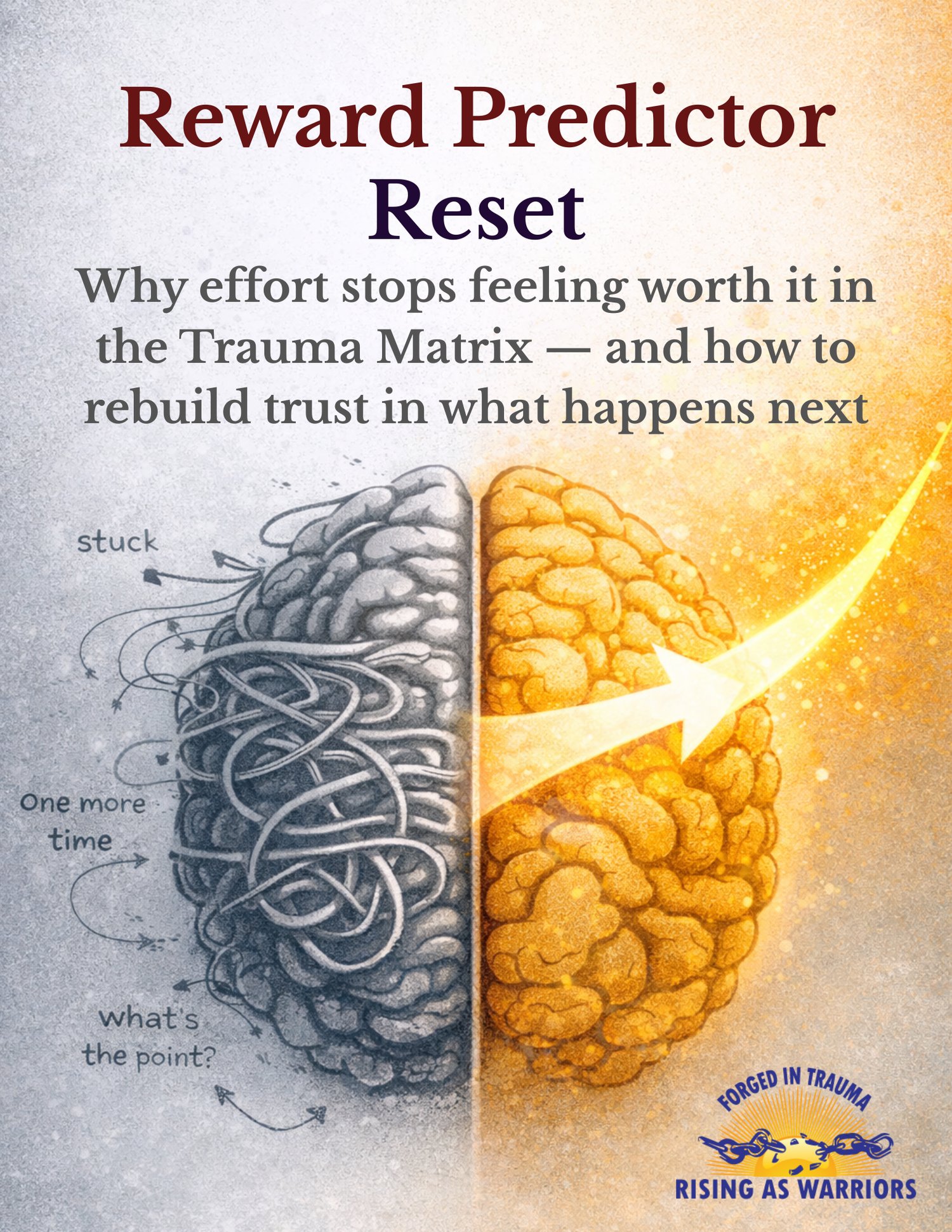
Reward Predictor Reset
Why effort stops feeling worth it in CPTSD — and how to rebuild trust in what happens next
Why do I do some of the things that I do?
If you live with CPTSD, you may find yourself stuck in patterns like:
- shutting down before you start
- pushing until you crash
- staying in “one more try”
- losing faith in effort
- feeling like reward never really lands
- wondering why some things feel dead before you even begin
This interactive mini-guidebook helps you finally understand why.
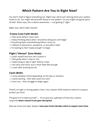
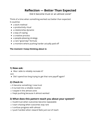
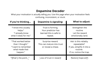
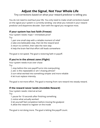
Using visual science maps, freeze/flight check-ins, reward predictor reflections, and a real-time dopamine decoder, this guide helps you understand what your brain has learned to expect from effort, reward, relief, and disappointment.
Instead of treating motivation as a character flaw, you’ll begin to see the deeper truth: your system has been learning from what emotionally lands — and what never gets to count.
That shift alone can loosen years of shame.
Inside this interactive mini-guidebook
You’ll explore:
- why every habit has a motive
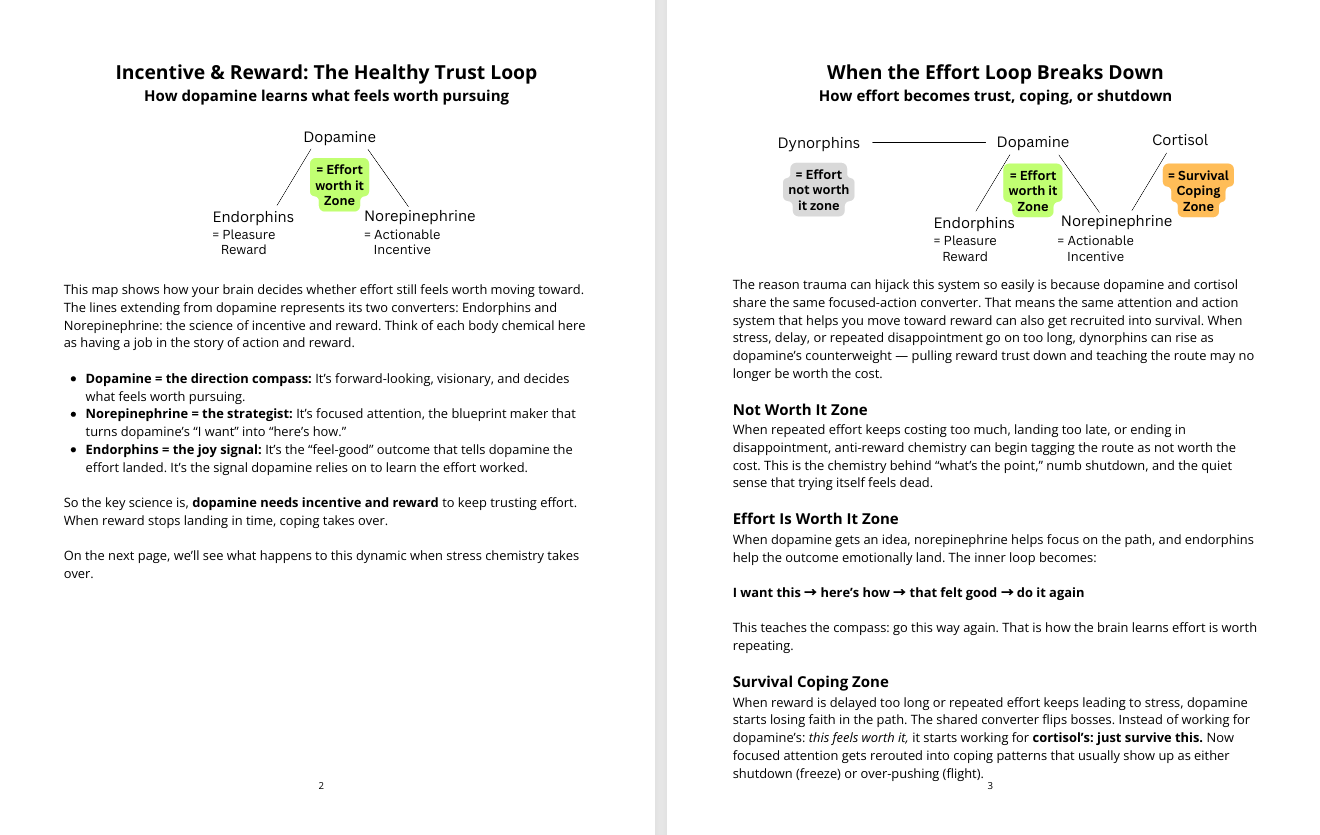
- the Dopamine Effort Map
- how effort flips into survival coping
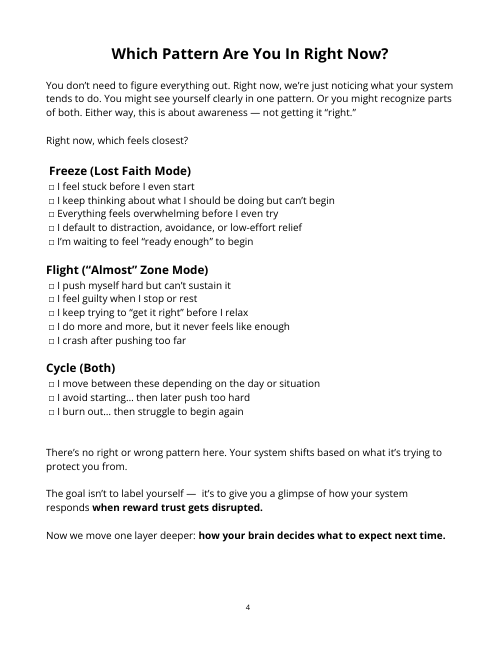
- freeze vs “almost zone” flight patterns
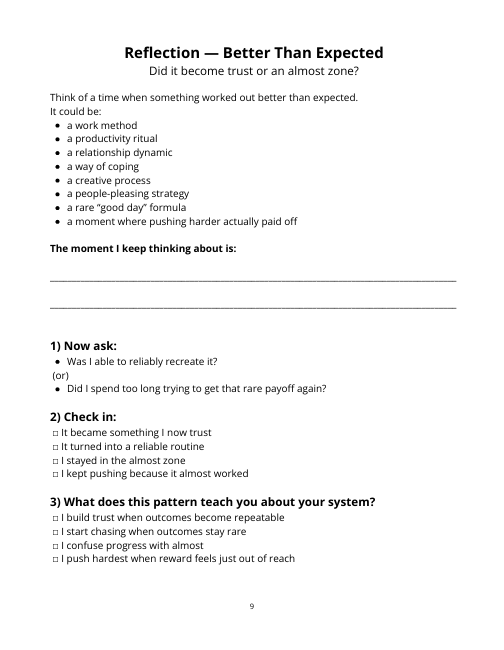
- the 3 reward predictor settings
- the hidden trap of intermittent payoff chasing
- invisible rewards that never emotionally register
- a weekly reward trust anchor
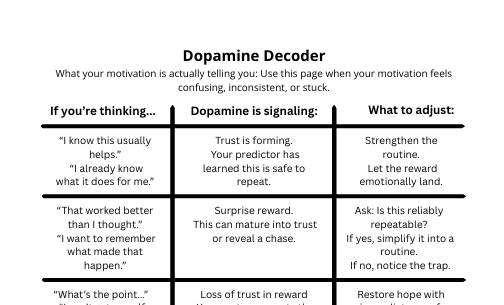
- the Dopamine Decoder tool
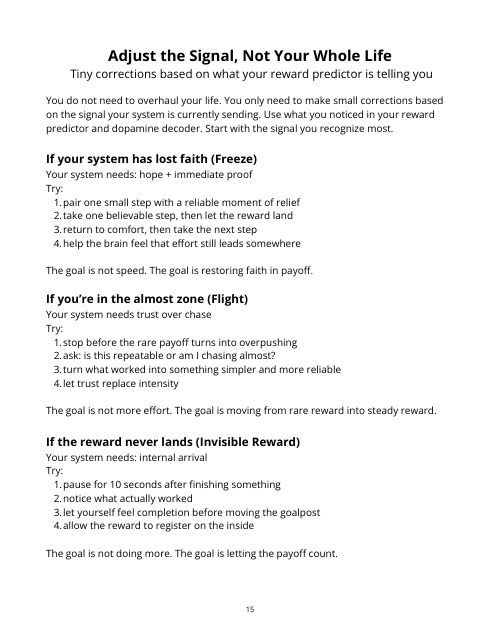
- tiny signal corrections that help trust return
This interactive mini-guidebook is the clarity phase of the Reward Rebuild system—helping you understand what your brain currently expects effort to lead to before you retrain the loop.
Best for CPTSD survivors who:
- feel stuck before starting
- overwork until burnout
- struggle with “not enough”
- lose momentum when payoff is delayed
- keep chasing rare breakthroughs
- feel like motivation comes and goes randomly
- want science-based clarity without shame
What makes this different
This is not a productivity guide.
It’s not a motivation pep talk.
And it’s not a journaling-heavy workbook.
It’s a science-based interactive mini-guidebook that helps you recognize the exact loops your reward system has been running — so you can stop moralizing your habits and start understanding them.
That understanding is what prepares your system for the next layer: interrupting the old loop and retraining what happens next
16 pages of content.