

Attending to Anxiety (A2A) Group for Primary Age Children
My background is as a Paediatric Occupational Therapist as well as a Certified Transactional Analyst Psychotherapist led to the development of these group sessions that effectively work with children's anxiety, suitably primary age children (5-11). My background is informed by developmental disorders, autism and working in mental health services for children and adolescents for the past 14 years as an OT. I have completed postgraduate study in infant mental health, suicide research and prevention and autistic spectrum disorders and more recently finished my Masters in Health Science. My career spans 20+ years and in that time, I have developed resources that may be of value to others working with children, adolescents and adults. These anxiety resources grew from the effects of the Christchurch earthquakes whereby many children experienced significant anxiety after the fact and services were stretched to support all the needs. I therefore went into schools to offer this group, that is underpinned by Transactional Analysis.
GROUP PROPOSAL
Since the earthquakes in Christchurch, there has been a lot of interest in the impact this will have long term for some of the children and anxiety is often residual after such a disaster. Anxiety can also be present due to a number of other existential factors in the child’s home and family environment and part of their character and commonly anxiety co-exists with being neurodivergent. Anxiety is an emotion just like any other that can be valuable and positive and sometimes it can negative and hindering. When anxiety is excessive and consuming of our thoughts and feelings it can start to sabotage our full potential and potency as a child. It becomes intrusive and disruptive, and can be triggered just from our thoughts.
Humans are the only species on the planet capable of critically thinking about the future. The downside is that humans are also the only species capable of triggering a fear response when there is no immediate danger. Your child can be sitting peacefully at home and one simple worried thought about the future can throw their entire body into flight-or-fight mode. This is anxiety. If you have a child with anxiety, you know they worry about the future quite a lot. Children with anxiety are CONSTANTLY on high alert and seeking out danger even when there is no danger. They are unnecessarily putting themselves in fight or flight mode. This is why children with anxiety are nervous, jittery, moody, unfocused, need constant reassurance, don’t sleep well, are overly self-critical or hypersensitive. In short, they do not feel in control of their own worry.
The intended framework of this group is from psychiatrist Eric Berne’s Transactional analysis or TA, first developed in the late 1950s. According to the International Transactional Analysis Association, TA 'is a theory of personality and a systematic psychotherapy for personal growth and personal change'. Transactional Analysis represents and reflects more humanistic perspectives on personality and child development rather than analytic. Working with children in groups has both promotional (as in promoting positive mental health) and educational (e.g., teaching emotional literacy) functions as well as practical uses. Its main advantages include peer group interaction, modelling and feedback.
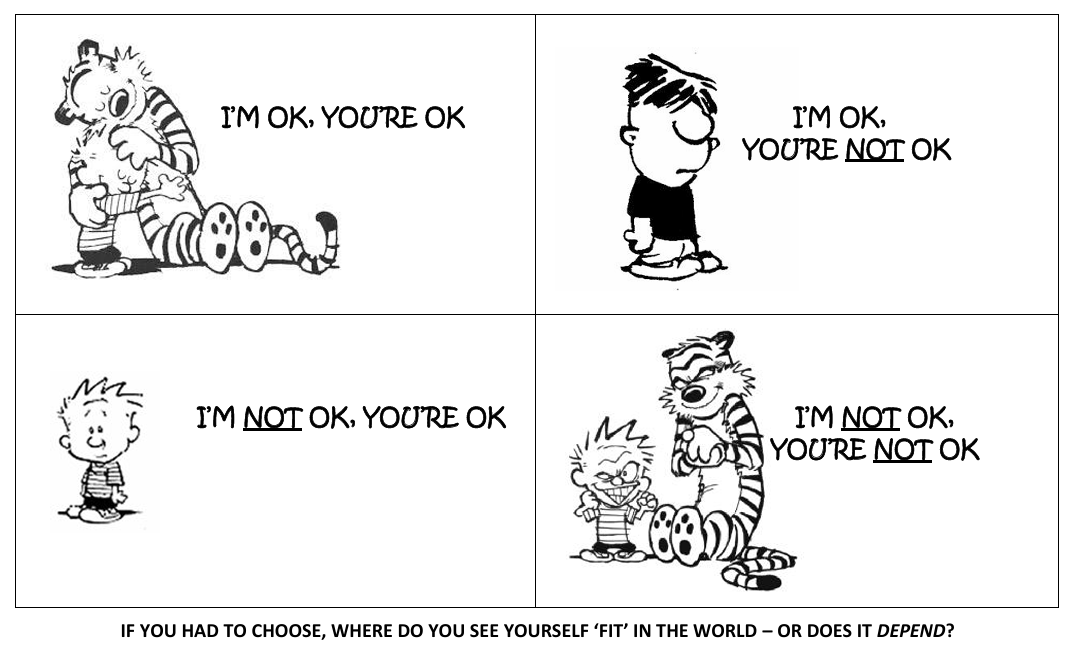
The focus of this Anxiety group would incorporate cognitive and educative strategies, shared experiences, exploration within relationship with the other, mindfulness and acceptance. The group would take place for an hour on a weekday afternoon for the duration of 6-8 weeks. Group size is best with 6 – 8 participants. This group is best suited for children who are aged from 7 years old and up. The group will provide a safe space by having structure, rules and the basic premise of ‘I’m OK, You’re OK’ (Bernes, 1966). It of course will mean that fundamentally parents are consulted with prior to the group commencing so as there is a shared understanding of the group content and objectives. Feedback is welcome and encouraged especially for what is being noticed home environments.
Suggested format/Letter to Parents:
Ideally it is recommended to meet with all concerned prior to the group commencing, involving parents/caregivers of the children and teachers. The purpose is to provide some information and ‘language’ that will be used in the group and with the children that can then be reiterated and supported at home. This is considered crucial for generalisation of the group content, into home, school and other contexts. Feedback/evaluation of the group should also be sought from participants and parents at the conclusion of the 8weeks.
Suggested letter to parents re. A2A Group:
When anxiety causes distress or interference that is much greater than anxiety experienced by other children of the same age, we see it being of great importance to offer a way to better manage anxiety and the impact on everyday life. (SCHOOL NAME) are providing the opportunity for your child to receive some extra support in a weekly group held at the school on a (DAY/TIME) for (DURATION). Your consent is necessary for your child to participate in the group, and any questions you may have are welcome.
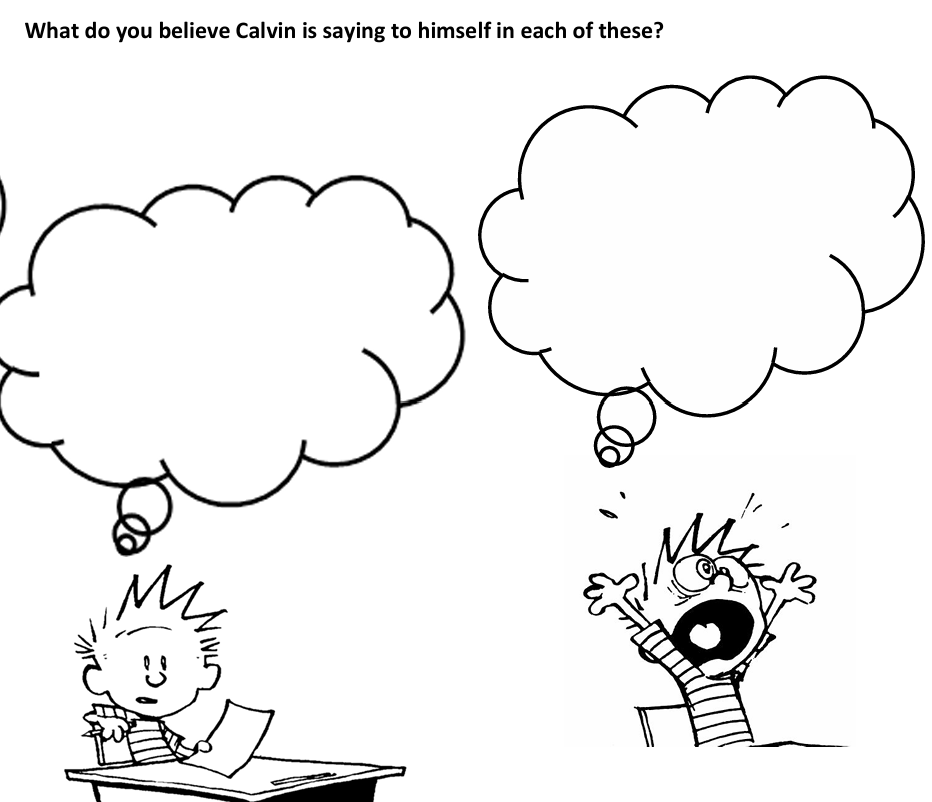
The group will provide a secure space by having structure, rules and the basic premise of ‘I’m OK, You’re OK’ (Bernes, 1966). Intervention for most anxiety issues in children will address four main areas. Firstly there is a psychoeducational aspect that explains to children how anxiety is triggered and maintained, and importantly, how feeling anxious can often not be a reflection of the actual degree of danger or likelihood of risk in a situation. Instead heightened anxiety is the result of the brain misreading and exaggerating risky situations that makes the child avoid in order to just survive. The objective here is to ‘challenge’ the initial internal ‘voice’ that screams “panic” and enourage an alternative internal conversation around what is a more accurate reflection of the situation.
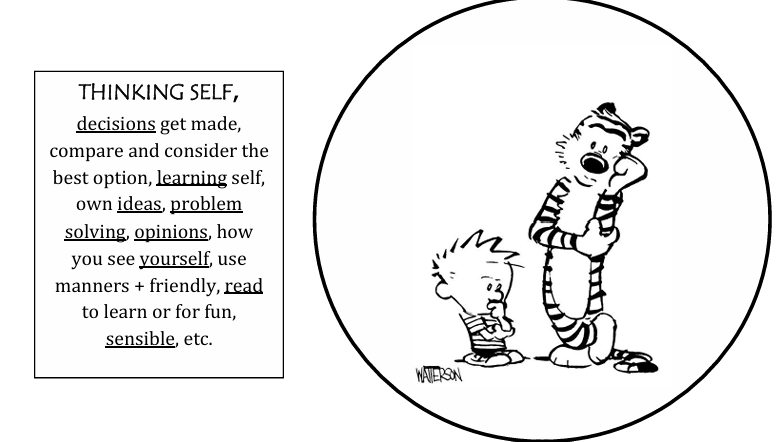
The following stages and sessions involve generating and evaluating the accuracy of one’s self-talk – their internal dialogue or appraisal of any situation they find potentially anxiety provoking. Visual aids and diagrams are used as well as experiential safe activities and exercises aimed at validation, humour and normalising expressing anxiety concerns. Finally, because anxious thinking riles up the body, children are taught belly breathing, mindfulness and relaxation techniques towards the end of each session.
An example of a group session may be –
o Warm up – establishing familiarity, potency and trust in the group
o Psychoeducative – information regarding the origins of anxiety, the purpose, the helpful and the hindering aspects of anxiety, strategies, normalising and validating
o Exercise/Activity/Game – to reinforce the learning or reflect on information provided
o Story with discussion and Belly breathing exercise – to close the group. At times there may be homework type tasks given.
Feedback is welcome and encouraged especially for what is noticed in the school and home environments. We hope that you take this opportunity however if you have concerns, please feel free to discuss these with us. As mentioned, anxiety can be pervasive and if left, disrupt learning, relationships and a child’s full potential.
Useful Resources + Readings –
Foxman, P. (2006). The Worried Child: Recognising Anxiety in Children and Helping them to Heal. United States. Hunter House Inc.
Andrews, T. (2014). How to Deal with Anxiety in Young Children: Help Your Child Gain Confidence and Enjoy Childhood to the Fullest. Createspace Publishers.
Huebner, D. (2005). What to Do When You Worry Too Much: A Kid's Guide to Overcoming Anxiety. Magination Press, (American Psychological Association).