
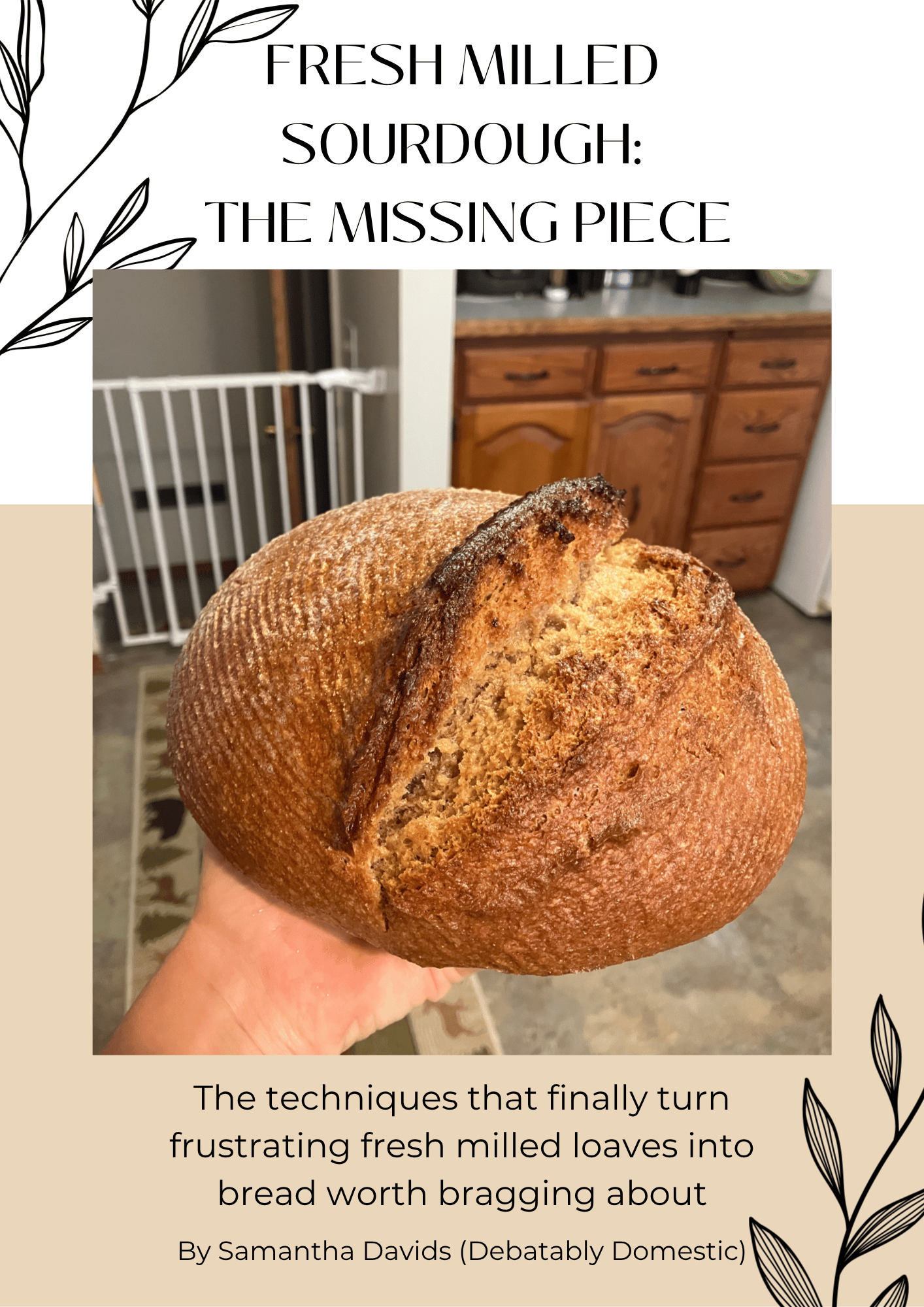

Fresh Milled Sourdough Guide
Finally make fresh-milled sourdough you’re actually excited to eat.
Tall, soft, well-risen loaves are possible with 100% fresh-milled flour.
Maybe you’ve been making sourdough for years and can’t figure out why fresh-milled flour is suddenly giving you trouble.
Maybe you’ve been milling your own flour for a while and have only made yeast breads so far, and you’re ready to try sourdough.
Maybe you’re completely new to both.
Wherever you’re starting, the frustrating part is the same:
You want a really good loaf, and you’re tired of wondering what you’re supposed to be doing differently.
Fresh-milled flour doesn’t always behave the way conventional sourdough recipes lead you to expect.
There’s a lot of information out there about fresh-milled baking, and a lot about sourdough, but much less about putting the two together in a way that actually works.
That’s why I made this guide.
Imagine making a loaf without second-guessing every step.
You know what you’re looking for in the dough.
You have a better idea of when it’s ready to move on.
You aren’t standing over the bowl wondering whether you should give it another fold, add more time, or just hope for the best.
And when you open the Dutch oven, you’re getting the kind of loaf you were hoping fresh-milled sourdough could make.
“Before this guide, my fresh milled sourdough bread tasted great, but it was dense and didn’t have the rise I wanted to see for the time and effort I was putting into making healthier choices. After making just a few changes, my bread keeps getting better!” - Serenity
That’s the difference between having another recipe and actually understanding your dough.
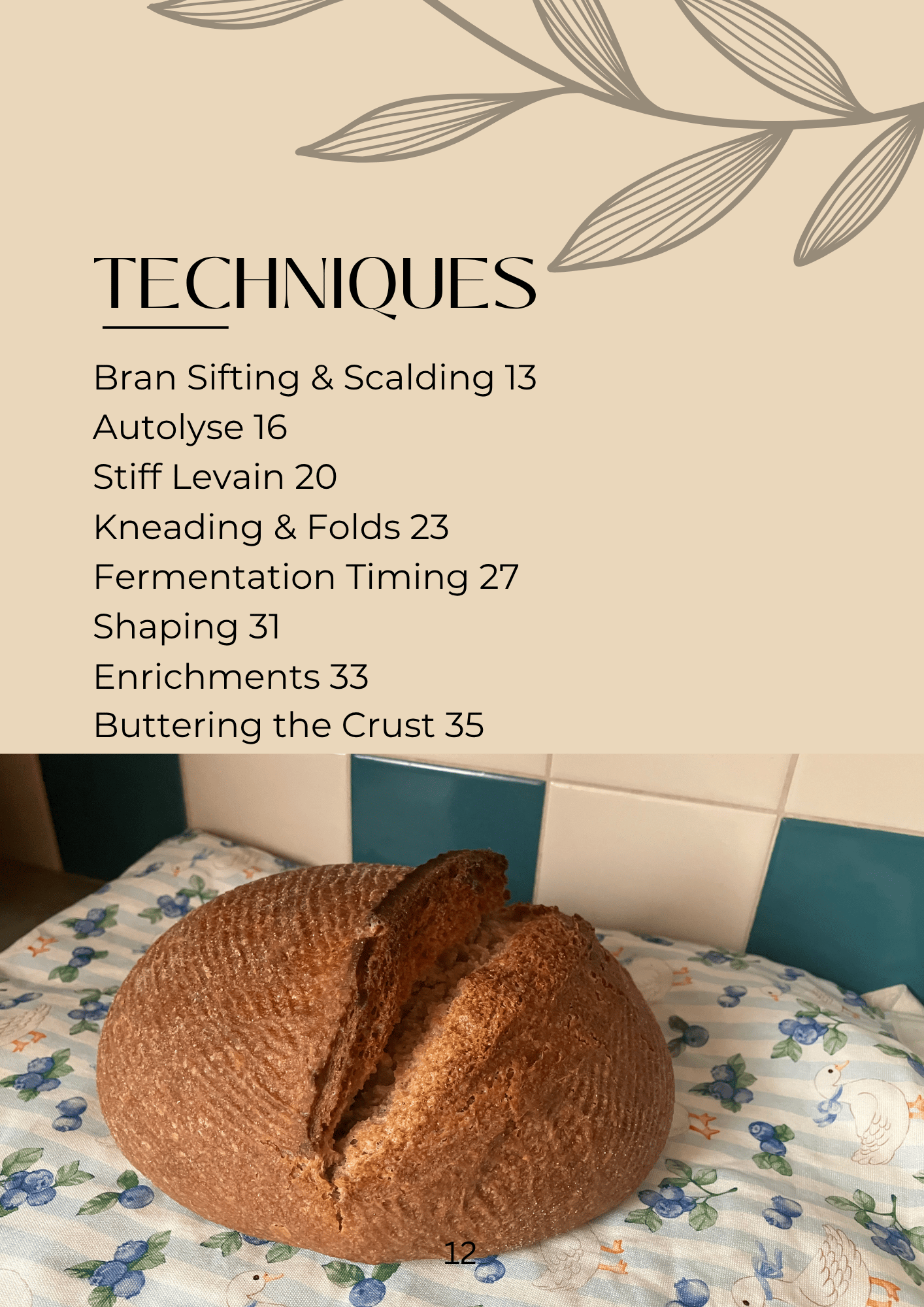
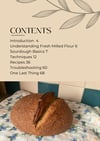
The guide walks through 8 detailed techniques, what to do, why they work, and what difference they make, so you’re recognizing what’s happening in your dough instead of blindly following instructions and hoping the loaf cooperates.
“The thing that made the biggest difference was understanding the water retention difference of bran vs the rest of the flour. I am pretty well versed in sourdough and bread making/recipe creating. But scalding the bran was one I hadn’t considered before and it’s been a game changer.” - Caroline
You don’t have to figure this out one loaf at a time.
Whether you’re brand new to sourdough, brand new to fresh-milled flour, or you’ve been doing both for years, you shouldn’t have to spend months making mediocre bread just to figure out what works.
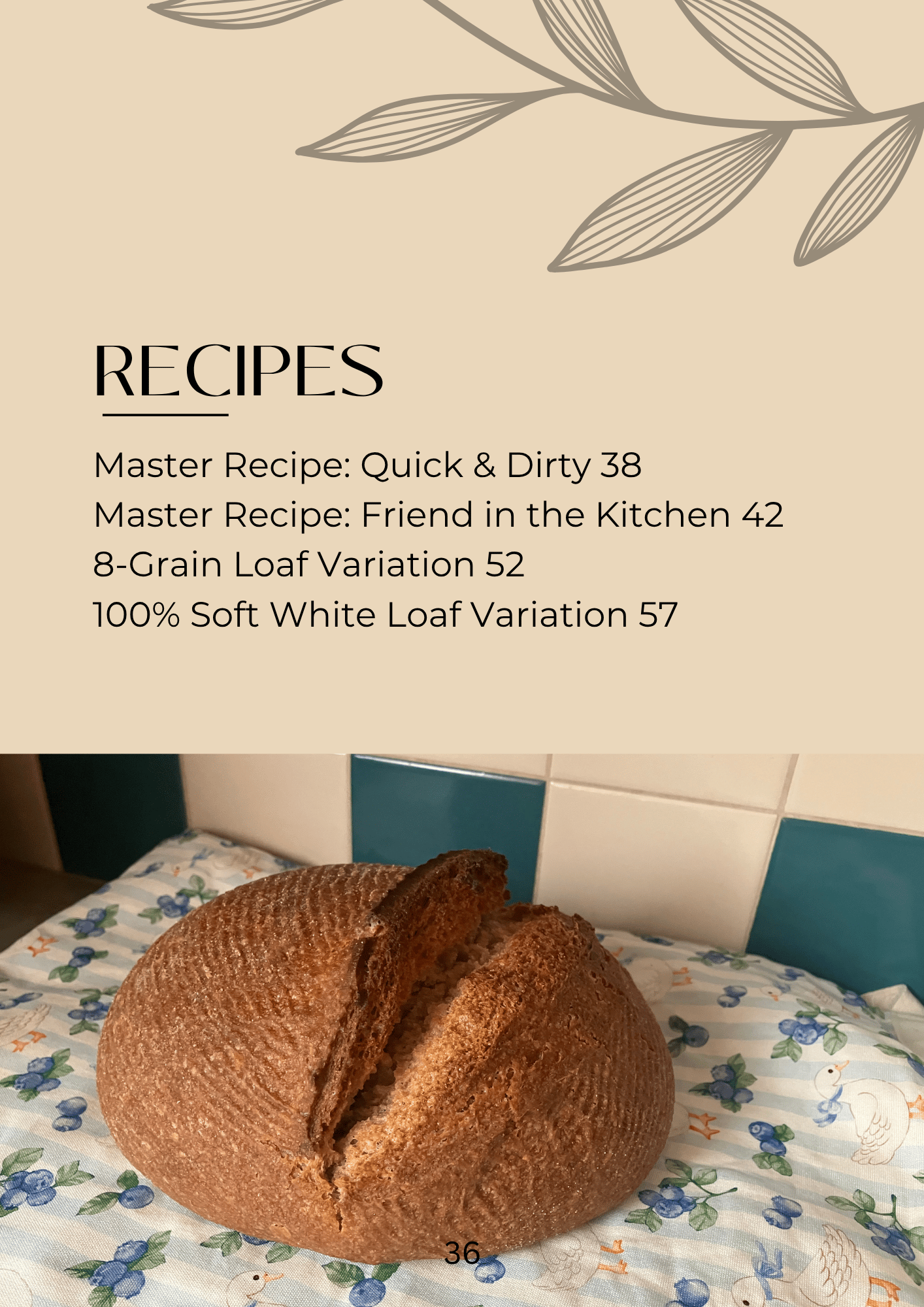
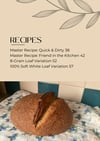
The guide’s two-depth master recipe gives you a process built specifically for fresh-milled sourdough, with as much guidance as you need.
Quick & Dirty when you just want to bake.
Friend in the Kitchen when you want someone to walk you through it.
There are also variations, including an 8-grain option, so you can keep using the process as you get more comfortable.
“Without the guide I know I would have panicked mid-recipe, as fresh milled looks and feels and must be treated differently than regular sourdough. With the guide, I was assured I was on track and did not panic!” - Lindsey
This is fresh-milled sourdough, all the way through.
The recipes in this guide use 100% fresh-milled flour.
No refined flour mixed in to make the dough easier to handle.
No commercial yeast to give the loaf a little extra insurance.
Just fresh-milled flour, sourdough starter, and a process designed around the way whole-grain flour actually behaves.
“I’d previously purchased a sourdough guide that didn’t discuss using FMF and was mostly filled with discard recipes. If you want to make sourdough with FMF this is the guide for you!” - Sue
You shouldn’t need 47 saved posts to make one loaf of bread.
You shouldn’t have to piece together a conventional sourdough recipe, a fresh-milled yeast recipe, five Instagram posts, and a random troubleshooting tip and hope you’ve somehow assembled the right process.
The Missing Piece puts the fresh-milled sourdough process in one place.
So you can spend less time researching and troubleshooting, and more time actually making the bread you wanted when you bought that grain mill in the first place.
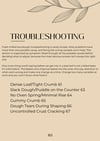
When something doesn’t turn out right, 6 troubleshooting sections walk you through the most common fresh-milled problems, so you’re diagnosing what went wrong instead of starting from scratch.
This guide is for you if…
- You’re brand new to sourdough.
- You’ve been making sourdough for years but are new to fresh-milled flour.
- You’ve made fresh-milled yeast breads and want to learn sourdough.
- Your fresh-milled loaves taste good but are too dense or flat.
- You’ve tried other recipes and still can’t get consistent results.
- You want to bake with 100% fresh-milled flour and still have great rise and texture.
- You want to understand what’s happening in your dough instead of guessing.
A little about me
I was gluten-free for ten years because wheat never agreed with me.
Then I went down the fresh-milled flour rabbit hole and decided to try it.
I felt great, and naturally my next question was:
Can I make sourdough with this?
I wanted 100% fresh-milled sourdough that was actually good.
Most of what I found was either fresh-milled yeast bread or conventional sourdough.
So I figured it out myself.
It took a lot of bread.
Some of it was very good.
Some of it was absolutely not.
Eventually I had a process I trusted, and I turned it into the guide I wish I’d had when I started.
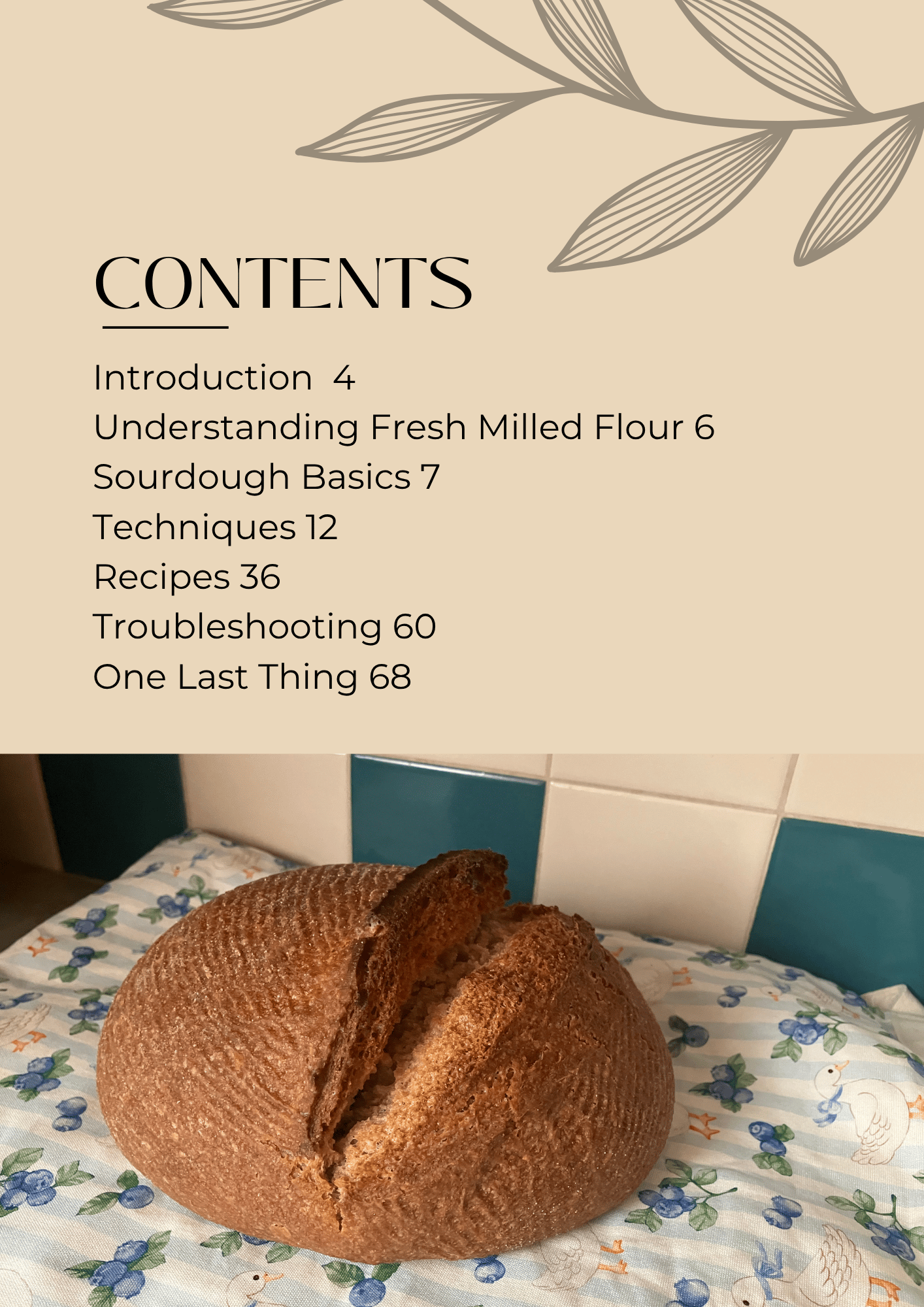
Fresh-Milled Sourdough: The Missing Piece
68 pages • Digital PDF • Instant download
A complete guide to making 100% fresh-milled sourdough with better rise, better texture, and a process you can actually understand and repeat.
$19
Your guide is ready as soon as you purchase.
There’s nothing to ship and nothing to wait for. You’ll get immediate access to the PDF and can start baking right away.
Frequently Asked Questions
Is this beginner-friendly?
Yes. The more detailed version of the master recipe ("Friend in the Kitchen") walks you through the process and explains what you’re looking for along the way.
What if I already know how to make sourdough?
The "Quick and Dirty" version of the recipe is perfect for you. It jumps right to what you need to know specifically for fresh flour. You’ll also find techniques and troubleshooting throughout the guide specifically for fresh-milled flour that don’t necessarily carry over from conventional flour.
What if I’ve only made fresh-milled yeast bread?
That’s completely fine. You don’t need years of sourdough experience to use the guide. The sourdough basics section will walk you through establishing and maintaining a starter.
Do I need a grain mill?
No. The guide is written specifically for fresh-milled flour, but you can use flour freshly milled by another source.
Can I read this on my phone?
Yes, it’s a PDF and works on phone, tablet, or computer. You can also print it if you prefer.
What if I have a question while I’m baking?
Shoot me a message! I’m happy to help you troubleshoot.
What’s your refund policy?
Because this is an instant digital download, all sales are final.
But if something isn’t working for you, message me. I read everything.
Imagine having a loaf of fresh-milled sourdough on your counter that you are genuinely, ridiculously proud of.
Golden crust.
Soft, beautiful crumb.
The kind of loaf that makes you smile as you pull it from the Dutch oven.
The kind that disappears from the table faster than you expected because everyone keeps coming back for another slice.
The kind your family asks you to make again.
The kind you bring to someone’s house and feel a tiny bit smug when they ask where you bought it.
And underneath all of that, there’s the quiet satisfaction of knowing you’re feeding your family something made from real, wholesome ingredients, the way you wanted to in the first place.
You milled the grain. You made the dough. You baked the bread.
And now you have something beautiful, nourishing, and genuinely delicious sitting on your table.
That’s the kind of fresh-milled sourdough I want you to be able to make.