
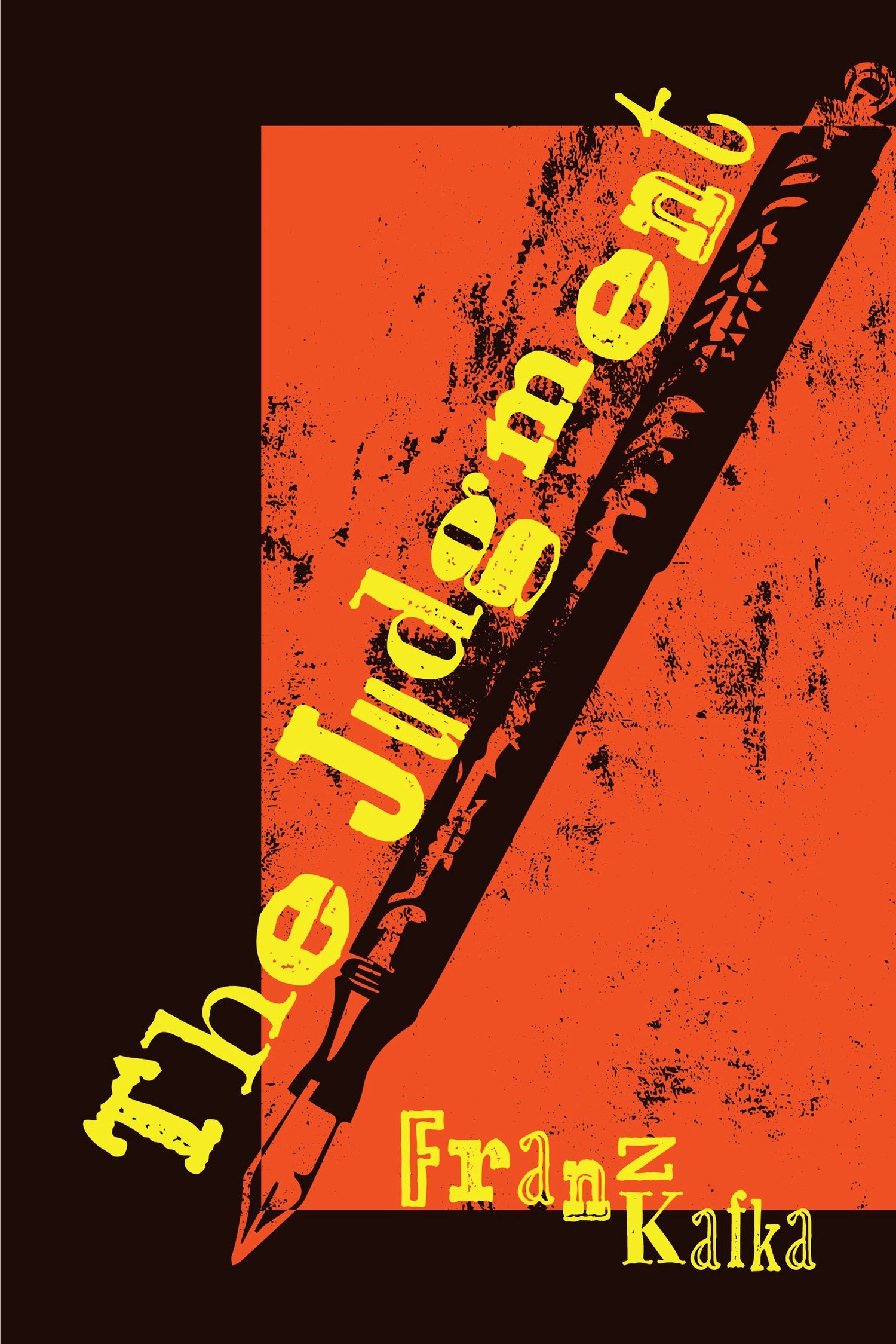
The Judgment
In The Judgment, Franz Kafka delivers a tense, psychologically charged story of familial authority and moral reckoning. The narrative follows Georg Bendemann, a young man navigating his professional ambitions and personal relationships, who is confronted by his domineering father in a moment of explosive confrontation. What begins as an ordinary interaction escalates into a surreal and inexorable judgment, revealing the power dynamics, guilt, and hidden resentments that simmer beneath the surface of family life.
Kafka’s prose is precise, urgent, and unnervingly direct, blending dark humor with existential intensity. The story examines the fragility of human relationships, the authority of tradition, and the way internalized guilt can warp perception and dictate action. The father’s condemnation, both arbitrary and absolute, exposes the tensions between obedience and self-determination, illustrating how intimate bonds can become arenas for judgment and control.
Ultimately, The Judgment is a compact but devastating meditation on authority, culpability, and the human psyche. Kafka transforms a brief domestic encounter into a profound exploration of moral and existential inevitability. The story’s darkly comic yet chilling logic leaves readers confronting the delicate, often incomprehensible, balance of power, conscience, and fate.
About the author
Franz Kafka (1883–1924) was a Czech writer whose profound and unsettling works remain landmarks of 20th-century literature. Blending absurdity, existentialism, and social critique, Kafka’s stories, including The Trial, The Metamorphosis, and The Castle, explore themes of alienation, power, and the human struggle for significance. His unique vision continues to inspire and challenge readers, shaping literary thought across generations.