
Why French Cemeteries Feel So Different?
Why French Cemeteries Feel So Different?
A British and American reflection on French cemeteries
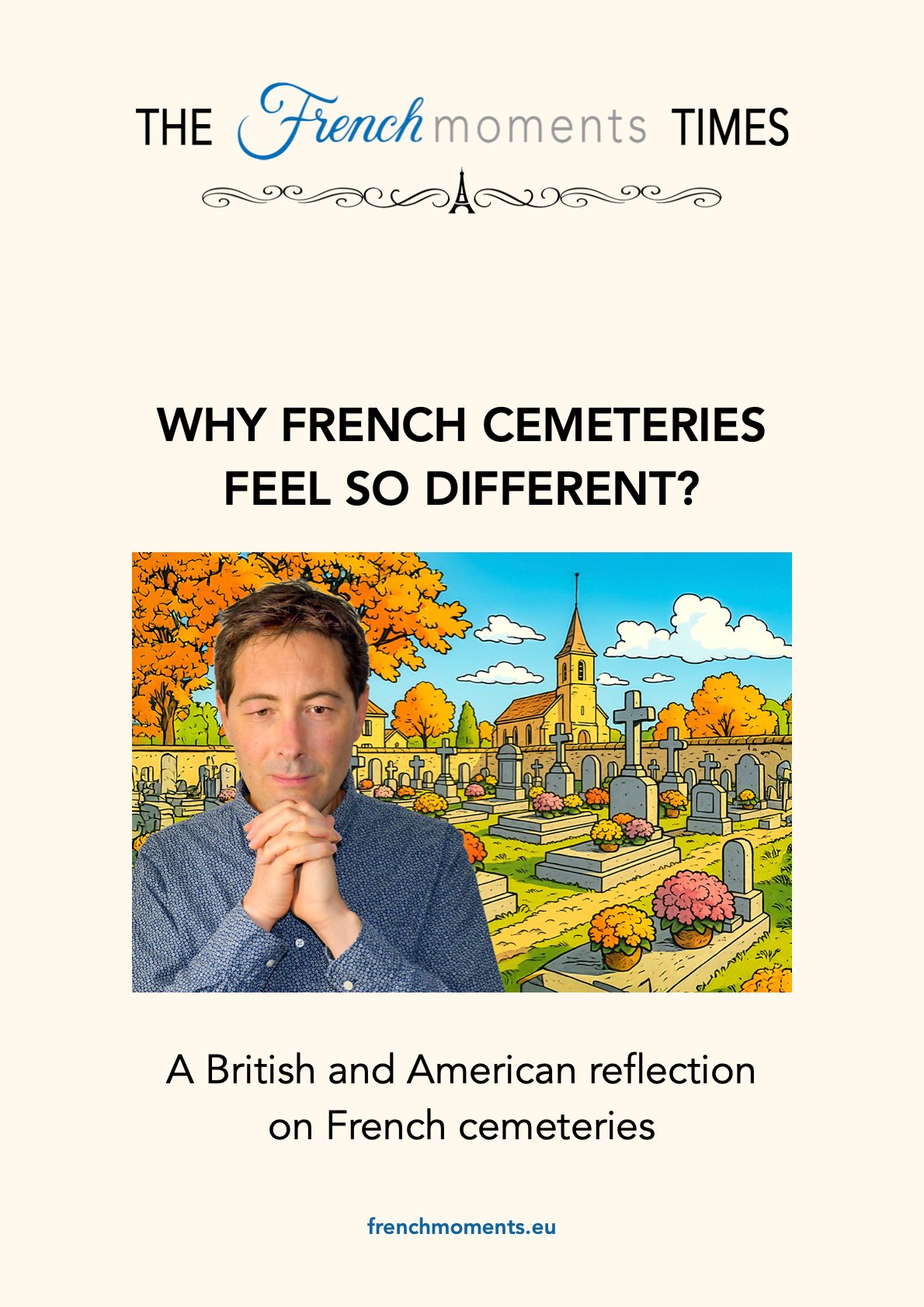
Every autumn, as France prepares for La Toussaint, its cemeteries come alive with colour — rows of stone tombs blooming under golden chrysanthemums.
To British or American visitors, the scene feels at once solemn and strikingly foreign.
Why do French cemeteries look and feel so different from ours?
Why the walls, the marble chapels, the family vaults that rise like miniature cathedrals?
Why flowers instead of lawns, gravel paths instead of grass, and silence that feels heavier than anywhere else?
This 2,600-word cultural essay explores how history, law, religion, and memory shaped the French relationship with death — from Napoleon’s 1804 burial reforms to the modern ritual of La Toussaint.
It’s a story of architecture and belief, of marble and moss, of how a nation turned remembrance into both a civic duty and an art form.
French writer Pierre walks through the quiet cemeteries of Thorens-Glières, Nancy, and Provence, comparing them to the open churchyards of England and the manicured memorial parks of America.
With a reflective tone and a historian’s eye, he reveals how France’s cemeteries are not gardens, but cities — built for memory rather than comfort.
🕯️ Inside this cultural exploration:
– How Napoleon’s laws reinvented burial and created the French “city of the dead”
– Why French cemeteries are walled, vertical, and family-owned
– The deep meaning of La Toussaint and the national ritual of chrysanthemums
– What “le devoir de mémoire” (the duty of remembrance) really means
– A comparison with British and American burial traditions
– Reflections on how architecture, religion, and memory shape our view of death
This isn’t a morbid story — it’s a meditation on how the French remember, and what their cemeteries reveal about national identity, faith, and continuity.
From marble angels to fading inscriptions, it’s a journey through time, silence, and the poetry of remembrance.
📬 Originally published on Substack for paying subscribers, this in-depth essay is now available as a beautifully formatted downloadable PDF for just £3 (approx. $4 USD) — a small price to unlock the secrets, symbols, and quiet beauty of France’s most reflective places.