
World History U3 L1 | Industrial Revolution and Middle Passage
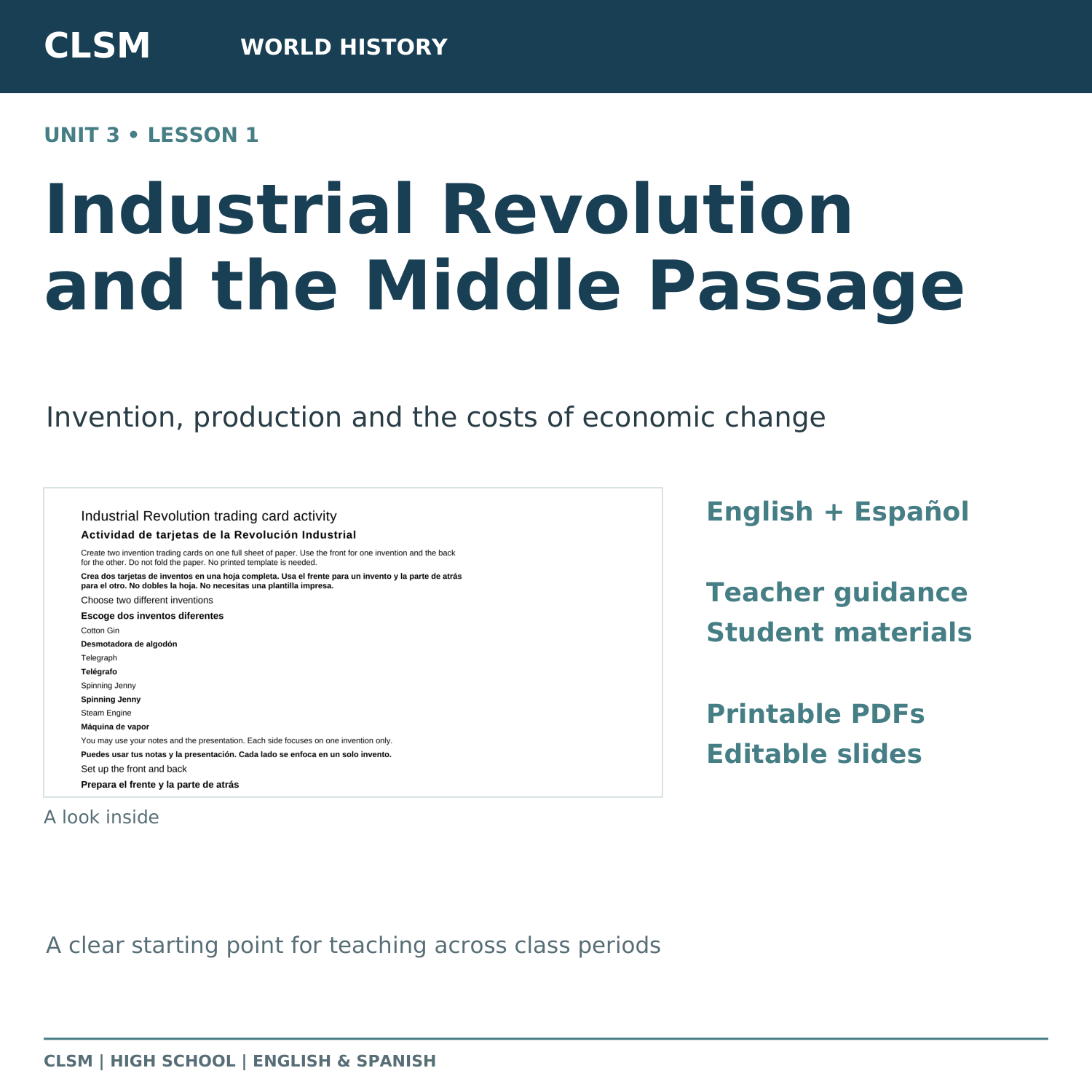
Students choose two inventions—the cotton gin, telegraph, spinning jenny, or steam engine—and create a trading card for each on opposite sides of one sheet. They explain what each invention did, why it mattered, and one positive and one negative effect, then compare their impact using evidence from both cards.
This lesson connects industrial production, rights arguments, revolutions, and Atlantic forced labor. Students examine conditions for British industrialization, changes in work and cities, and the difference between increased production and people's well-being. The teaching identifies who benefited and who bore the costs.
Activity and teacher support
Each card includes the invention's name, contributor and year, a labeled drawing, explanations, and a supported judgment. A three-to-four-sentence comparison completes the task. Notes and the presentation may be used; no folding, cutting, or printed response template is needed. Historical reasoning matters more than artistic ability.
The teacher evidence bank covers all four inventions and all six possible pairs. Models and a suggested 50-point rubric support feedback while allowing different defensible judgments.
What's included
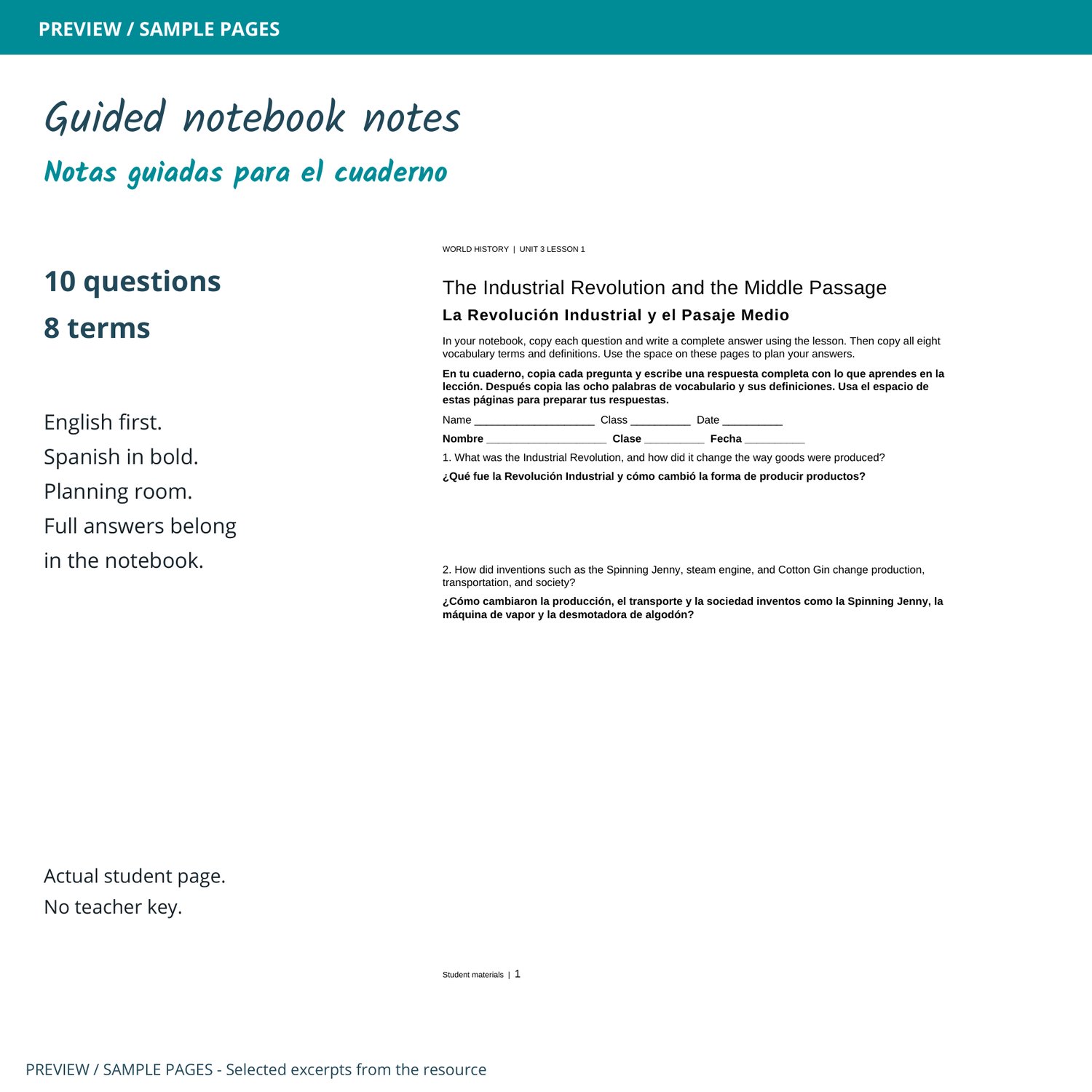
• Ten guided questions and eight required vocabulary terms with detailed teacher keys.
• Full Day 1 and Day 2 manuscripts and a lesson guide.
• Editable 78-slide PowerPoint and matching PDF with teaching speaker notes.
• Prior Unit 2 Review recall and two lesson recall sets with separate keys.
• 15-question quiz with explanations for each answer choice.
• Two-invention trading-card directions, teacher evidence bank, models, and rubric.
• Industry, Rights, and Forced Labor: a two-paragraph reading with five multiple-choice and five short-answer questions and an explained key.
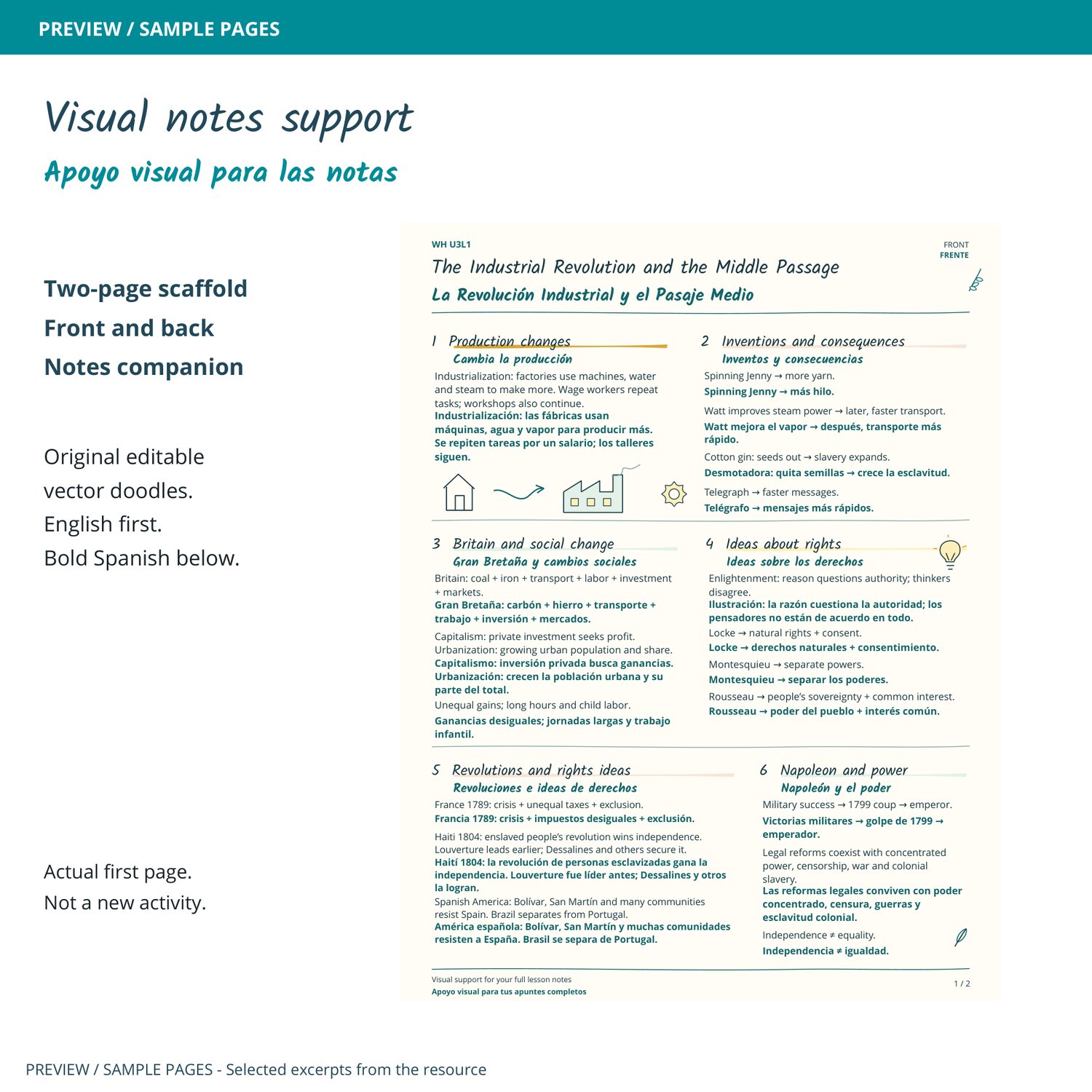
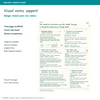
• Visual notes support, standards crosswalk, sources, and credits.
Planning and historical care
The activity alone is planned for 45 minutes. Recall, quiz, and discussion need additional time; the guide offers a 90-minute activity-day model and continuation across shorter classes. The next complete Enlightenment and Industrial Revolution lesson is separate.
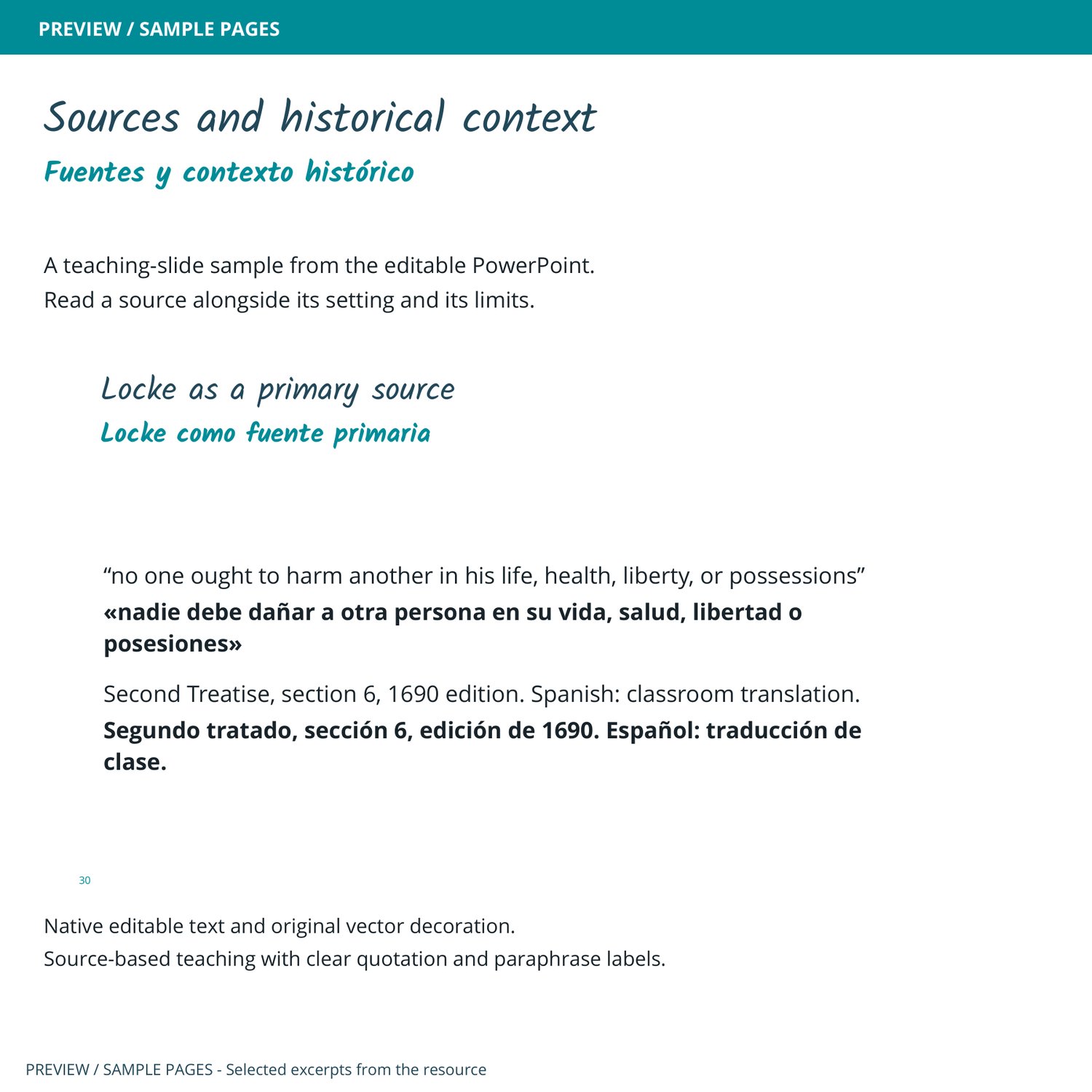
The reading identifies its Locke and Equiano passages as modern paraphrases. Discussion addresses enslaved people's agency and resistance without reenactments, auction simulations, restraint exercises, or required personal disclosures. Economic gains are not presented as a justification for enslavement.
Language and files
English appears first with bold Spanish below; quiz choices use a compact English/Spanish format. Digital download includes printable, non-fillable PDFs, editable Word and PowerPoint files, and text companions. Editable files may reflow; text files omit formatting. No tested reading level or translation certification is claimed. Standards connections represent selected practice, not guaranteed mastery or local-test coverage.
Resumen en español
Cada estudiante crea dos tarjetas de inventos y compara sus efectos con evidencia. La lección conecta producción industrial, derechos, revoluciones y trabajo forzado, considerando beneficios y costos para distintos grupos. Incluye apuntes, guías bilingües, presentación editable, repasos, prueba, lectura y actividad con modelos. No se requieren representaciones de esclavitud ni revelaciones personales. La actividad está prevista para 45 minutos, con tiempo adicional para el repaso y la prueba. La siguiente lección completa no está incluida.