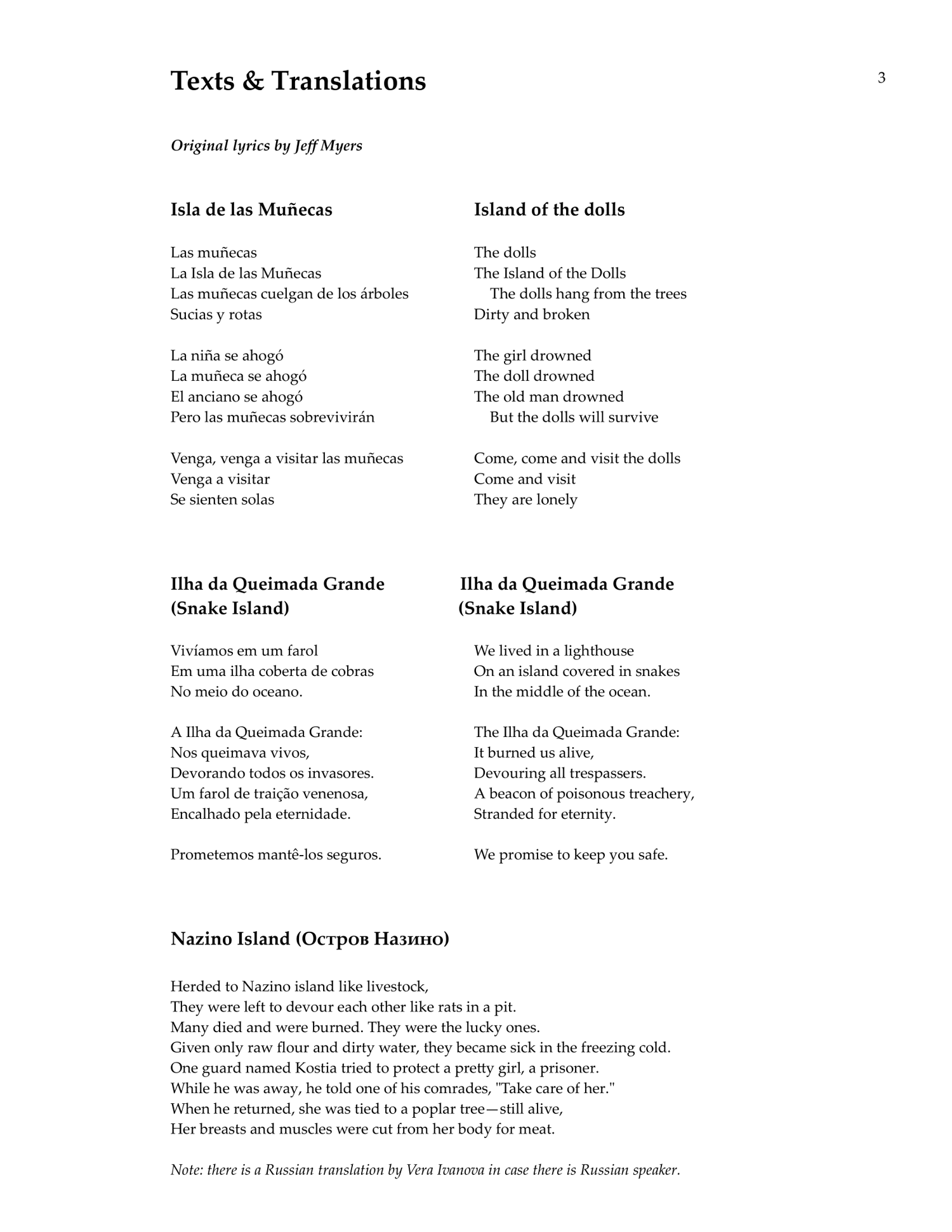
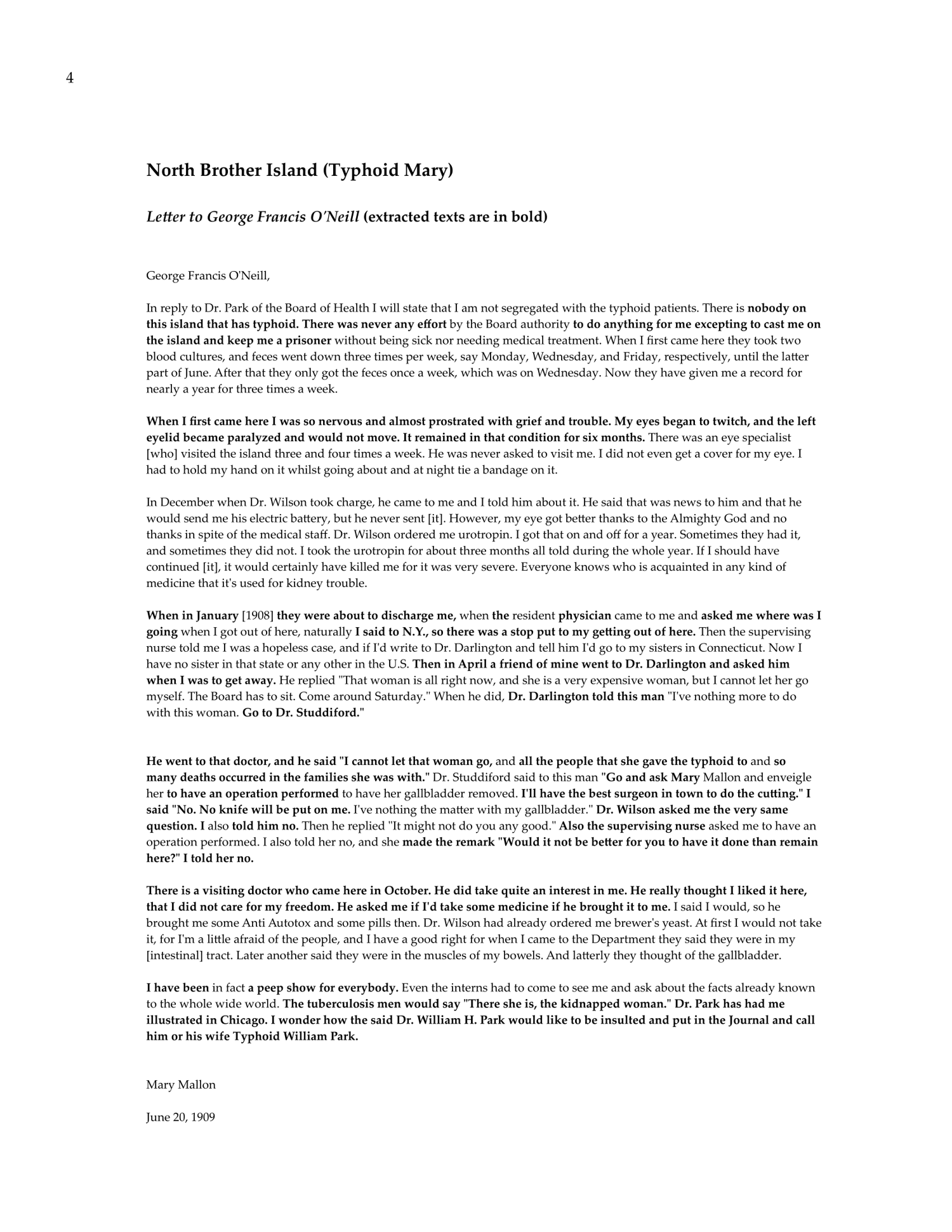
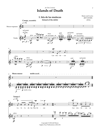
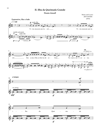

Islands of Death for mezzo and violin - Full Score PDF
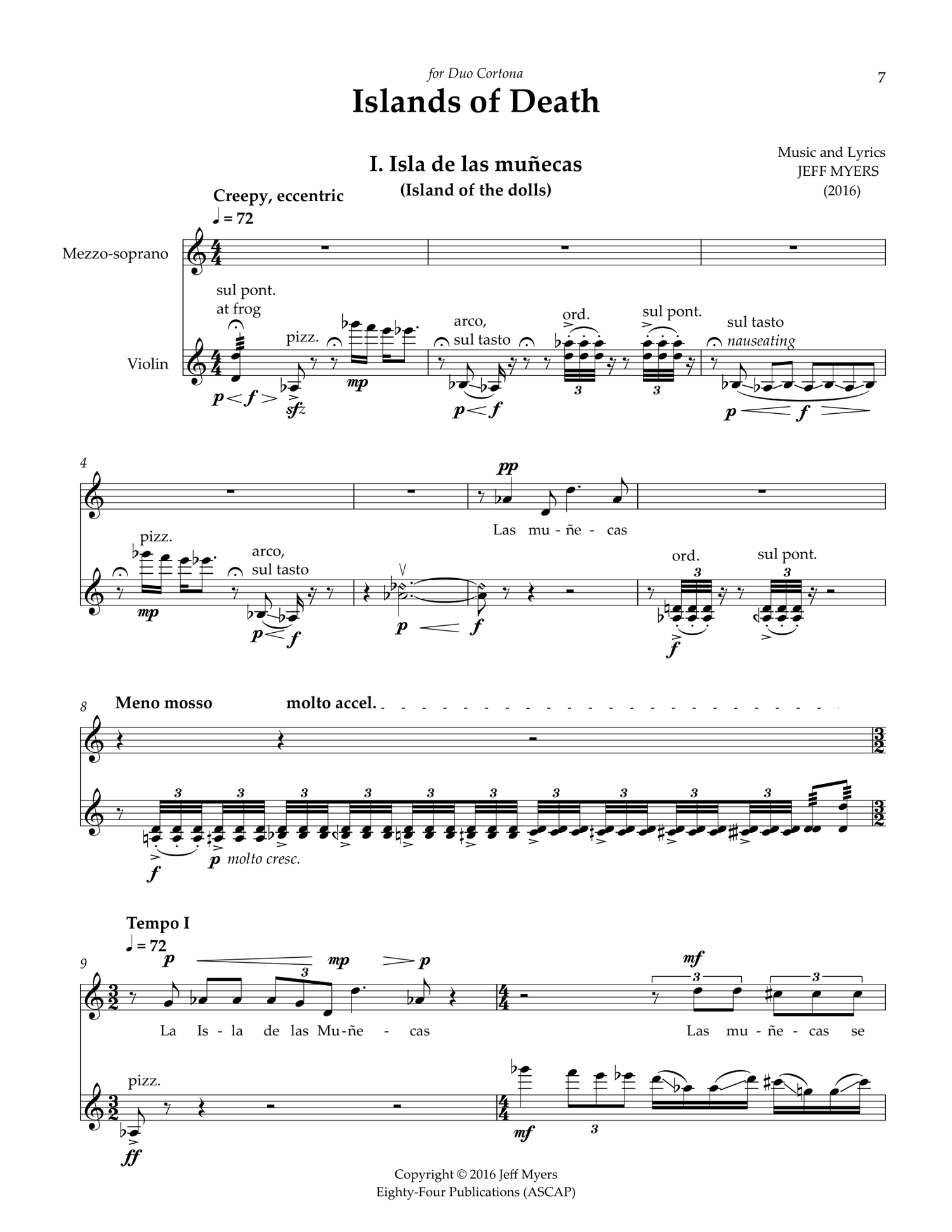
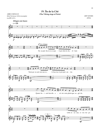
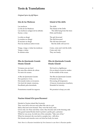
I. Isla de las Muñecas (Island of the dolls)
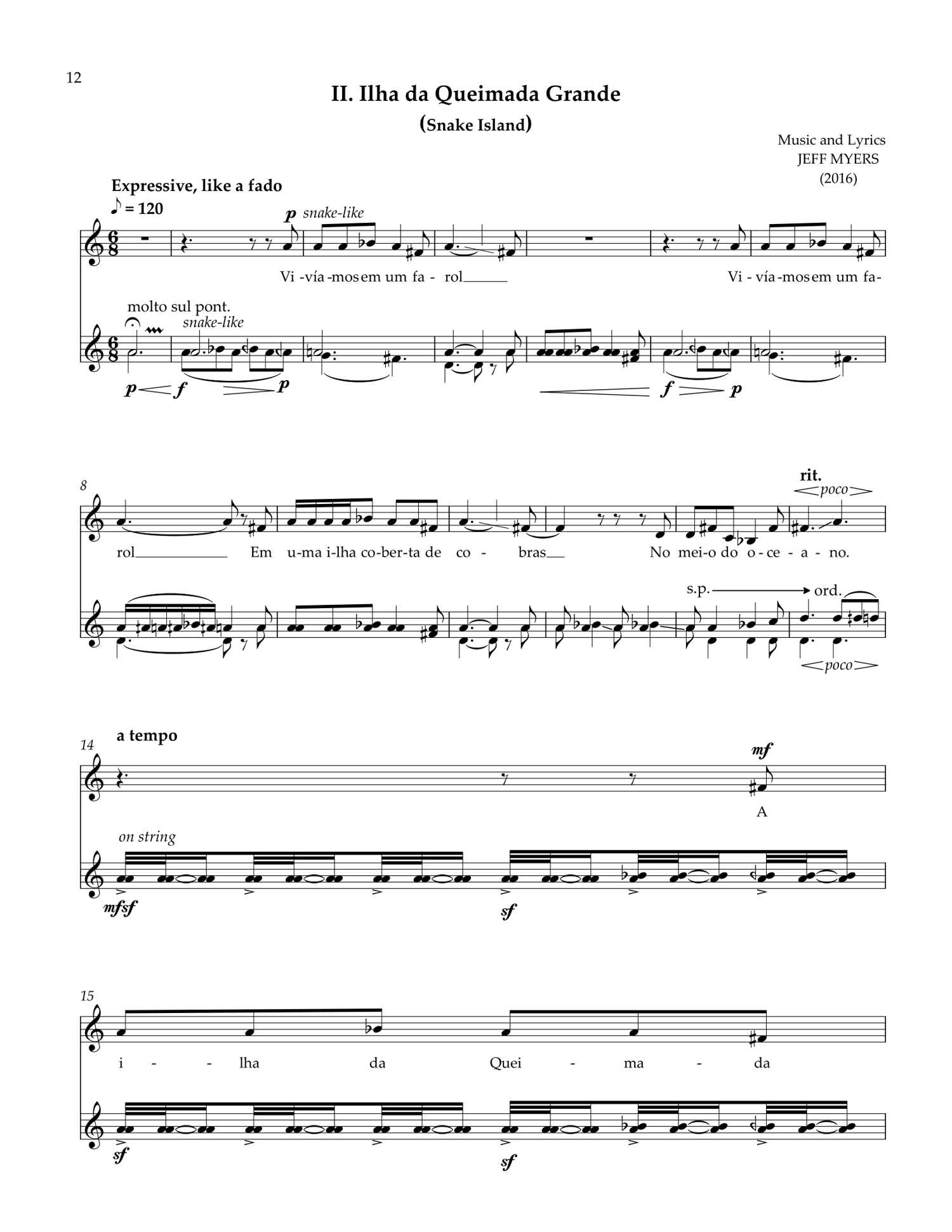
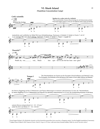
II. Ilha da Queimada Grande (Snake Island)
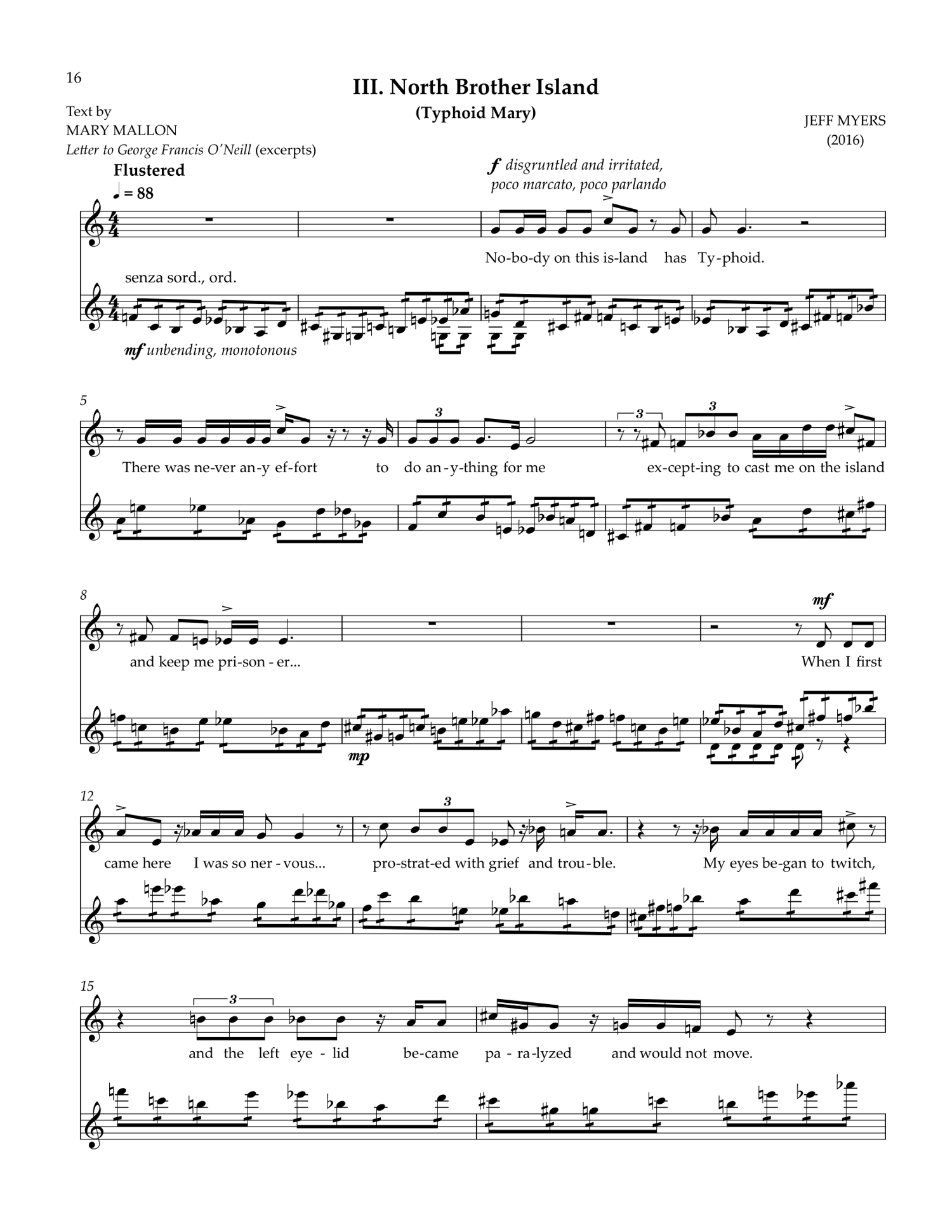
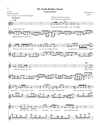
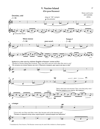
III. North Brother Island (Typhoid Mary)
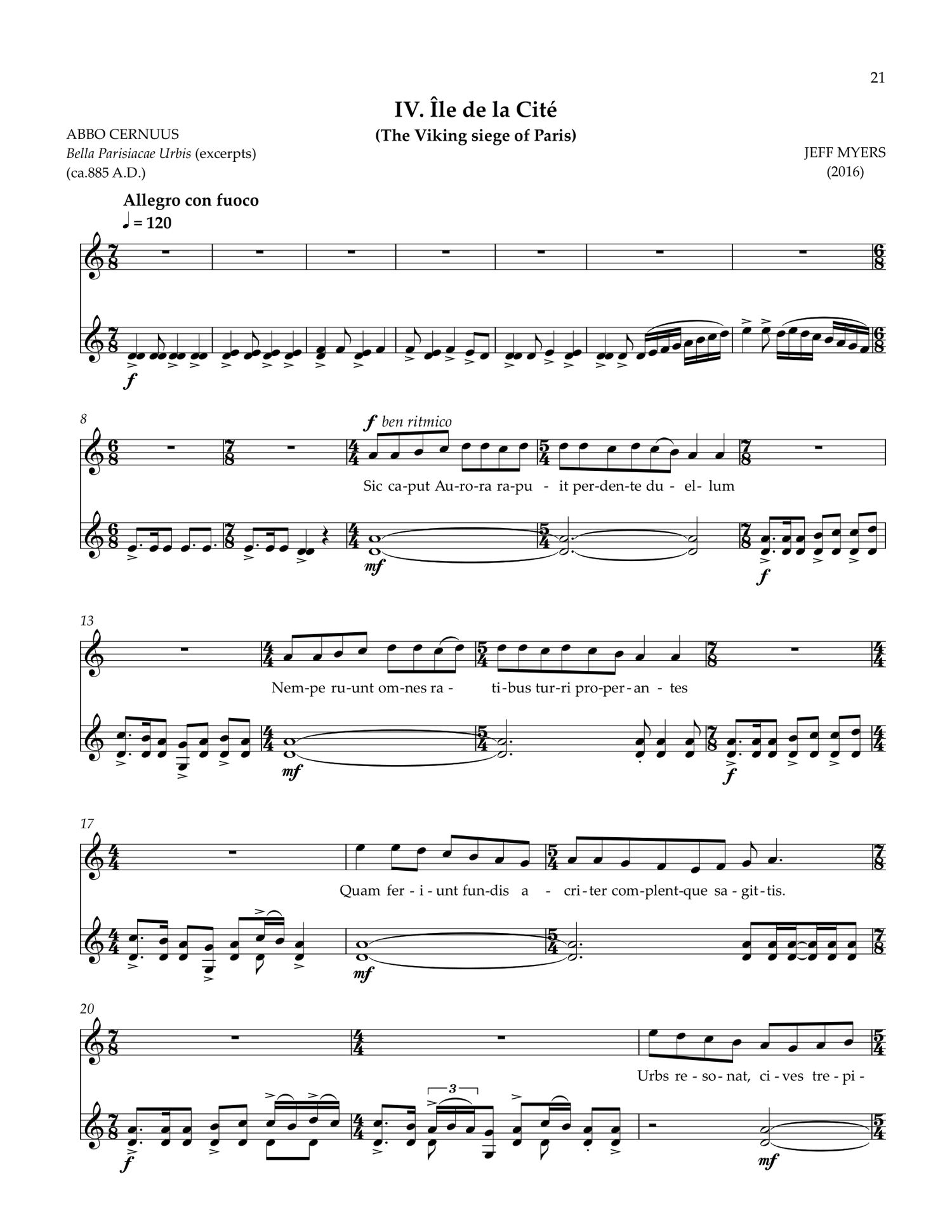
IV. Île de la Cité (The Viking siege of Paris)
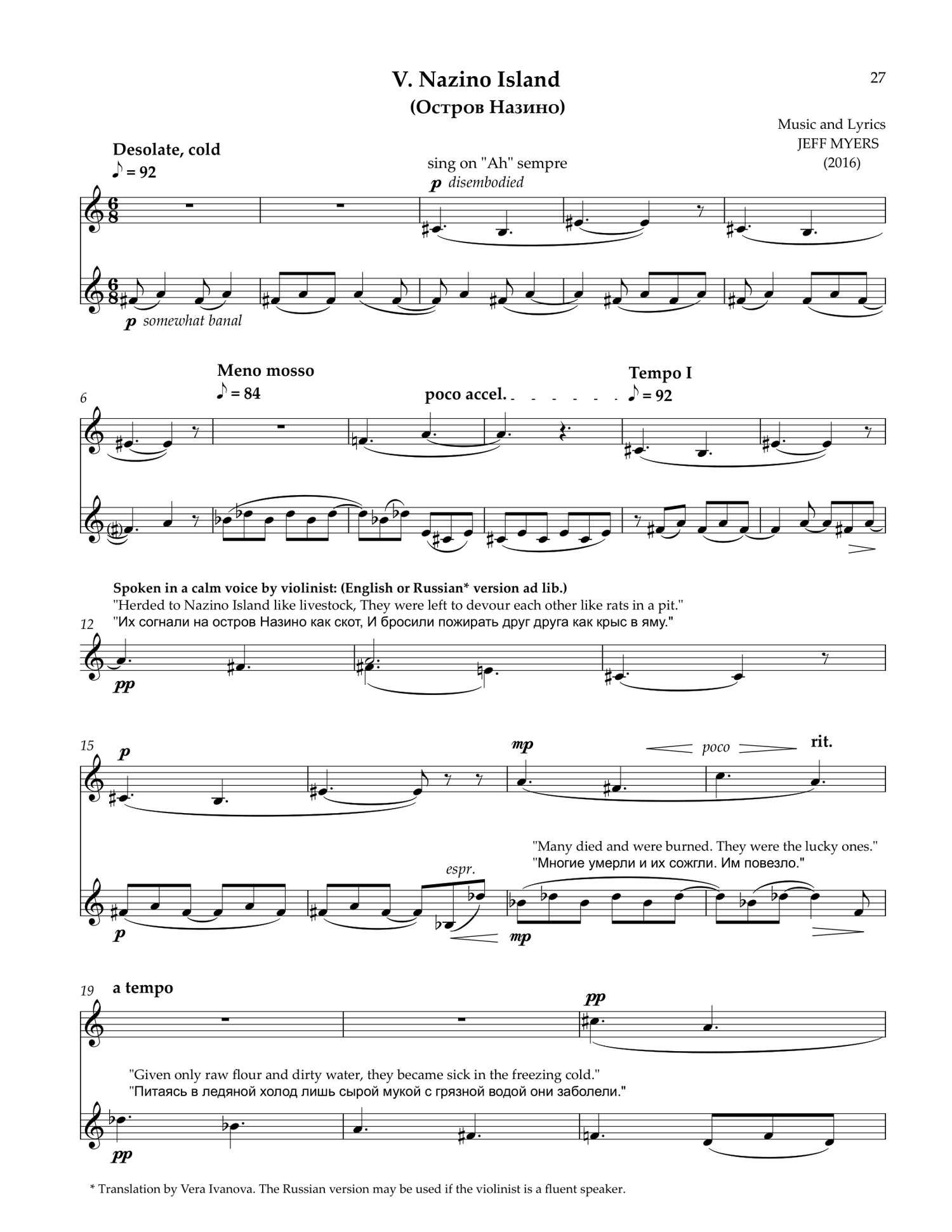
V. Nazino Island (Остров Назино)
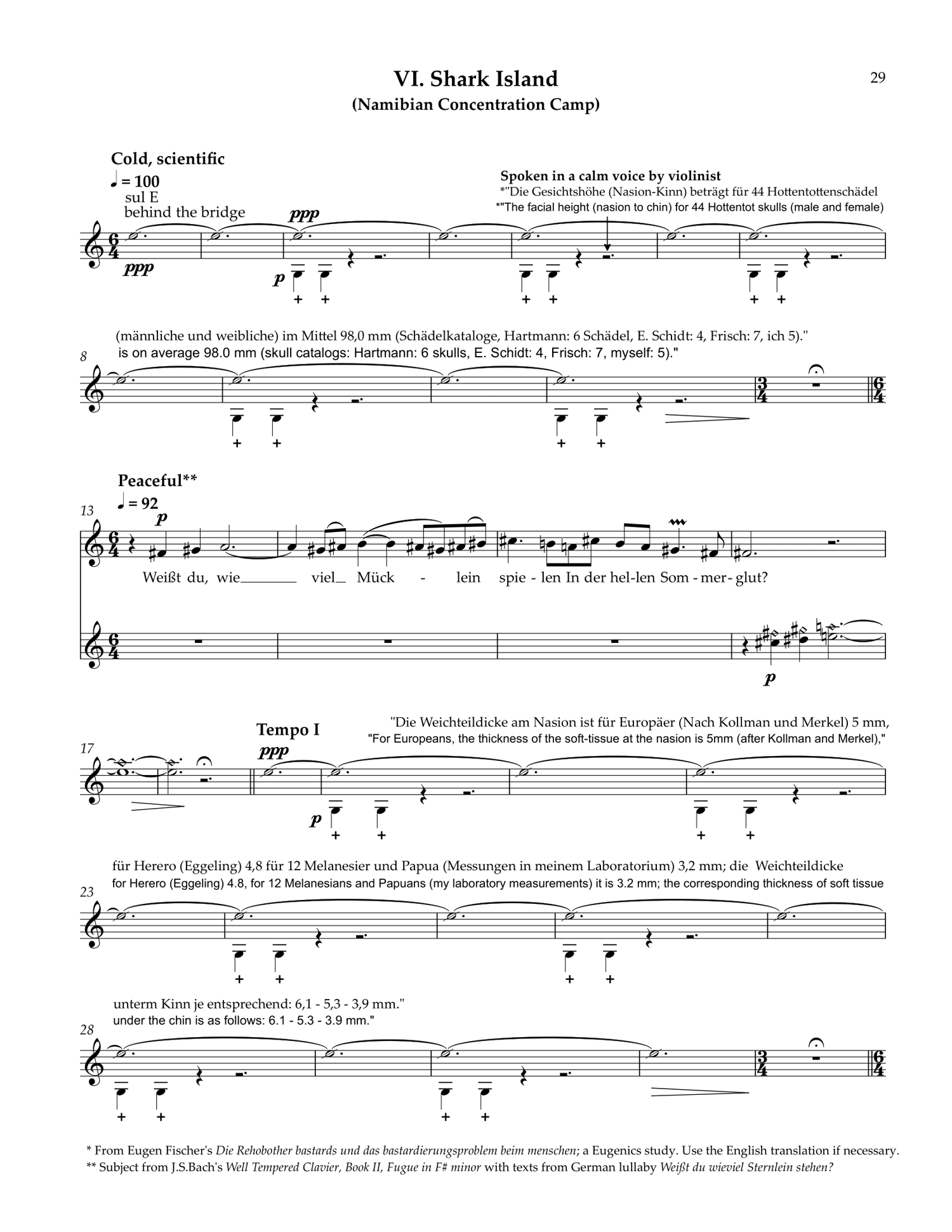
VI. Shark Island (Namibian Concentration Camp)
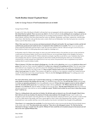
From the composer:
Islands of Death was written for my dear friends Duo Cortona (Rachel Calloway and Ari Streisfeld). They premiered the song cycle in Cortona, Italy in the summer of 2016 at the Cortona Sessions for New Music. This set of songs is a further exploration of my fascination with themes of death and the unique, closed-off worlds that are islands. Each musical island has its own feeling, its own sound and its own style. Each island has its own language. In this set, I took islands which had some kind of death incident, death story or potential for death.
The first two songs in Spanish and Portuguese, form a two-song set which treats death as a curious event, something scary and mysterious, based on real life events and places. In the first song, a man lived on a small river island in Mexico, hanging dolls (that he found in the river) from trees as an homage to a girl that had drowned in the same river (or so he said). The second song deals with death by venom, on an island covered by snakes—scary, but not unethical, simply a natural phenomenon one should avoid.
The second two-song set takes death into the social realm: disease outbreaks and defensive warfare. While these are difficult situations which have a potential for massive body count, they are inevitable and not considered unethical deaths. In fact, the heroism of death in the face of disease and the protection of your home are very useful constructs for those that must deal with grief. Both songs are very different in style, but serve to act as a musical contrast—rhythmic and fast, these songs portray the excitement and anxiety of death.
The final two-song set takes a somewhat different approach, dealing with mass death as the result of evil and systematic cruelty. The subject matter: mass extermination, cannibalism and starvation is almost too extreme to portray with music. I decided to let the text and the listener's imagination paint an image in contrast to the banal music in Nazino Island. The same aspect of dehumanization is explored in last song, Shark Island. At the turn of the century German empire attempted to destroy two tribes of Africans, the Herero and the Nama of what is now called Namibia. With orders from commander von Trotha to annhiliate the tribes, German solders rounded them up into concentration camps on Shark Island where they were debased, starved and worked to death.
All of the island texts are based on real events. I wrote the lyrics for songs I, II and V. The middle set has texts from a letter by Mary Mallon aka Typhoid Mary—a diatribe she intended to send to a journalist, which she eventually sent to her lawyer. While she was only a carrier for typhoid, she was responsible for getting many other sick with the then fatal disease. Forced to live the rest of her life on a small island next to New York, she was given a death sentence for being infectious. Abbo Cernuus, a Parisian monk from the 9th Century, documented the Viking siege of Paris (which was only a small island fortress on the Seine) with great detail in poetic Latin. I took textual fragments from each source to piece together my own lyrics for the purpose of concision. I wrote the lyrics to Nazino Island, basing my lyrics on a story told by a survivor. The texts from Shark Island were all found texts: a German lullaby, texts from a Eugenics study, and an account from an English contractor in Nambia.
25 pages; duration 23'