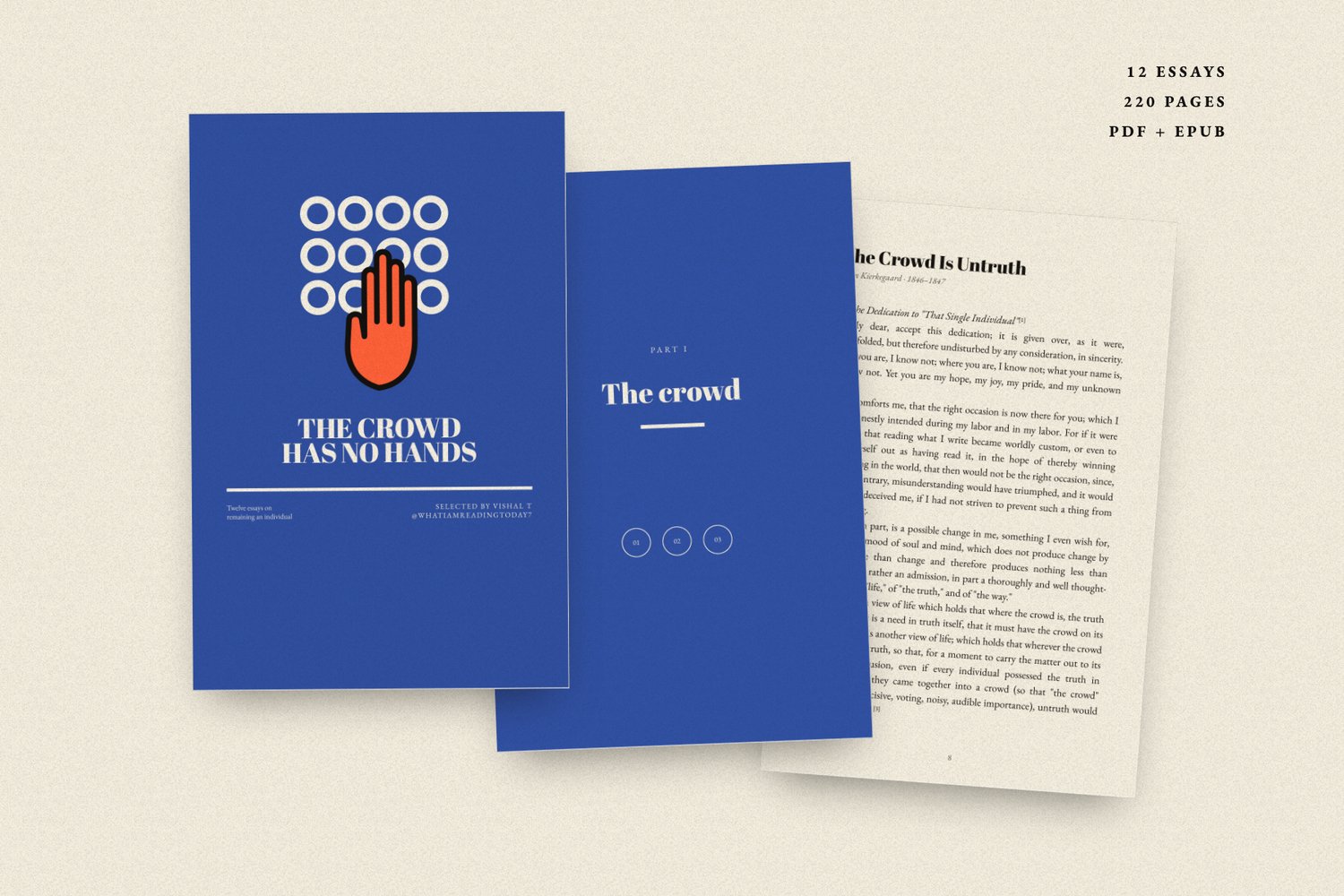



The Crowd Has No Hands — 12 Essays to Read Before You Become Everyone Else (PDF + EPUB)
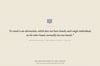
A crowd can approve, condemn, elect, purchase, punish and celebrate. What it cannot do is accept responsibility. There is always a hand inside the crowd, and the hand belongs to someone.
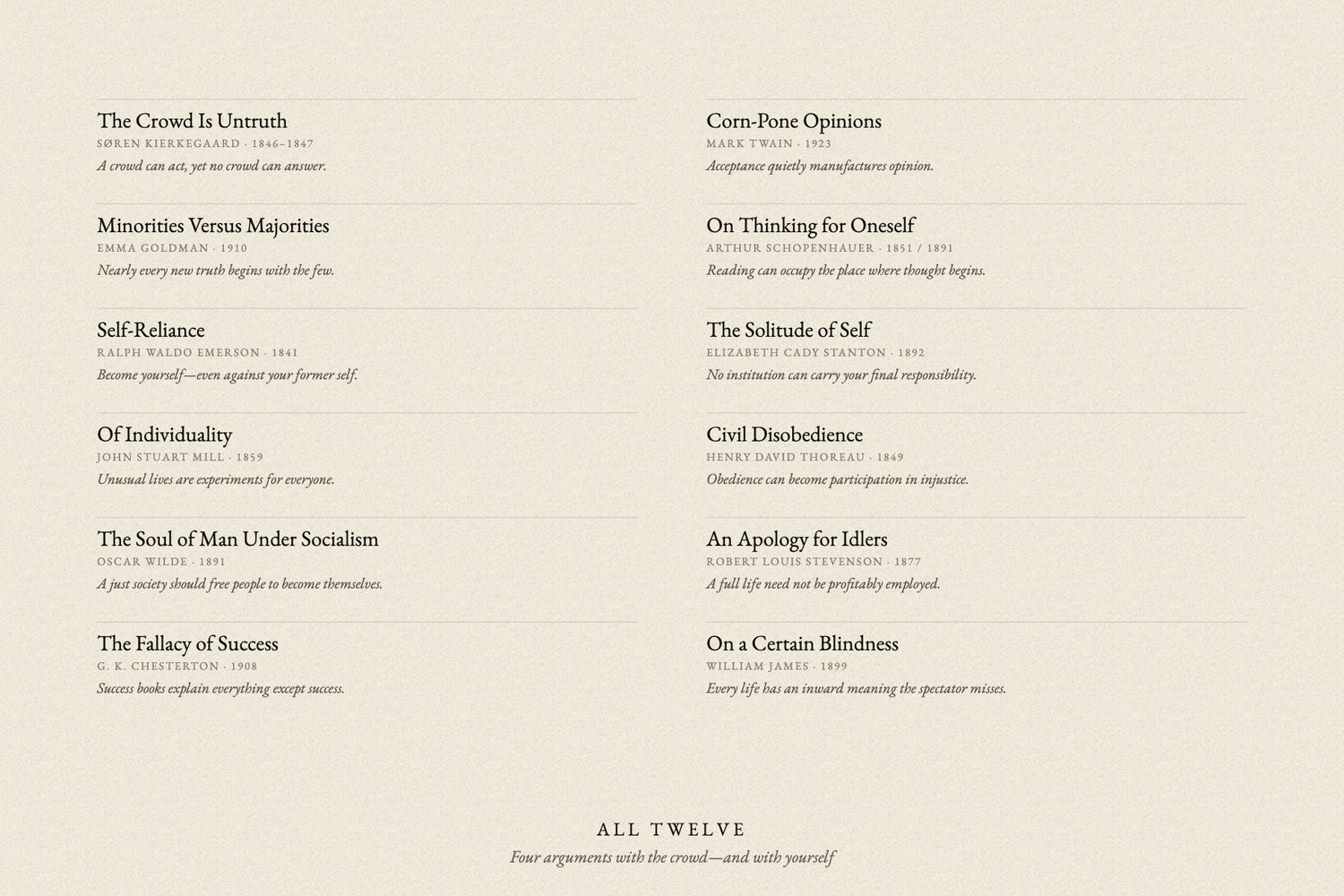
These twelve essays ask where an opinion comes from, what it costs to think alone, when conscience must resist law, why work and success became measures of worth, and how little of another person’s inward life we can ever see.
Kierkegaard begins with the danger of numbers. William James ends with the danger of believing that your independent view is the whole truth. Between them: conformity, conscience, idleness, civil disobedience, success and the difficult work of becoming yourself.
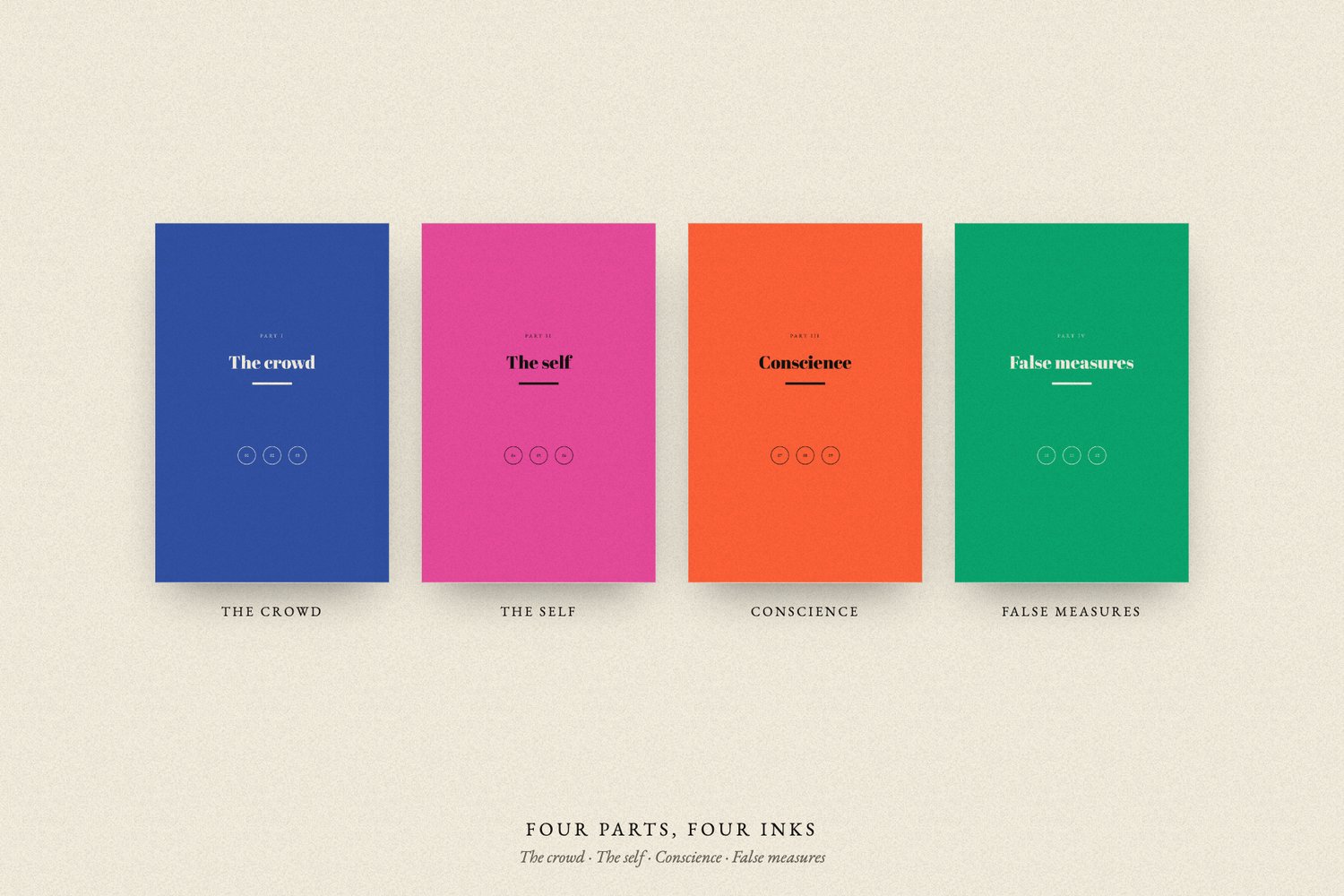
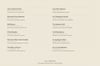
Twelve essays, in four parts:
The crowd — Søren Kierkegaard, *The Crowd Is Untruth*;
Mark Twain, *Corn-Pone Opinions*;
Emma Goldman, *Minorities Versus Majorities*.
The self — Arthur Schopenhauer,
On Thinking for Oneself; Ralph Waldo Emerson, Self-Reliance; Elizabeth Cady Stanton, The Solitude of Self.
Conscience — John Stuart Mill, Of Individuality, as One of the Elements of Well-Being; Henry David Thoreau, On the Duty of Civil Disobedience; Oscar Wilde, The Soul of Man Under Socialism.
False measures — Robert Louis Stevenson, An Apology for Idlers; G. K. Chesterton, The Fallacy of Success; William James, On a Certain Blindness in Human Beings.
The writers do not agree with one another. That is part of the point. This is not a manual for winning an argument with everyone else. It is an invitation to discover which of your convictions remain when everyone else leaves the room.
What you get
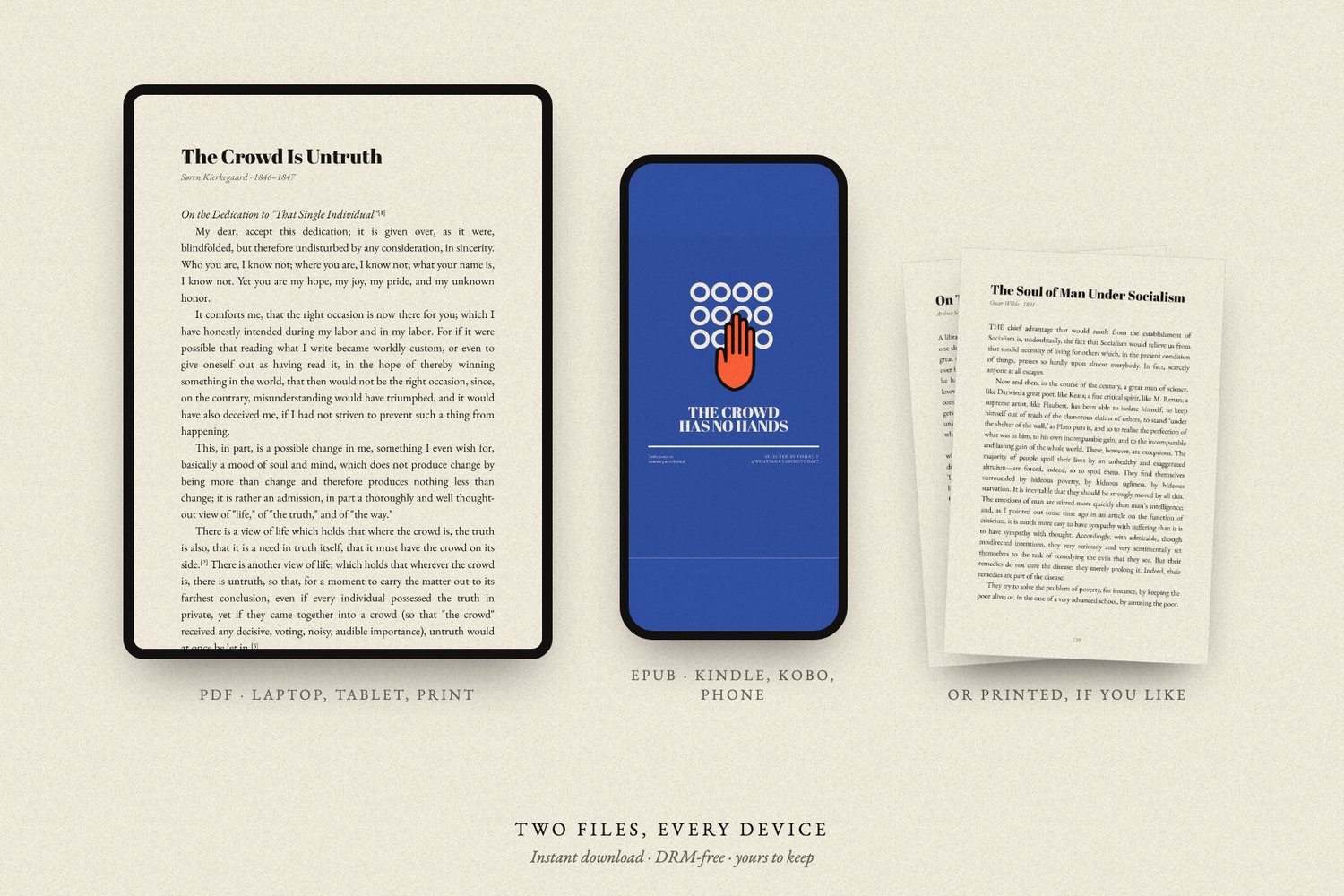
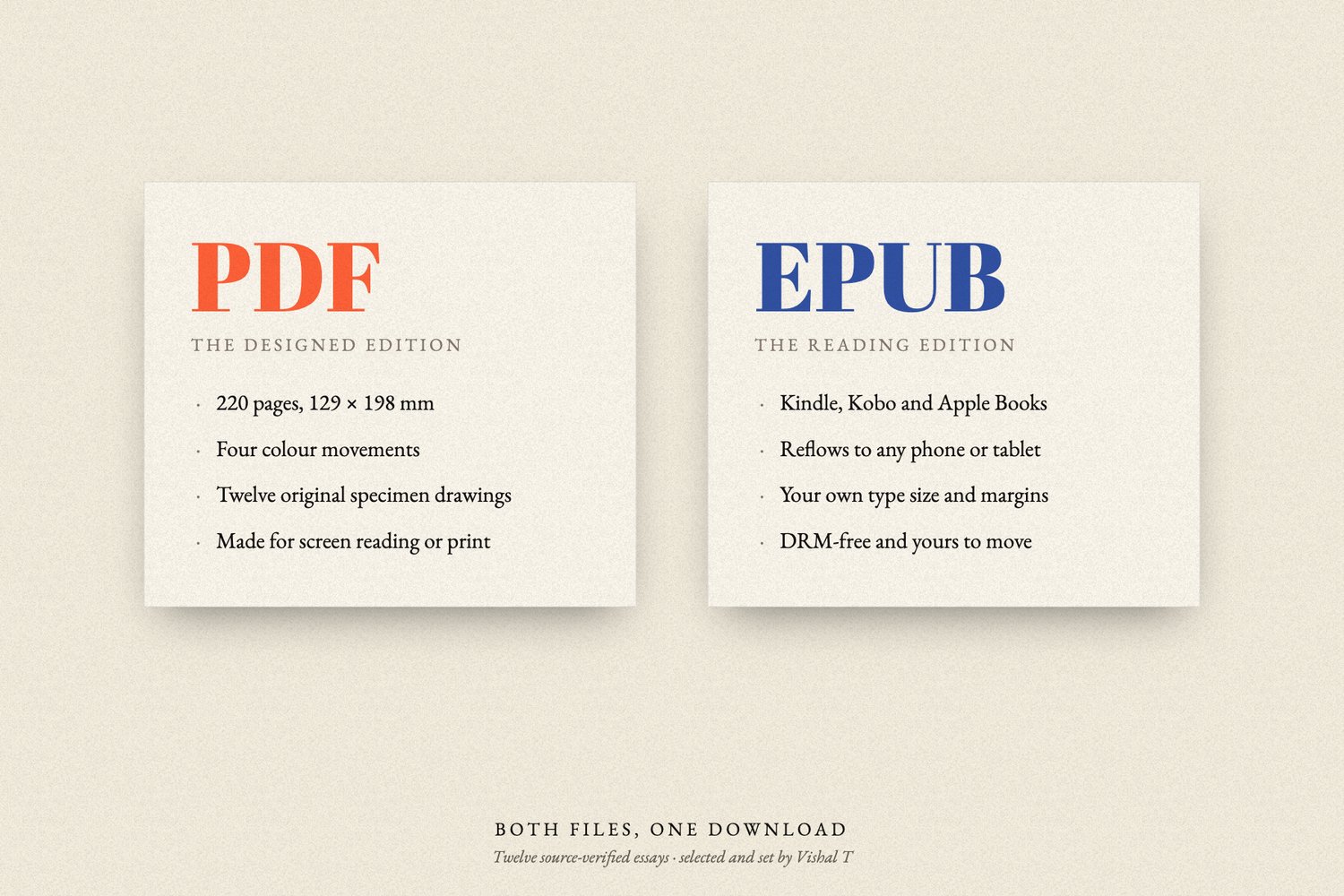
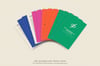
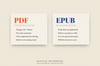
- The Crowd Has No Hands — Designed Edition (PDF).Made for reading on a laptop or tablet, or for printing.
- The Crowd Has No Hands (EPUB). A clean, reflowable edition for Kindle, Kobo, Apple Books and phones.
Instant download. DRM-free. Yours to keep and move between devices.
A note on the edition
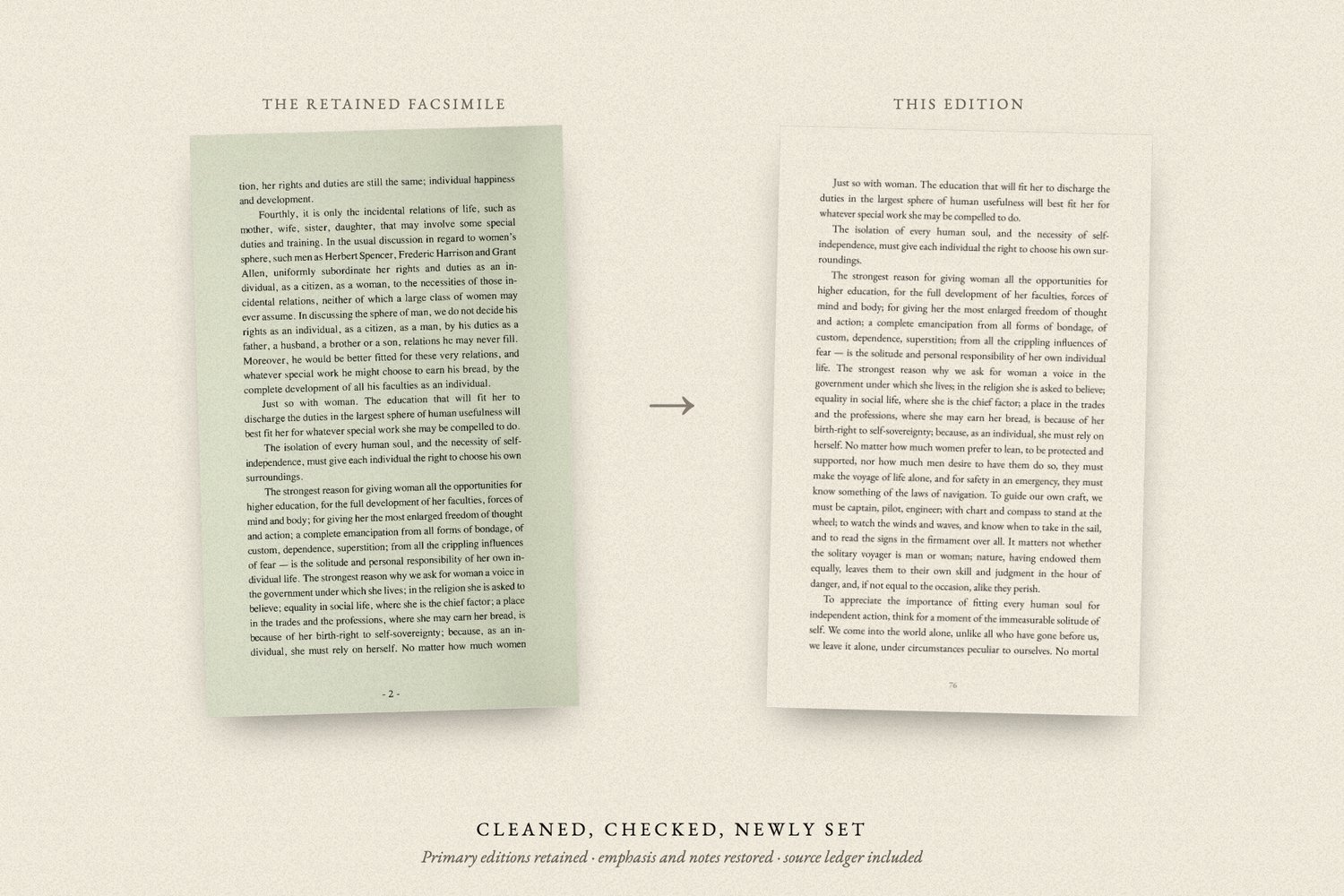
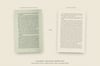
The twelve primary texts are in the public domain. They have been newly set from documented source transcriptions and checked against primary editions where required. Repository licences, navigation matter and later publisher apparatus have been removed; emphasis, verse and authorial notes have been restored; historical spelling and punctuation have been retained except where the source evidence establishes an error.
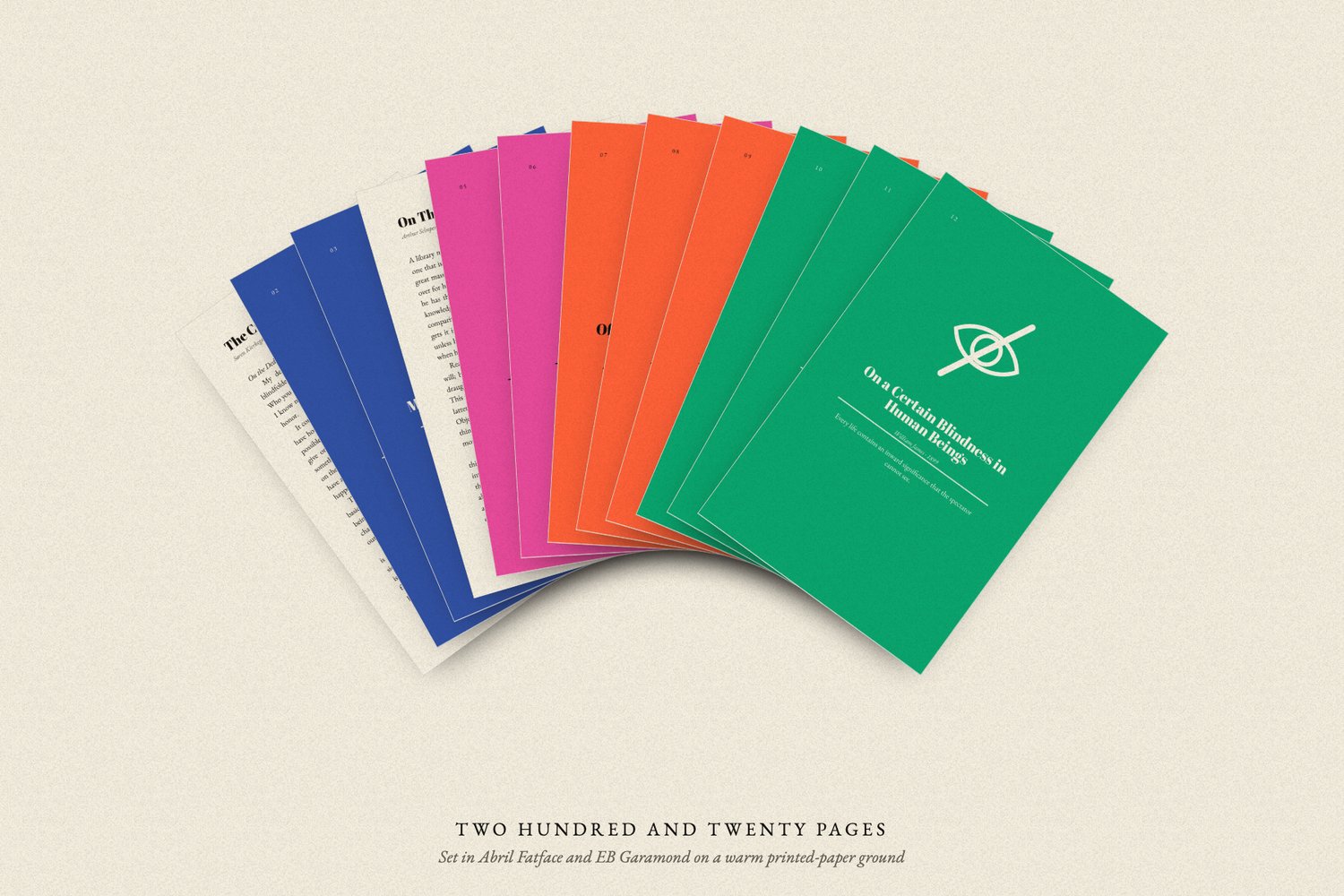
The selection, arrangement, four-part structure, editorial propositions and twelve specimen drawings are original to this edition.
If you find something that wants fixing, I would like to know.
Selected by Vishal T · @whatiamreadingtoday7