

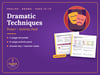
Drama Techniques Poster and Activity
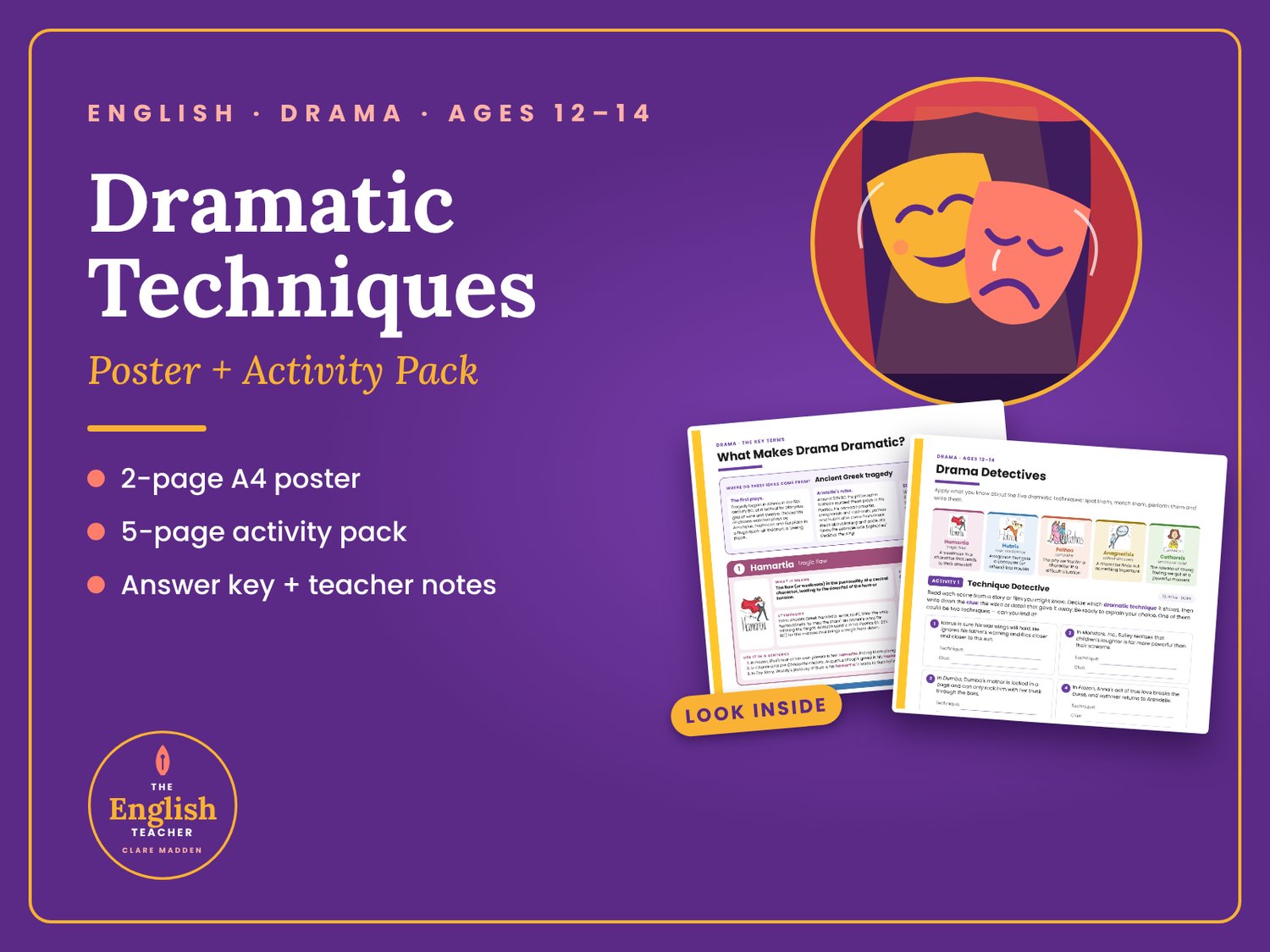
Give your students the language of tragedy, then get them using it. This pack pairs a two-page reference poster with a five-page activity pack covering the five key dramatic techniques: **hamartia, hubris, pathos, anagnorisis and catharsis**.
Written by Clare Madden, secondary English teacher and author of the Touchstones Junior Cycle English series.
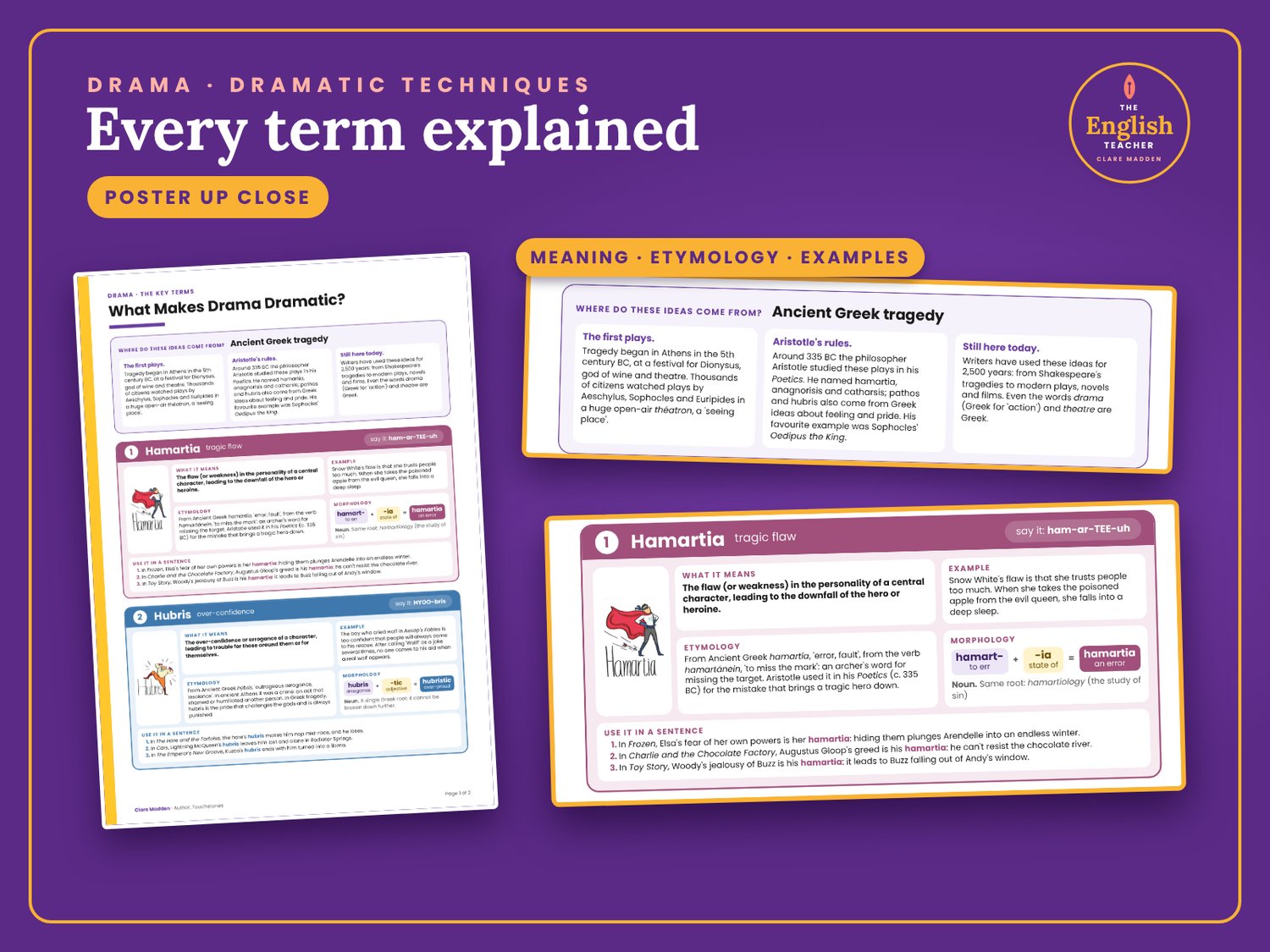
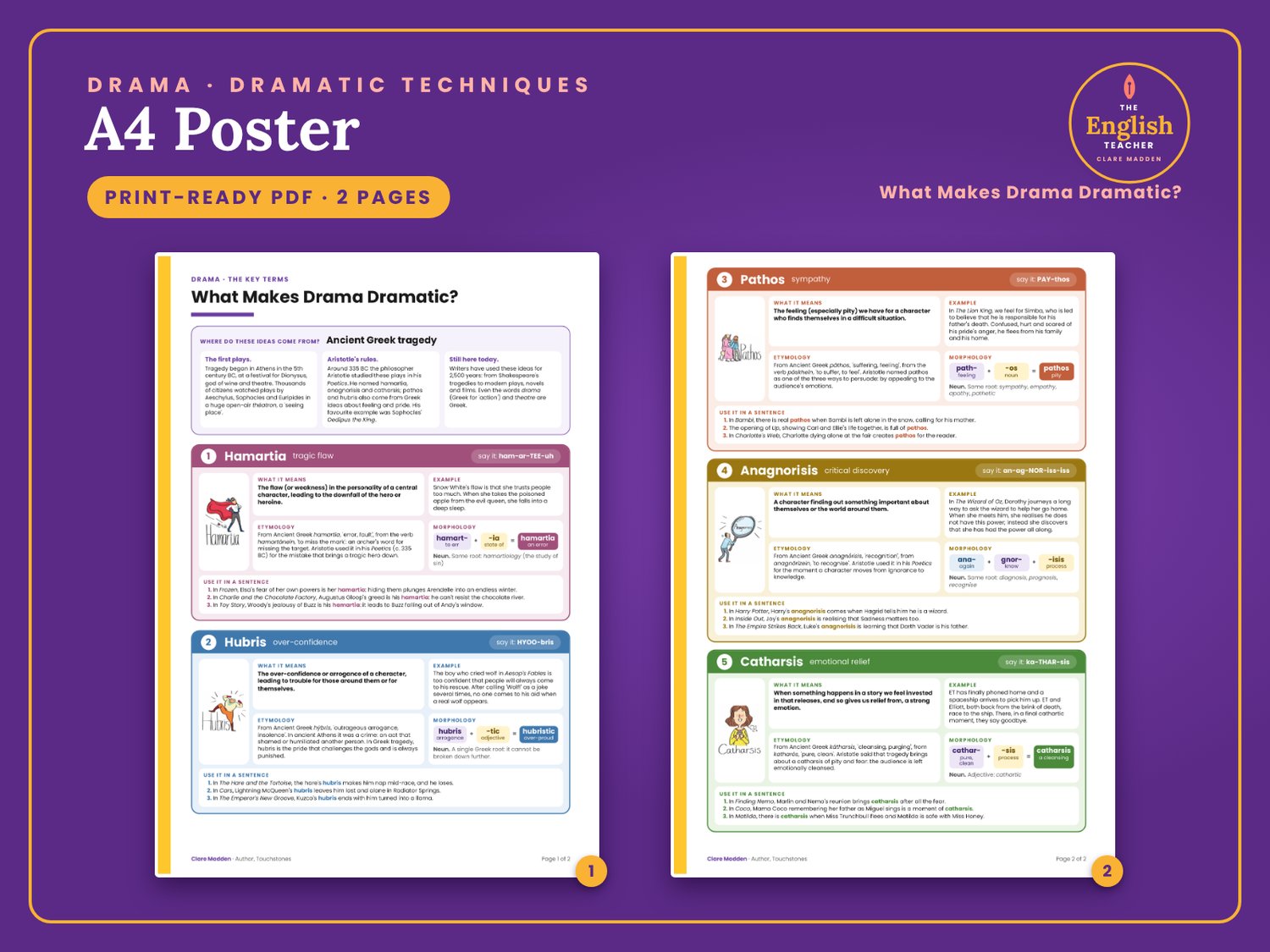
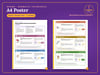
**What Makes Drama Dramatic? A4 poster (2 pages)**
- **Where these ideas come from:** a short introduction to Ancient Greek tragedy, Aristotle's *Poetics* and why these ideas are still used 2,500 years later
- **A full panel for each technique**, with:
- Pronunciation ("say it: ham-ar-TEE-uh")
- A clear definition and a familiar example (fables, fairy tales and films students already know)
- Etymology and morphology, showing how each word is built from its Greek roots
- Three "use it in a sentence" models drawn from films such as *Frozen*, *Toy Story* and *Cars*
- Display it on the wall, or give it out as a reference sheet
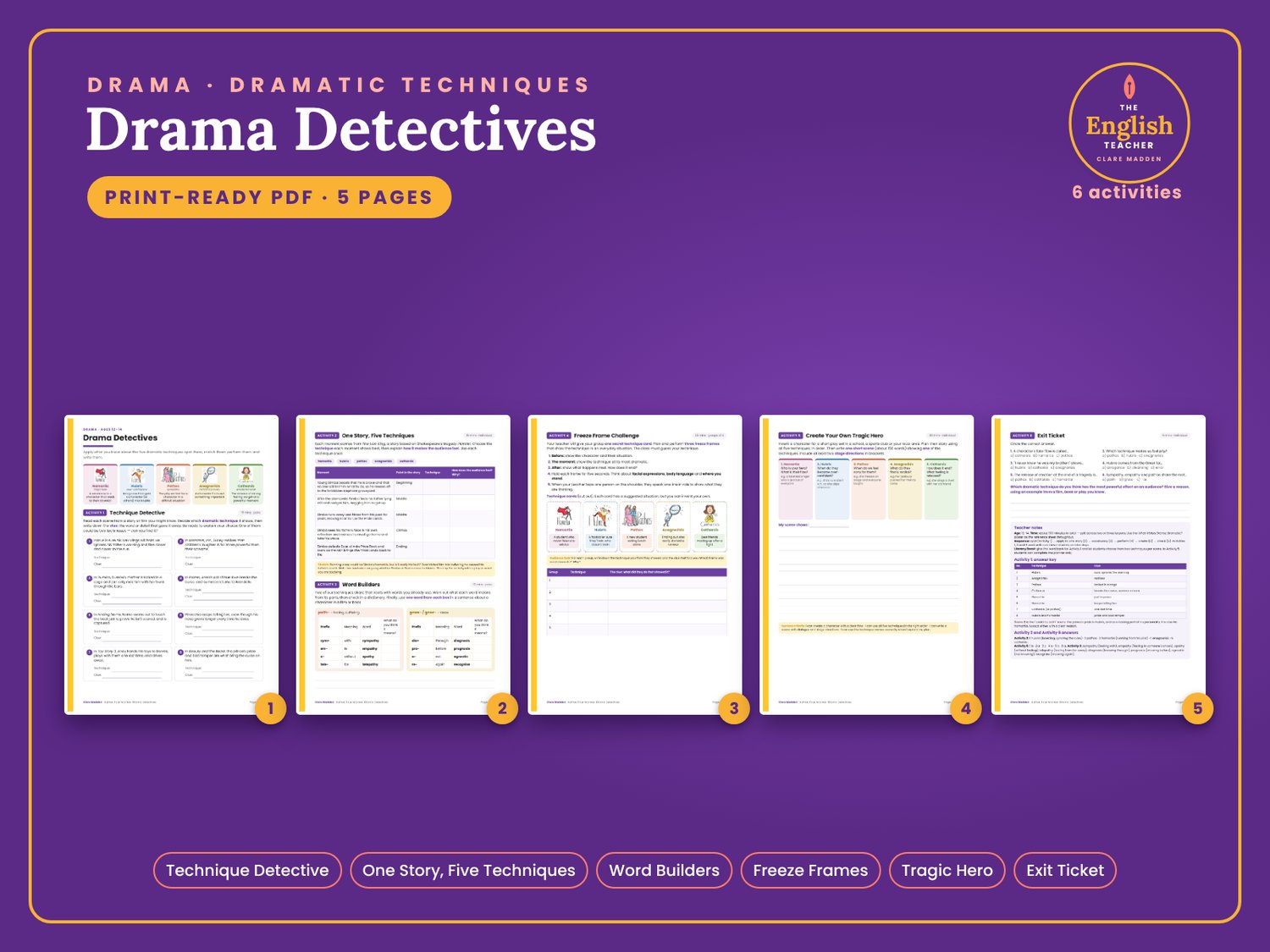
**Drama Detectives activity pack (5 pages, 6 activities)**
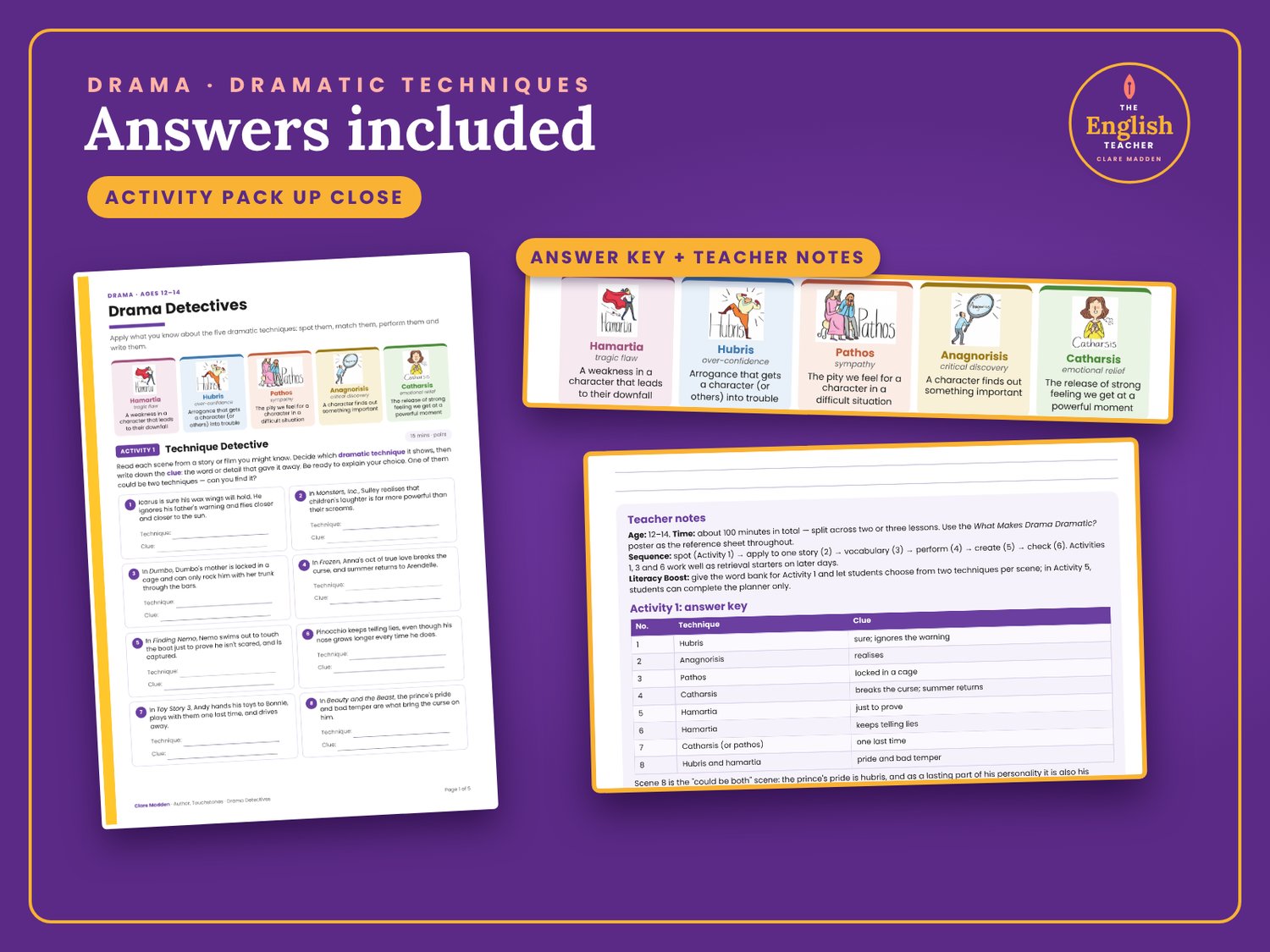
1. **Technique Detective** (15 mins, pairs): match eight familiar story moments to the right technique and find the clue
2. **One Story, Five Techniques** (15 mins, individual): trace all five techniques through *The Lion King*, the story based on *Hamlet*, plus a stretch task
3. **Word Builders** (10 mins, pairs): work out new words from shared roots (sympathy, empathy, diagnosis, recognise…)
4. **Freeze Frame Challenge** (25 mins, groups of 4): perform a secret technique in three freeze frames while the class guesses. Cut-out technique cards are included.
5. **Create Your Own Tragic Hero** (30 mins, individual): plan a character and write a short scene using all five techniques
6. **Exit Ticket** (5 mins): a quick multiple-choice check
**Teacher notes and answers:** suggested timings and sequence (about 100 minutes in total, split across two or three lessons), a Literacy Boost support suggestion, and a full answer key for Activities 1, 2, 3 and 6.
**Who it's for**
- English and drama classes aged 12–14 (Junior Cycle, KS3 or similar)
- A great introduction before starting a Shakespeare play or a drama text
- Older students who need a quick refresher on tragic terminology
**Format:** two print-ready A4 PDFs (poster, 2 pages; activity pack, 5 pages), in full colour.