
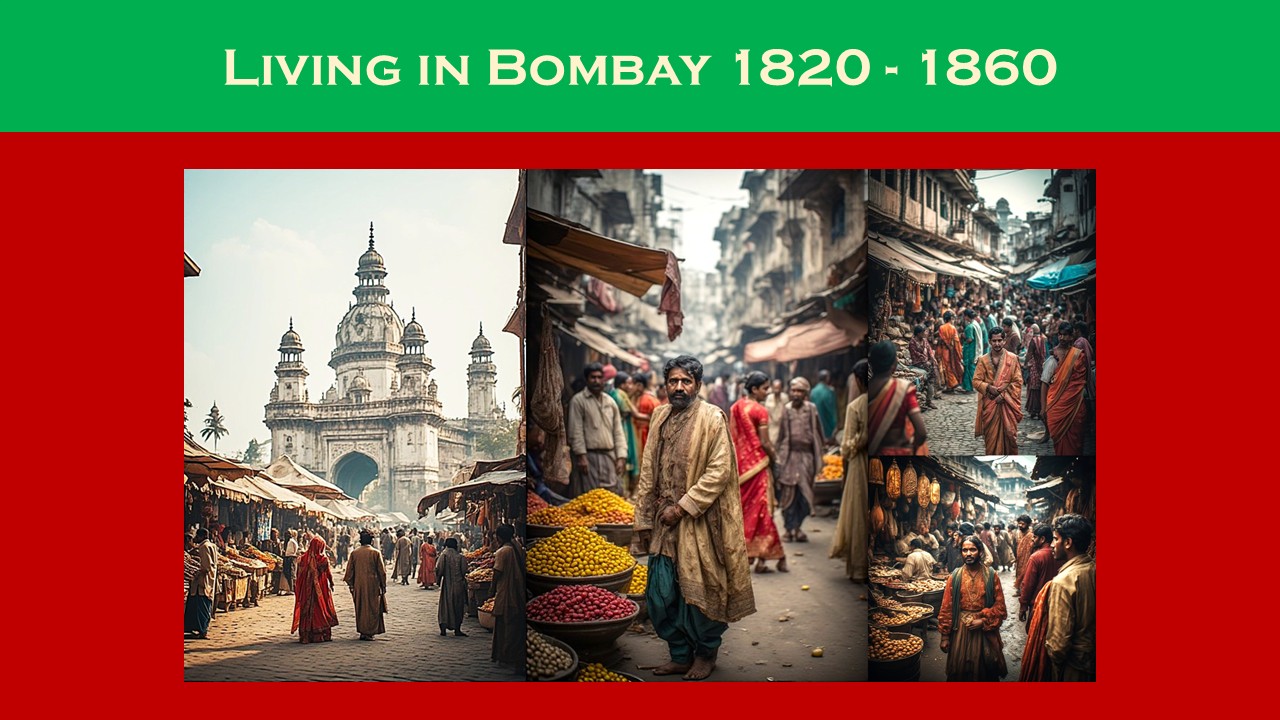



India history 1800 to 1860 (English)
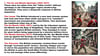
Bombay from 1995 Mumbai.
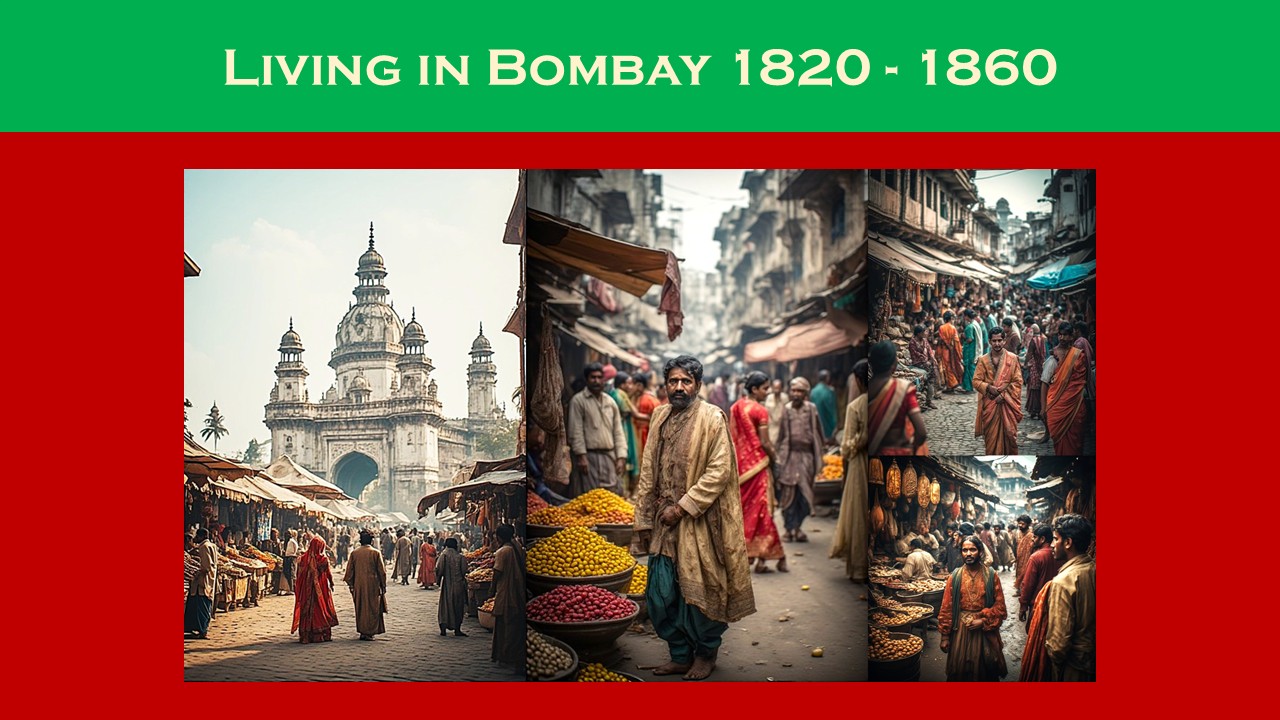
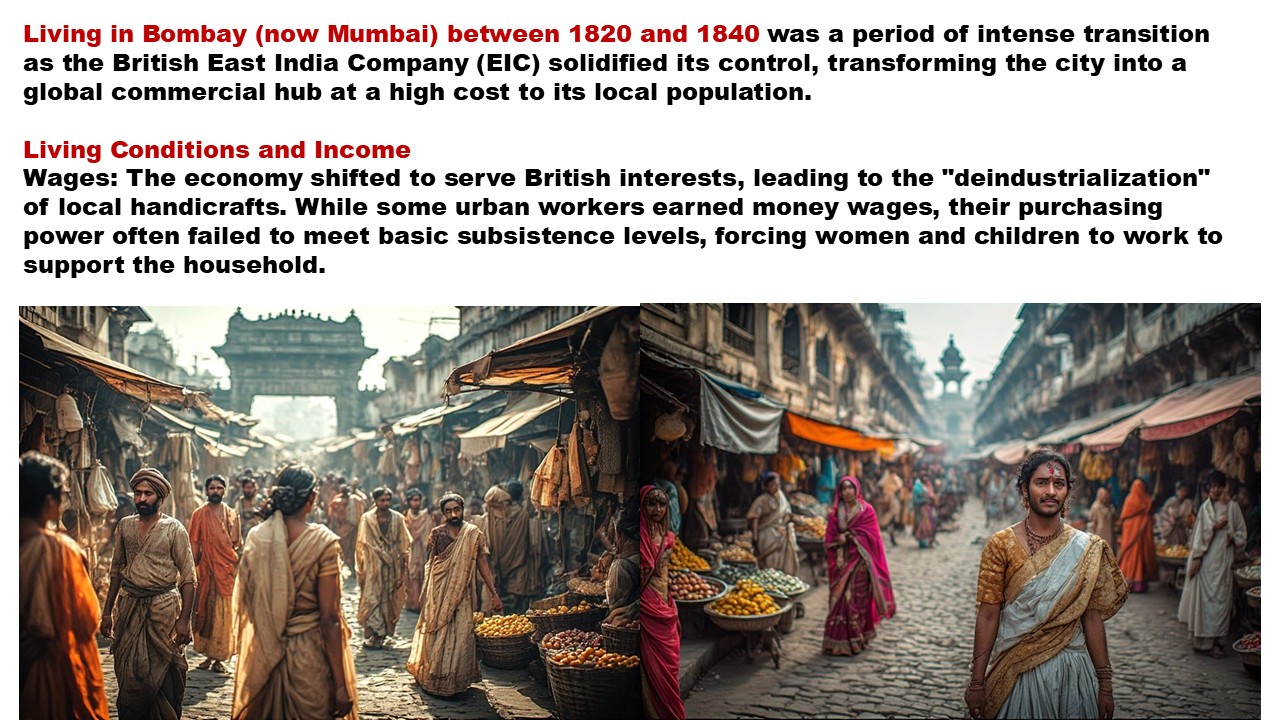
Living in Bombay (now Mumbai) between 1820 and 1840 was a period of intense transition as the British East India Company (EIC) solidified its control, transforming the city into a global commercial hub at a high cost to its local population.
Living Conditions and Income
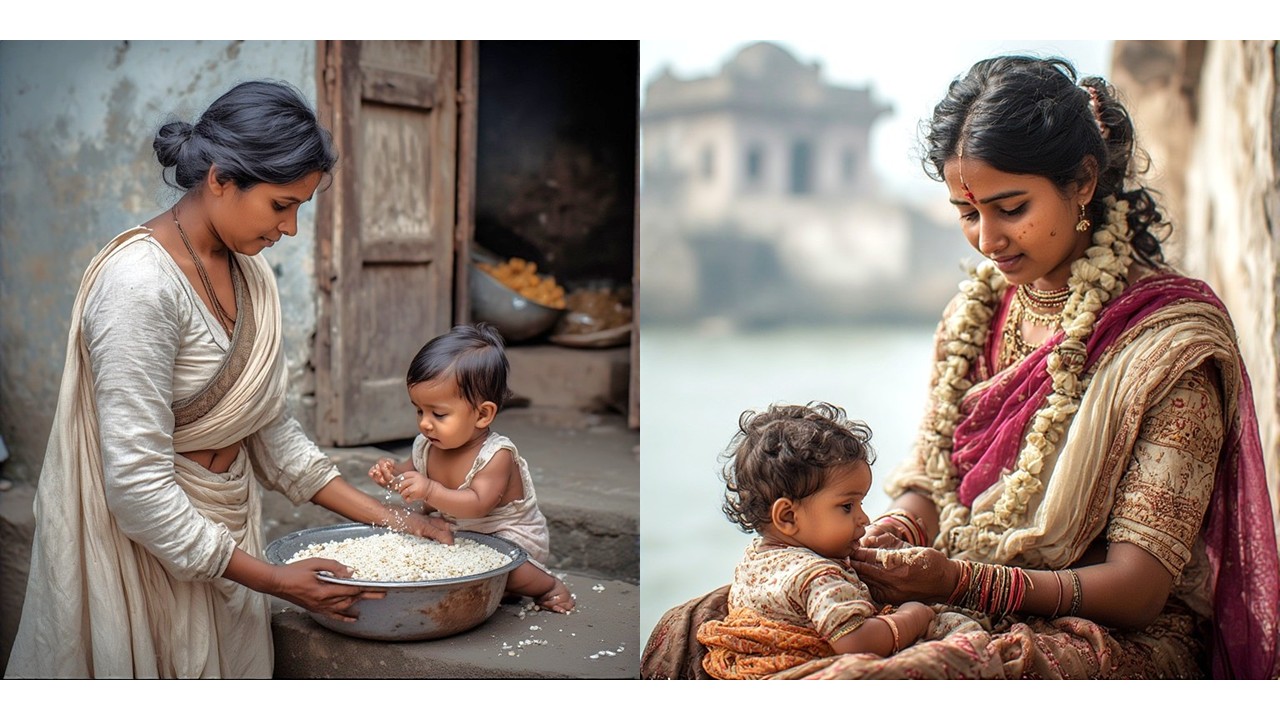
Wages: The economy shifted to serve British interests, leading to the "deindustrialization" of local handicrafts. While some urban workers earned money wages, their purchasing power often failed to meet basic subsistence levels, forcing women and children to work to support the household.
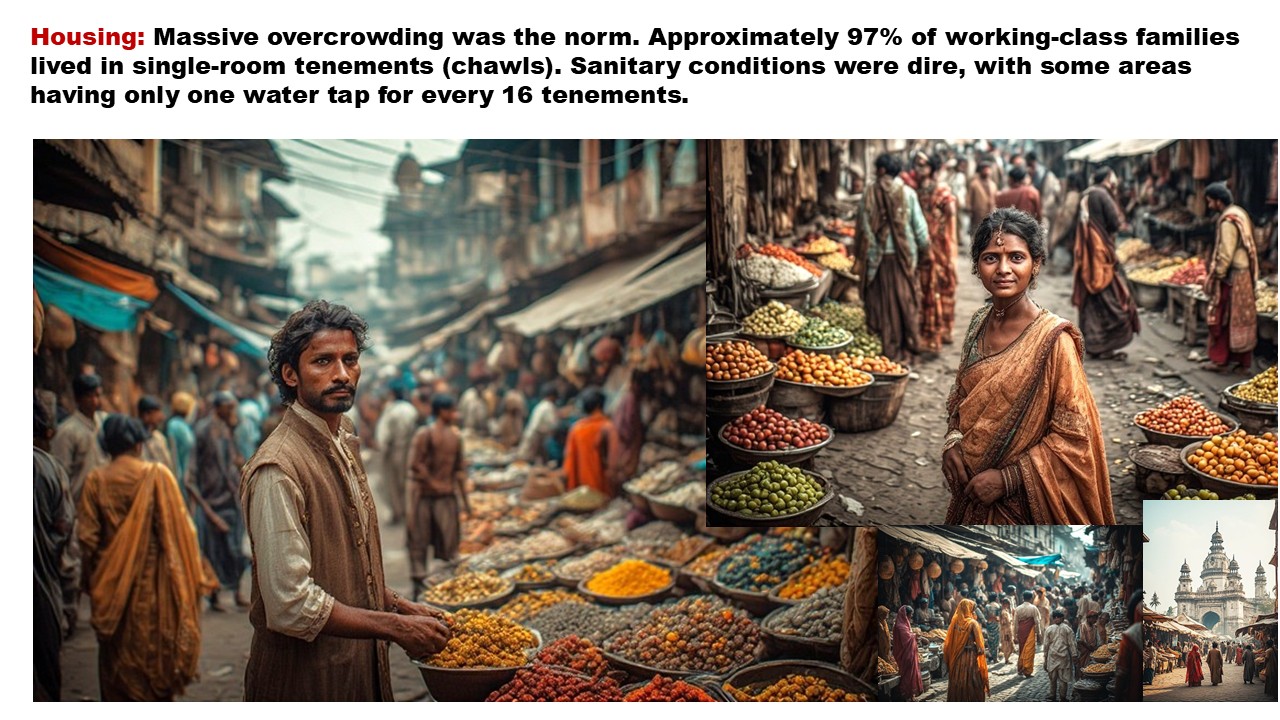
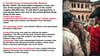
Housing: Massive overcrowding was the norm. Approximately 97% of working-class families lived in single-room tenements (chawls). Sanitary conditions were dire, with some areas having only one water tap for every 16 tenements.
Health and Life Expectancy
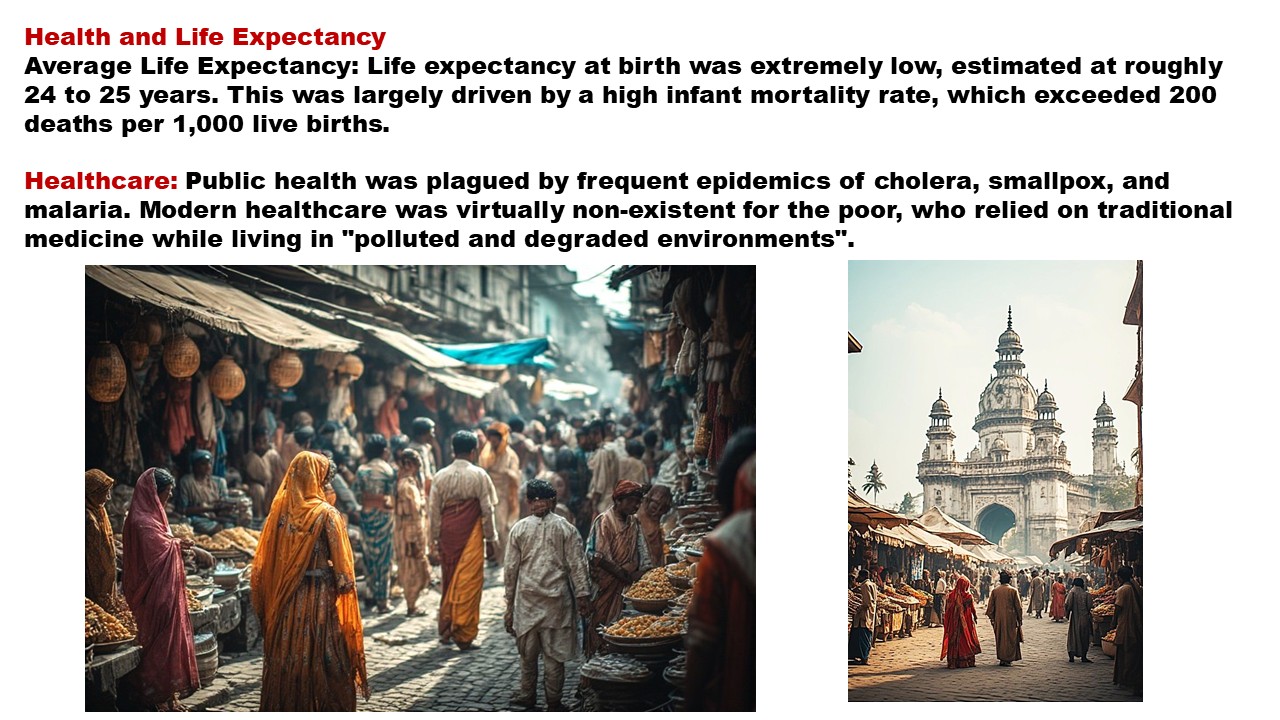
Average Life Expectancy: Life expectancy at birth was extremely low, estimated at roughly 24 to 25 years. This was largely driven by a high infant mortality rate, which exceeded 200 deaths per 1,000 live births.
Healthcare: Public health was plagued by frequent epidemics of cholera, smallpox, and malaria. Modern healthcare was virtually non-existent for the poor, who relied on traditional medicine while living in "polluted and degraded environments".
Colonial Authority and Forced Labor
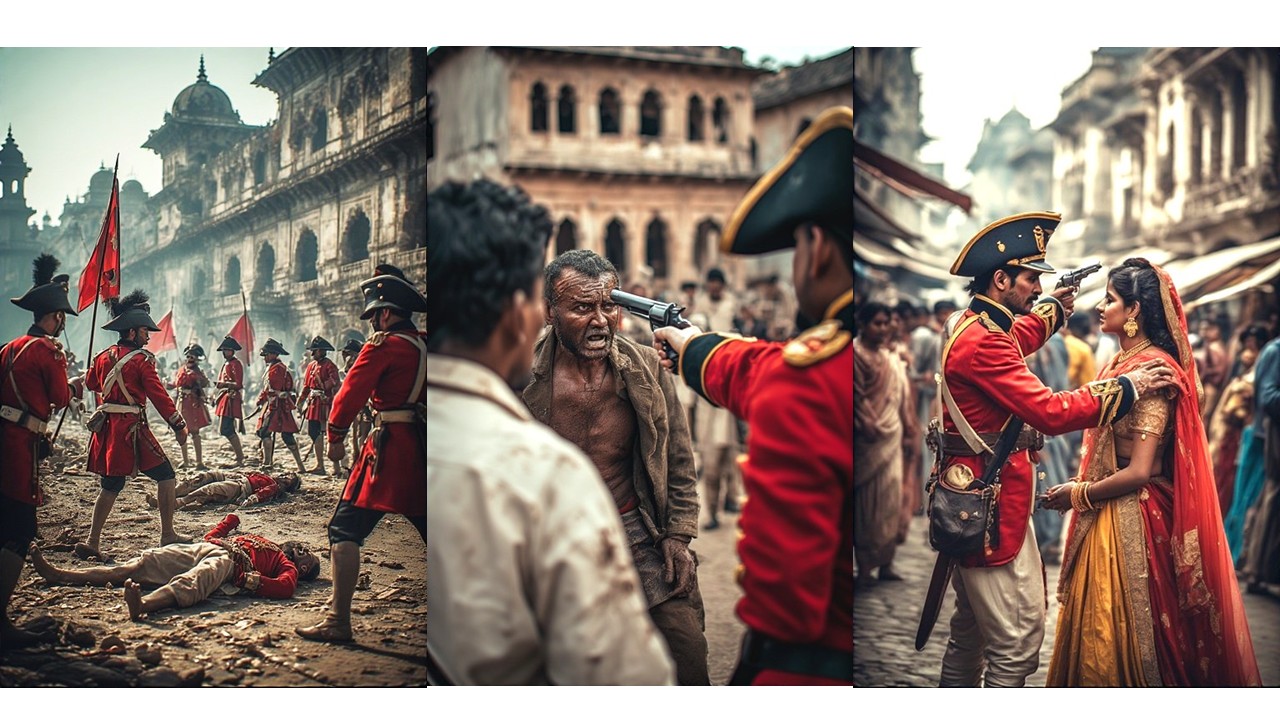
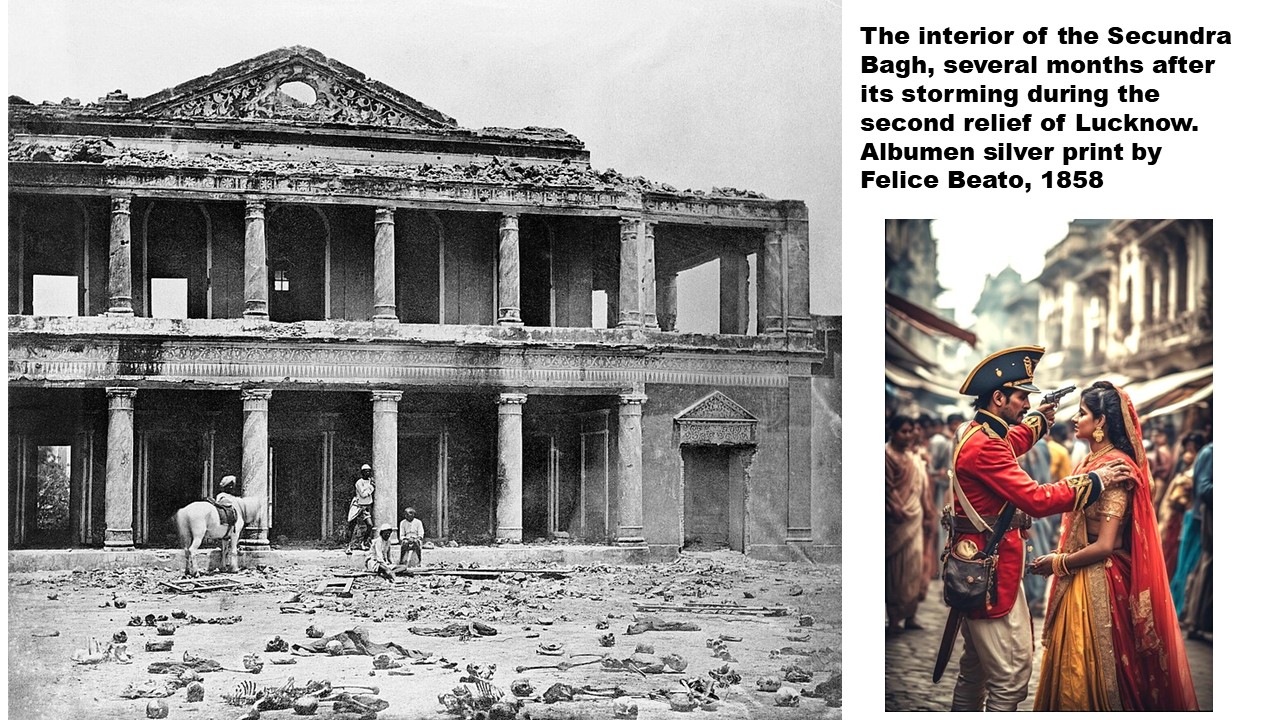
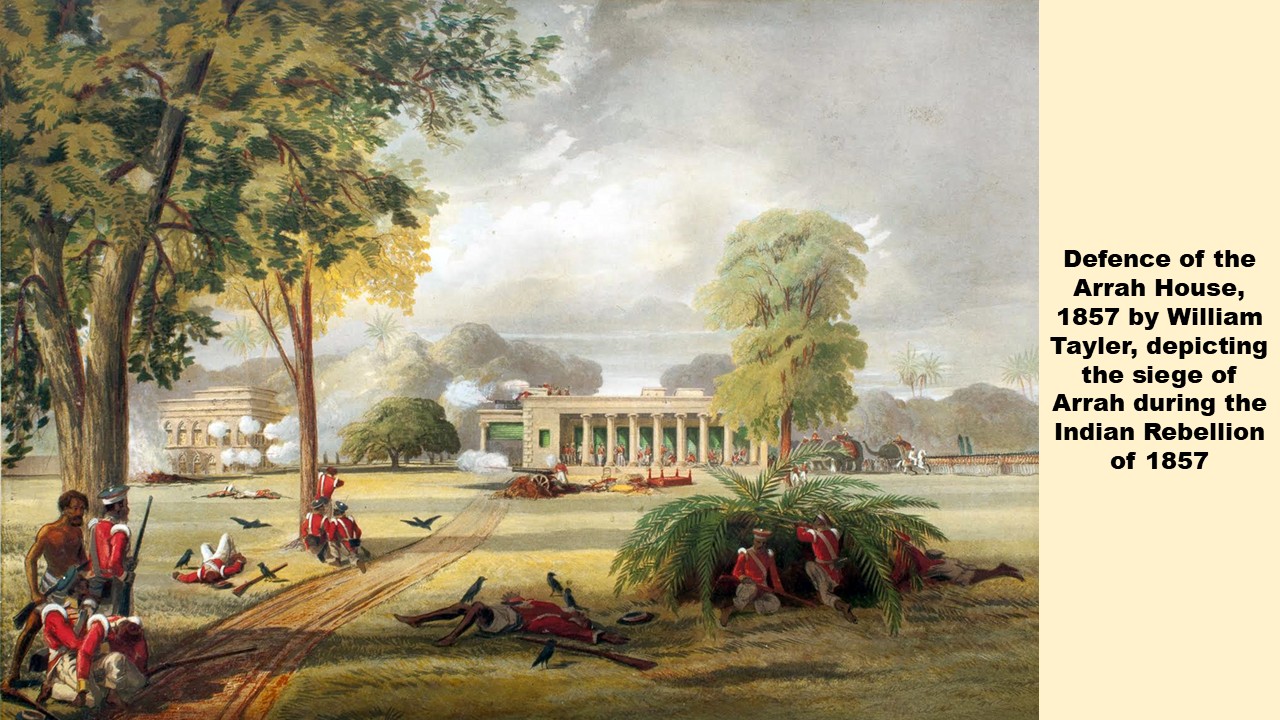
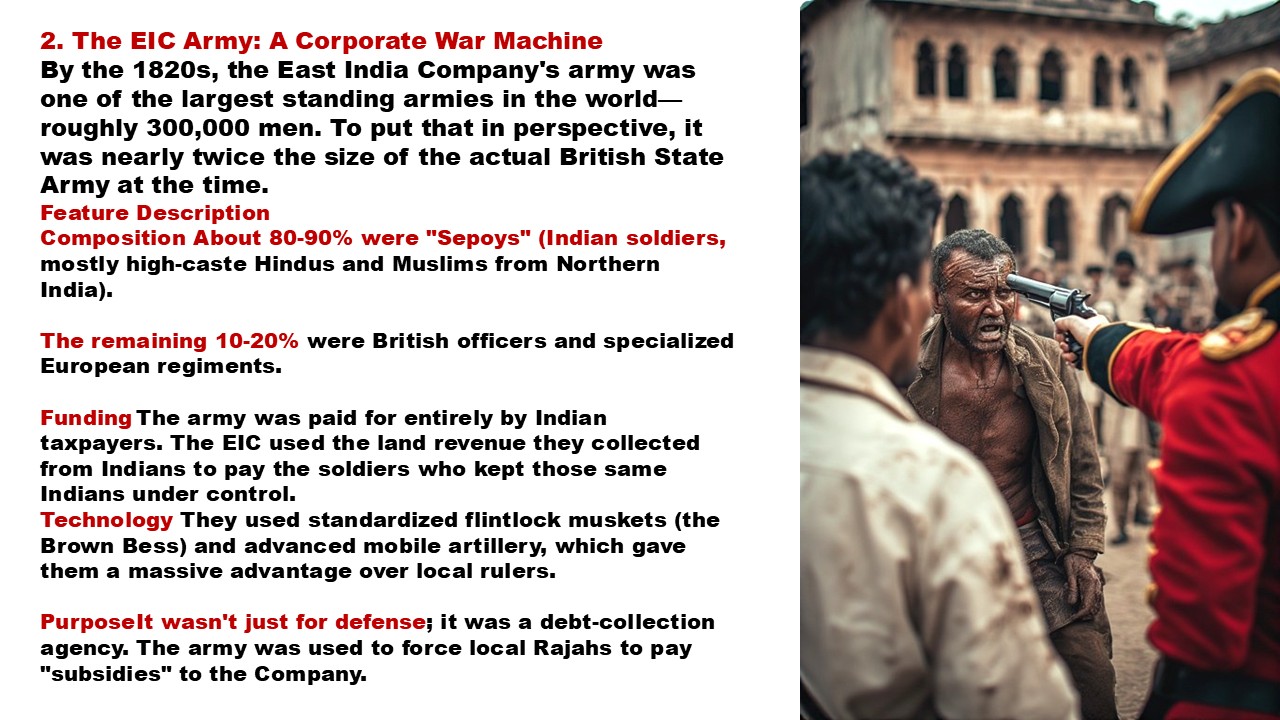
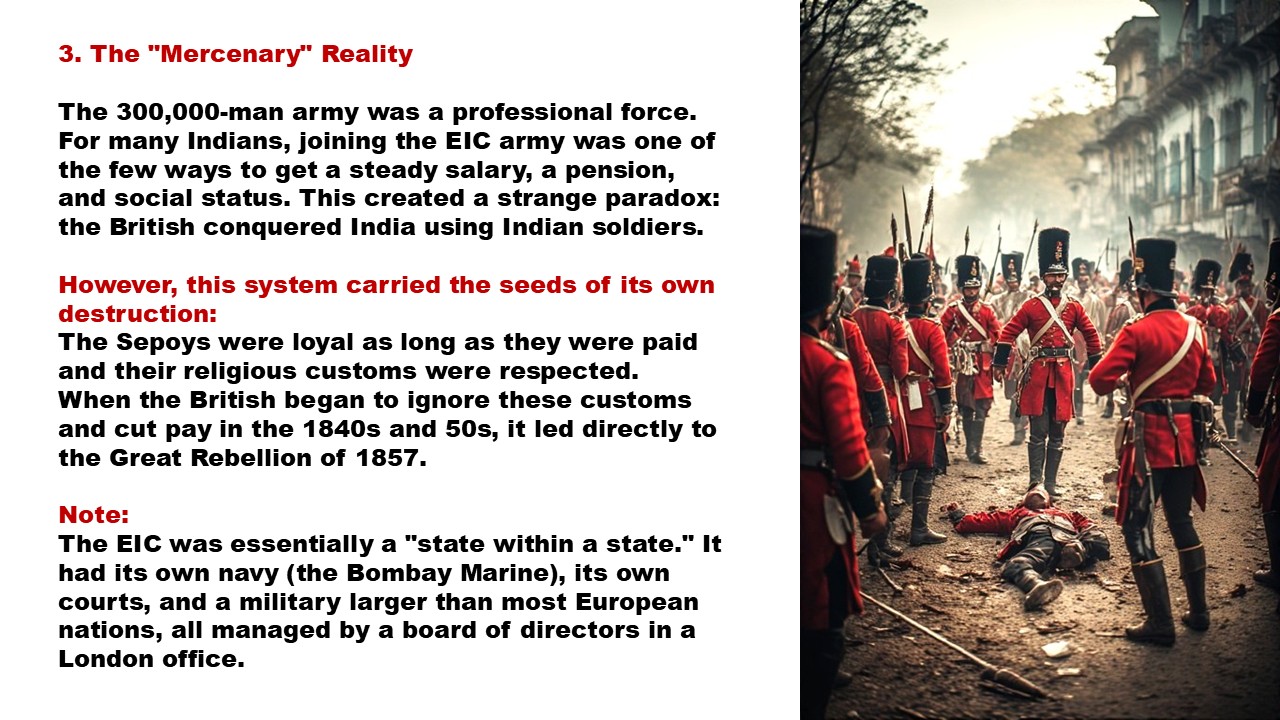
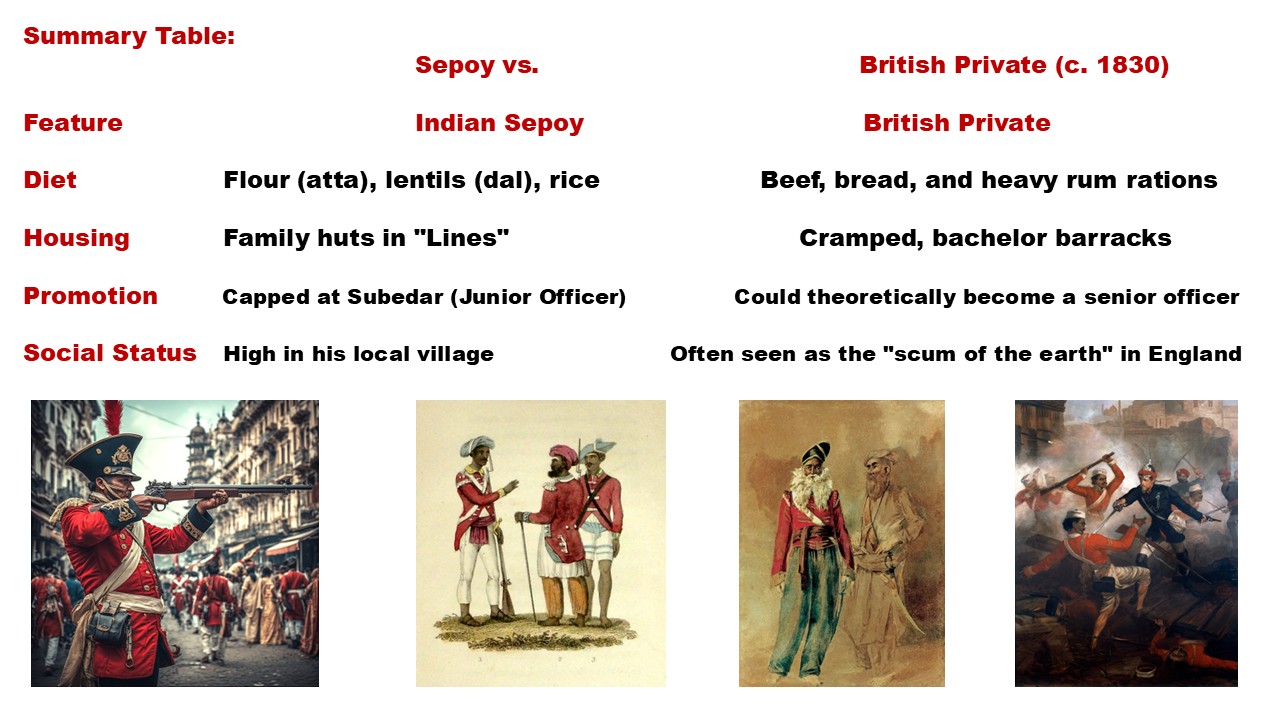
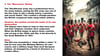
Violence: The EIC maintained order through a massive private army, which grew to 300,000 soldiers by 1820. This force was used to enforce "ruinous taxation" and carry out officially sanctioned looting.
Forced Labor: Although formal slavery was being phased out, the British utilized indentured labor and other forms of forced service to build infrastructure and man the growing opium and cotton trades.
Rebellion and Crime
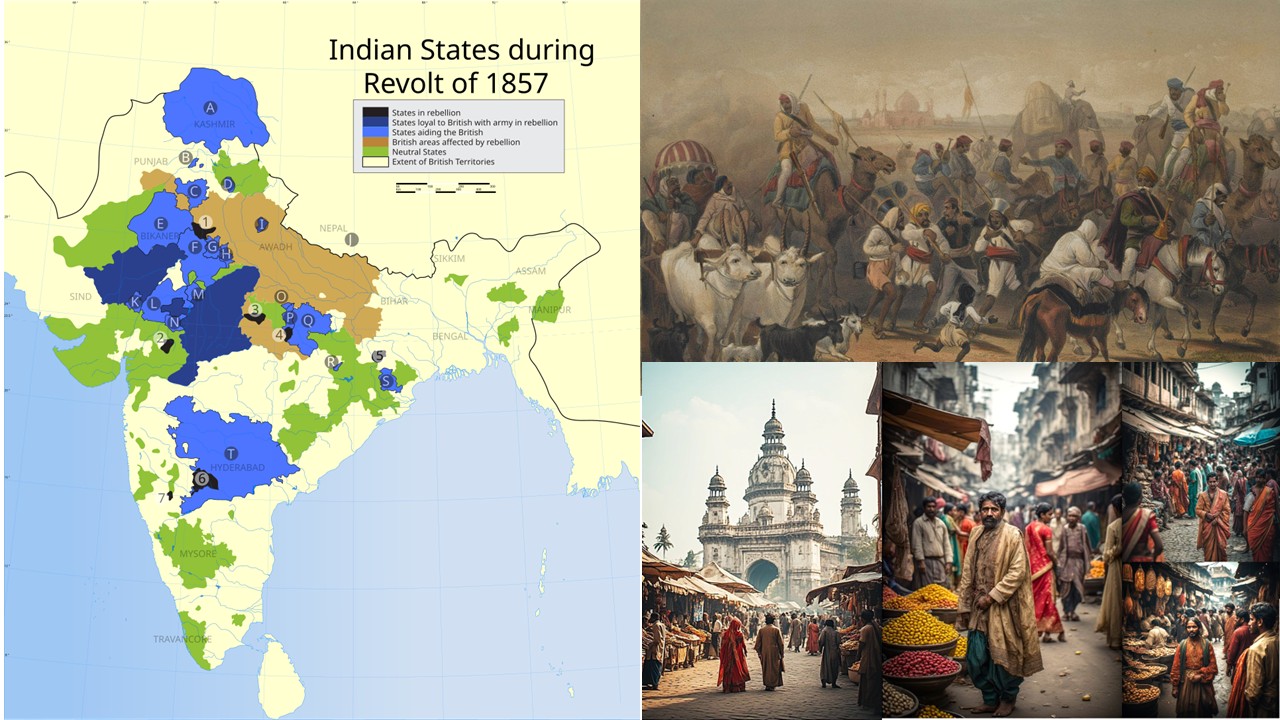
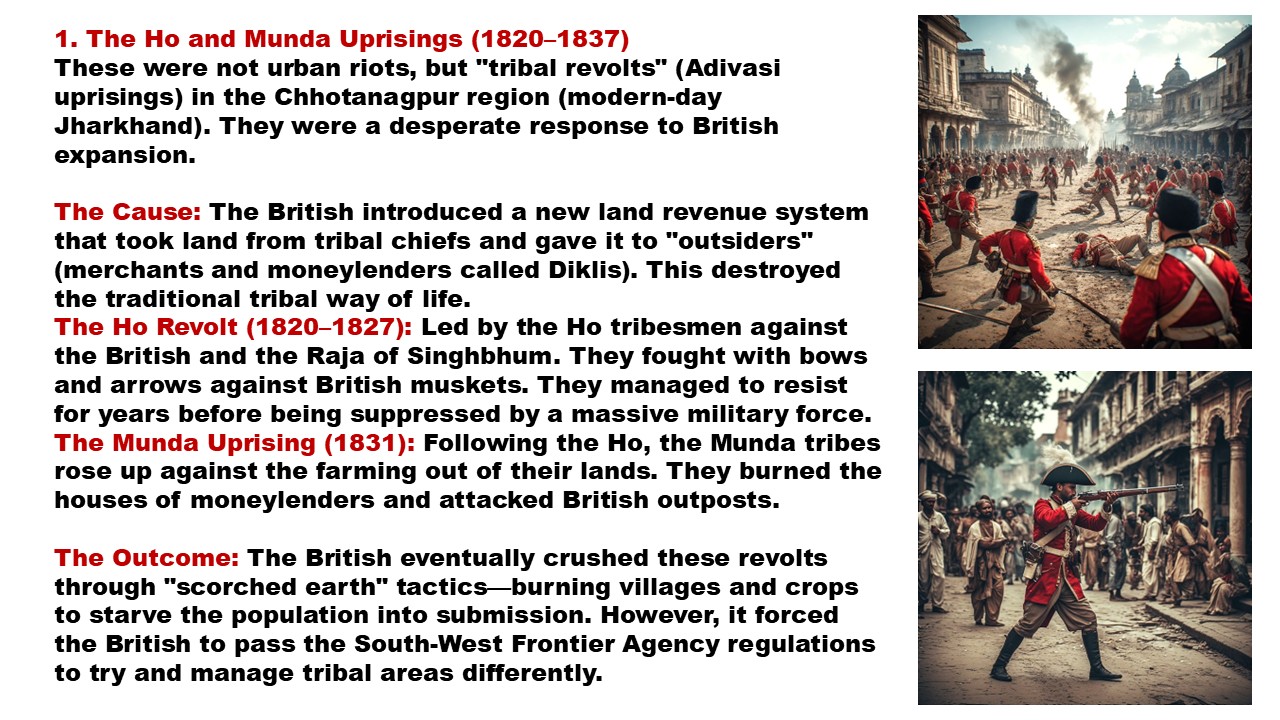
Resistance: While the famous Sepoy Mutiny occurred later (1857), this era saw numerous smaller uprisings, such as the Ho and Munda revolts (1820–1837) and the Satara disturbances (1840).
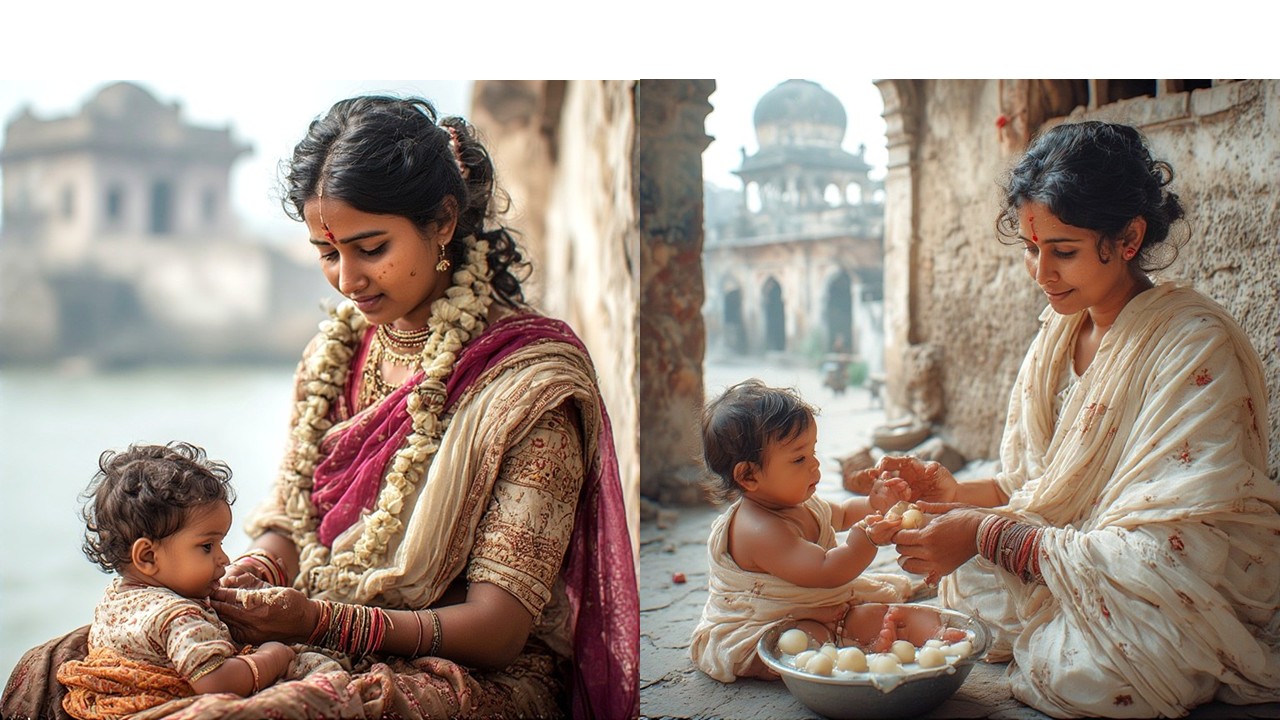
Criminality: Extreme poverty led to widespread petty crime. The British often criminalized entire communities under the "Criminal Tribes" logic to justify strict surveillance and military intervention. AI photos used and from Wikipedia.