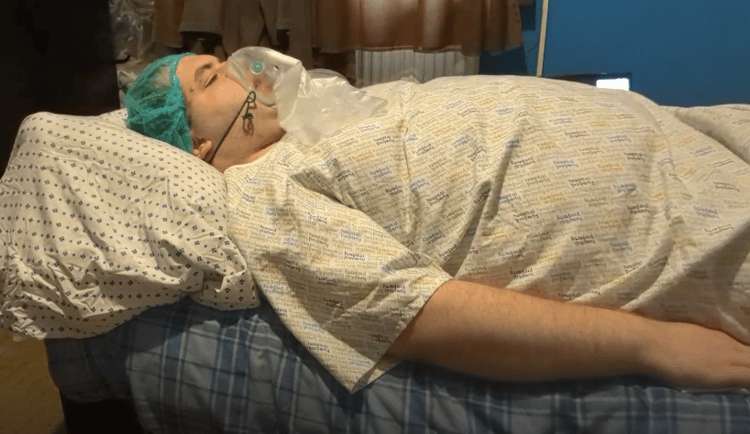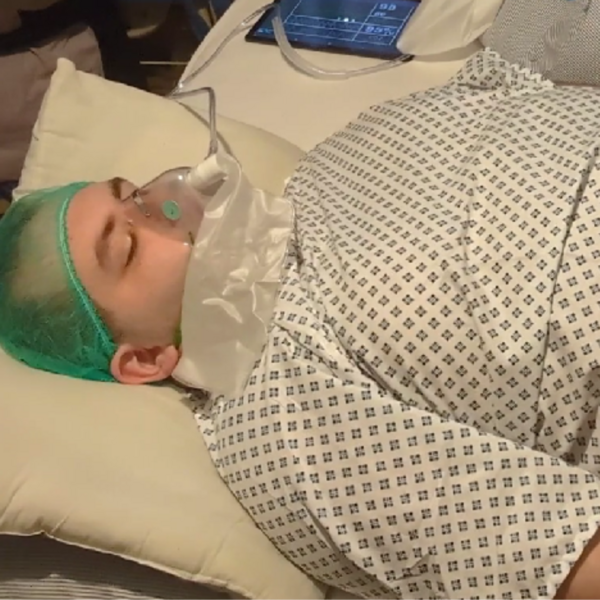
Emergency Cardioversion
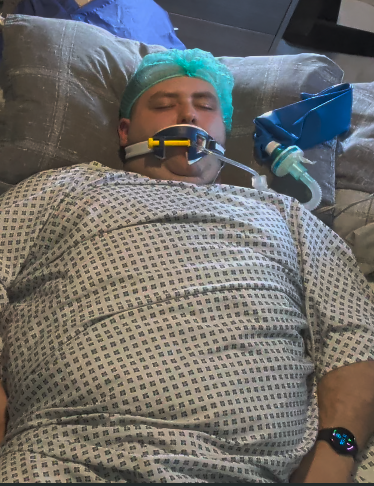
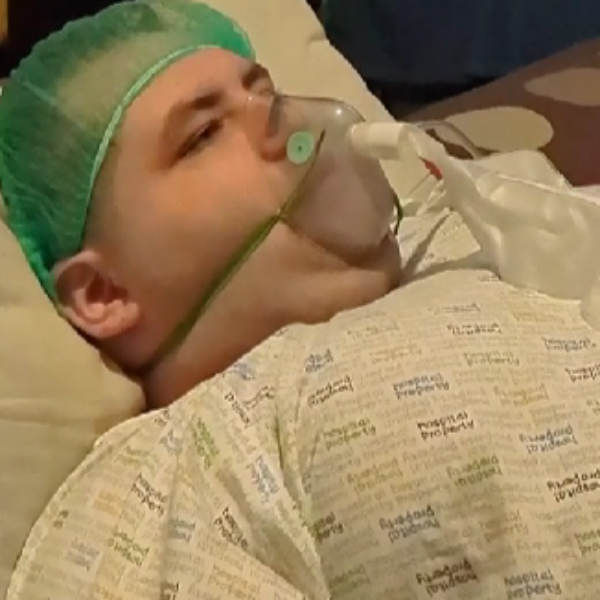
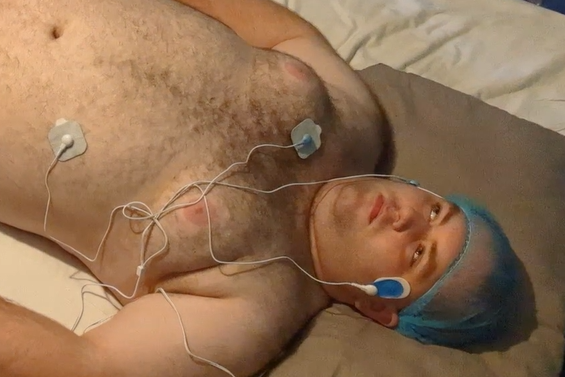
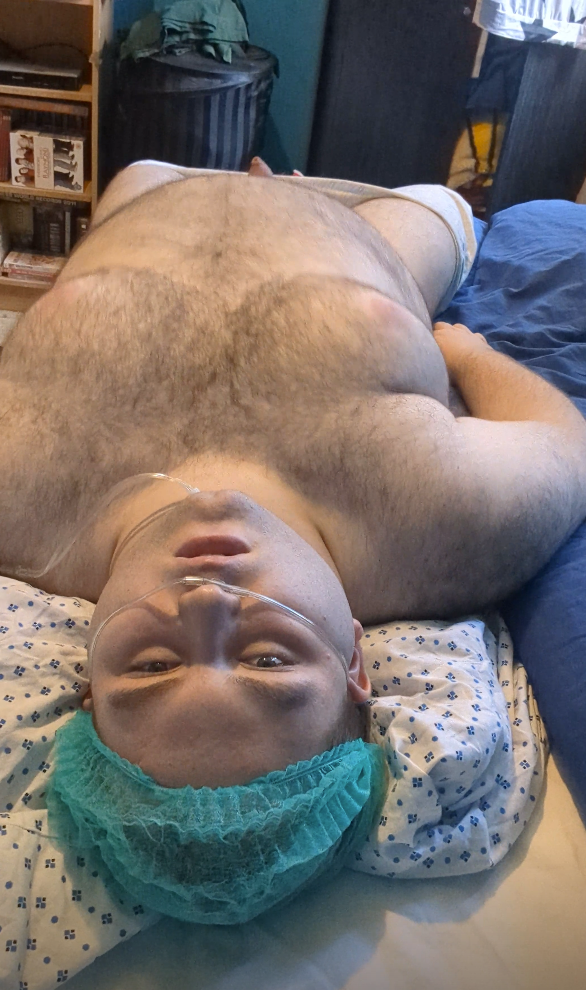
Jack was only twenty‑two when he walked into the hospital expecting nothing more than a routine heart exam—something quick, ordinary, forgettable. But the moment the nurse studied his monitor, the mood shifted. His heart was racing far too fast, a rhythm spiralling out of control. Within seconds, the calm room transformed into a flurry of urgent motion as the team prepared for an emergency cardioversion.
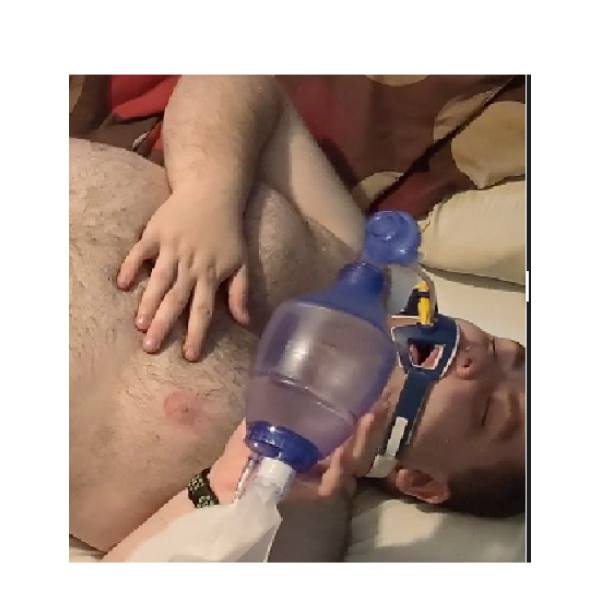
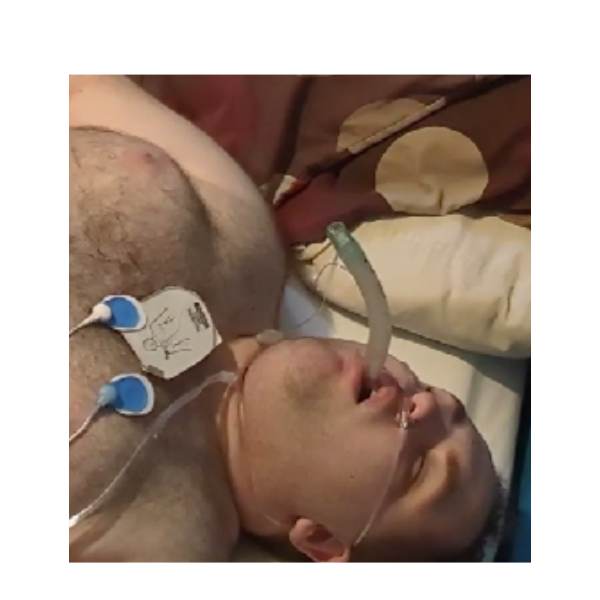
The first shock didn’t bring his heart back. Nor did the second. Each attempt tightened the air, the nurses exchanging worried glances as the rhythm refused to settle. Then came the final shock—one meant to save him—but instead, the monitor fell into a chilling silence. Jack’s heart stopped.
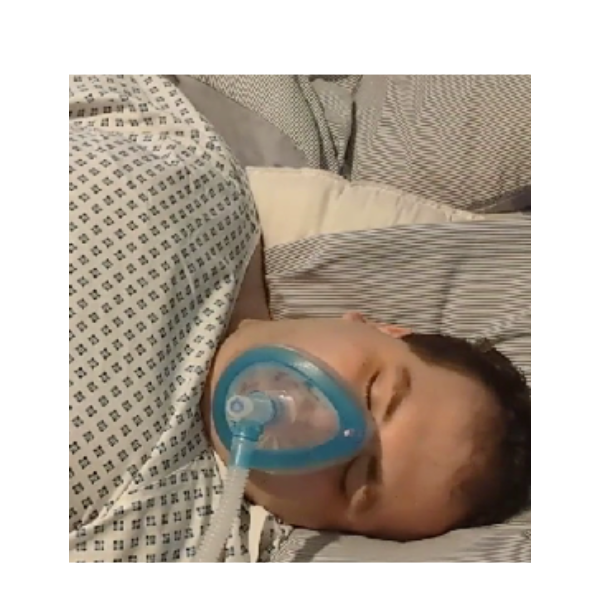
The room froze for a breath before erupting into action. Nurses rushed to his side, voices sharp with determination as they fought to pull him back from the edge. Whether Jack would return remained painfully uncertain, his future hanging in the balance of a moment no one had seen coming.