
Supramolecular Chemistry: Designing Molecular Conversations and Emergent Systems
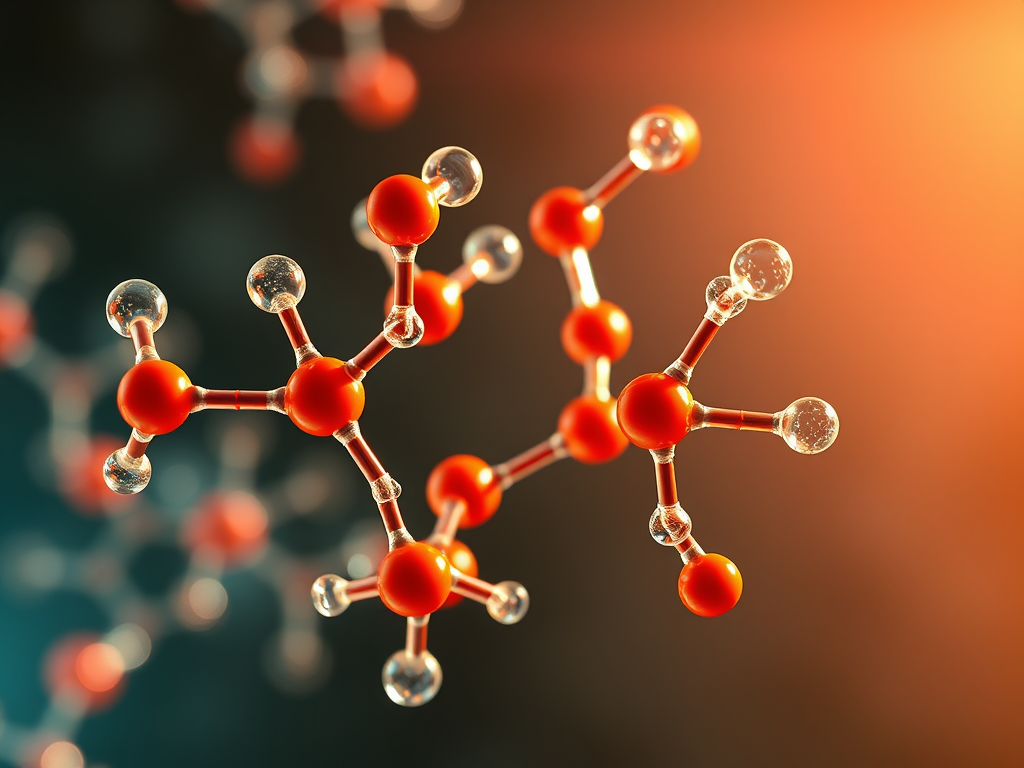
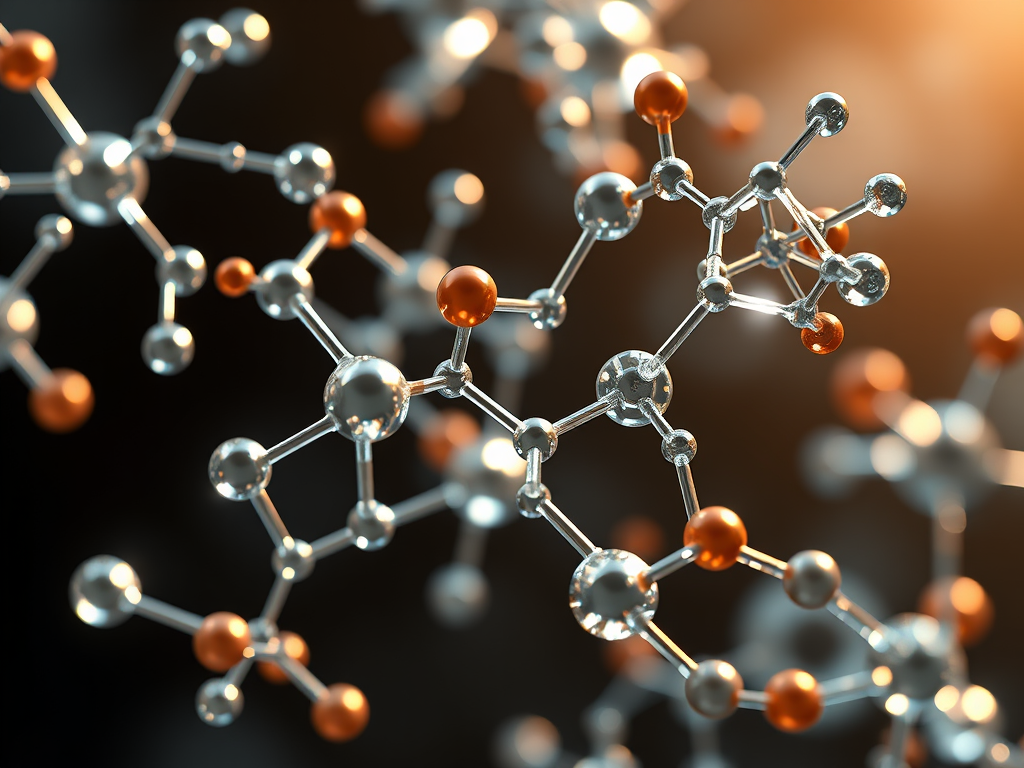
Supramolecular chemistry is the study of molecular conversation, how discrete entities interact, assemble, and function through non-covalent forces. It shifts the focus from individual molecules to the architectures they form together, revealing how hydrogen bonds, van der Waals forces, π-π stacking, and electrostatic interactions choreograph complex systems. These interactions are subtle yet powerful, enabling molecular recognition, self-assembly, and emergent functionality.
This framework invites chemists, materials scientists, and interdisciplinary designers to explore supramolecular chemistry as both a technical and philosophical inquiry. It traces foundational concepts such as host–guest chemistry and self-assembly, and examines how supramolecular systems are designed for applications in drug delivery, sensing, catalysis, and nanotechnology. It also foregrounds ethical and environmental considerations, recognising that molecular design is not just about control, but about care, context, and collaboration.
Structured across six iterative steps, the guide scaffolds conceptual clarity, design principles, and reflective engagement. It encourages learners to consider how molecules “communicate” without covalent bonds, and how supramolecular thinking might inform disabled-led design, adaptive scaffolding, and legacy-oriented innovation.
For those committed to precision, relational science, and inclusive practice, this resource affirms that supramolecular chemistry is not just about structure; it is about how molecules listen, respond, and co-create.
Each Spiralmore download comes with a personal-use license. Please honour its creative integrity by not redistributing, republishing, or sharing content without explicit permission.