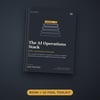
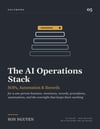
The AI Operations Stack: SOPs, Automation & Records (Book + Operator Toolkit)
Your business runs on dozens of tools, a few automations, and your memory.
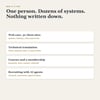
An update runs overnight and six client sites break. A drive fails and seventeen years of client files turn out to have no index. A payment processor slows for forty minutes and a workflow charges 143 members twice. An AI agent picks last year's job description and sends it to 312 people. None of these operators was careless. What each one lacked was visibility: the steps lived in their heads, the records lived wherever they had landed, and the automations ran without anyone watching.
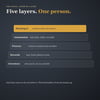
This book shows how to build the operations stack underneath a business of one, layer by layer, so it can be understood, checked, handed over, and trusted, including on the day you are tired, distracted, or away.
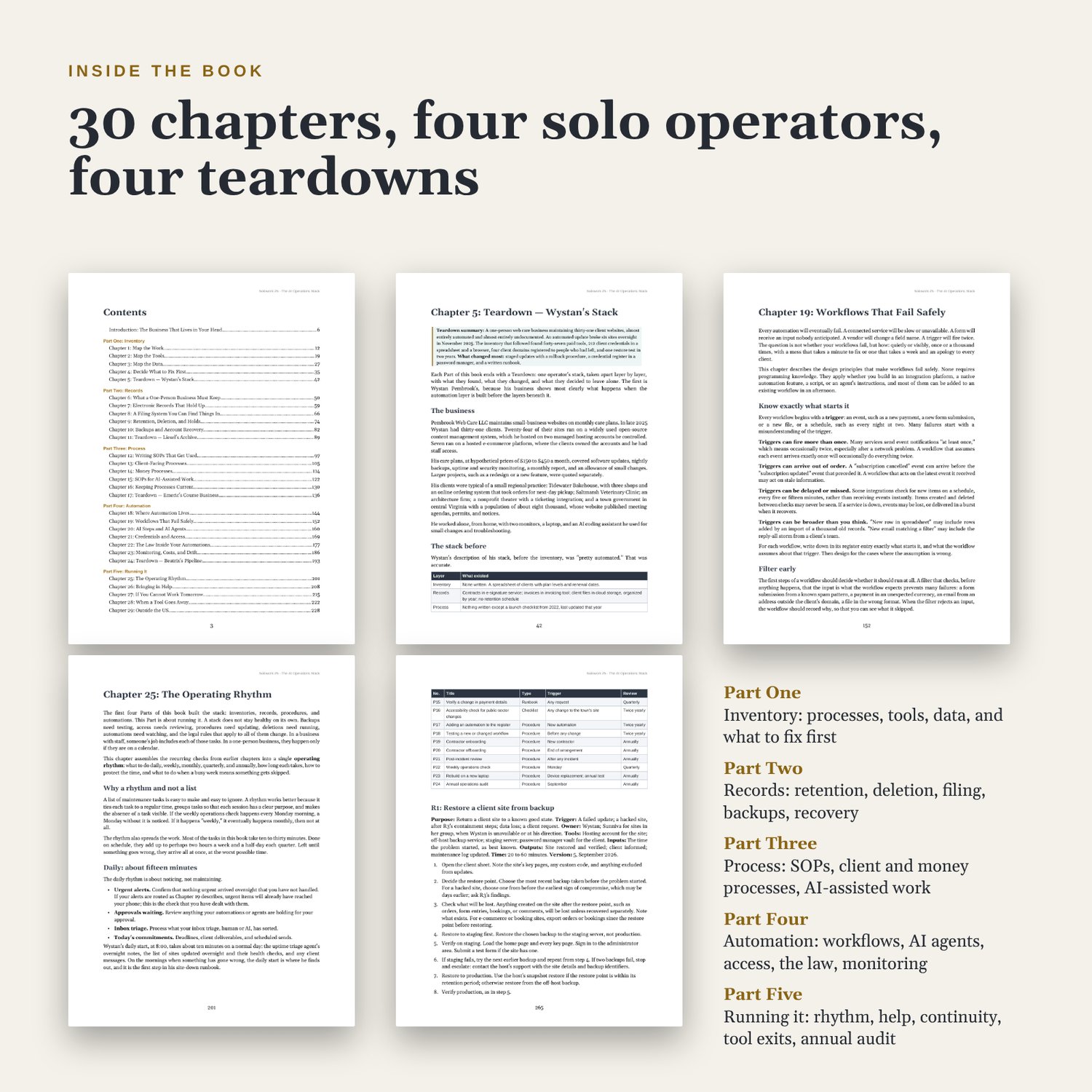
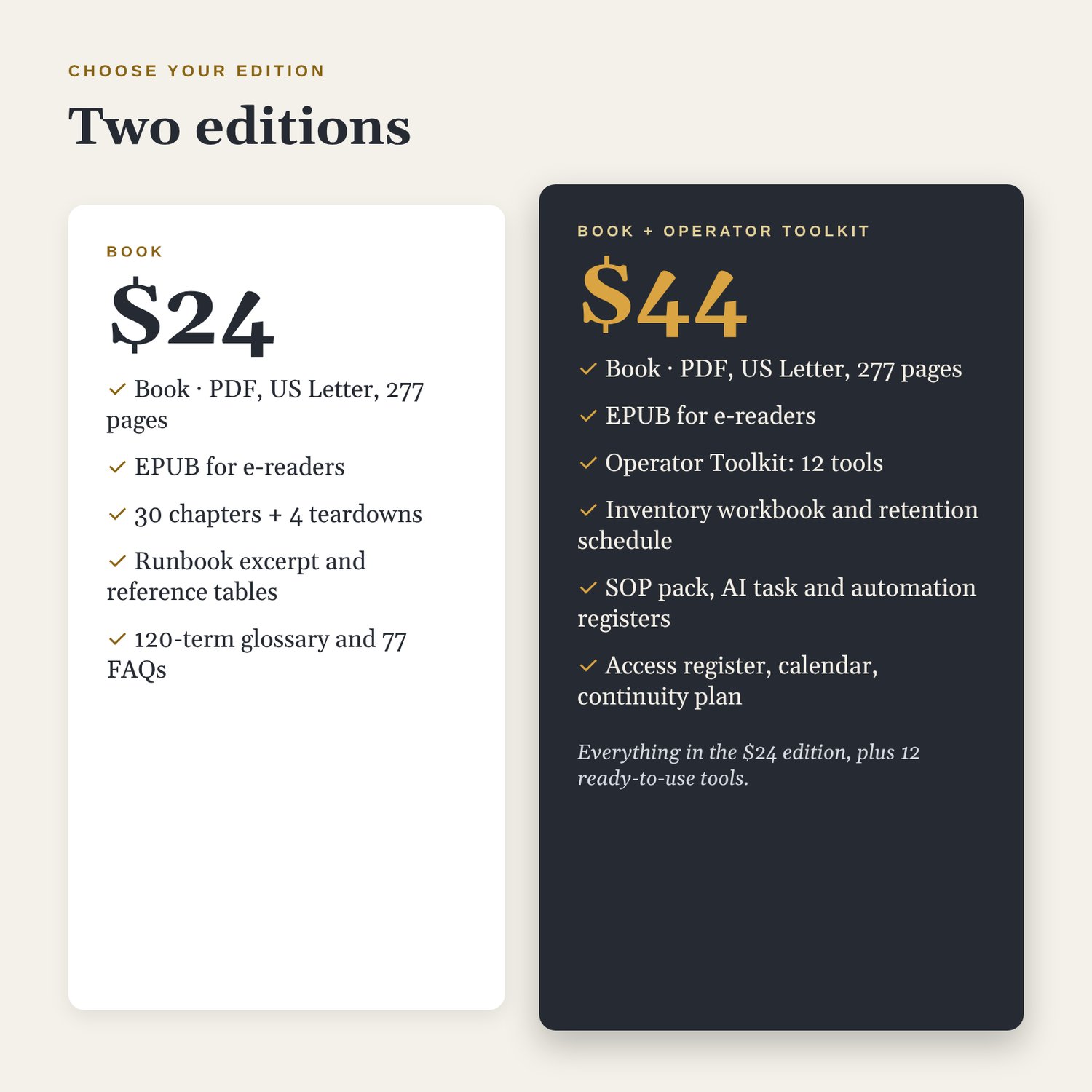
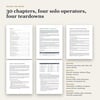
What's inside the book (277 pages, US Letter PDF + EPUB):
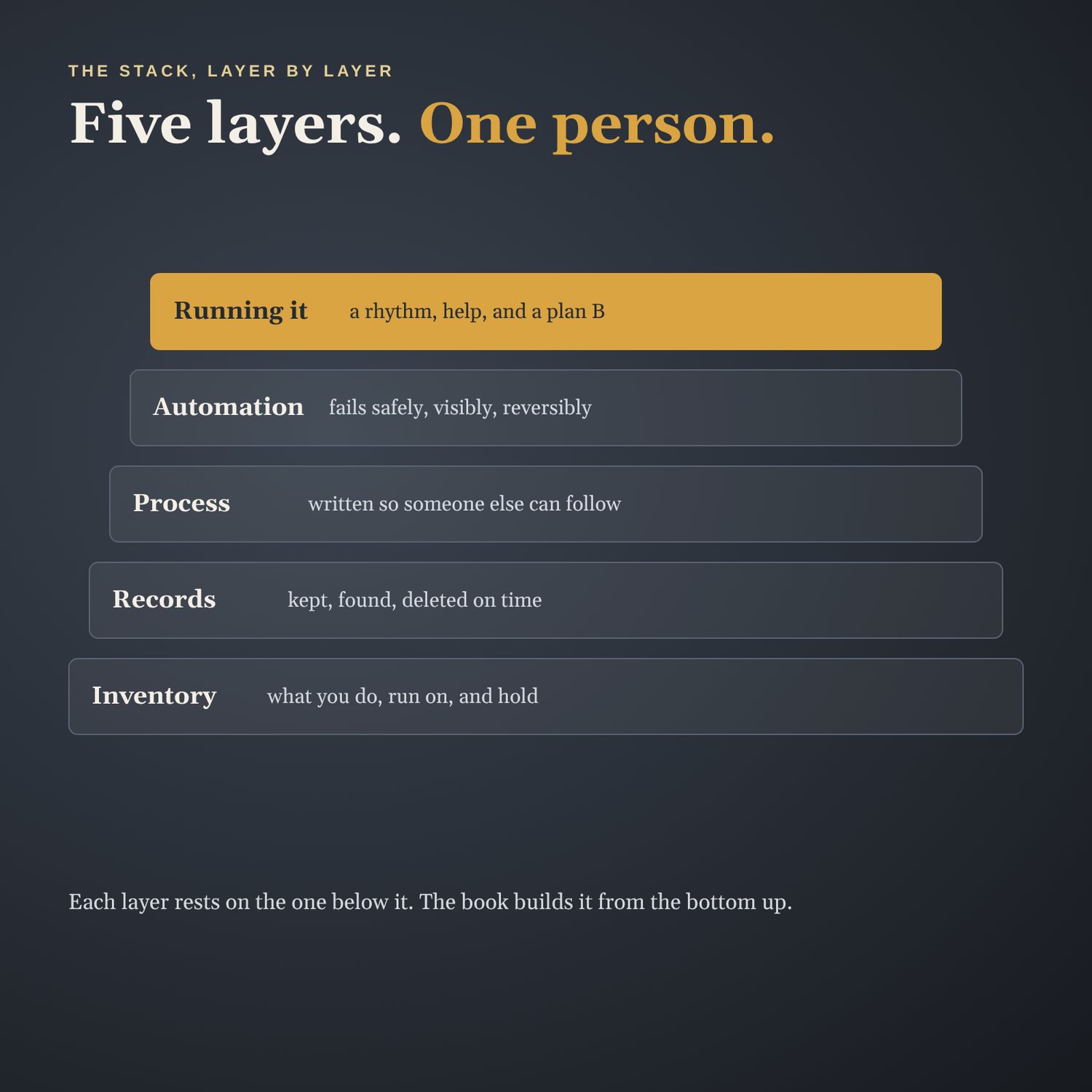
- Part One — Inventory: list what your business actually does, the tools it runs on, and the information it holds; score every process on risk and effort; and fix the dangerous items in the first two weeks.
- Part Two — Records: what a solo business must keep and for how long, electronic records and signatures that hold up, a filing system you can find things in, retention, deletion, and legal holds, and backups and account recovery you have actually tested.
- Part Three — Process: checklists, procedures, and runbooks that get used; client-facing and money processes; SOPs for AI-assisted work, with controlled prompts, test sets, and review that is not a rubber stamp; and keeping procedures current.
- Part Four — Automation: where automation should live, workflows that fail safely, AI steps and AI agents with least access and approval gates, credentials and access, the email, texting, recording, renewal, and AI hiring rules that travel inside automations, and monitoring for costs and silent failures.
- Part Five — Running It: an operating rhythm from daily to annual, bringing in a contractor, a continuity plan for the day you cannot work, what to do when a tool goes away, notes for the UK, Canada, Australia, and the EU, and an annual operations audit.
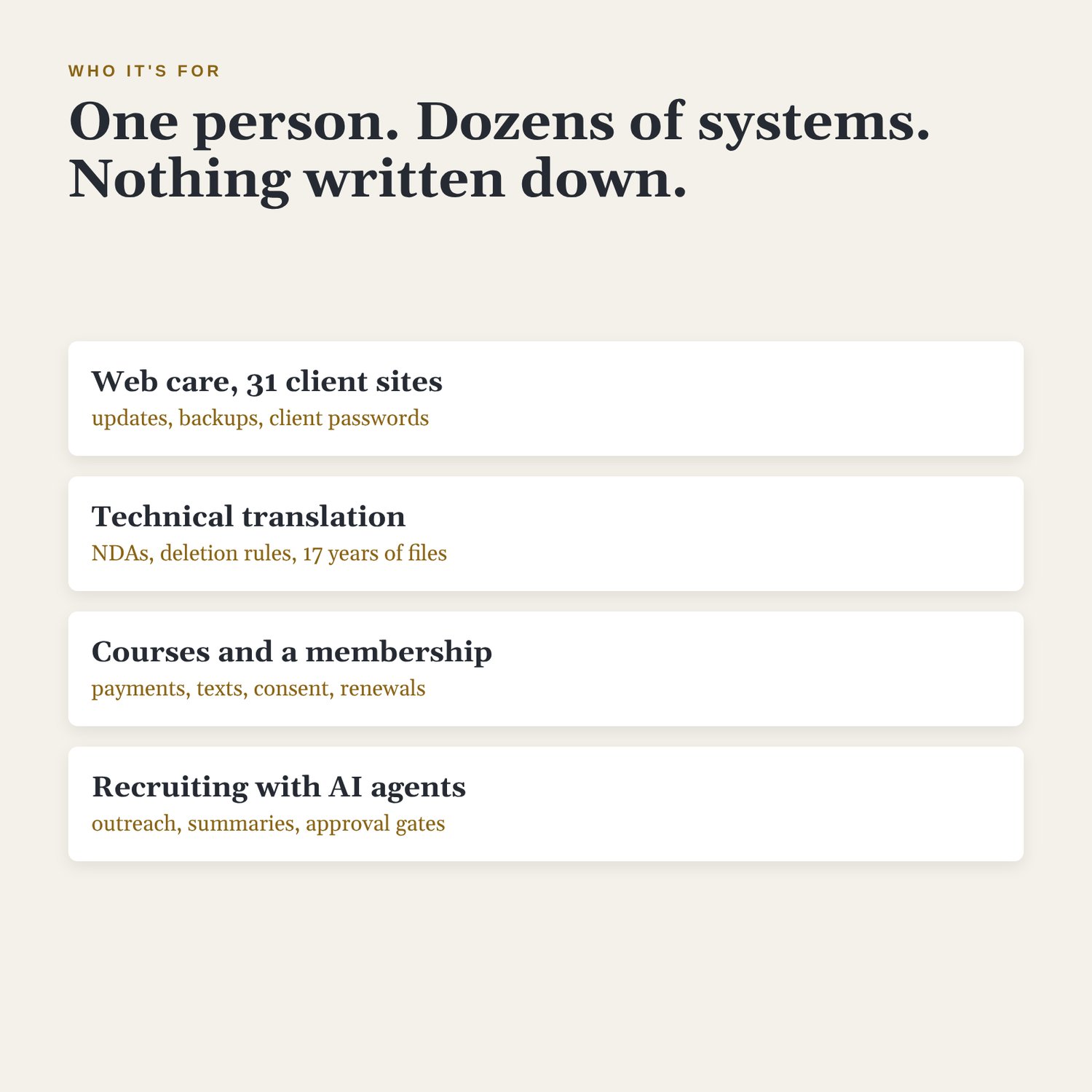
- Four Teardowns: a web care business with 31 client sites, a technical translator bound by NDAs, a course creator with 640 members and 19 workflows, and a recruiter with 6,200 candidates and two AI agents, each traced from the incident to the rebuilt stack. All fictional.
- Appendices: 120-term glossary, 77 common questions, reference tables, toolkit sample pages, a runbook excerpt with ten procedures in full, and primary sources.
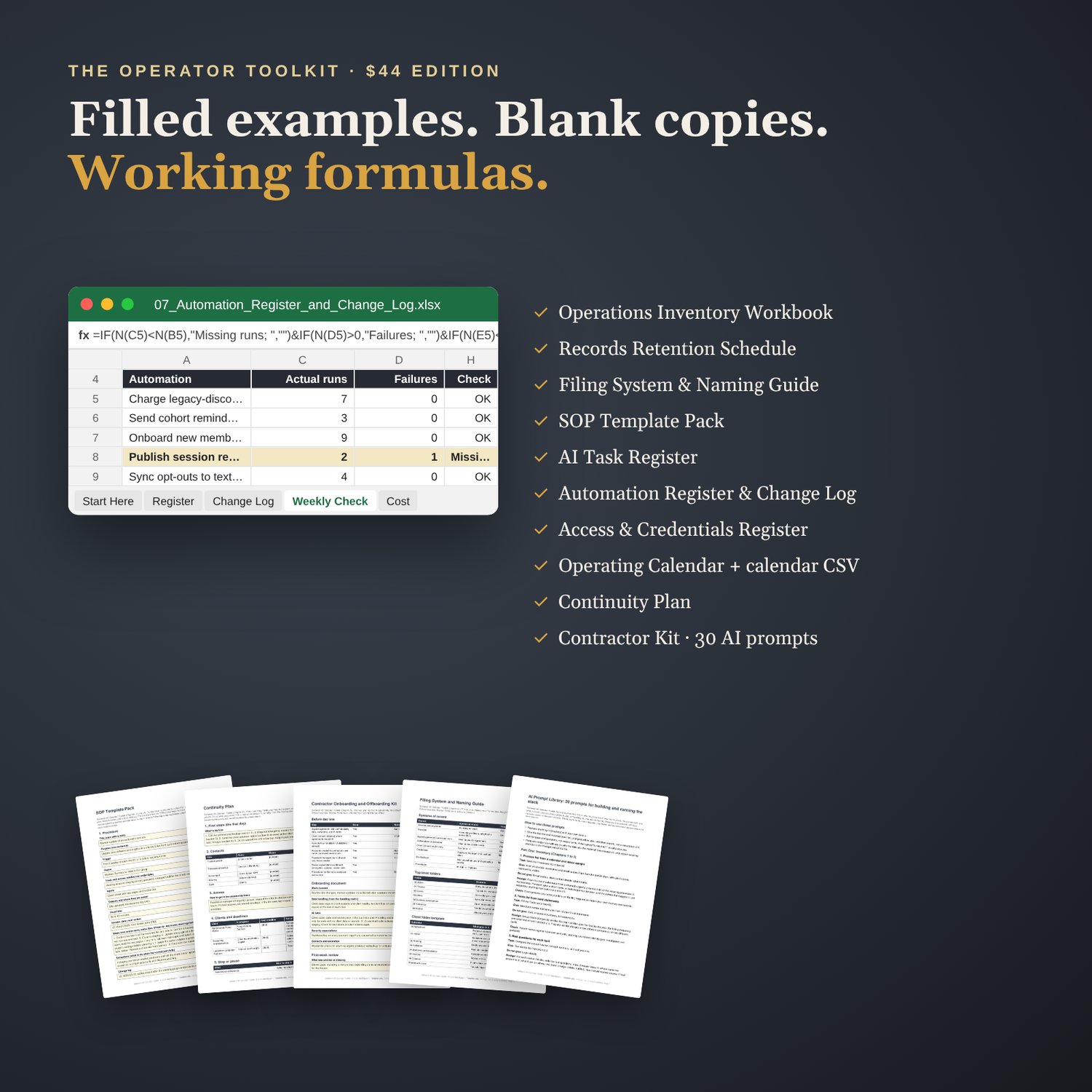
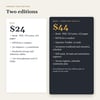
The Operator Toolkit ($44 version), 12 tools:
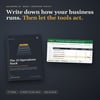
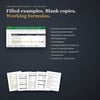
Most tools have a filled example (matching an operator in the book) and a blank version for you.
- Quick Start (your first hour and first two weeks)
- Operations Inventory Workbook (processes, tools, data map with handling matrix, priority scoring, audit summary)
- Records Retention Schedule (about forty record types, destroy-after dates, deletion record, legal hold log)
- Filing System and Naming Guide
- SOP Template Pack (procedure, checklist, runbook, decision criteria, post-incident review, near-miss log, runbook index)
- AI Task Register (register, controlled prompts, test sets, review log)
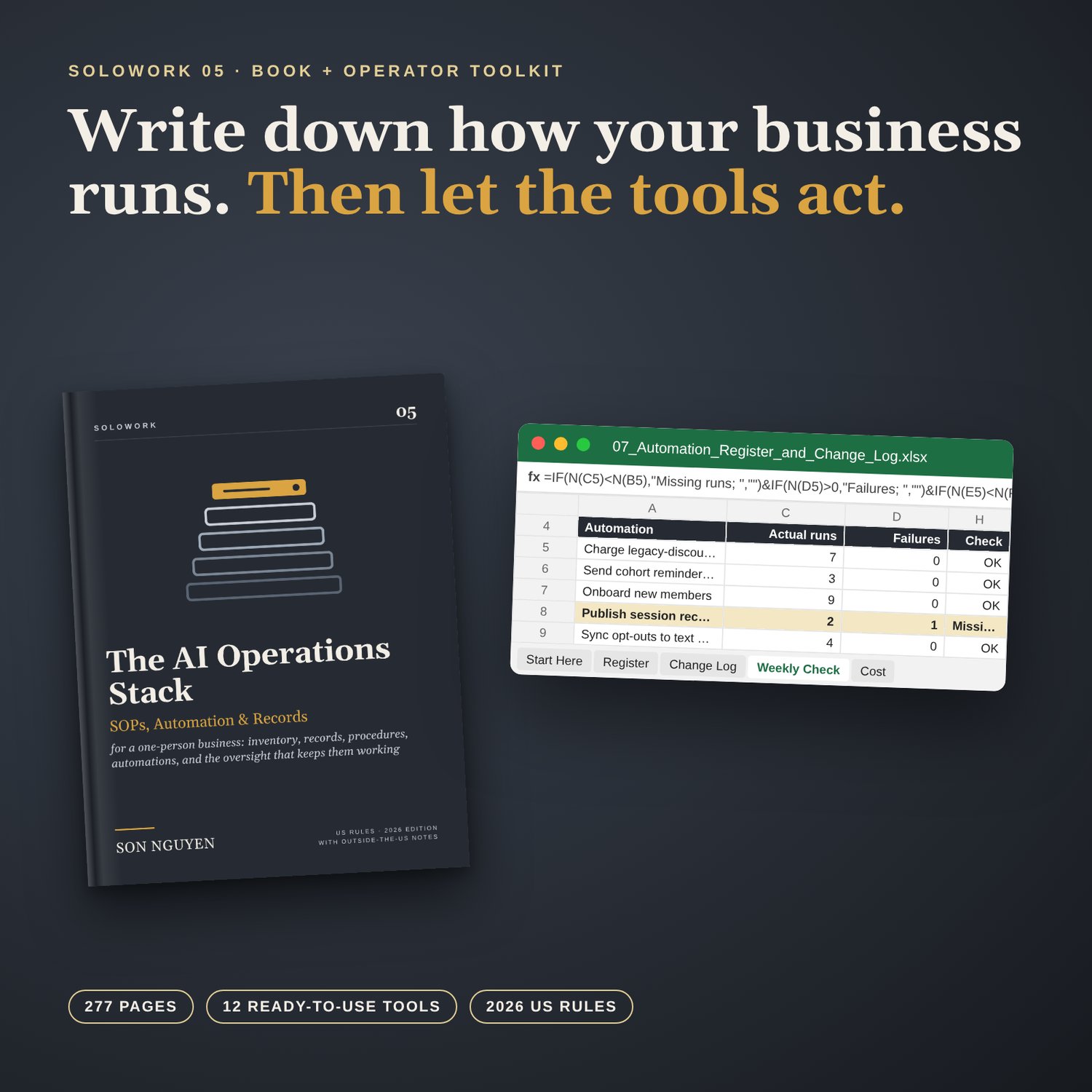
- Automation Register and Change Log (register, change log, weekly check with range flags, cost against budget)
- Access and Credentials Register (records where secrets live, never the secrets)
- Operating Calendar, with next-due dates and a calendar import file
- Continuity Plan, with client notice templates and an annual drill
- Contractor Onboarding and Offboarding Kit, with a deletion confirmation
- AI Prompt Library: 30 prompts written for the tasks in this book
Who it's for: consultants, developers, designers, translators, course creators, recruiters, and other solo professionals who run their business on software and AI tools and want it to keep working when something breaks or someone else has to step in.
Please note: This is education, not legal, tax, or security advice. Retention periods and legal rules in the examples are simplified; confirm your own with the sources listed and your accountant or attorney. All examples use fictional people and companies and hypothetical numbers; they are not predictions or promises of any result. US rules are primary, with notes for other countries. Rules are current as of October 2026. The book was written with the assistance of AI tools and edited, fact-checked, and approved by the author.
Digital download. No physical item will be shipped.