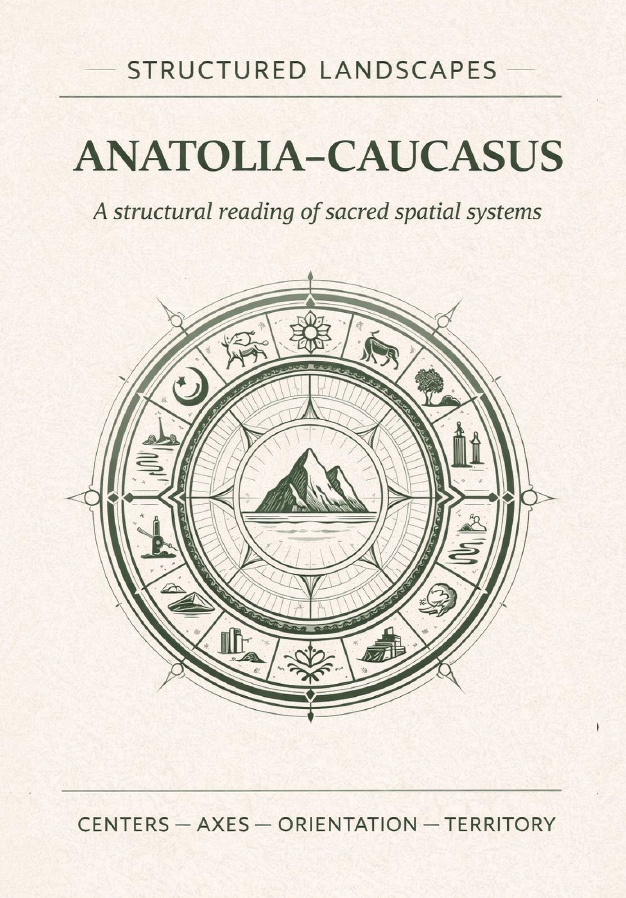


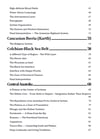
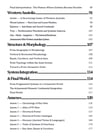
Anatolia-Caucasus. A Structural Reading of Sacred Spatial Systems
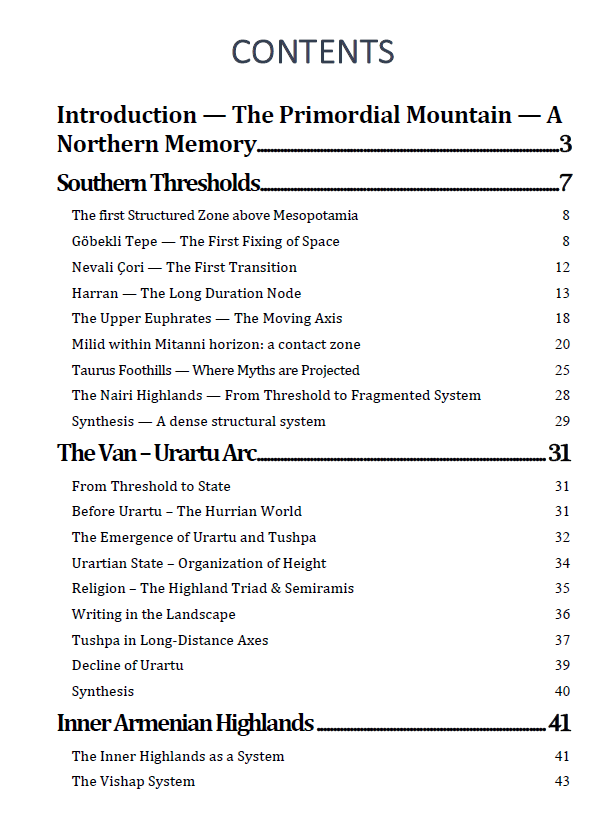
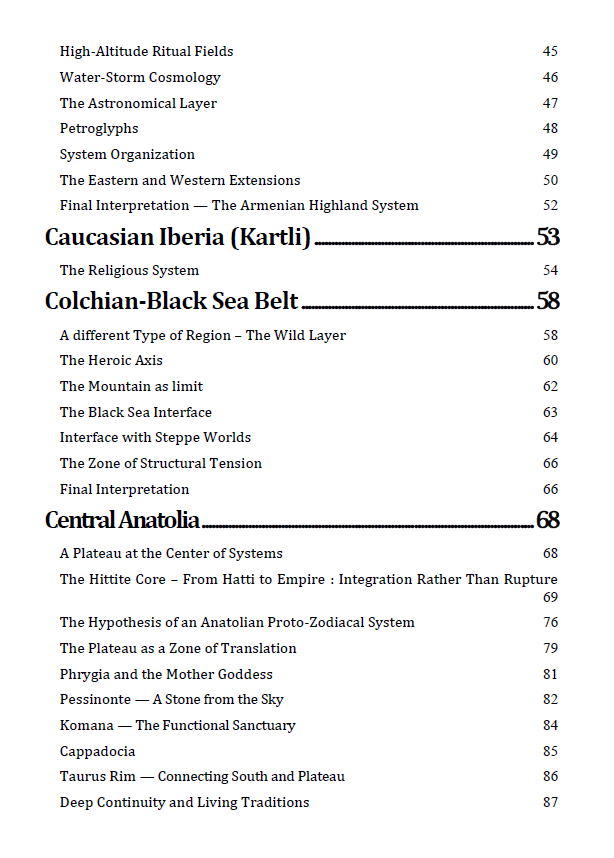
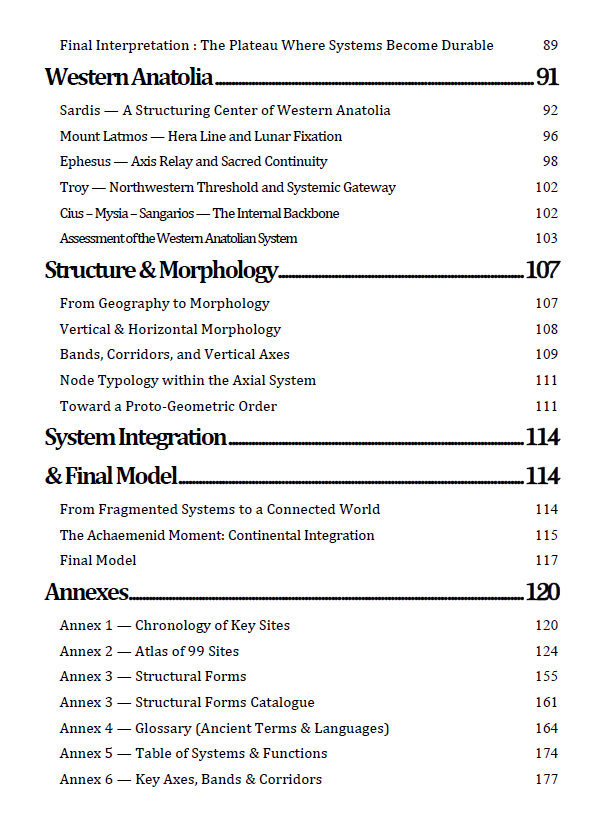
Not a region. A passage system. Anatolia–Caucasus is not a geographical study. It is a structural reading of a territory shaped by movement, elevation, and connection.
Between plateaus, mountains, and corridors, this volume reveals a system where:
- highlands structure space
- passages organize flows
- centers anchor transitions
- axes link worlds across distances
👉 Not a landscape — but an articulated spatial system.
What this book reveals
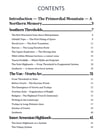
Across Anatolia and the Caucasus, sites are not isolated. They form a network. This book identifies:
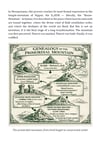
- the role of mountains as structural anchors
- the logic of corridors and crossings
- alignments linking distant regions
- the persistence of spatial organization across millennia
What appears fragmented becomes coherent.
Core insight
This region does not accumulate centers. It connects them. The question is not: Where are the sites? But: What do they connect?
Anatolia–Caucasus is a hinge between Mesopotamia and the steppe, plateau and plain, enclosed systems and open networks. This volume reveals a spatial logic of transition, articulation, and continuity. This is not a regional history, a catalogue of archaeological sites. It is: a structural framework to understand how territories connect
Not regions. Systems.
Format: PDF
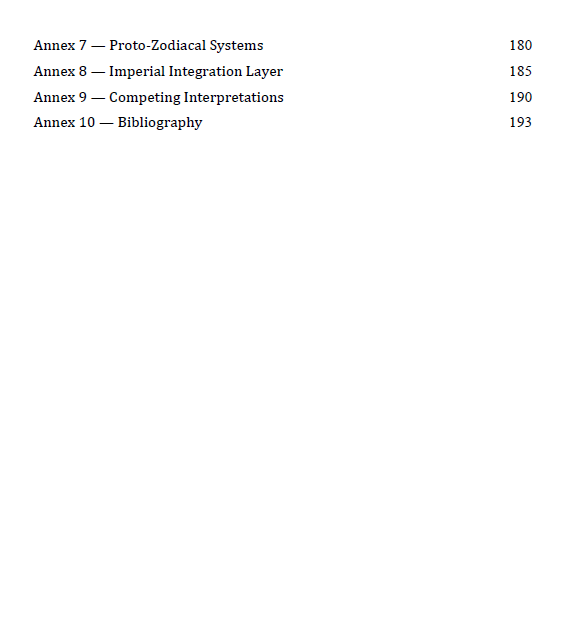
Length: ~200 pages
Series: Symbolic Landscapes
Part of the Symbolic Landscapes collection