Effective Workplace Communication - The Workbook
Effective Workplace Communication
A workbook for being well understood at work
You already know things.
You have ideas, experience, opinions and questions, and things you need other people to understand. The hard part is getting what's in your head to land in someone else's the way you meant it.
That's communication. A message understood first time. A difficult conversation that stays constructive. A meeting that moves something forward. An email that gets read, and acted on.
Most of us learn it by habit and trial and error, copying the people around us whether their habits work or not. But communication is a set of behaviours, and behaviours can be understood, practised and improved.
This workbook is a practical guide to doing exactly that. It's the companion to The Everyday Communication Workshop, which I've run more than two hundred times. It covers the same ground in the same order, and you work through it at your own pace.
New edition, October 2026
I've rewritten it from the first page to the last.
The language is plainer, the research is checked against what the evidence says today, and the stock photos are replaced with drawn figures.
Every chapter now ends with pages to write on, and there's a two-page cheat sheet to print and keep.
If you bought an earlier edition, the new one is yours free.
It starts with one idea
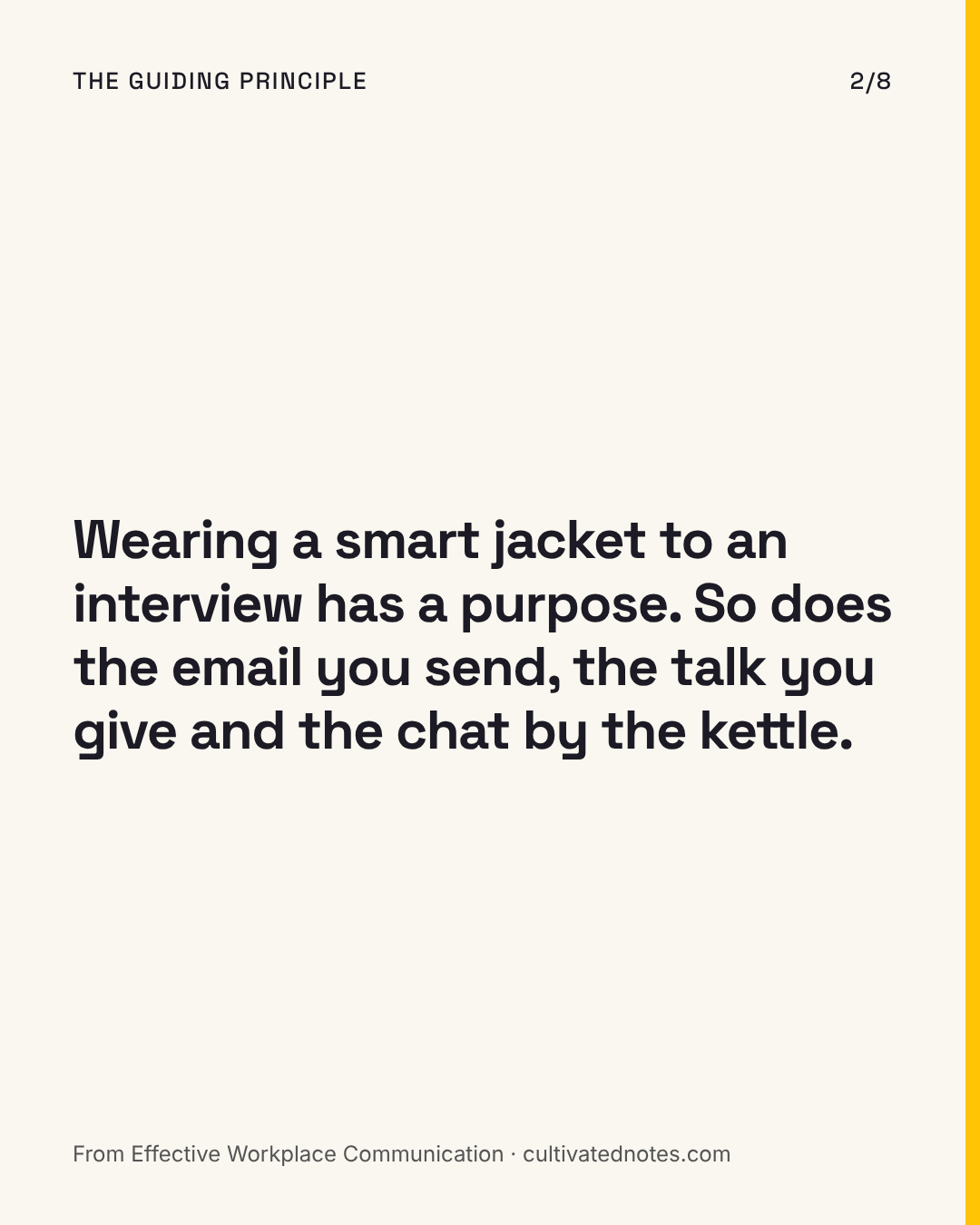
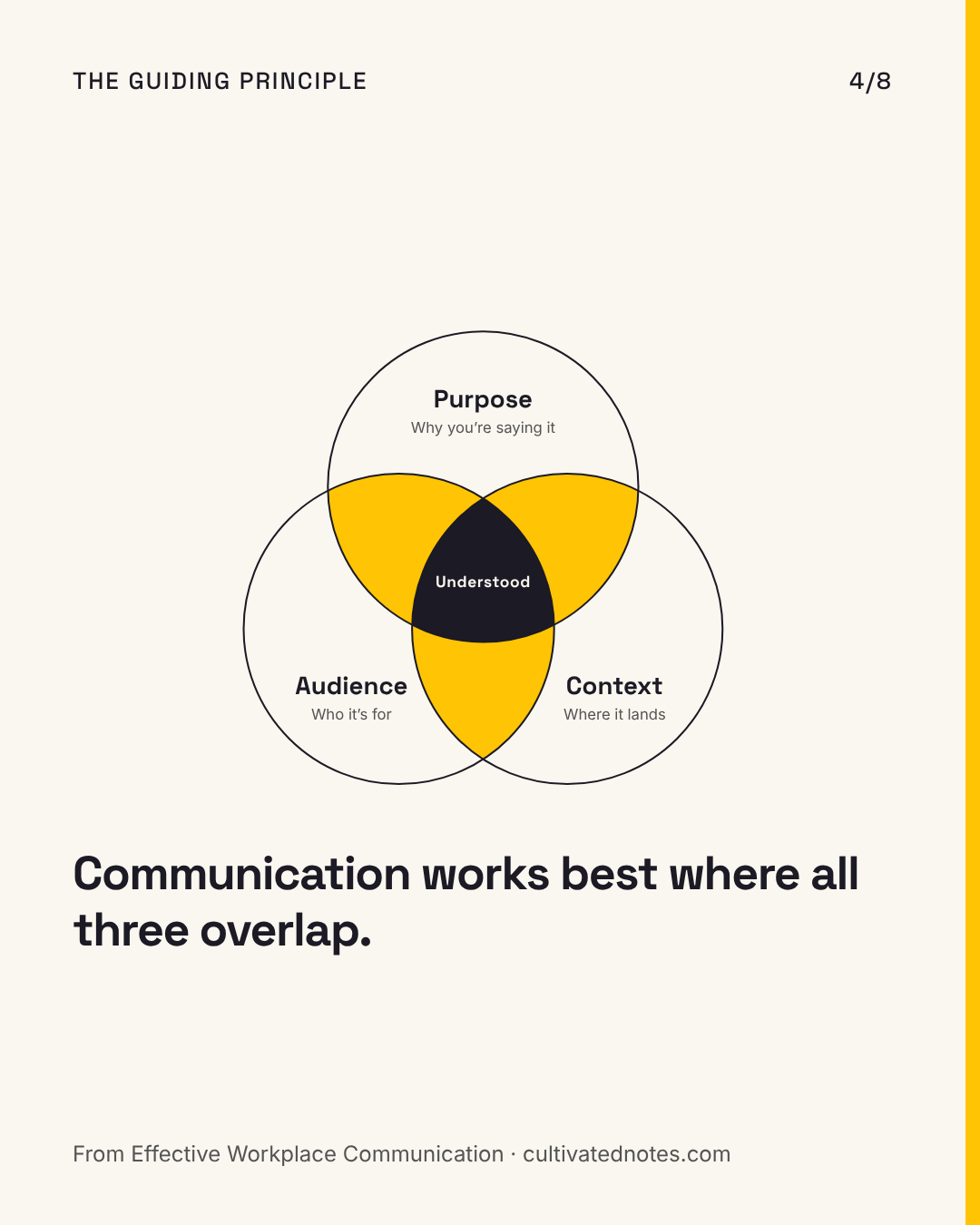
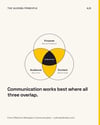
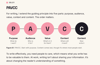
All communication has a purpose, an audience and a context.
It sounds almost too simple, and that's the point.
Most of us communicate with only a loose sense of why, think a little about who we're talking to, and barely consider where the message will land. Paying attention to all three is enough to set you apart.
Everything else in the workbook builds on that principle, chapter by chapter:
- Before you start. What the workbook is, and how to get the most from it.
- Communication, influence and growth. Why this one skill shapes your work and your career.
- The guiding principle. Purpose, audience and context, and a few useful models.
- Personal style and preferences. How you communicate, and how others do, using DISC.
- Elements of effective communication. Ten habits good communicators share.
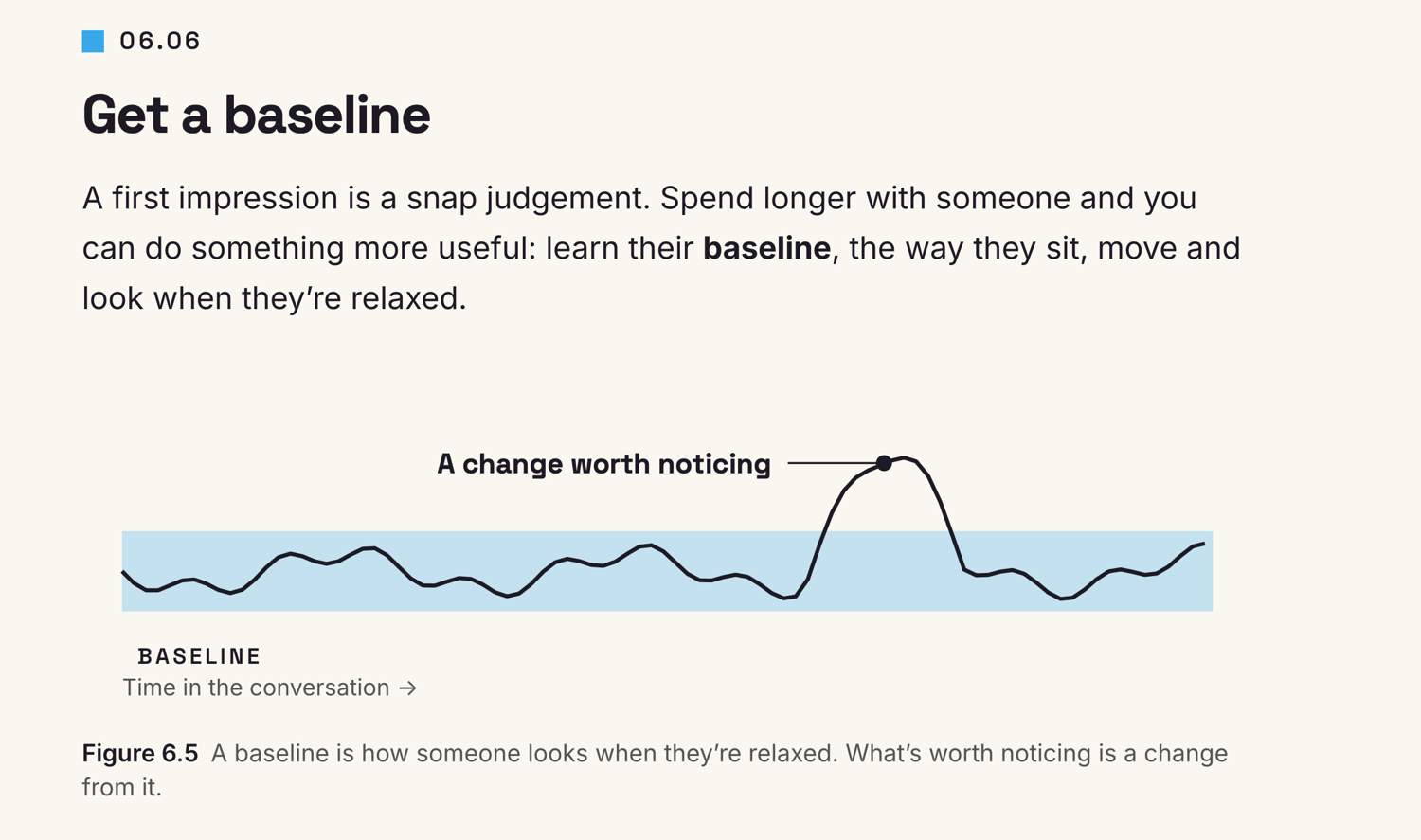
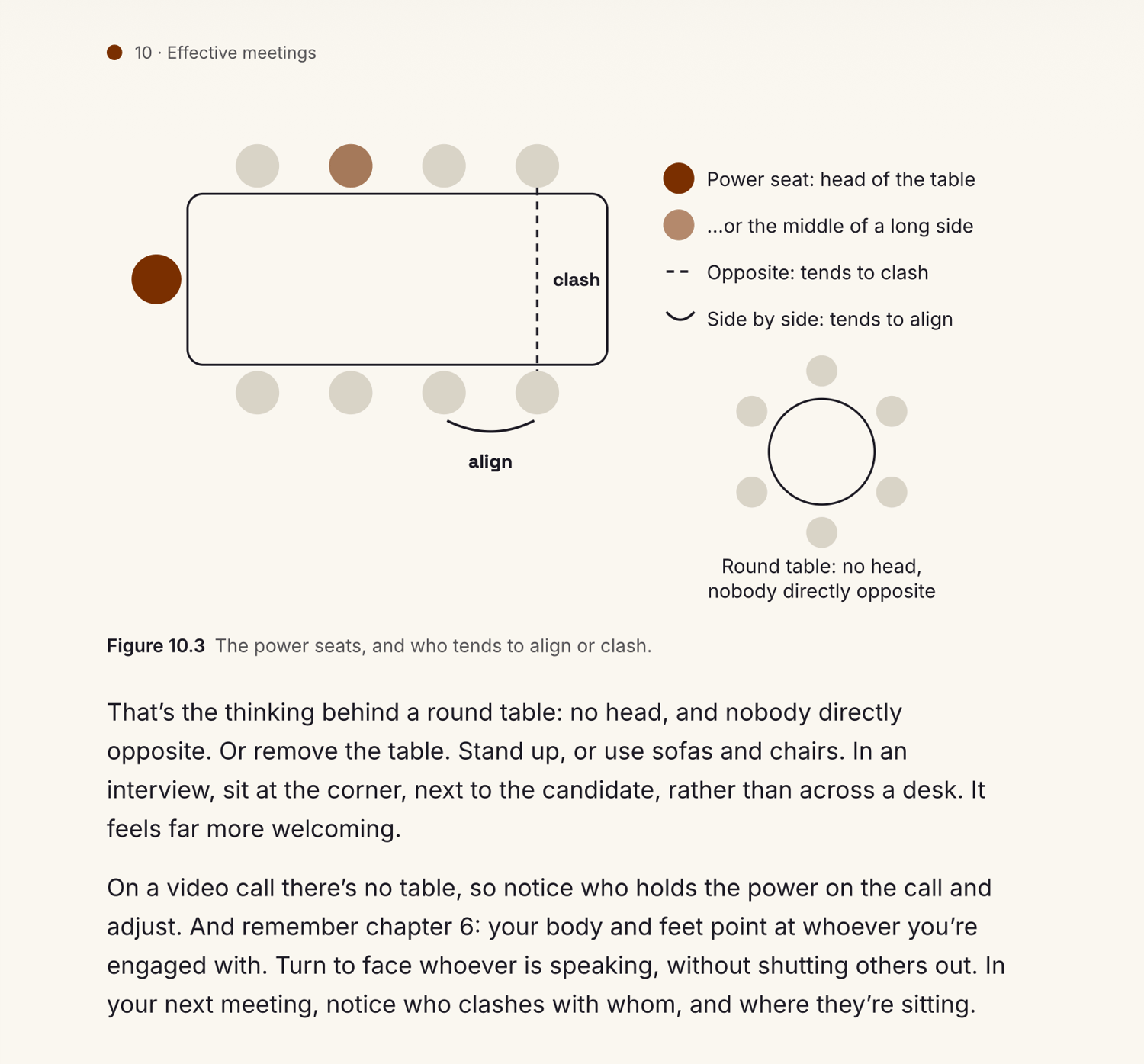
- First impressions and non-verbal communication. What you say before you say a word.
- Staying calm under pressure. Keeping your head when the room gets warm.
- Active listening. The half of communicating most of us skip.
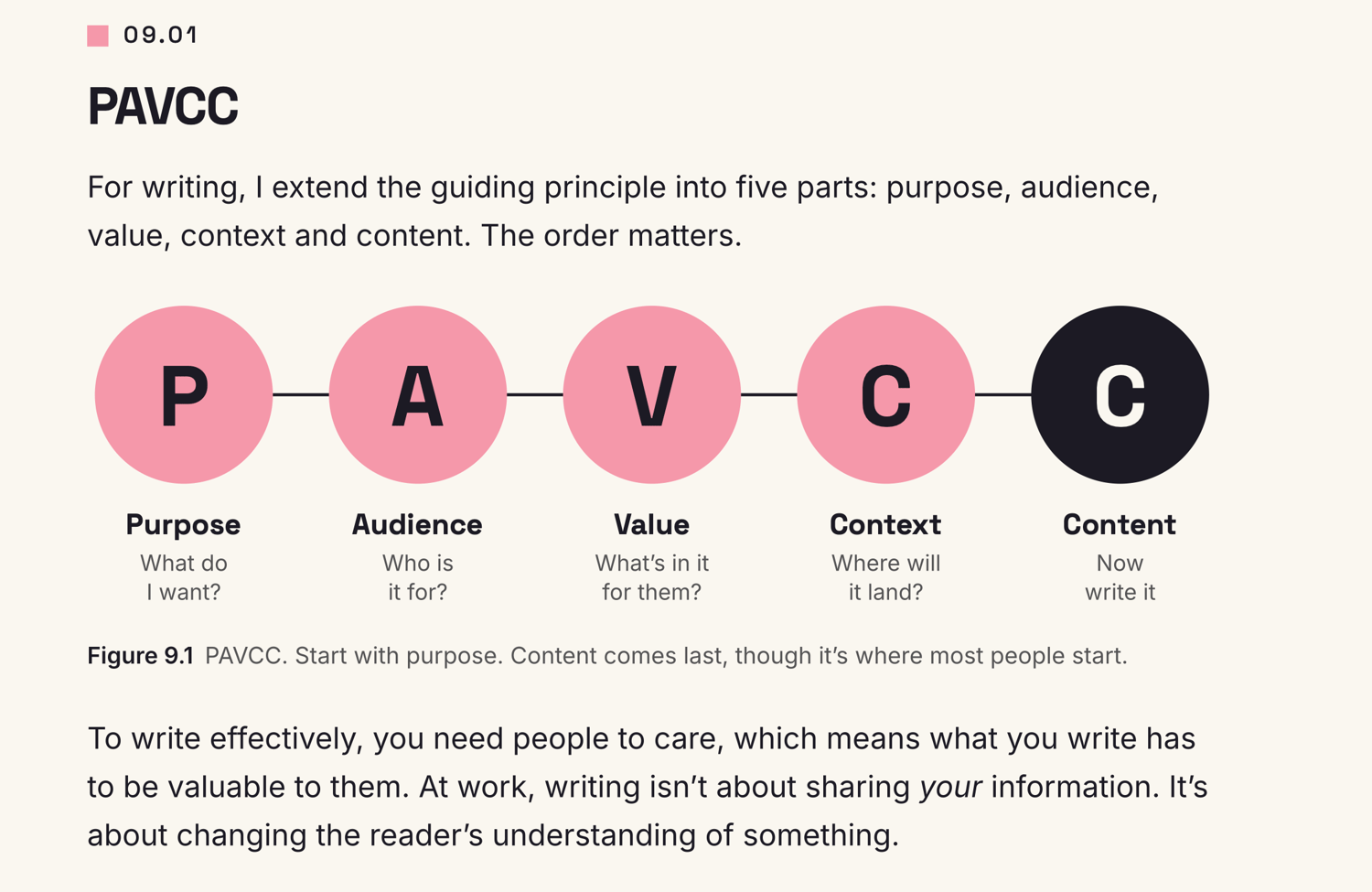
- Effective writing. Emails, documents and messages people read and act on.
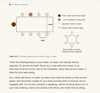
- Effective meetings. Making the time you spend together worth it.
The ten elements
Ten habits to come back to whenever communication matters:
- be enthusiastic
- the receiver does the communicating
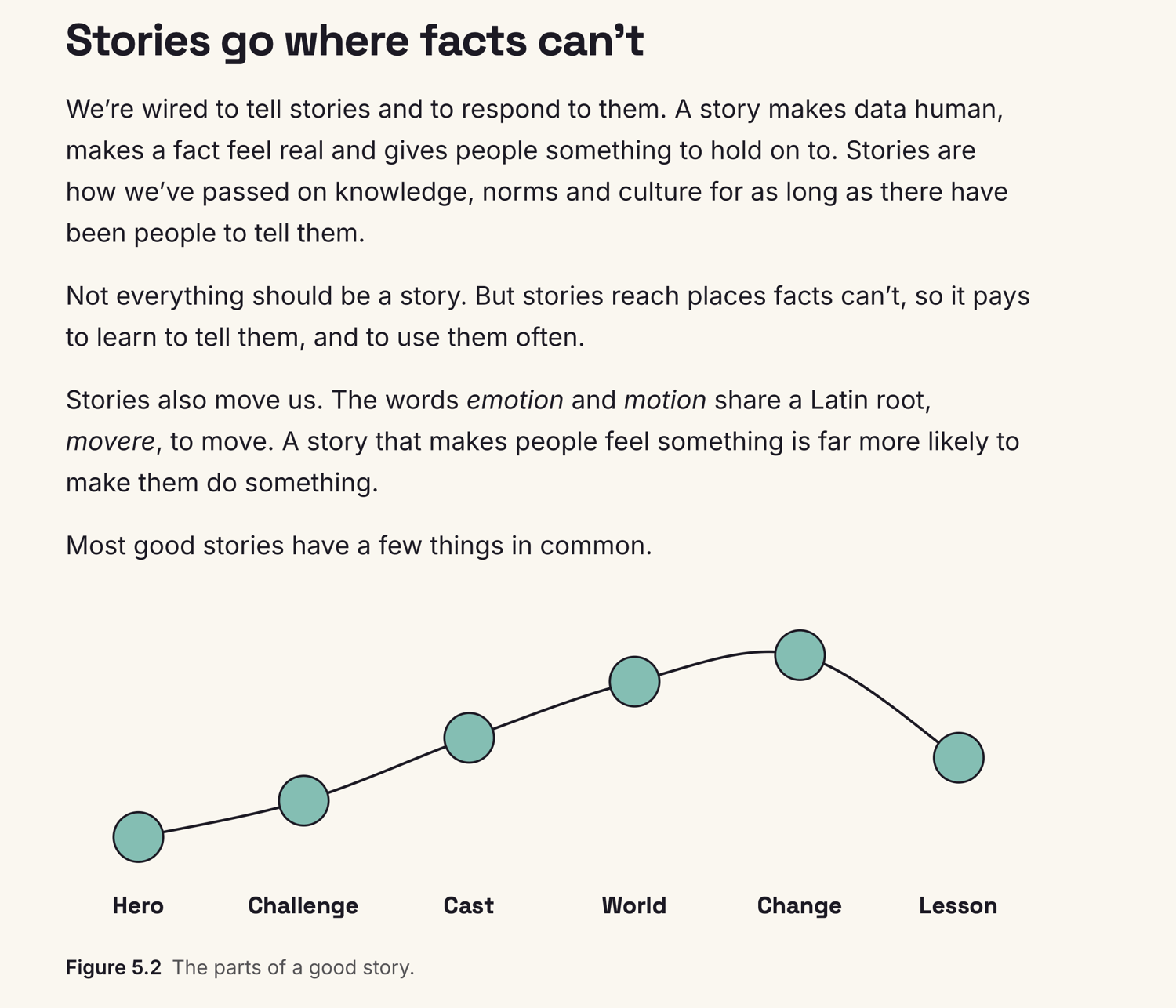
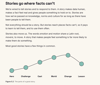
- stories go where facts can't
- don't waste people's time
- practice makes permanent
- people remember how you made them feel
- your body is talking too
- people listen to those who sound like them
- how you feel is how you communicate
- listening is the greatest compliment.
A workbook, not a book
This isn't a book to read once and put on the shelf.
Each chapter ends with exercises and space to work through your own habits and situations.
You'll practise the head nod, learn the colour of a colleague's eyes, plan a meeting agenda and rewrite your last email so the request comes first.
The aim isn't to make you better at communication in theory. It's to give you things you can use tomorrow.
What you get
- Effective Workplace Communication, a 125-page PDF workbook. It's A4, so it prints well if you'd rather write on paper.
- Ten chapters, each ending with its own exercise pages.
- A two-page cheat sheet of the whole workbook.
- DISC at a glance, a three-page companion for spotting someone's style and adapting to it.
- An instant download that's yours to keep.
Who it's for
It's for anyone whose work depends on being understood, which is nearly everyone's.
It's especially useful if you've just started managing people, you live in your inbox, you spend half your week in meetings, or someone has told you, "It's not what you said, it's how you said it."
Why it matters
Communication sits underneath almost everything we do at work: ideas, decisions, meetings, feedback, relationships, writing, leadership.
When it improves, all of those have a better chance of working.
You don't need a personality makeover or years of training. You need to understand what's happening, and practise doing it better.
That's what this workbook is for.
About me
I'm Rob Lambert.
I trained in Media Science and worked as a journalist and editor.
Then I led engineering and HR teams, as VP of Software Engineering twice and VP of HR.
These days I write, speak and run workshops on how ideas become valuable at work, and publish Cultivated Notes from Winchester.
Refunds
30-day refund available.
Email info@cultivatednotes.com or visit our FAQs.