
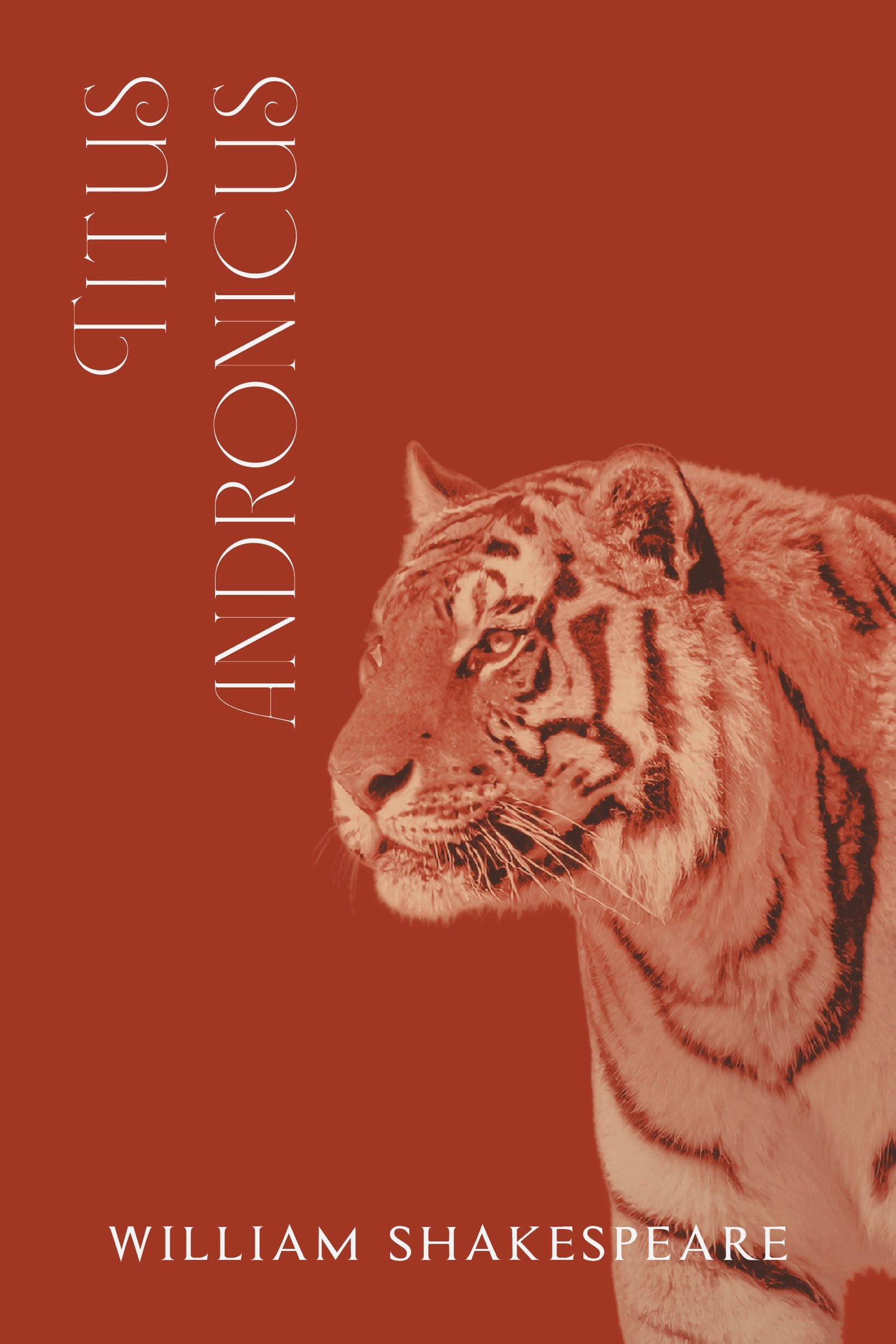
Titus Andronicus
Blood calls to blood in Titus Andronicus, Shakespeare’s most unrelenting tragedy, a play that abandons moral comfort and plunges headlong into the machinery of revenge. From its opening moments, the drama announces a world governed not by mercy or restraint, but by ritual, pride, and the brutal logic of retaliation.
Honor is treated as sacred, even when it demands acts that shatter families and poison the future. What should preserve order instead becomes a weapon, rigidly upheld even as its consequences spiral beyond control.
Victorious in war, the Roman general Titus returns home burdened by tradition and blind loyalty to custom. His decisions, meant to uphold order, ignite a spiral of violence that grows ever more grotesque. Mutilation, humiliation, and psychological torment unfold with shocking speed, pushing language, power, and human endurance to their limits. Shakespeare offers no easy villains or heroes here; instead, he exposes how vengeance corrodes everyone it touches, until civilization itself begins to rot.
For readers who loved Macbeth and Emily Brontë’s Wuthering Heights, Shakespeare delivers a harrowing tale of rage and retribution that consumes everything in its path.
About the author
William Shakespeare (1564-1616) is widely regarded as the greatest writer in the English language and the world’s preeminent dramatist. Born in Stratford-upon-Avon, he wrote approximately 39 plays and 154 sonnets that have shaped literature, theater, and the English language itself for over four centuries. His works, from tragedies like Hamlet and King Lear to comedies like A Midsummer Night’s Dream and histories like Henry V, explore the full range of human experience with unmatched psychological insight, poetic brilliance, and emotional power. Shakespeare’s influence extends far beyond the stage; his phrases and characters have become woven into the fabric of modern culture, and his exploration of timeless themes—love, power, ambition, jealousy, mortality—continues to resonate with audiences worldwide. Despite the passage of centuries, his work remains startlingly contemporary, speaking to each new generation with fresh relevance and inexhaustible depth.