
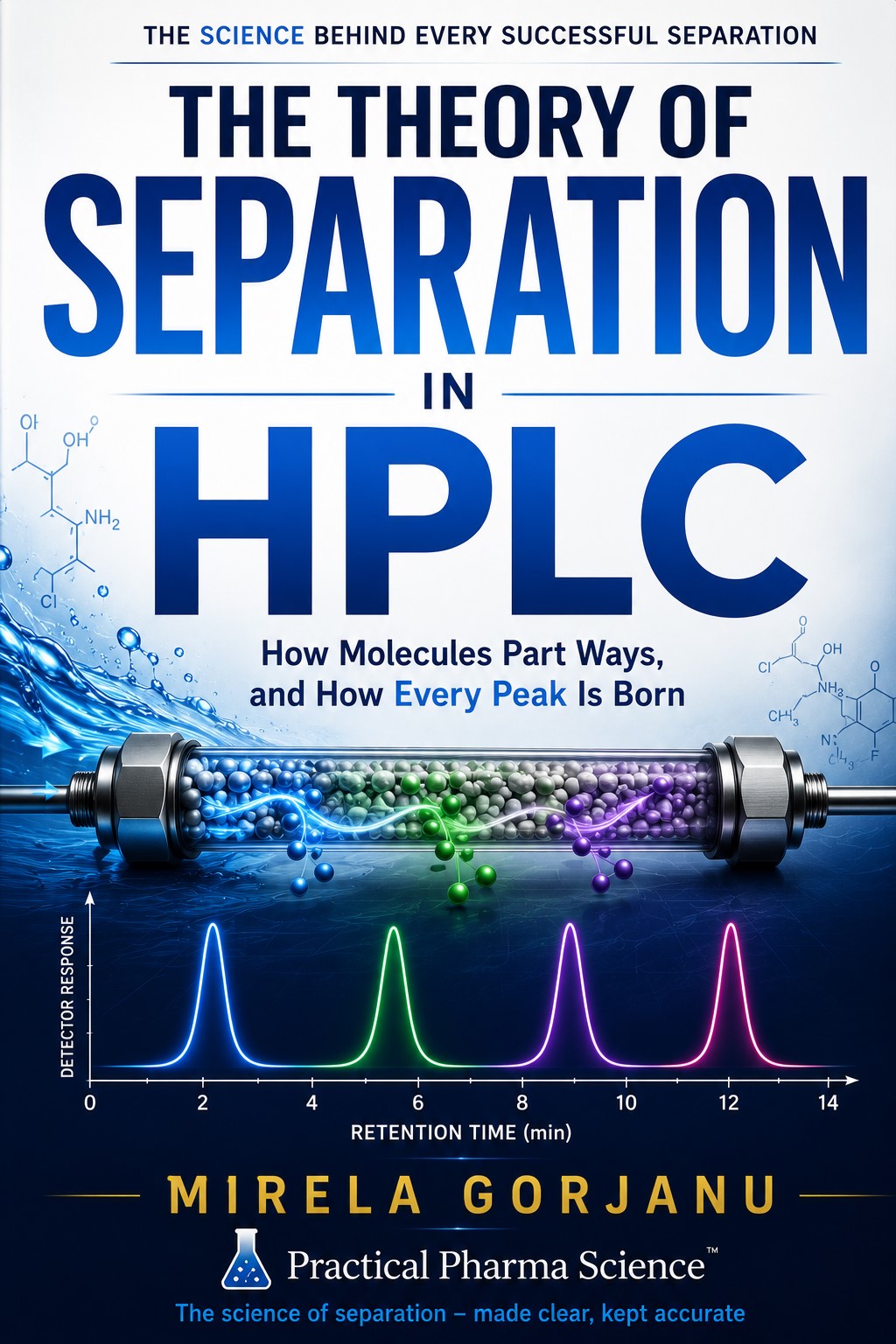
The Theory of Separation in HPLC
The Theory of Separation in HPLC
Chromatographic Fundamentals Made Visual
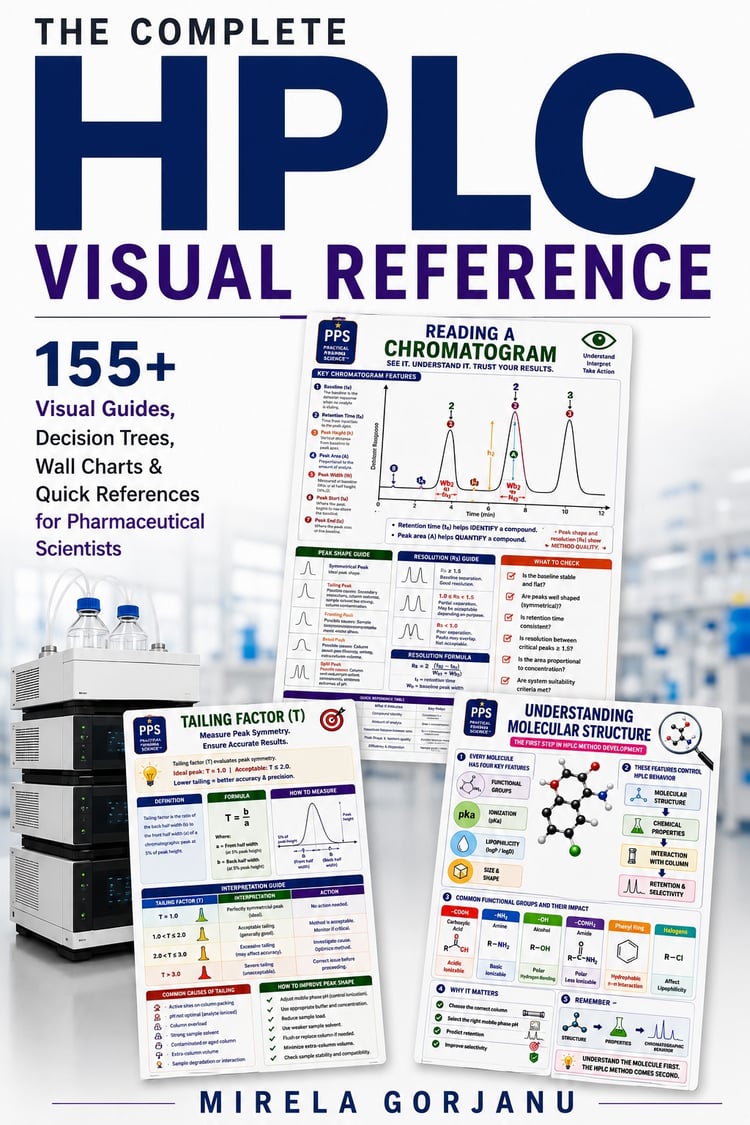
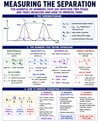
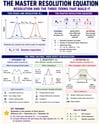
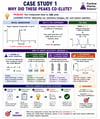
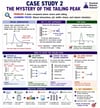
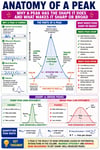
37 print-ready PDF charts on retention, selectivity and efficiency, plus the complete guide.
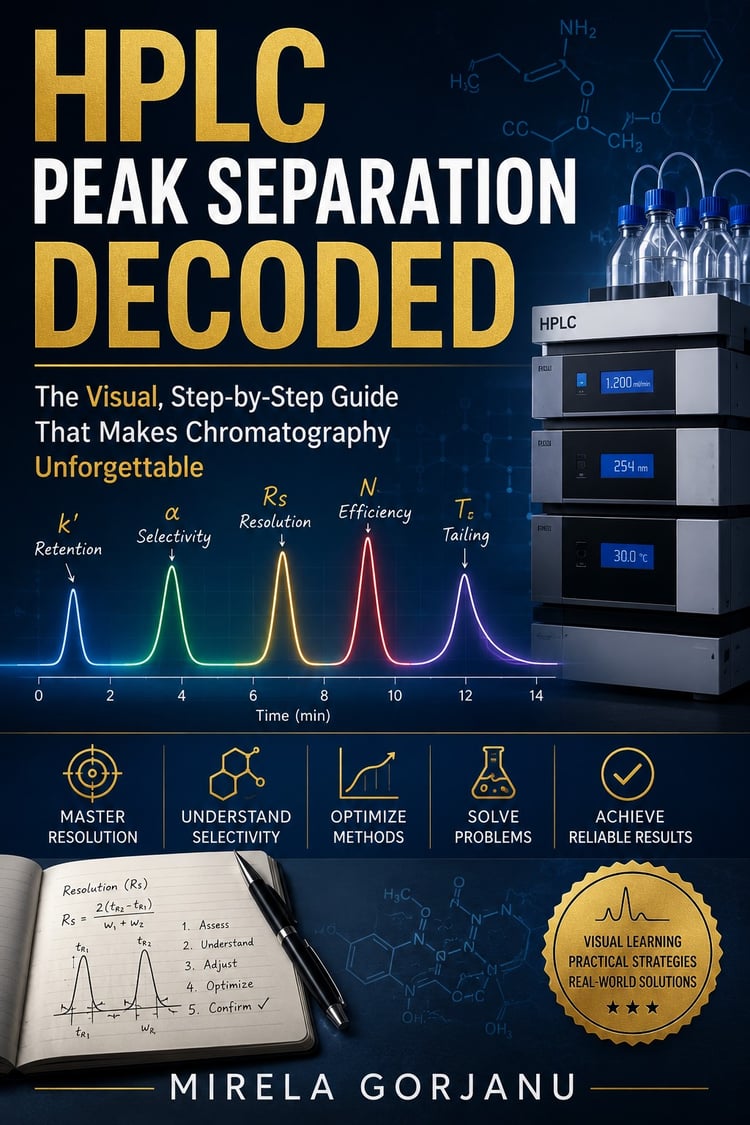
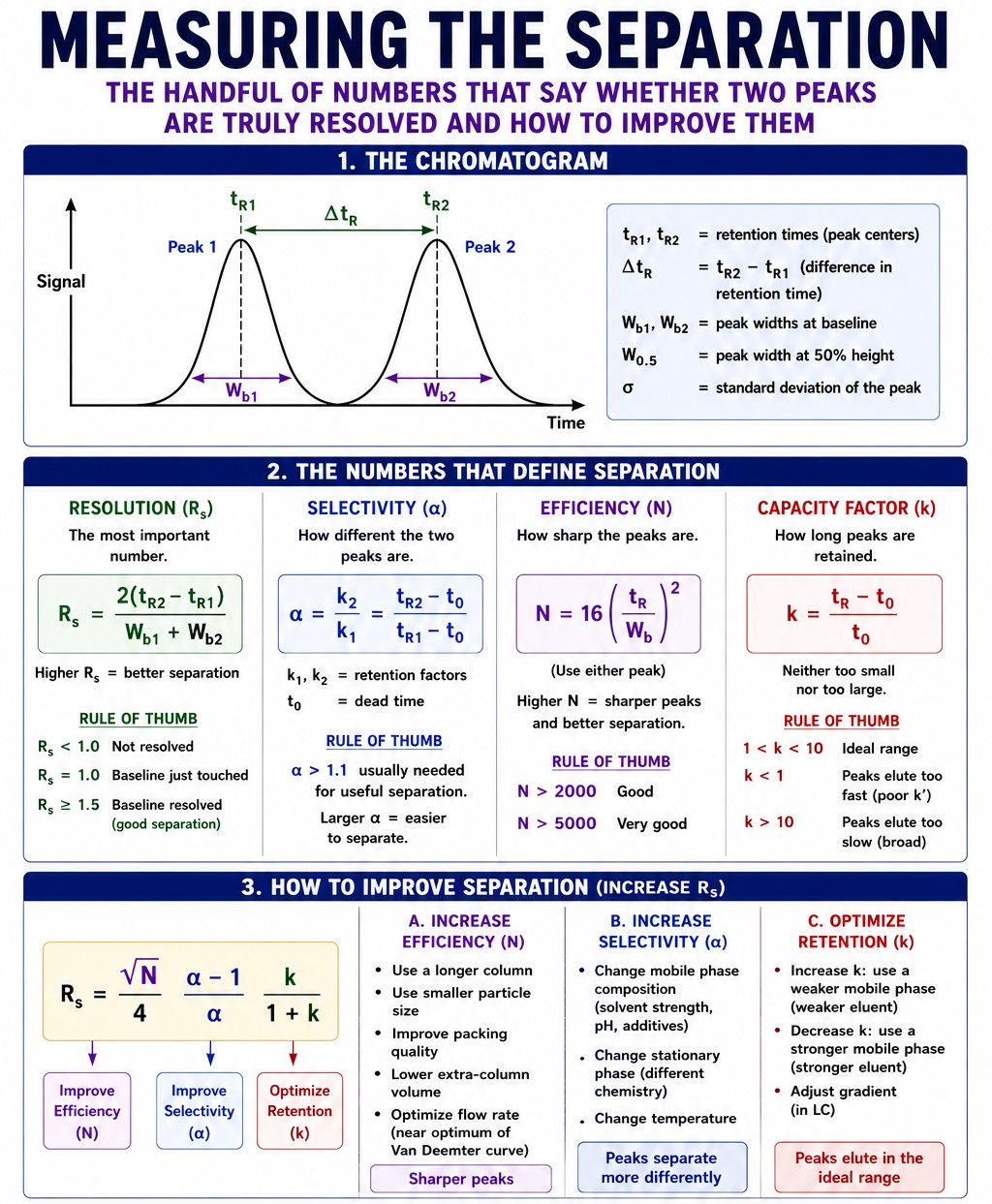
The physics of HPLC separation, explained visually - retention, selectivity, efficiency, resolution.
Description
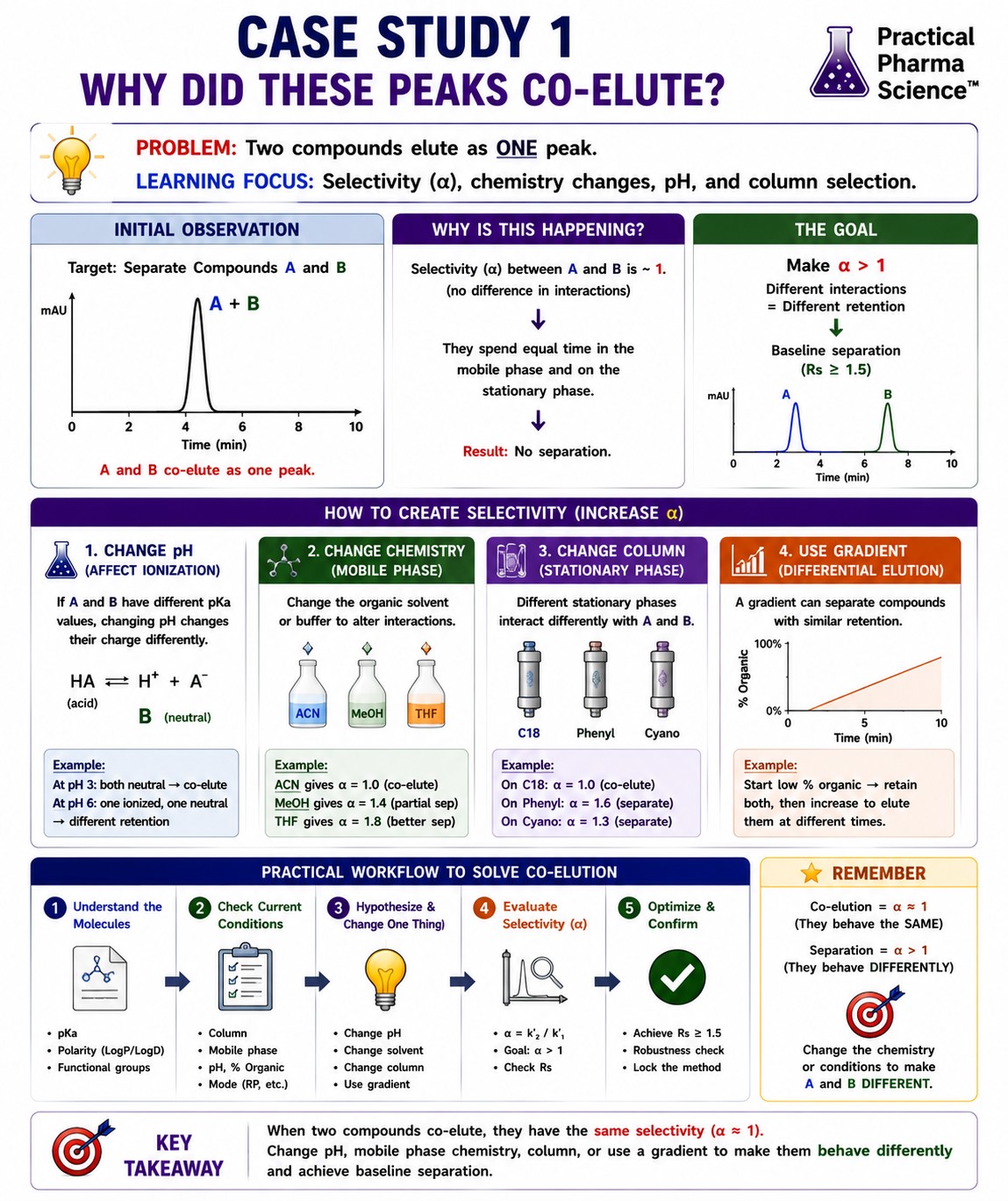
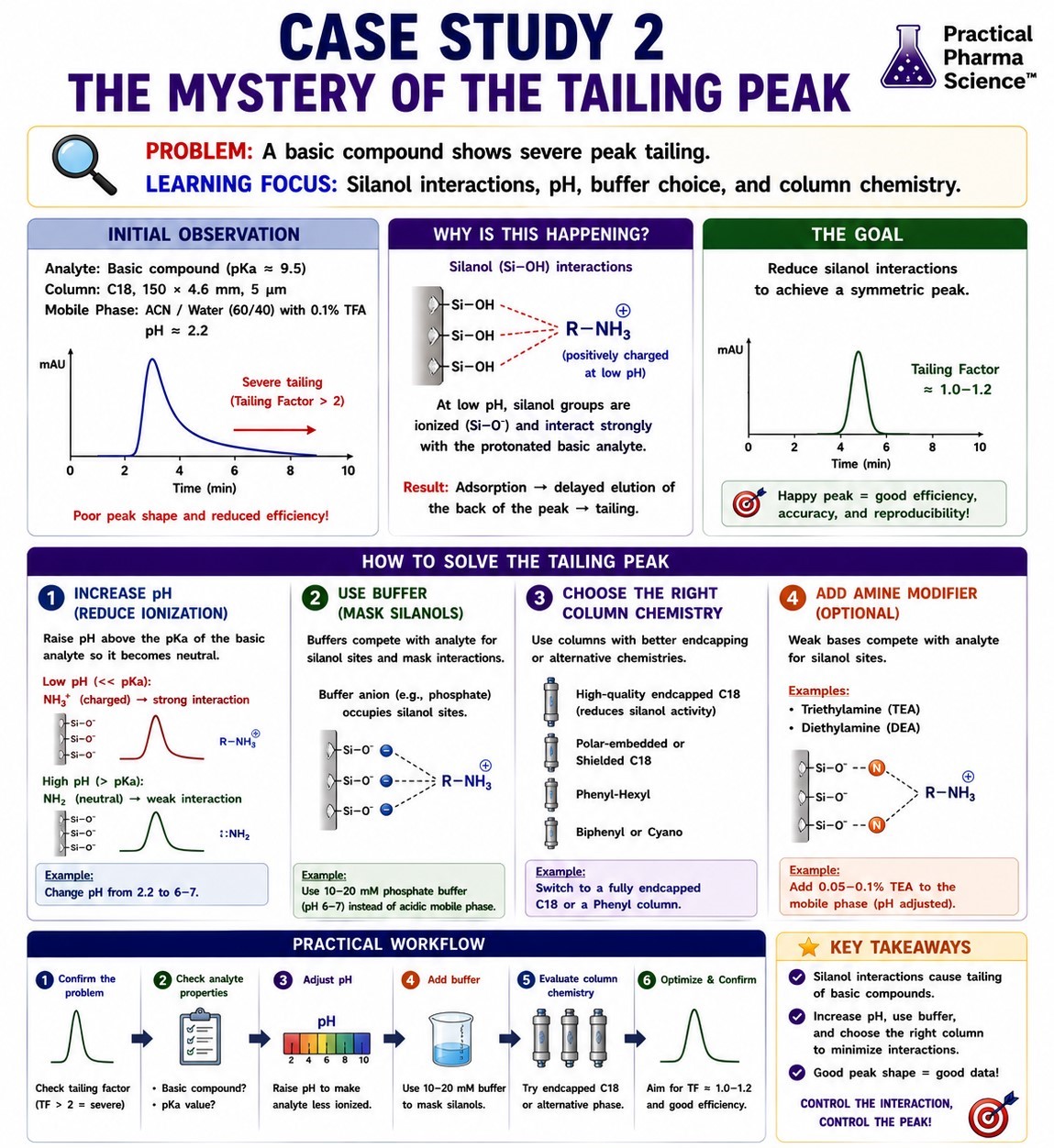
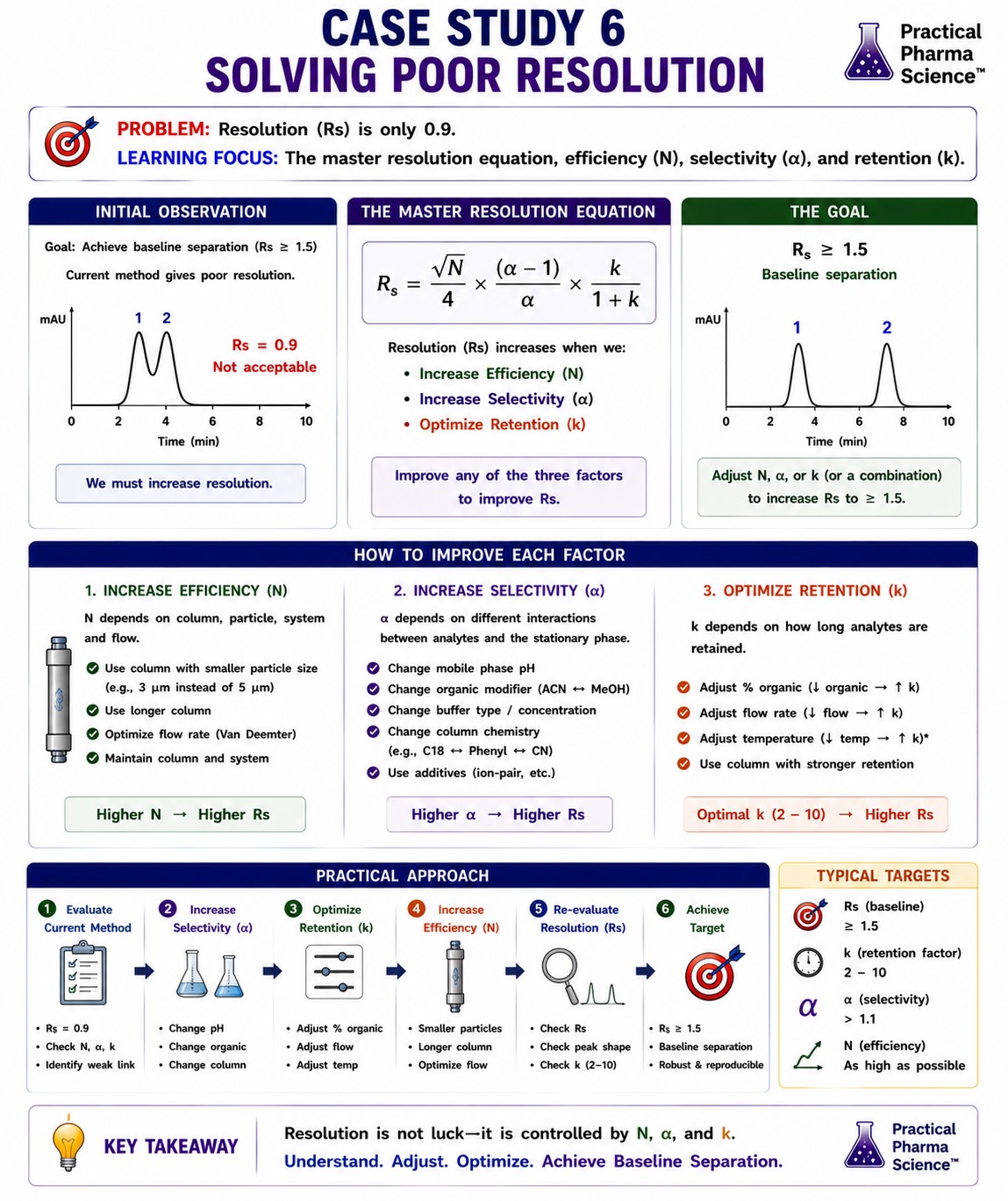
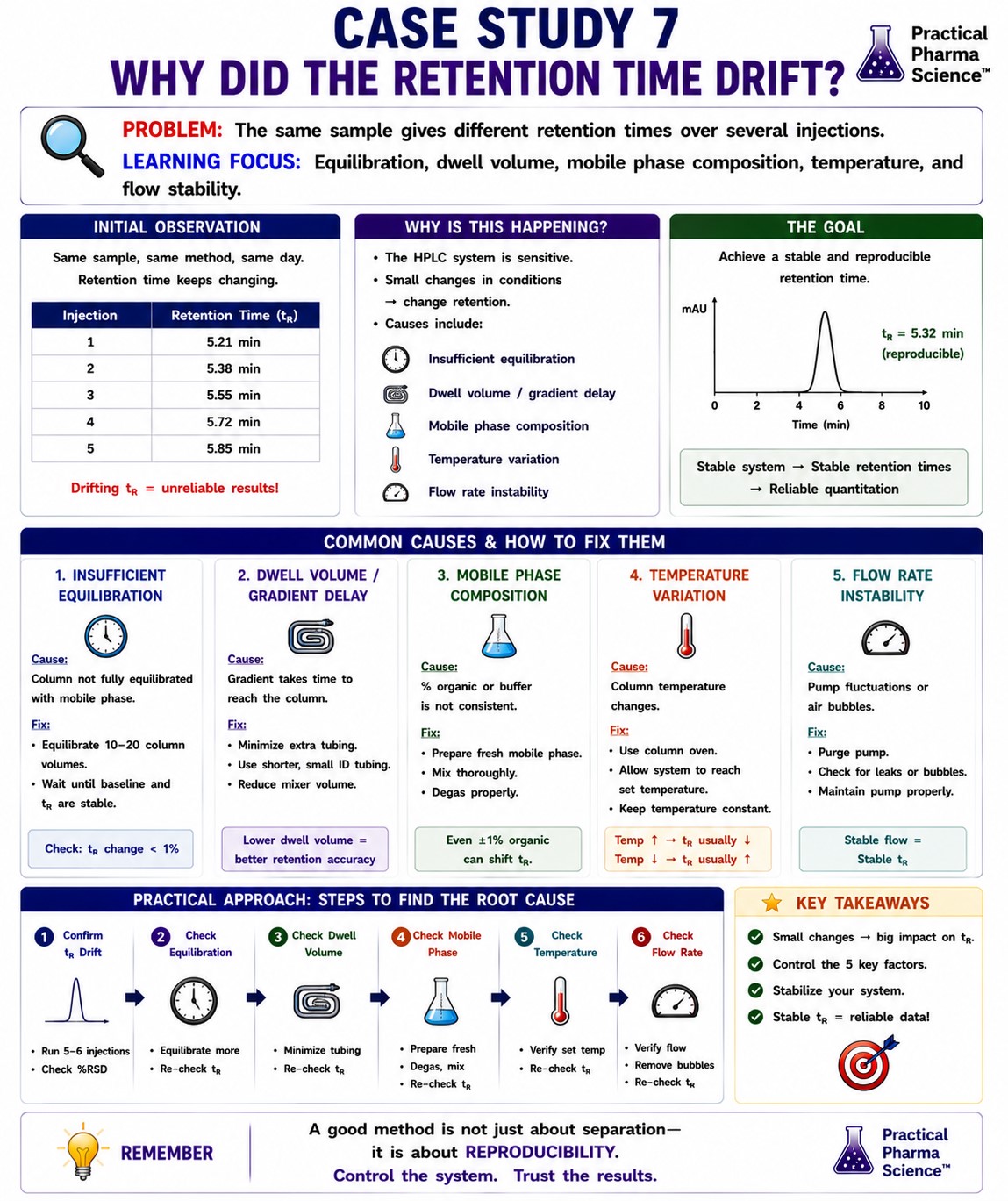
Most HPLC problems trace back to a fundamental that was never properly understood. Why does one peak tail and another front? Why does raising temperature sharpen some separations and ruin others? Why do two columns with the “same” chemistry give different results?
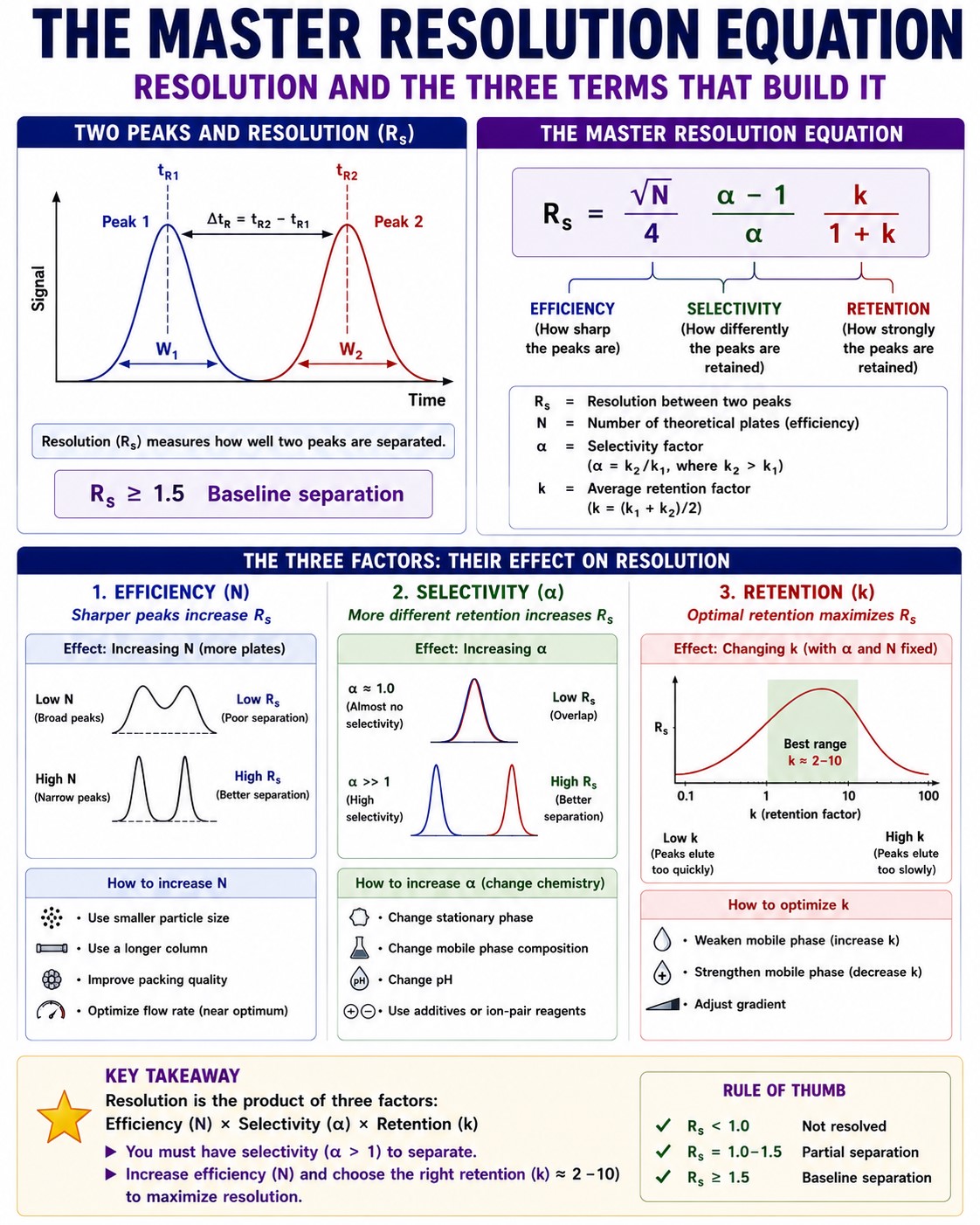
This guide rebuilds the foundations from the ground up, retention, selectivity, efficiency, and resolution and shows how each one behaves visually, so the theory finally maps onto the chromatograms you see every day.
What's inside
• The four pillars of separation and how they interact
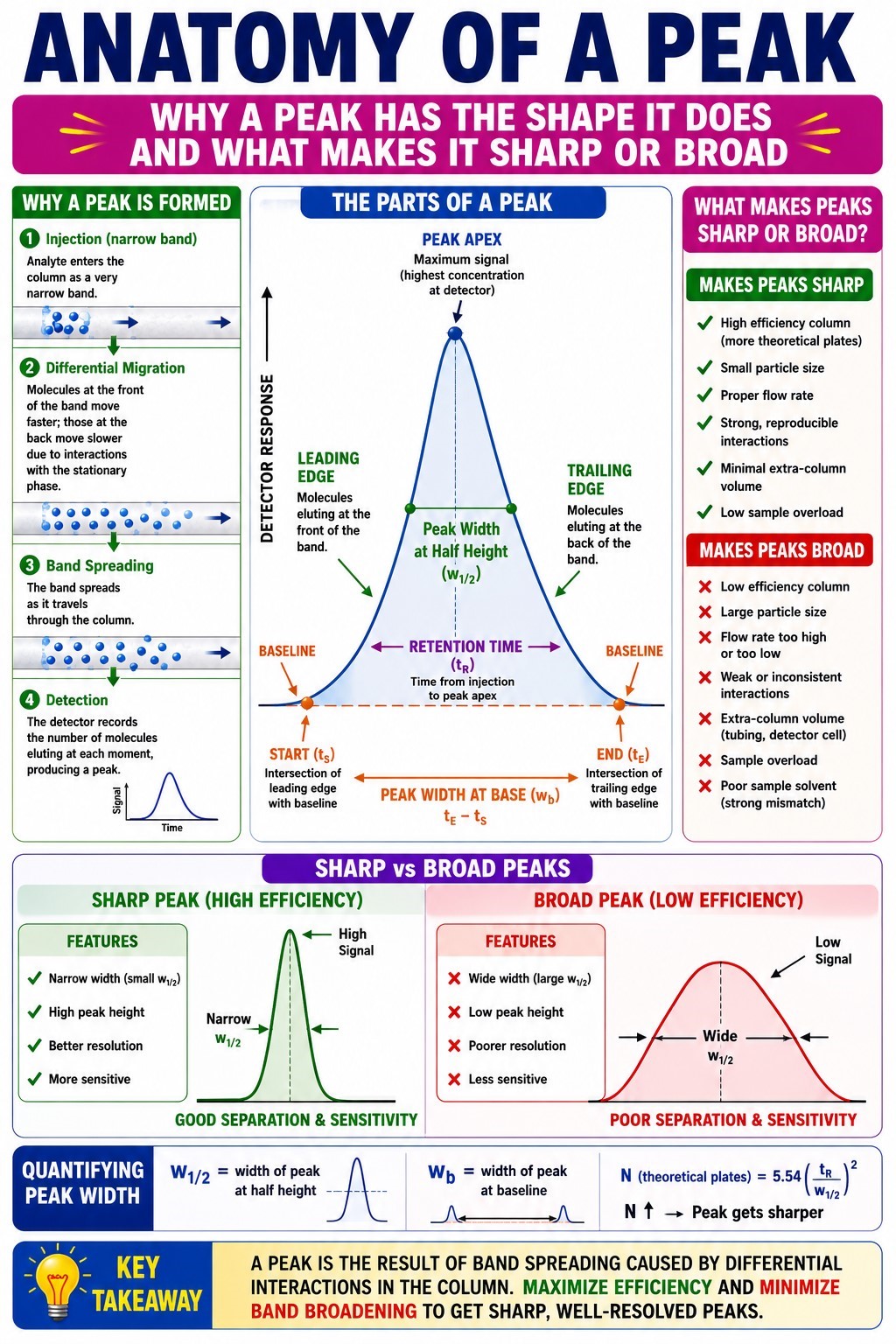
• Van Deemter, plate theory, and band broadening without the impenetrable maths
• How mobile phase, temperature, and column chemistry shift a separation
• Visual references that connect each concept to a real chromatogram
Who it's for
New analysts building a proper foundation, and experienced ones who want the “why” behind the method.
Start here. Every other guide in the catalogue builds on these fundamentals.
HPLC, LCMS & GCMS Apps Suite Presentation
👉 https://pps-app-suite.vercel.app/
You tube
👉 https://www.youtube.com/@PracticalPharmaScience
FREE App - HPLC Method Optimizer
👉 https://hplc-method-optimizer.vercel.app/