

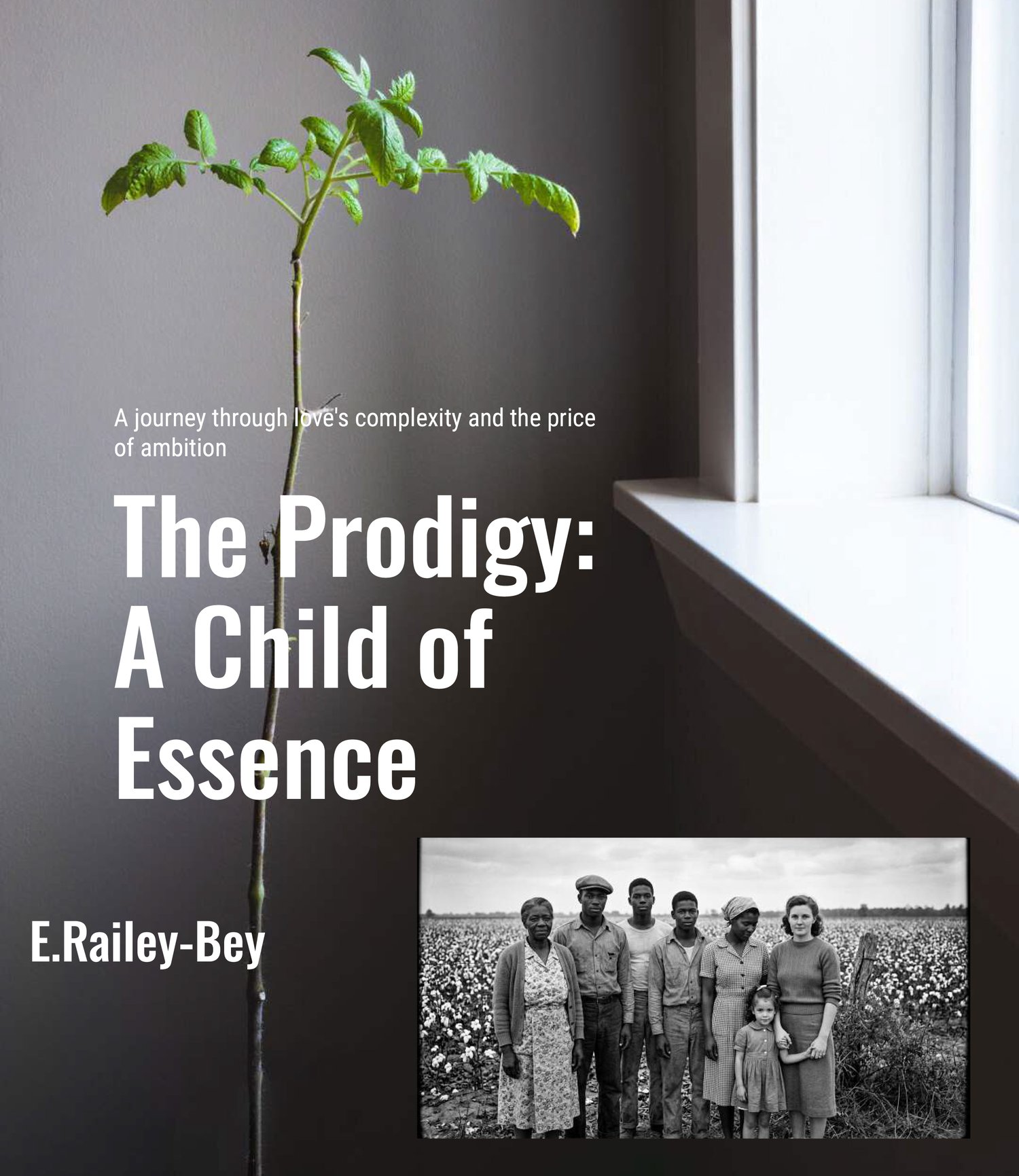
The Prodigy: A child of essence
Jackson, Mississippi woke slow in 1930. The
sun came up over the courthouse square
«first, catching the white columns and the
bronze soldier on his pedestal, then it rolled
west across the railroad tracks and the
shuttered cotton gin, and «finally it spilled out
past the last paved street onto land that
belonged, in nearly every direction a man
could walk, to Phillip Jackson. That was not a
«figure of speech or a boast made at a supper
table. It was a fact written in deed books
down at the county clerk's office, bound in
leather and ink, page after page of the same
name.
The Jackson's had come into that land the
way a great many Southern fortunes came
into being, through settlers rights and the
quiet machinery of paperwork. A family with
cash and patience could claim acreage the
government wanted settled, «file the right
documents, pay the right fees, and wait.
While other men squandered their claims or
lost them to debt, the Jackson's held on.
They bought out the ones who failed. They
married carefully. They outlived their
neighbors. By the time Phillip Jackson
inherited what his father and grandfather had
stacked up like cord wood, one family's name
sat on nearly every parcel that mattered in
the town, the good bottom land along the
river, the storefronts on Main, the livery, the
mill, and the wide green acres on the north
edge where the big house stood behind two
rows of oaks.