
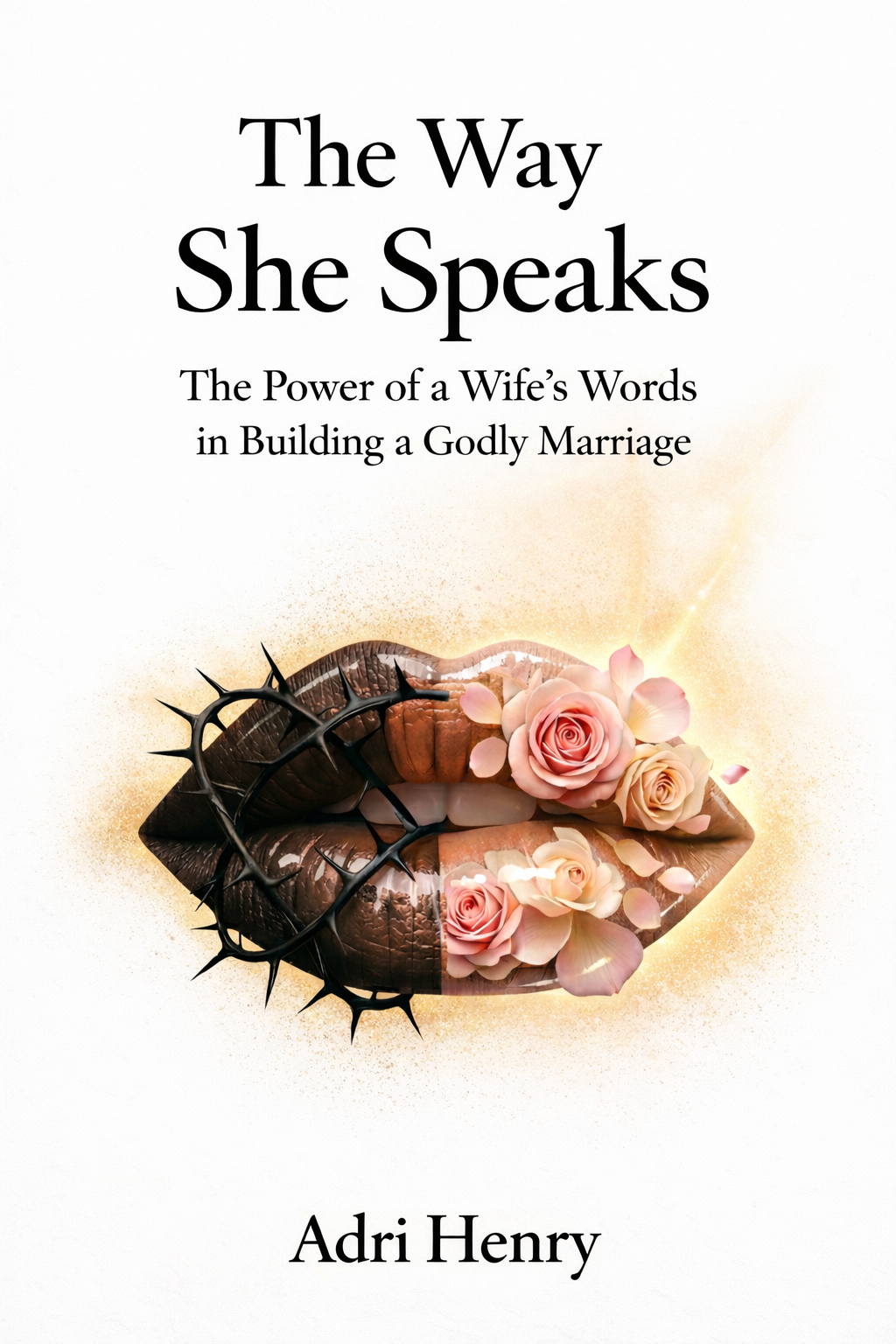
The Way She Speaks
Introduction
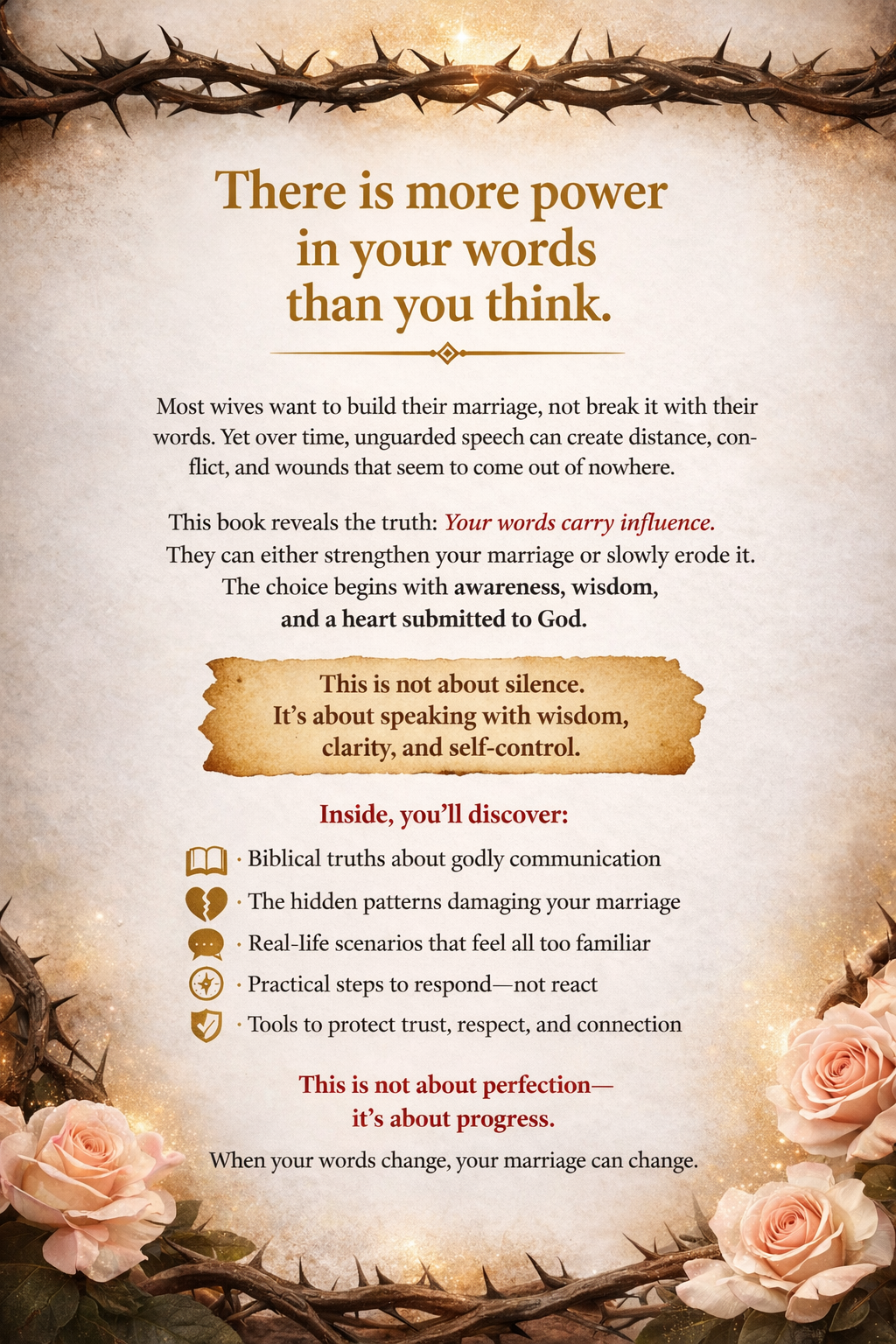
There is more power in your words than you think.
Most wives do not walk into marriage intending to damage it with their speech. They believe they are communicating, expressing, or simply reacting to what they feel. But over time, small patterns of speech—tone, timing, repetition, and emotional reactions—begin to shape the atmosphere of the home. What feels like “just talking” slowly becomes a force that either builds connection or creates distance.
This book is built on a simple but weighty truth: your words carry influence. Not control—but influence. And influence, when used carelessly, can wound. When used wisely, it can strengthen, restore, and bring life.
Scripture is clear about the power of the tongue. It is not neutral. It does not sit quietly in the background of a marriage. It actively participates—either as a builder or as a destroyer. Many relationships are not broken by one major event, but by consistent, unchecked communication patterns that erode trust, respect, and emotional safety over time.
This is not a book about becoming silent or suppressing your voice. You were not created to be voiceless. You were created to speak—but to speak with wisdom, clarity, and self-control. There is a difference between expressing yourself and allowing your emotions to lead your words. One brings understanding; the other often brings confusion and conflict.
It is also important to understand this: communication is not just a skill issue—it is a heart issue. The way you speak is deeply connected to what you carry internally. Unresolved pain, past experiences, fear, insecurity, and pride all find their way into your words if they are not addressed. Many wives are trying to fix communication on the surface, while the root remains untouched.
You may recognize yourself in some of these patterns:
- Saying things you later regret
- Struggling to control your tone when upset
- Repeating the same issue without resolution
- Withdrawing or shutting down instead of speaking
- Feeling misunderstood, even when you are trying to explain
These are not just habits. They are indicators that something deeper needs attention.
This book will walk you through that process.
You will not only learn what healthy, godly communication looks like—you will also confront what has been damaging your marriage. Some sections will challenge you. Others may feel uncomfortable. That is intentional. Growth requires honesty.
Throughout this book, you will find:
- Biblical principles that define godly communication
- Clear explanations of unhealthy communication patterns
- Real-life scenarios that reflect everyday marriage situations
- Practical steps you can apply immediately
- Tools to help you respond instead of react
This is not about perfection. You will not get it right every time. But you can become more aware, more disciplined, and more intentional with your words.
It is also necessary to say this clearly: this book does not support silence in the face of harm, abuse, or injustice. Godly communication does not mean tolerating mistreatment. Wisdom includes knowing when to speak, how to speak, and when to seek help outside of the situation.
Your responsibility is not to control your husband. Your responsibility is to steward your own words.
When your words change, the environment changes. When the environment changes, communication shifts. And when communication shifts, the direction of a marriage can begin to change as well.
This is where that work begins.