
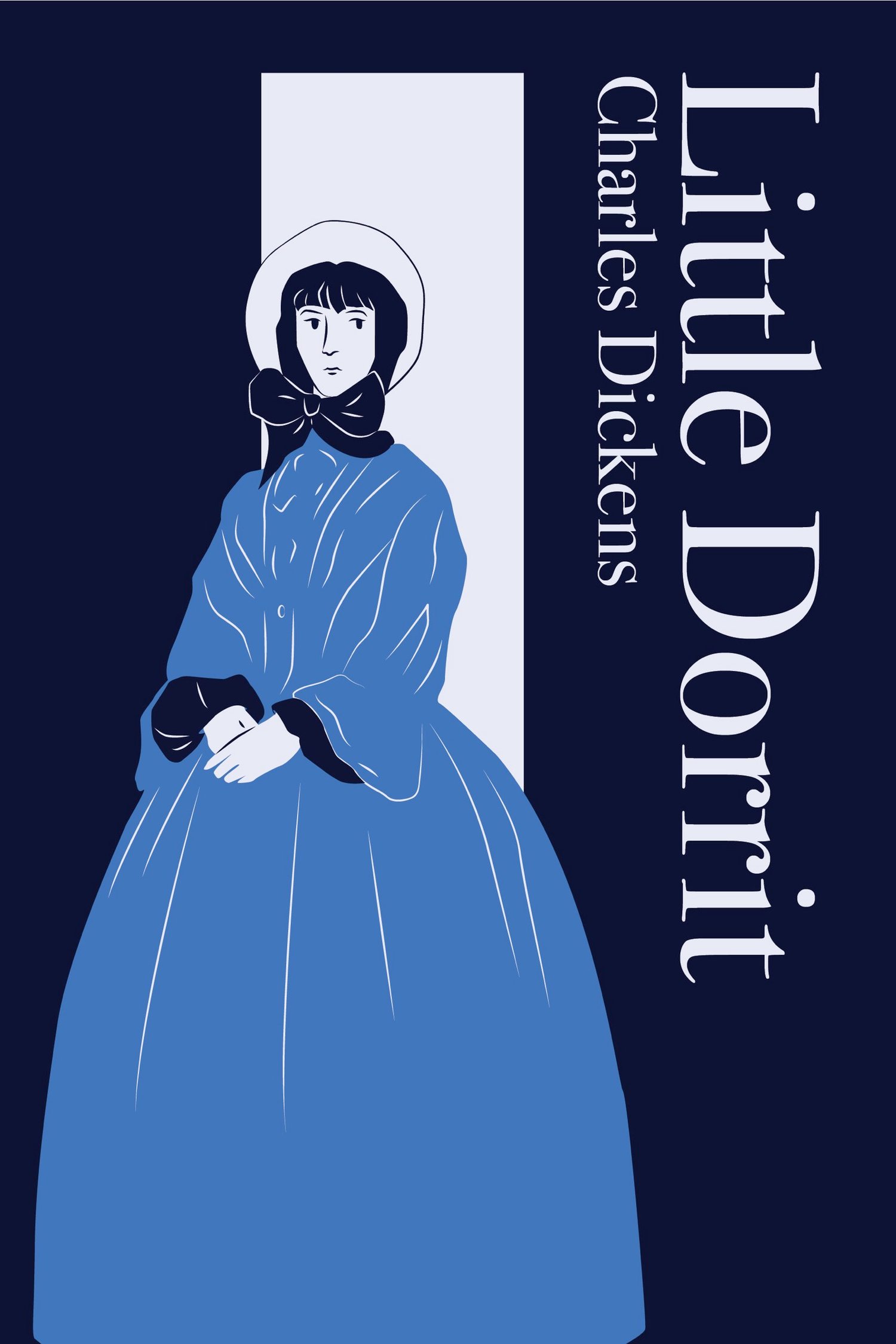
Little Dorrit
Little Dorrit unfolds with a kind of hushed urgency, following Amy Dorrit—small in stature, immense in heart—who has known the walls of the Marshalsea debtors’ prison since birth. Hers is a life shaped by confinement, yet she carries herself with a gentleness that feels almost radical against the grinding machinery of Victorian England. Dickens gives us a world where poverty bruises and bureaucracy smothers, and where kindness, when it appears, glows all the brighter for being so rare.
Into Amy’s orbit steps Arthur Clennam, a man returning from abroad with the uneasy suspicion that his family has long profited from injustice. His search for truth draws him to the Dorrits and into the labyrinth of London’s institutions, where self-importance masquerades as virtue, and those meant to govern the public good seem chiefly interested in tightening the screws. Alongside them moves a full cast of strivers, schemers, innocents, and dreamers, each exposing the absurdity and cruelty that flourish when social systems lose sight of human dignity.
Yet beneath the satire and shadows lies something quietly luminous. Dickens never forgets the stubborn persistence of tenderness, the way loyalty and love can take root in the most inhospitable soil, the way humility can outlast arrogance, and how freedom, when it finally arrives, can be as bewildering as it is liberating. Little Dorrit invites us to see that true greatness rarely announces itself loudly; more often, it’s found in quiet steadfastness, in the choice to care when caring costs something, and in the belief that even the smallest life can illuminate the darkest places.
About the author
Charles Dickens (1812–1870) was an English novelist and social critic, widely regarded as one of the greatest writers of the Victorian era. His works, including A Tale of Two Cities, Oliver Twist, and David Copperfield, are celebrated for their vivid characters, intricate narratives, and incisive critiques of social injustice. Dickens’ enduring legacy lies in his ability to blend humor, pathos, and keen observation, creating stories that resonate across generations.