Speed and Journey Calculations: AQA GCSE Physics (60-Minute Lesson + Answers)
Lesson 2 of 3: Describing Motion
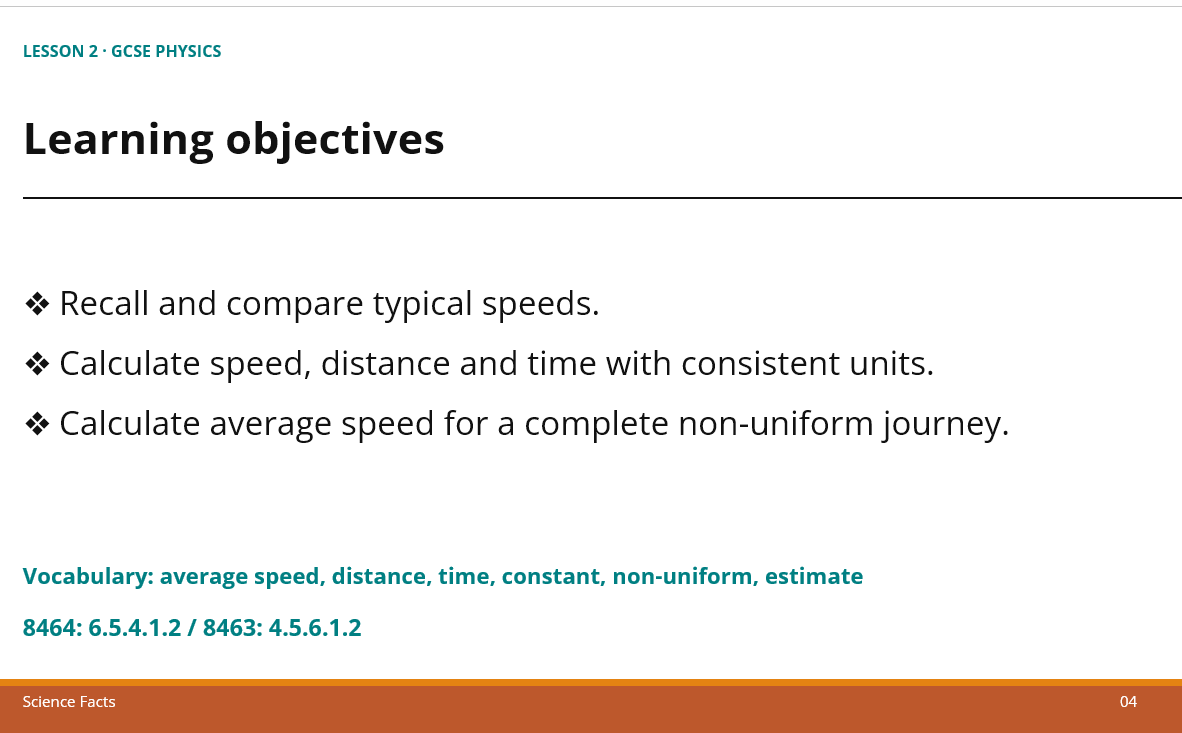
AQA Specification: Physics (8463): 4.5.6.1.2 | Combined Science (8464): 6.5.4.1.2
Level: Foundation and Higher Tier | Duration: 60 minutes
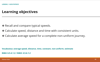
This ready-to-teach, 20-slide PowerPoint lesson covers speed calculations, typical speeds of moving objects, and average speed over complete journeys. Pupils learn to calculate speed, distance and time using the speed equation, convert between standard units, and determine average speed for journeys involving movement and rest periods. The lesson also addresses misconceptions about averaging speeds across different journey sections. Suitable for GCSE classroom teaching, tutoring, home learning and independent revision.
What's Included?
- Do Now retrieval and prerequisite knowledge checks.
- Think–Pair–Share discussion calculating average speed for a cyclist who moves and then stops.
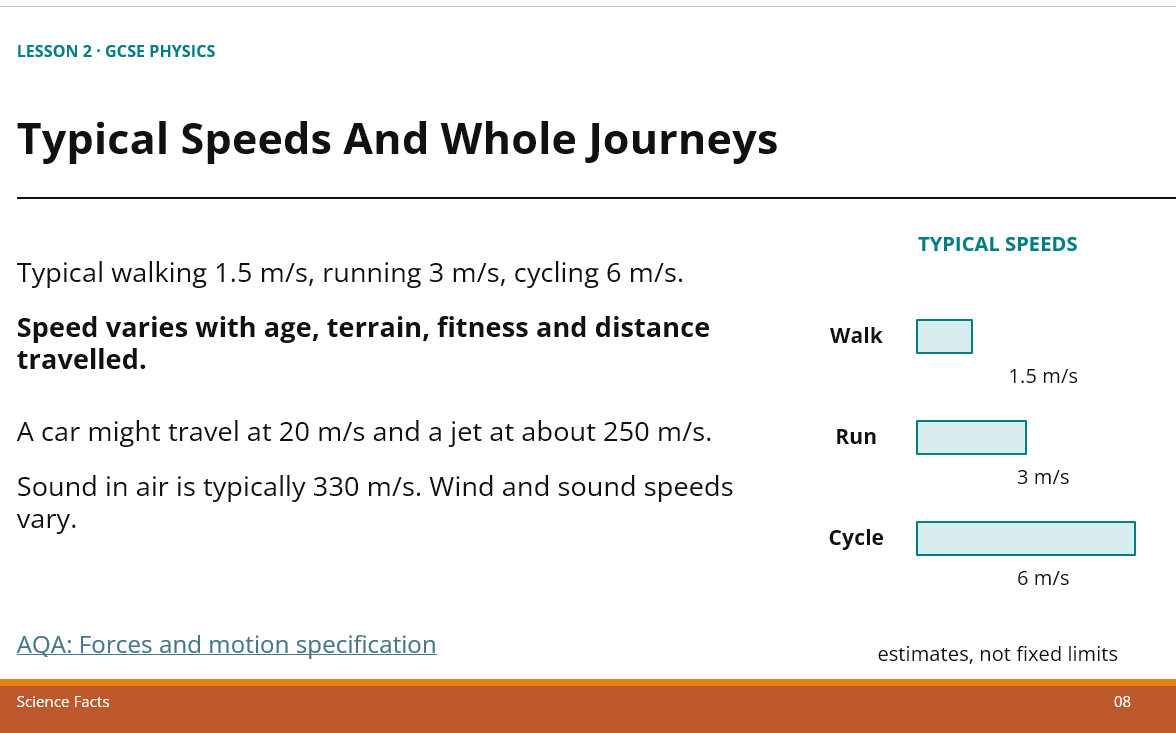
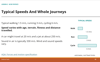
- Clear scientific explanations and diagrams illustrating typical speeds and complete journeys.
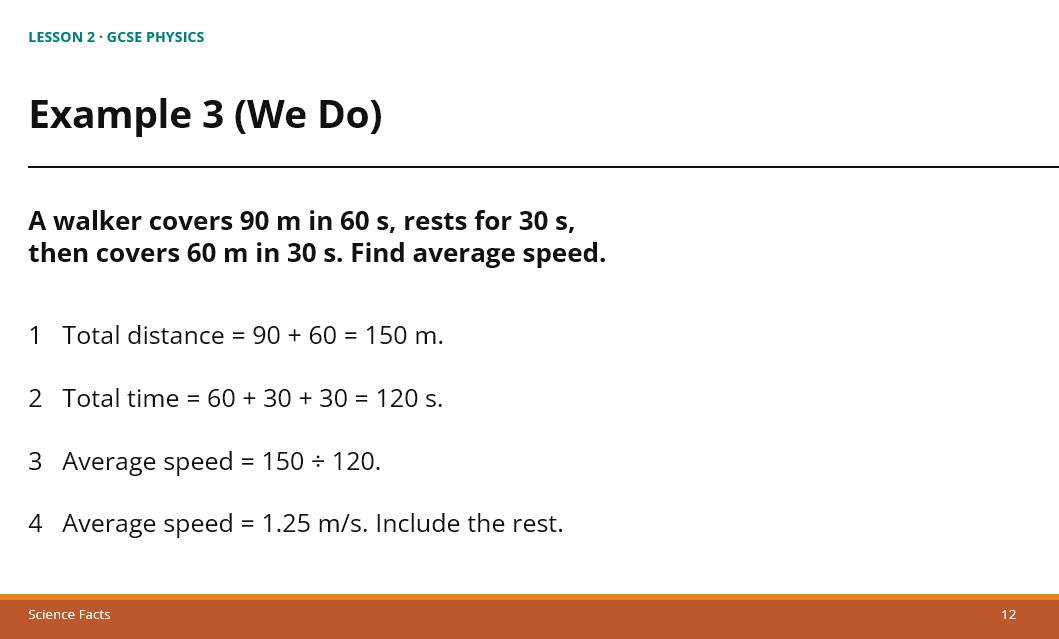
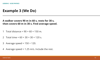
- Modelled worked examples calculating speed, distance, time and average speed over multi-stage journeys.
- Mini-whiteboard (MWB) assessments and independent GCSE-style practice questions.
- Calculation activities using speed = distance ÷ time, including equation rearrangement and unit conversions.
- Journey analysis activities involving walking, running, cycling, vehicles and rest periods.
- Stretch and challenge activities explaining why the overall average speed is not necessarily the arithmetic mean of individual section speeds.
- Green-pen self-assessment with answers and marking guidance.
- Exit ticket to assess learning outcomes.
Lesson Structure: Retrieval (10 min) | Discussion (4 min) | Teaching (7 min) | Modelling (13 min) | MWB (4 min) | Practice (14 min) | Review (5 min) | Exit Ticket (3 min).
Science Facts – Curriculum-aligned GCSE Science resources designed for effective teaching, assessment and independent revision.