
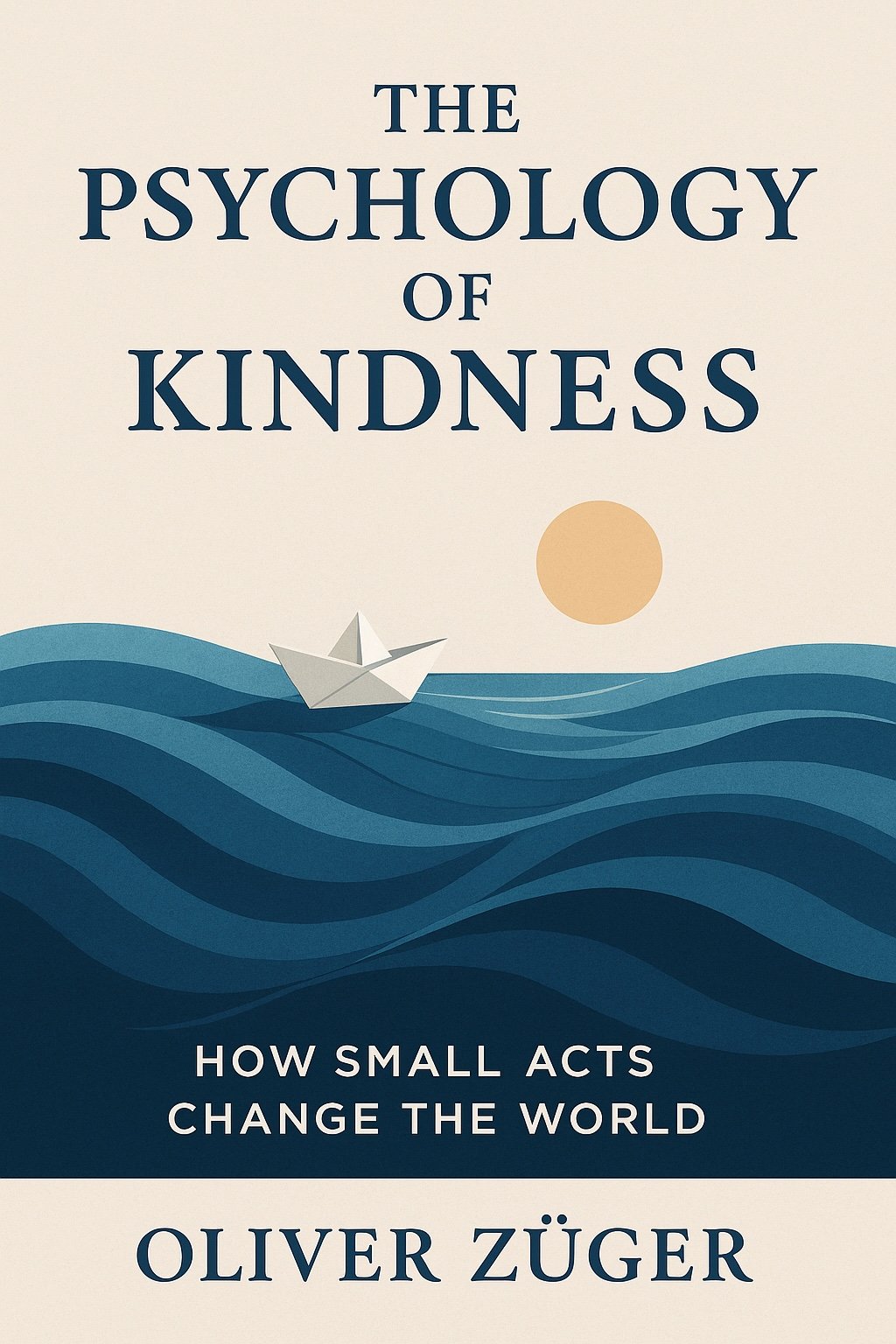
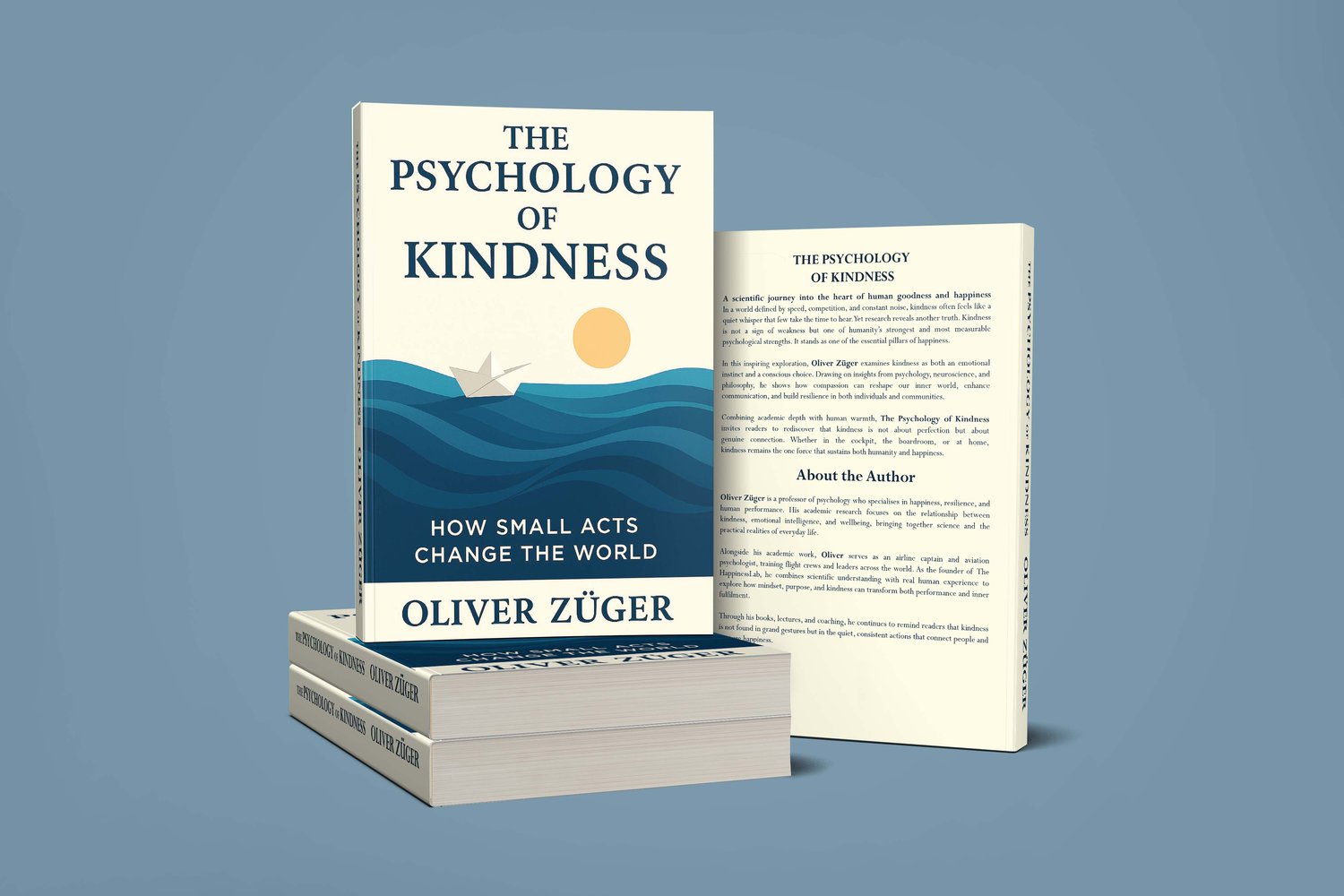

THE PSYCHOLOGY OF KINDNESS
The Psychology of Kindness
Why do some people instinctively help others while some walk away? Can kindness be learned, strengthened, and even measured by science?
The Psychology of Kindness explores one of humanity's most powerful yet often overlooked traits through the lens of psychology, neuroscience, behavioural science, and human development.
Rather than presenting kindness as simple politeness or moral advice, this book examines the psychological and biological mechanisms that shape compassionate behaviour. Discover how childhood experiences, culture, emotions, cognitive biases, relationships, leadership, technology, and society influence the way we give and receive kindness.
Inside this book, you will explore:
• The neuroscience behind compassionate behaviour
• Why empathy and kindness develop differently in different people
• How childhood shapes lifelong patterns of kindness
• Cultural and religious perspectives from around the world
• The psychology of helping, altruism, and prosocial behaviour
• When kindness becomes unhealthy or is taken advantage of
• Kindness in leadership, organisations, education, and healthcare
• The impact of kindness on mental health, resilience, and wellbeing
• How small everyday actions create lasting ripple effects
Written in an engaging and accessible style, this book combines scientific research with practical reflection, making complex psychological concepts easy to understand without sacrificing academic depth.
Whether you are a student, educator, psychologist, healthcare professional, leader, or simply someone interested in understanding human behaviour, The Psychology of Kindness offers a comprehensive exploration of why kindness matters—and how small acts can create meaningful change in individuals, communities, and society.
Because kindness is more than a virtue. It is one of the most powerful forces shaping human life.