
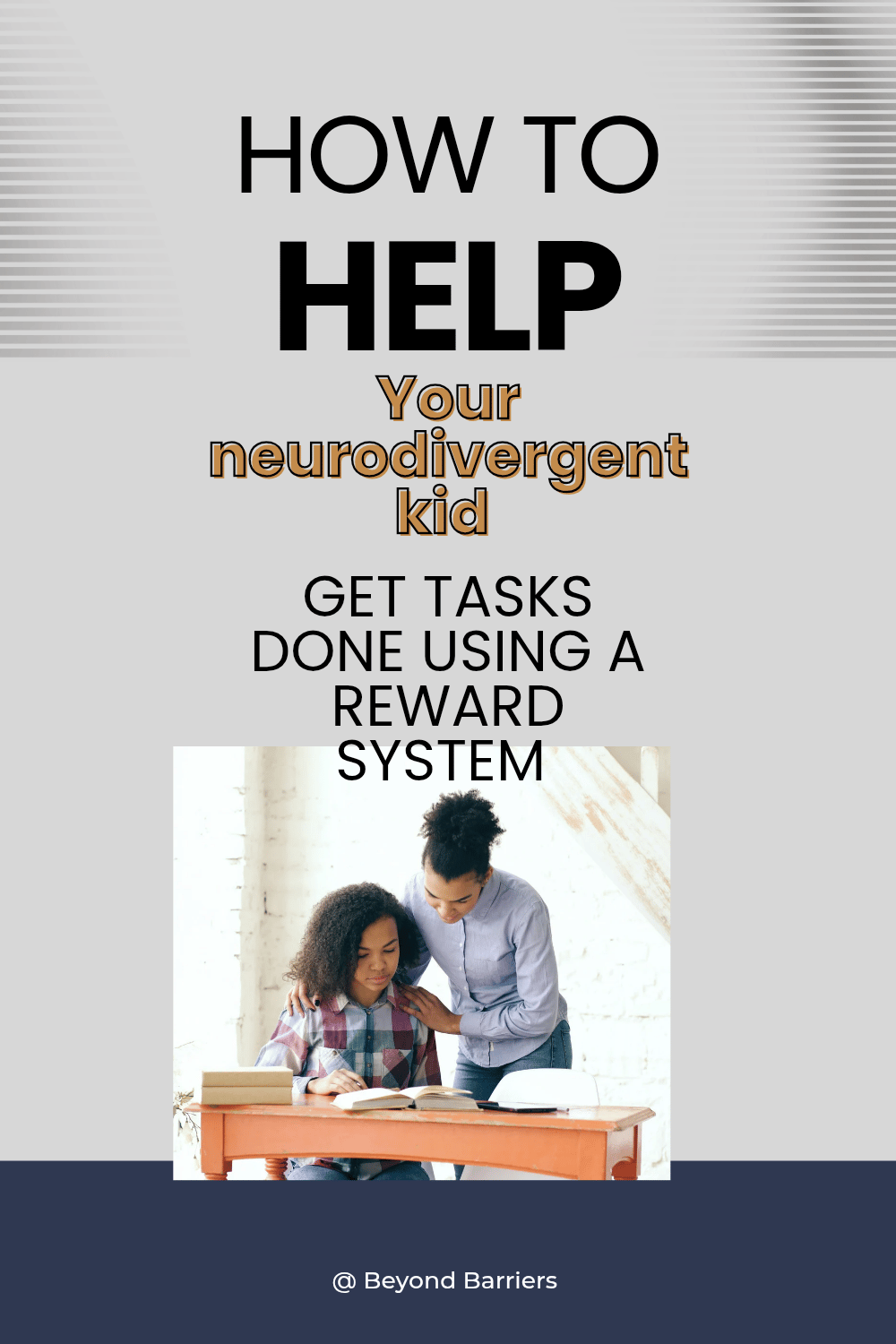
Does your child often say, "I don't want to," or "I don't know,"whenever it's time to do homework, read, write, or complete a chore?
Task avoidance is common, especially among children who find certain activities challenging. Instead of assuming they're being lazy or stubborn, try these simple strategies to encourage them to participate.
1. Celebrate Effort, Not Just Success
Don't wait until the task is completed perfectly before giving praise.
Celebrate small wins like:
* Starting the task.
* Attempting a difficult question.
* Asking for help.
* Staying focused for a few extra minutes.
Children are more likely to repeat behaviours that are noticed and appreciated.
2. Break Large Tasks into Smaller Steps
A long worksheet or a lengthy chore can feel overwhelming.
Instead of saying:
"Finish your homework."
Try:
* Complete Question 1.
* Take a short break.
* Continue with the next question.
Small successes build confidence.
3. Replace "I Don't Know" with a Better Question
One of the most helpful strategies I learned from a speech therapist while supporting one of my learners was not to accept "I don't know" as the end of the conversation.
Instead, gently ask:
"What part don't you understand?"
This encourages the child to identify the actual challenge.
They might say:
* "I don't know how to start."
* "I don't understand this word."
* "I forgot what to do."
Once you know the real problem, you can give the right support instead of guessing.
Positive reinforcement can be a powerful way to encourage children to attempt tasks they usually avoid.
A simple reward system might include:
* Stars
* Stickers
* Verbal praise
* Extra playtime
* Choosing a favourite activity
The goal isn't to reward perfection—it's to recognise effort and build positive habits over time.
5. Be Consistent
Children learn through repetition.
If you're using praise or a reward chart, try to use it consistently. Even when progress feels slow, every small step matters.
A child who attempts one question today may complete an entire assignment with confidence a few months from now.
Final Thoughts
Many children avoid tasks because they feel overwhelmed, unsure where to begin, or afraid of making mistakes. With patience, encouragement, and consistent positive reinforcement, they can gradually develop the confidence to participate more independently.
If you'd like a ready-to-use resource, my Tiny Steps, Big Wins Reward Toolkit includes:
* A simple parent's guide to positive reinforcement
* Goal selection sheets with practical behaviour ideas
* A printable weekly reward chart
* Free, low-cost, and bigger reward ideas for different stages of progress
It's designed to help parents celebrate effort and encourage positive behaviours—one small step at a time.
Explore the toolkit in the Beyond Barriers store and start celebrating your child's progress today.