
How to Train for the Firefighter Fitness Test: Advice from a
Firefighter & Personal Trainer
Passing a firefighter fitness test isn't just about ticking a box—it's about proving that you're physically capable of doing one of the most demanding jobs in the world. Whether you're preparing for your initial recruitment, returning after time away, or simply wanting to improve your operational fitness, your training should reflect the demands of the job.
As both a firefighter and a personal trainer, I've seen first-hand what separates those who pass comfortably from those who struggle. The biggest mistake? Training like it's a gym competition instead of preparing for real-life firefighting.
Understand What You're Training For
Most firefighter fitness tests are designed to assess your ability to perform tasks under fatigue while wearing equipment. Depending on your service, this may include:
- Ladder lifts and extensions
- Casualty drags
- Equipment carries
- Stair climbs
- Hose runs
- Confined space crawls
- Grip strength assessments
- Aerobic fitness tests (such as the Chester Treadmill Test)
The common theme isn't bodybuilding or endurance running - it's functional strength, cardiovascular fitness, muscular endurance, and the ability to recover quickly between tasks.
Build a Strong Foundation
Strength is one of the most overlooked aspects of firefighter fitness.
Focus on compound exercises that train multiple muscle groups at once:
- Squats
- Deadlifts
- Lunges
- Bench Press
- Overhead Press
- Pull-ups or Lat Pulldowns
- Bent-over Rows
Aim for 2-3 strength sessions each week, progressively increasing the weight while maintaining good technique.
Remember: stronger muscles make every firefighting task feel easier.
Train Your Engine
You don't need to become a marathon runner, but you do need a strong cardiovascular system.
Include a mixture of:
- Steady-state runs (30-45 minutes)
- Interval training
- Hill sprints
- Stair climbing
- Rowing or cycling
Firefighting is stop-start in nature, so high-intensity intervals are particularly valuable. For example:
- 1 minute hard effort
- 2 minutes easy recovery
- Repeat 8-10 times
This mimics the demands of operational incidents far better than jogging at the same pace every session.
Don't Neglect Functional Conditioning
This is where your training starts to resemble the job.
Incorporate exercises such as:
- Farmer's carries
- Sandbag carries
- Sled pushes and pulls
- Step-ups with weight
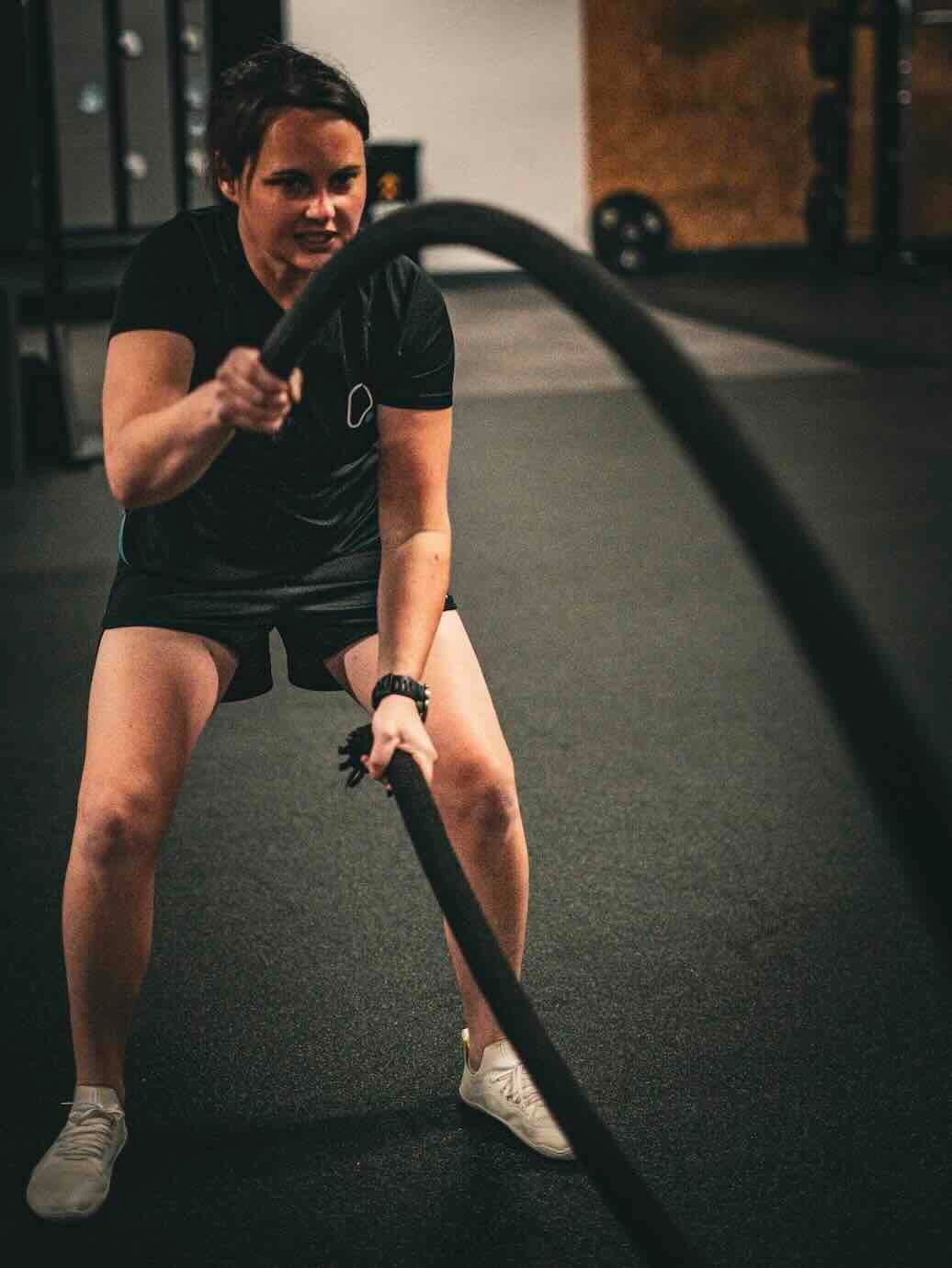
- Battle ropes
- Burpees
- Kettlebell swings
- Box step-overs
Try combining several exercises into circuits to elevate your heart rate while maintaining movement quality.
For example:
3-5 rounds:
- 20m Farmer's Carry
- 10 Burpees
- 15 Box Step-ups
- 20m Sled Push
- 500m Row
Rest 90 seconds before repeating.
Grip Strength Matters
Every firefighter quickly learns how important grip strength is.
Improve yours by adding:
- Dead hangs
- Farmer's carries
- Towel pull-ups
- Plate pinches
- Heavy rows
Strong hands and forearms make ladder work, hose handling and casualty drags much more manageable.
Train Wearing Weight (Sensibly)
Operational kit is heavy.
Once you've built a solid fitness base, gradually introduce weighted walks or step-ups wearing a weighted vest. Avoid running long distances in heavy weight, as the injury risk outweighs the benefits.
The goal is simply to get comfortable moving under load.
Recovery Is Part of Training
You don't get fitter during workouts - you get fitter while recovering from them.
Prioritise:
- 7-9 hours of sleep
- High-protein meals
- Plenty of water
- Mobility work
- Rest days
Ignoring recovery often leads to injury or burnout just when you need to perform.
Common Mistakes I See
Over the years, I've noticed several recurring mistakes:
- Only doing long-distance running
- Avoiding strength training
- Skipping mobility work
- Never practising functional movements
- Leaving preparation until a few weeks before the test
Consistency beats last-minute panic every time.
Sample Weekly Training Plan
Monday: Full-body strength
Tuesday: Interval cardio + mobility
Wednesday: Functional conditioning circuit
Thursday: Rest or light recovery walk
Friday: Strength + grip training
Saturday: Long steady-state cardio
Sunday: Functional fitness or stair session
Final Thoughts
The firefighter fitness test shouldn't be something you simply "get through." It should be a reflection of the physical standards you'll rely on throughout your career.
Train with purpose. Build strength before chasing speed. Improve your fitness gradually. Most importantly, train like a firefighter- not just like someone going to the gym.
Your crew, your casualties and your own safety all depend on your physical capability.
If you can comfortably lift, carry, climb, drag and recover repeatedly, you'll not only pass the fitness test - you'll be better prepared for the realities of the job.
Stay consistent, trust the process, and remember: fitness isn't just for the recruitment day - it's part of being a professional firefighter.