
You’re not lazy.
You’re not unmotivated.
You’re not inconsistent.
You’re dysregulated.
And until your nervous system feels safe, nothing else will stick — not discipline, not productivity, not manifestation, not self-care routines copied from someone else’s morning ritual.
As a certified health coach, one of the most common patterns I see in women is this: they’re trying to discipline themselves out of a dysregulated state.
But regulation doesn’t come from force.
It comes from safety.
And safety feels different for every woman.

What Is Nervous System Regulation?
Your nervous system controls how your body responds to stress, safety, threat, connection, and rest.
It operates largely through your autonomic nervous system, which has two primary branches:
- Sympathetic (fight or flight)
- Parasympathetic (rest and digest)
When you’re chronically stressed, overworked, overwhelmed, or emotionally guarded, your sympathetic nervous system can remain activated longer than it should.
Research from the National Institutes of Health shows that chronic stress impacts cortisol regulation, immune function, and long-term health outcomes.
The American Psychological Association has also linked prolonged stress activation to burnout, mood disturbances, and cognitive fatigue.
This isn’t about being dramatic.
This is biological.
If your system doesn’t feel safe, it will prioritize survival over expansion.
The Problem With Most “Nervous System Tips”
A lot of articles like to give ideas on how to regulate your nervous system. And while I think that’s important, I would like to offer something deeper.
How can anyone possibly regulate their nervous system if they don’t know where they stand on the scale of regulation?
Emotionally.
Energetically.
Physiologically.
One method does not work for all.
Breathwork might calm one woman.
It might overwhelm another.
Journaling might regulate one woman.
It might dysregulate another.
Before we regulate, we must assess.
We must come home to ourselves first.
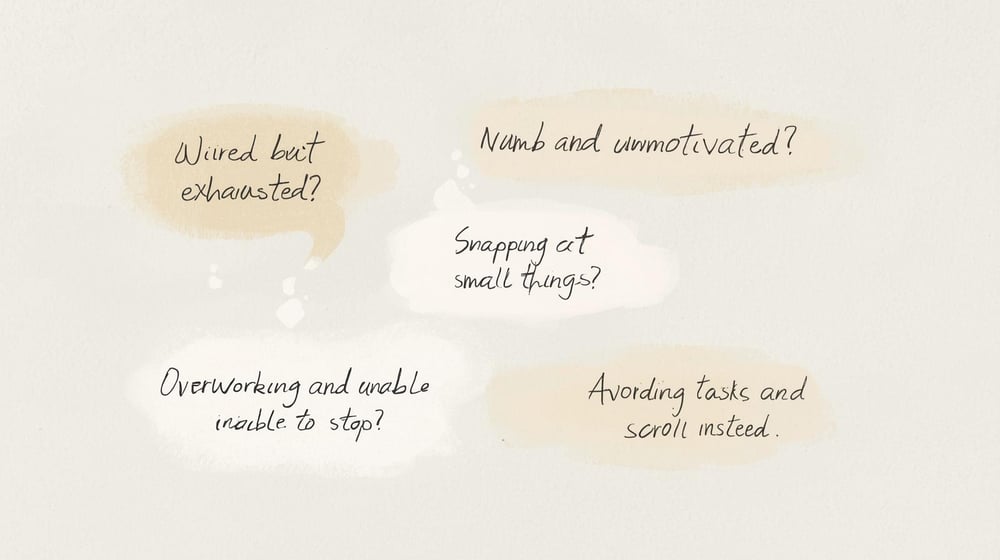
Step 1: Identify Where You Are on the Regulation Scale
Ask yourself:
Are you…
- Wired but exhausted?
- Numb and unmotivated?
- Snapping at small things?
- Overworking and unable to stop?
- Avoiding tasks and scrolling instead?
If you feel anxious, restless, overstimulated — you may be in fight or flight.
If you feel frozen, disconnected, heavy, shut down — you may be in freeze.
Regulation is not about copying someone else’s ritual.
It’s about responding to the state you’re actually in.

Step 2: Regulate According to Your State
If You’re in Fight or Flight (Anxious / Overstimulated)
Your body needs downshifting.
Try:
- Extended exhale breathing (inhale 4, exhale 6)
- Slow walking without your phone
- Lowering stimulation (dim lights, softer music)
- Gentle stretching
Research from institutions like Harvard Medical School highlights how breath pacing influences vagal tone — which directly impacts parasympathetic activation.
Longer exhales tell your body: you are safe.
If You’re in Freeze (Numb / Shut Down)
Your body needs gentle activation.
Try:
- Light rhythmic movement
- Cold water on your face
- Playing music and moving for 2–3 minutes
- Speaking out loud instead of staying internal
Freeze requires energy input, not more stillness.
Step 3: Daily Micro-Regulation (This Is Real Self-Care)
Self-care is not always candles and baths.
It is:
- Stable blood sugar
- Protein intake
- Morning sunlight
- Consistent sleep rhythms
- Boundaries with overstimulation
- Saying no when your body tightens
The nervous system loves predictability.
The body loves rhythm.
The mind loves safety.
When those align, your productivity increases naturally.
Your discipline improves naturally.
Your clarity returns naturally.

The Truth Most Women Don’t Want to Hear
You don’t need more motivation.
You need safety.
You don’t need to force consistency.
You need regulation.
You don’t need to become someone else.
You need to come home to yourself.
The answers are not outside of you.
They are within you.
But you must slow down enough to hear them.
If This Helped You, Here’s Something Deeper
If this resonated, I created something structured to help you go beyond awareness.
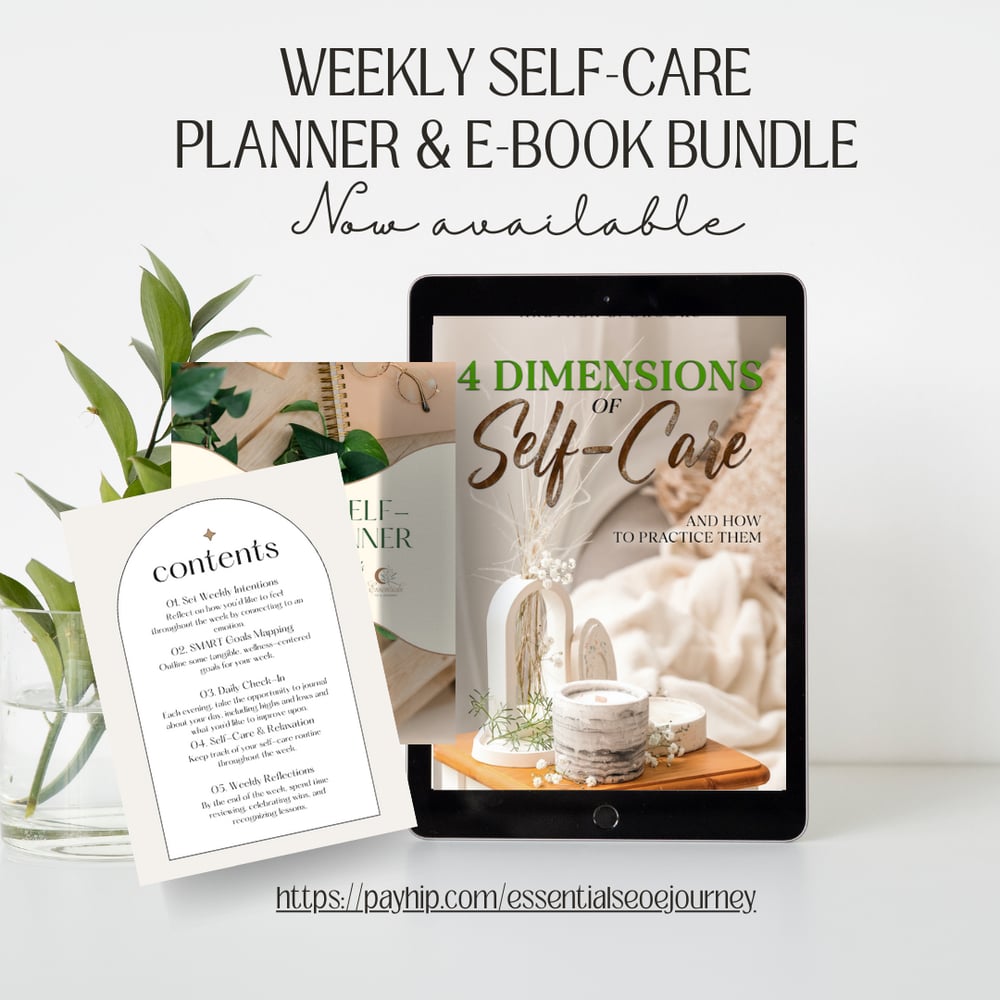
The 4 Dimensions of Self Care Bundle was designed for women who want more than surface-level routines.
It walks you through:
- Physical regulation
- Emotional regulation
- Mental clarity
- Energetic alignment
Because true regulation isn’t one-dimensional.
It’s layered.
And when those layers work together, you don’t just “calm down.”
You expand.
✨ If you’re ready to build safety from the inside out, explore The 4 Dimensions of Self Care Bundle here.
References
American Psychological Association. (n.d.). Stress effects on the body. https://www.apa.org/topics/stress/body
American Psychological Association. (n.d.). 11 healthy ways to handle life’s stressors.https://www.apa.org/topics/stress/tips
National Center for Biotechnology Information. (2023). Autonomic nervous system. In StatPearls. https://www.ncbi.nlm.nih.gov/books/NBK539845/
Thayer, J. F., & Lane, R. D. (2016). The role of vagal function in stress regulation and health. National Institutes of Health, PubMed Central (PMC). https://www.health.harvard.edu/mind-and-mood/relaxation-techniques-breath-control-helps-quell-errant-stress-response
Comments ()