
European identity . Political purpose . Unity in Diversity
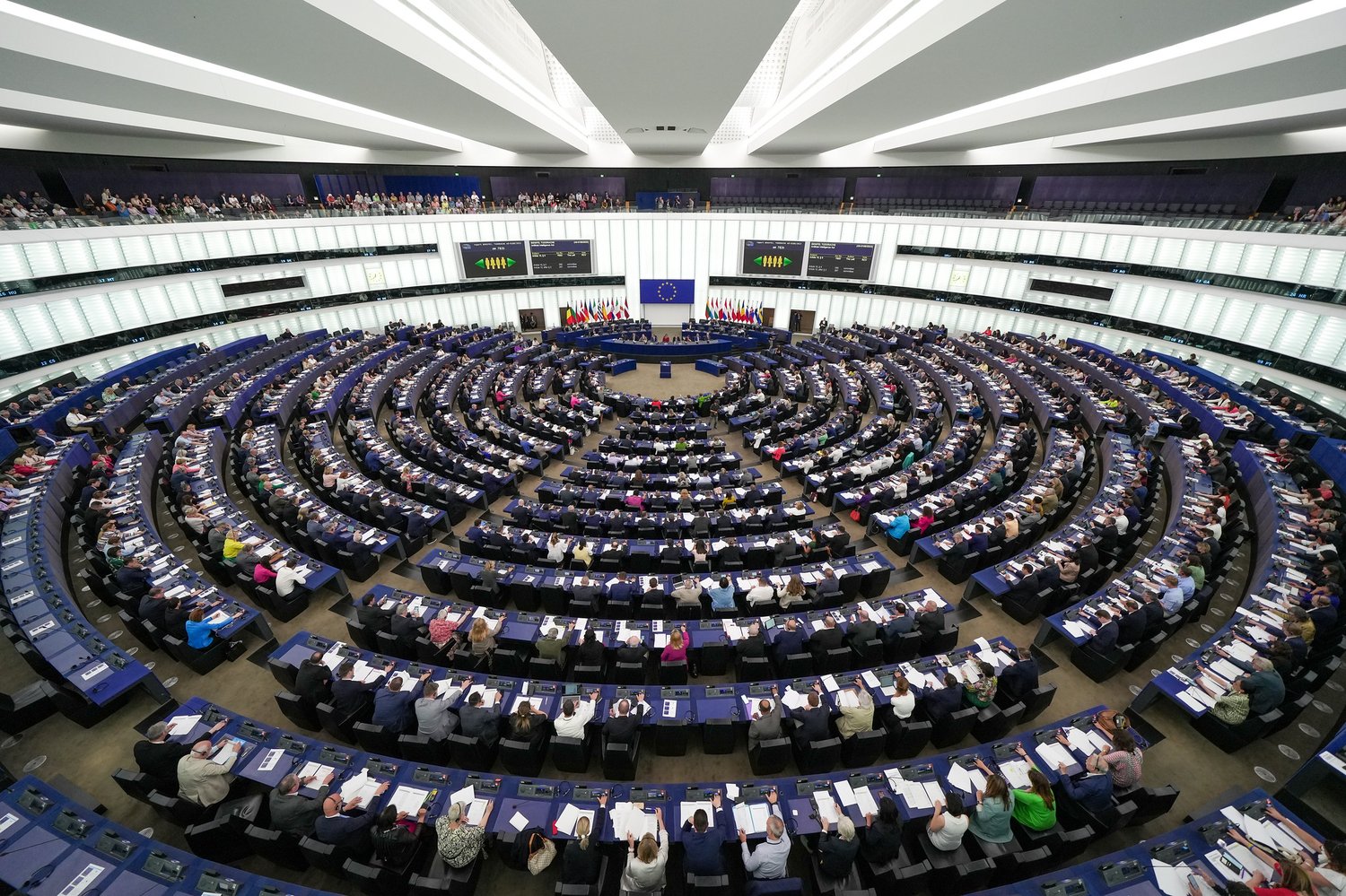
Since the establishment of the European Coal and Steel Community (ECSC) in 1951, European integration has evolved from a project centred on economic cooperation into an extensive political, legal and institutional union. Yet an important question remains: do European citizens and political leaders share a common understanding of what the European Union should ultimately become? The EU increasingly presents itself as a community founded on democracy, human rights and the rule of law, while also pursuing economic prosperity, security and greater international influence. However, these objectives do not always produce a shared vision of the EU’s political future.
The debate surrounding Turkey’s potential accession has long raised questions about the foundations of European identity: is the Union primarily a political community based on shared values, an economic union, or a community also shaped by shared history and culture? More recently, the prospect of further enlargement, particularly towards Ukraine and other candidate countries, has brought these questions into renewed focus. Perhaps one of the EU’s challenges is not simply how to integrate further, but how to reconcile different understandings of its identity, political purpose and future direction.
A shared European future requires more than common institutions. It requires an ongoing conversation about what the Union represents and what its members seek to build together. The EU’s motto is United in Diversity. How much diversity can a political union accommodate while preserving a shared identity, common values and a sense of collective purpose? Can unity endure without limits to diversity, or does every political community require some common foundations on which to stand?
Explore Further
· European Commission- Preparing for a wider Union (2026)
· European Union – EU Priorities 2024-2029
EUNEXIAS
Understanding Europe. Exploring Power. Connecting Ideas