
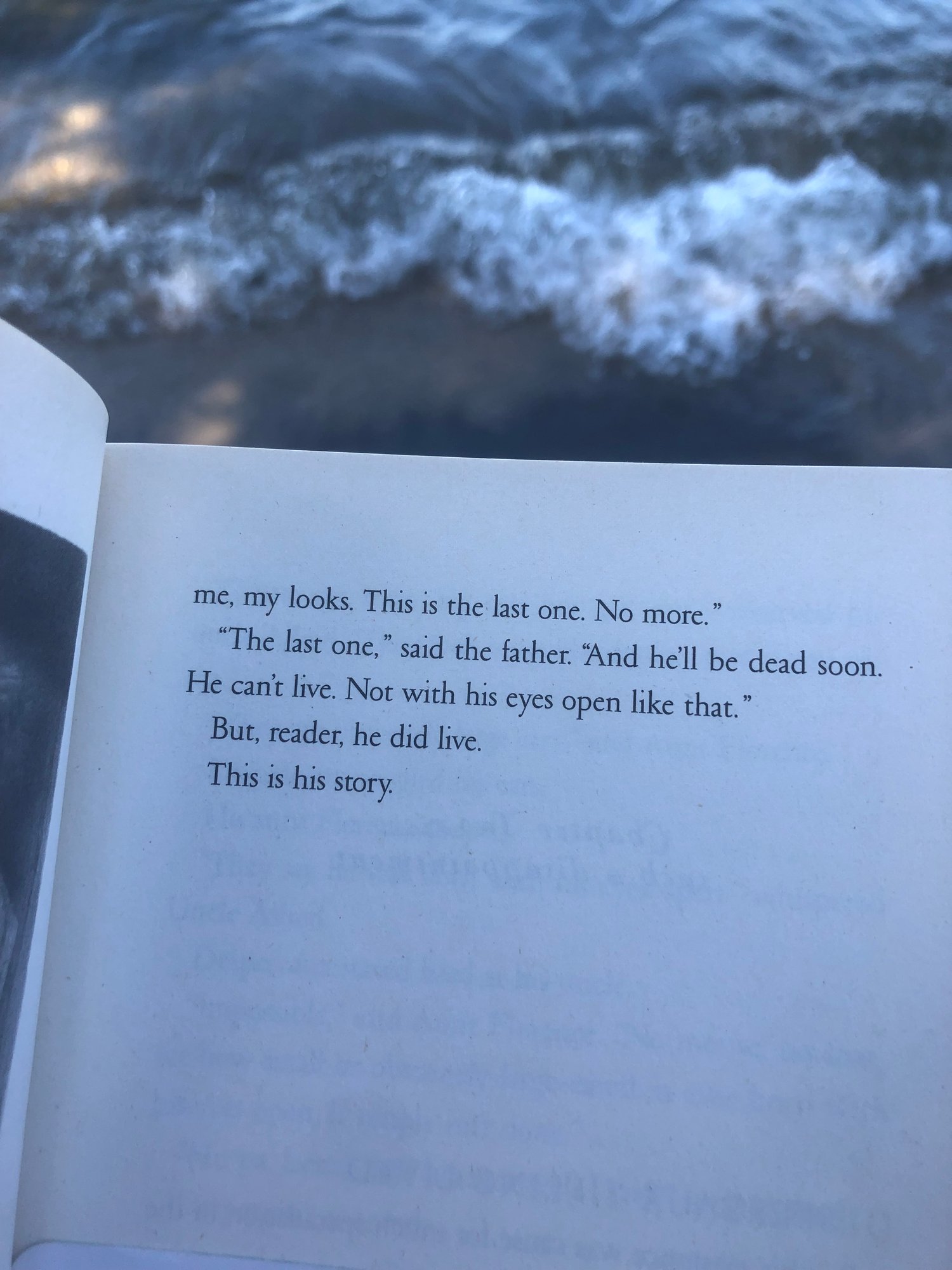
Dear Reader,
I write this to you on a cool and blustery autumn day. The window beside my desk is open, letting in a chilly breeze. It is one of those cool days when hot soup would be perfect in the evening. I love the idea of soup, but in reality, I’m not the biggest soup eater. But I want to try out more soups this autumn and winter to give them a fair chance to become a favorite cozy meal.
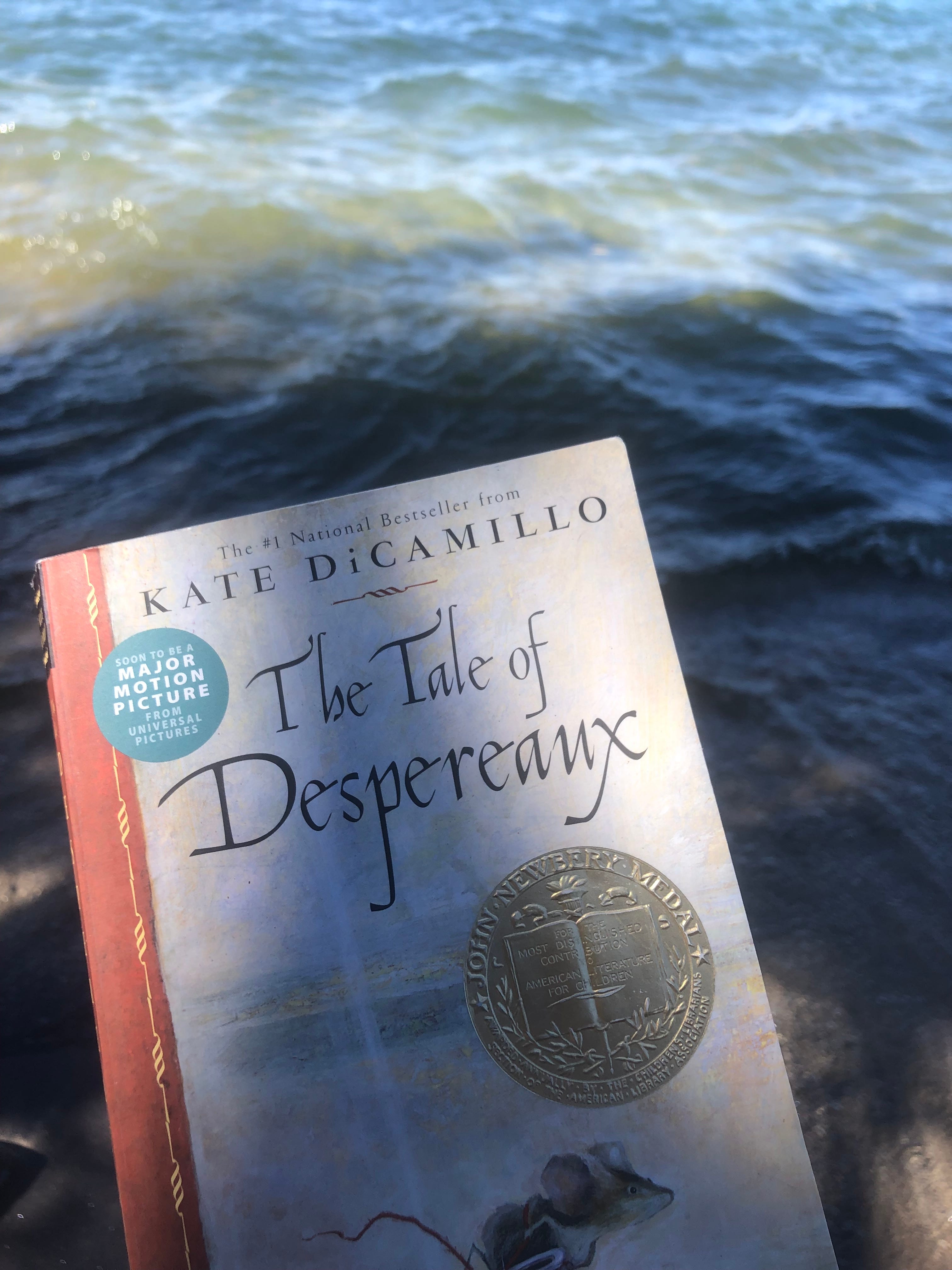
Soup. Why am I talking about soup? Well, recently I read a charming story about a remarkable young mouse who lived in a kingdom where soup was made illegal.
My family has this saying. “Strong and mighty and not scared of nothing.” It was something my mom started telling my youngest brother when he was a wee thing after my dad said his legs were as small as chickens. My mom was greatly offended by that and so began telling my brother since before he could talk that he was “strong and mighty and not scared of nothing.” Well, he grew up and lost his “chicken legs” and learned how to run and jump. If ever presented with a scary situation, he would tell himself, “Strong and mighty, not scared of nothin’.”
As this story, The Tale of Despereaux, is the story of a small mouse, too small with large ears, who, despite his size, was strong and mighty, and even if he was afraid, he would be brave. Despereaux is a courageous little mouse indeed.
Growing up, I remember watching the movie and it being one of my favorites. It’s been many years now, and I must rewatch it to see if it still holds up. I have an odd theory that if you grew up liking Ratatouille (the Pixar movie about a rat who loves to cook) then you will like The Tale of Despereaux and vice versa. If you didn’t like one, then I don’t believe you will enjoy the other.
Yours Truly, Moriyah is a reader-supported publication. To receive new posts and support my work, consider becoming a free or paid subscriber on Substack: https://moriyahcordova.substack.com/subscribe
I loved the themes of bravery, light, hope, and forgiveness. I want to highlight the forgiveness because as I read it, I couldn’t help but see scripture. This is actually quite a Christian tale, especially how it treats forgiveness.
Forgiveness is important. More than important, it is a required part of our faith as Christians.
For if you forgive others their trespasses, your heavenly Father will also forgive you, but if you do not forgive others their trespasses, neither will your Father forgive your trespasses. —Matthew 6:14-15
Honestly, this is a pretty terrifying verse. It shows why forgiveness is so important. It is important for us to forgive others so that our heavenly Father will forgive us.
And this children’s book shares a similar biblical sentiment.
There are two main instances of forgiveness, and both have the same reasoning behind them. Now, these parts come near the end, so I don’t want to spoil it because I think you should read the story for yourself, but I do want to point out the basic premise.
Two times in the book, characters are faced with needing to forgive. To choose to forgive or not to.
The first time, a character has been betrayed by their father and was condemned to die. The father, upon seeing their child again, begs for forgiveness. The character’s heart feels like it will split in two.
“I forgive you Pa.”
And he said those words because he sensed that it was the only way to save his own heart, to stop it from breaking in two. [NAME], reader, spoke those words to save himself.
The second time a young girl was kidnapped and pulled into the dark by the same thing that made her own mother die. Hatred was growing in her heart. Then came a moment she could have had vengeance.
[NAME] was aware suddenly of how fragile her heart was, how much darkness was inside it, fighting, always, with the light…but she knew what she must do to save her own heart.
She chose mercy and love. She chose forgiveness.
This is a beautiful and powerful thing in any book, but especially to teach to children.
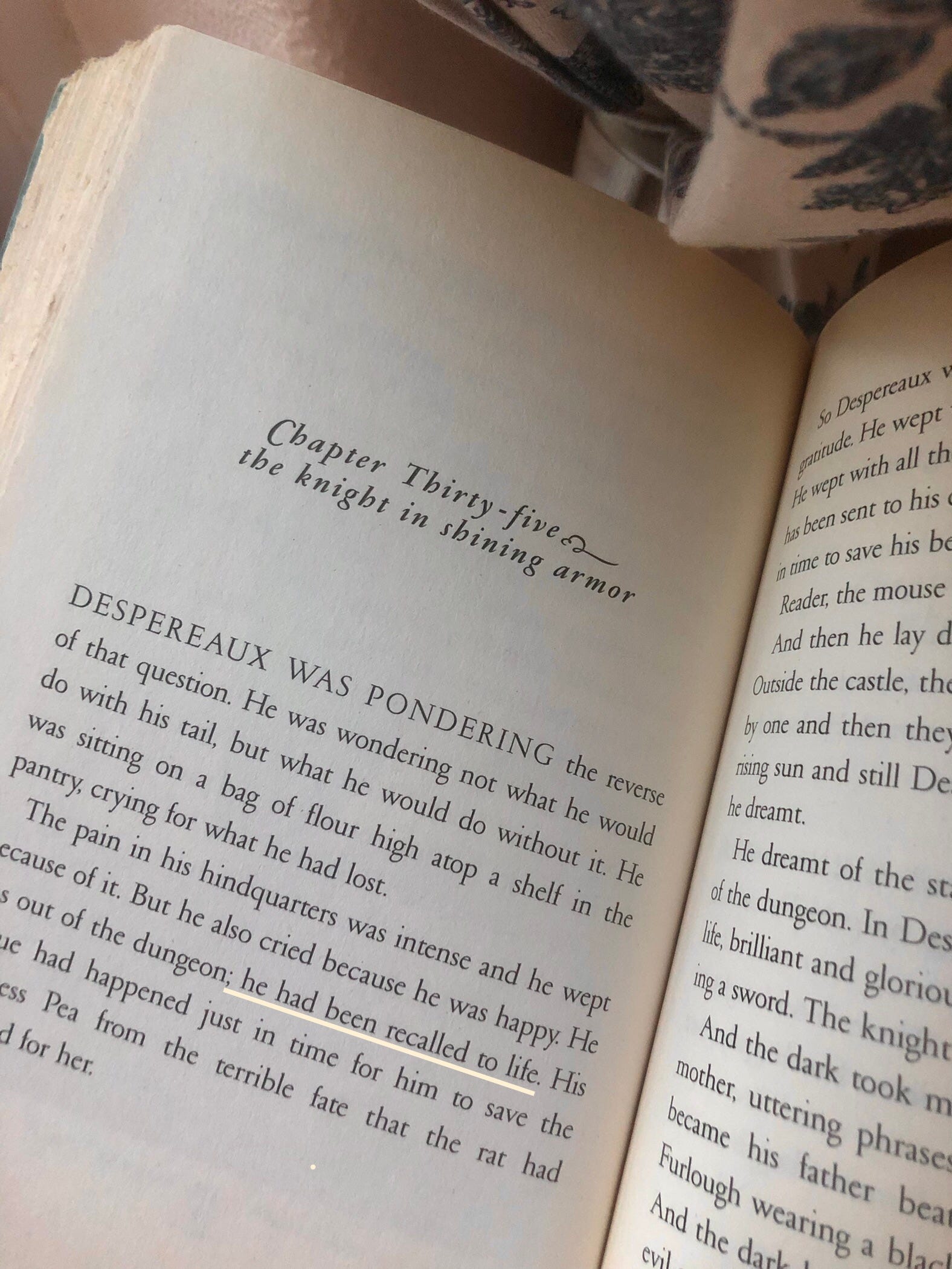
I highlighted in bold the words I want you to focus on. “To save himself.” “To save her own heart.”
I think we can think of forgiveness as letting go of a wrong or letting someone off the hook, which makes forgiveness sound hard. If someone has hurt you, condemned you to die, kidnapped you, betrayed you, or whatever it is…you can feel hurt. More than hurt. Someone could destroy you. What do you do then? Do you let hatred grow and poison you from the inside out? Or do you forgive?
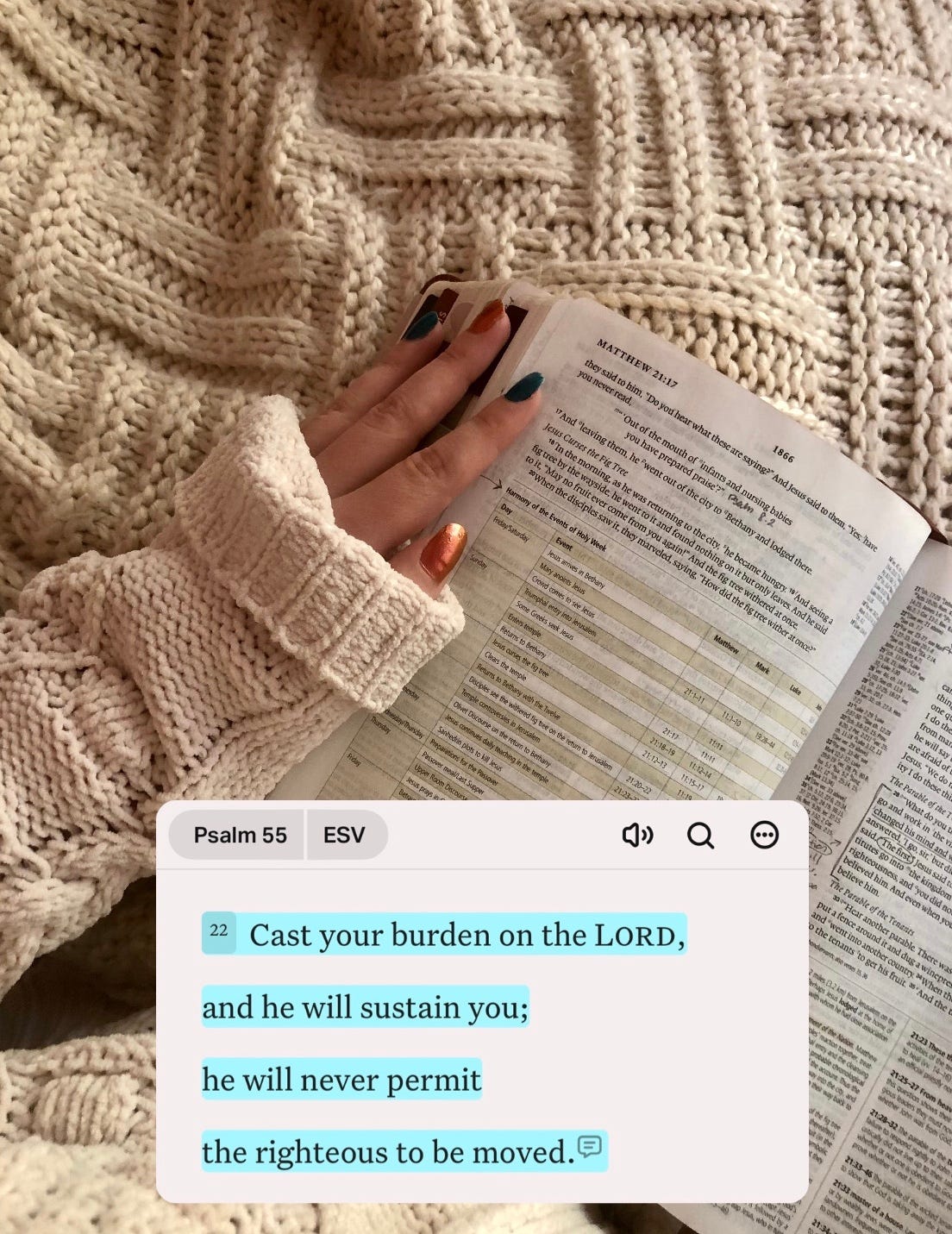
Forgiveness is letting go in that you are giving it up to God. “Cast your burden on the Lord, and he will sustain you; he will never permit the righteous to be moved.” —Psalm 55:22
Holding on to the wrongs, the pain, the memories, are heavy burdens indeed. The poison your insides with fear, hatred, bitterness, darkness.
The forgiveness is not for the person you are forgiving (though they can benefit from it as the father did in the story) but it isn’t for them. It is not to absolve them of their wrongdoing or to let them into your life again (especially if they are not safe). There is a way to forgive, truly forgive, and still not build the bridge because letting them back in will cause more pain and more destruction in your life and in their own. Sometimes the kindest, most loving thing is to back away and let go. That way you aren’t put in a position where you are being hurt, harmed, abused, mistreated, hated, etc. And then there are some cases where the forgiveness leads to a bridge being built, like in the second story.
The Bible even talks about the difference. Both forgiving, but one where a bridge can be built and another when to walk away is the best course of action.
“If your brother sins against you, go and tell him his fault, between you and him alone. If he listens to you, you have gained your brother. But if he does not listen, take one or two others along with you, that every charge may be established by the evidence of two or three witnesses. If he refuses to listen to them, tell it to the church. And if he refuses to listen even to the church, let him be to you as a Gentile and a tax collector. —Matthew 18:15-17
But the thing I want to highlight is that forgiveness is not for the other person. Forgiveness is for you.
Our hearts are fragile. Cracks can appear. Darkness can slip in. We have to be careful of what we let into our hearts so that they don’t split in two.
Our un-forgiveness does not hurt the other person but ourselves. Jesus says that if we forgive, then the Father will forgive us, but if we don’t, we are not forgiven. It is us. Our hearts that are on the line.
My parents have said that un-forgiveness is a poison we drink expecting it to hurt and poison the other person when the poison is going down our throats into our stomachs and destroying us from the inside out.
Un-forgiveness is a poison. It is our poison and only hurts us. The antidote is forgiveness and giving it up to God to deal with and be the just judge.
For the Lord is our judge; the Lord is our lawgiver;
the Lord is our king; he will save us. —Isaiah 33:22
I love that this story, which many children have grown up reading and is a favorite of many, has such beautiful and strong Christian roots and morals. If you are looking for a read aloud for your children this homeschool year or you like stories that feel like old fairytales then I think you will love this story of the brave mouse, the rat who longs for light, the light princess, and hope.
Yours Truly, Moriyah
Paperback: https://bookshop.org/a/126087/9780763680893
Hardcover: https://bookshop.org/a/126087/9781536228670
Ebook: https://bookshop.org/a/126087/9780763649432
You can also read for FREE with the Libby app! All you need is a library card and then you can borrow and listen to audiobooks and read ebooks. Or you can visit your local library!
Disclosure: Thank you for supporting the Book Keeper’s Library! I am an affiliate of Bookshop.org and I will earn a commission if you click through and make a purchase at no extra cost to you.