
Introduction
Animal coloring pages have captivated children for generations, and there's solid developmental science behind their enduring popularity. These engaging activities offer far more than simple entertainment—they serve as powerful tools for creative development, educational growth, and emotional expression. When children color their favorite animals, they're simultaneously developing fine motor skills, learning about the natural world, and exercising their imagination in ways that support healthy cognitive development.
The connection between animals and creativity runs deep in child development. Animals represent freedom, wildness, and natural beauty that resonates with children's innate sense of wonder. By providing carefully selected animal coloring pages that challenge without overwhelming, we can nurture this natural connection while supporting important developmental milestones.
The Science Behind Animal-Themed Creative Activities
Research in child psychology consistently demonstrates that animal-themed activities engage multiple areas of developing brains simultaneously. When children encounter animal coloring pages, they activate visual processing centers, motor control regions, and creative thinking areas all at once. This multi-sensory engagement creates stronger neural pathways and supports more robust learning outcomes than single-focus activities.
Animal themes also tap into children's natural tendency toward anthropomorphism—attributing human characteristics to animals. This cognitive process encourages empathy development and emotional intelligence as children imagine themselves in different scenarios while coloring. A child coloring a lion might imagine being brave, while coloring a rabbit might evoke gentleness and curiosity.
The predictable yet varied nature of animal forms provides ideal subject matter for developing artistic skills. Animals offer recognizable shapes that children can identify and relate to, while still providing enough variation in form, texture, and pattern to challenge developing artistic abilities. From simple circular bodies to complex fur patterns, animal designs naturally scaffold artistic skill development.
15 Animal Coloring Pages That Spark Imagination
Forest Friends Collection
Woodland creatures offer perfect introductions to animal coloring for younger children. Bears with their round, friendly shapes provide excellent opportunities for practicing circular motions and discussing concepts like hibernation and forest habitats. Fox designs often incorporate triangular elements that help children recognize geometric shapes while exploring clever, playful personality traits.
Deer coloring pages typically feature graceful lines and elegant proportions that encourage children to practice controlled movements and discuss concepts like gentleness and forest ecosystems. Owl designs combine circular and triangular elements while introducing nocturnal behavior concepts and encouraging discussions about wisdom and knowledge.
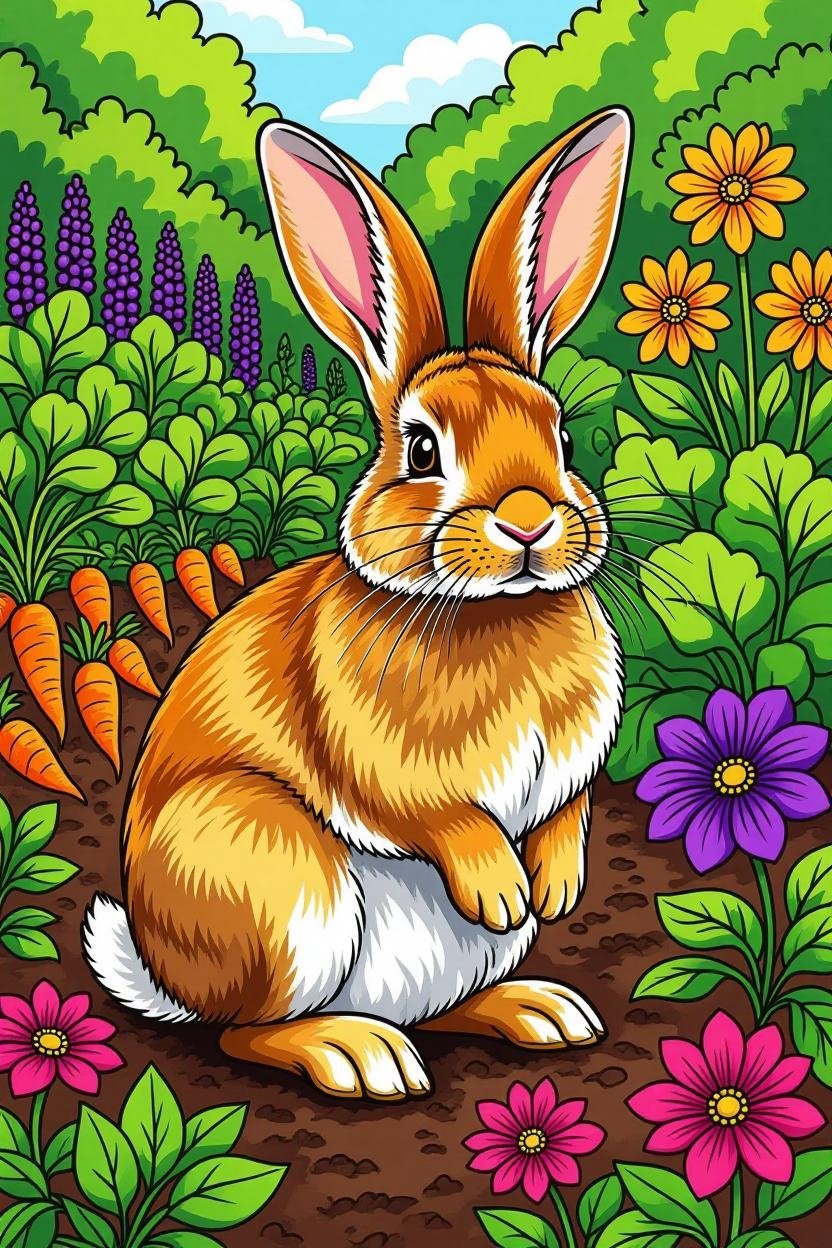
Rabbit coloring pages remain consistently popular because their simple oval shapes suit beginning colorists while their association with speed and cleverness provides rich storytelling opportunities. Squirrel designs often include environmental elements like trees and acorns, extending learning into seasonal changes and food storage behaviors.
Safari Adventure Series
African safari animals provide exotic appeal while teaching children about distant lands and diverse ecosystems. Lion coloring pages offer opportunities to discuss leadership, family structures, and savanna habitats while practicing radial patterns in mane designs. The contrast between male and female lions can spark conversations about differences and similarities.
Elephant designs typically feature large, simple shapes perfect for younger children, while their wrinkled skin textures challenge older children to experiment with shading and pattern techniques. These pages often include environmental elements like watering holes or savanna grasses that extend the learning experience into geography and ecosystem relationships.
Giraffe coloring pages present unique challenges with their distinctive spot patterns and long necks. These designs encourage children to think about proportion and pattern while learning about adaptation and unique animal characteristics. The height element often introduces concepts of perspective and scale.
Zebra pages combine the familiar horse shape with striking stripe patterns that provide excellent fine motor practice. The repetitive nature of stripes helps children develop rhythm in their coloring while discussing concepts like camouflage and protection in nature.
Ocean Life Adventures
Marine animals open up entirely different worlds for creative exploration. Dolphin coloring pages often feature graceful curved lines that encourage flowing movements and discussions about intelligence, play, and ocean conservation. Their friendly appearance makes them approachable subjects for children who might find other sea creatures intimidating.
Sea turtle designs typically combine geometric shell patterns with organic body shapes, providing varied challenges within single pages. These designs often incorporate underwater scenes that encourage children to think about different environments and marine ecosystems while practicing bubble and wave patterns.
Fish coloring pages range from simple goldfish shapes perfect for toddlers to complex tropical fish with intricate scale patterns and fin details that challenge older children. The variety available allows for progressive skill building while maintaining engagement through colorful, appealing subjects.
Whale coloring pages often emphasize size and majesty, helping children understand scale and proportion while learning about marine mammals and ocean conservation. The gentle nature typically portrayed in whale designs encourages peaceful coloring experiences and discussions about gentle giants.
Creative Enhancement Techniques
Color Choice Exploration
Encouraging children to move beyond realistic animal colors opens up tremendous creative possibilities. Purple elephants, rainbow zebras, and multicolored birds help children understand that art is about expression rather than replication. This freedom from realistic constraints allows creativity to flourish and reduces anxiety about "correct" coloring.
Introducing color theory concepts through animal coloring helps children understand how different colors create different moods and effects. Warm colors might make a lion appear more fierce, while cool colors could make the same lion seem calm and peaceful. These explorations help children connect colors with emotions and artistic intent.
Seasonal color variations provide educational opportunities while encouraging creative thinking. Discussing how some animals change colors with seasons, while exploring artistic interpretations of animals in different seasonal settings, combines science learning with creative expression.
Background and Environmental Elements
Adding environmental elements to animal coloring pages extends the creative challenge and educational value significantly. Jungle backgrounds for tropical animals, arctic scenes for polar bears, or underwater environments for marine life help children understand animal habitats while providing additional coloring opportunities.
Weather elements like rain, snow, or sunshine can transform simple animal portraits into complex scenes that tell stories. Children can discuss how different weather affects animals while practicing various texturing techniques to represent different atmospheric conditions.
Time of day elements—sunrise, sunset, or nighttime scenes—introduce concepts about when different animals are active while providing opportunities to experiment with different color palettes and lighting effects.
Educational Integration Opportunities
Science Learning Connections
Animal coloring pages provide natural entry points into biological science concepts appropriate for various age levels. Discussing basic needs like food, water, shelter, and family structures while coloring helps children understand fundamental life science principles through engaging, hands-on activities.
Habitat discussions can extend simple coloring sessions into geography lessons as children learn about different climates, continents, and ecosystems. Comparing animals from different environments helps children understand adaptation and survival concepts while maintaining focus on creative expression.
Life cycle concepts become more concrete when children color different stages of animal development. Butterfly metamorphosis, frog development, or bird growth from egg to adult provides sequential learning opportunities that combine science education with artistic skill development.
Language Arts Enhancement
Vocabulary development occurs naturally through animal coloring activities as children learn descriptive words for textures, patterns, colors, and behaviors. Words like "striped," "spotted," "fluffy," and "smooth" become meaningful when children can see and color these characteristics.
Storytelling opportunities abound with animal coloring pages. Children can create adventures, imagine conversations between animals, or develop character traits based on their coloring choices. These narrative activities support language development while maintaining engagement through visual creativity.
Poetry connections help children explore rhythm, rhyme, and descriptive language. Simple animal poems can accompany coloring activities, with children illustrating the verses while learning about literary devices and creative expression.
Supporting Different Learning Styles
Visual Learners
Animal coloring pages naturally appeal to visual learners who process information best through images and spatial relationships. The combination of recognizable forms with creative possibilities allows these children to engage deeply with learning content while working within their strongest processing mode.
Pattern recognition opportunities abound in animal designs, from stripe patterns to spot arrangements to scale formations. These visual patterns help children develop spatial intelligence while providing satisfying coloring challenges that build confidence and skill.
Color-coding opportunities can extend animal coloring into organizational learning. Children might color all herbivores in green tones, carnivores in red tones, and omnivores in mixed colors, creating visual learning aids that support memory and categorization skills.
Kinesthetic Learners
The physical act of coloring appeals strongly to kinesthetic learners who need movement and touch to process information effectively. The fine motor movements required for coloring provide the physical engagement these children need while still supporting academic learning objectives.
Texture exploration through different coloring techniques helps kinesthetic learners connect physical sensations with learning content. Rough coloring for fur, smooth coloring for skin, or cross-hatching for scales provides tactile variety that supports different learning needs.
Movement integration opportunities exist when children act out animal behaviors between coloring sessions or use large motor movements to practice animal characteristics before sitting down to detailed coloring work.
FAQ Section
How do animal coloring pages specifically boost creativity compared to other themes? Animal themes provide familiar yet varied subject matter that encourages both realistic interpretation and imaginative exploration. Children can start with recognition-based coloring and naturally progress to creative variations, fantasy colors, and storytelling, making creativity development feel natural rather than forced.
What age groups benefit most from animal coloring pages? Animal coloring pages work effectively for ages 2-12, with complexity and educational integration varying by developmental stage. Toddlers enjoy simple animal shapes, preschoolers benefit from basic educational connections, and elementary students can handle complex designs with integrated learning opportunities.
How can I extend animal coloring activities for educational value? Combine coloring with habitat research, animal fact sharing, creative writing about animal adventures, dramatic play acting like animals, or science investigations about animal characteristics. The key is connecting the visual activity to multiple learning modalities and curriculum areas.
What makes an animal coloring page high-quality for creative development? Look for pages with clear, bold outlines that allow for creative interpretation, appropriate complexity for the child's skill level, and designs that encourage storytelling or imaginative thinking rather than just staying within lines.
How do I encourage children who say they "can't draw" to engage with animal coloring? Emphasize that coloring is about creative expression rather than artistic accuracy. Start with simple, friendly animal designs and focus on color choices, storytelling, and personal expression rather than technical skill. Celebrate creativity over perfection.
Conclusion
Animal coloring pages represent one of childhood's most valuable creative tools, combining entertainment with significant developmental benefits. By thoughtfully selecting designs that match children's interests and abilities while incorporating educational elements and creative challenges, parents and teachers can provide activities that support multiple areas of growth simultaneously.
The key to maximizing creative benefits lies in approaching animal coloring as an open-ended creative process rather than a completion task. When children feel free to interpret, experiment, and express themselves through their coloring choices, they develop not only artistic skills but also confidence, creativity, and joy in learning.
Remember that the most important outcome is not a perfectly colored page, but a child who has engaged deeply with creative thinking, learned something new about the natural world, and developed confidence in their ability to create and express themselves artistically.
Explore our collection of 50+ animal coloring pages designed specifically to boost creativity while supporting developmental growth. Each page includes suggested discussion questions and extension activities to maximize learning potential. Subscribe to our newsletter for weekly creative activity ideas and exclusive printable resources delivered directly to your inbox.