
Introduction
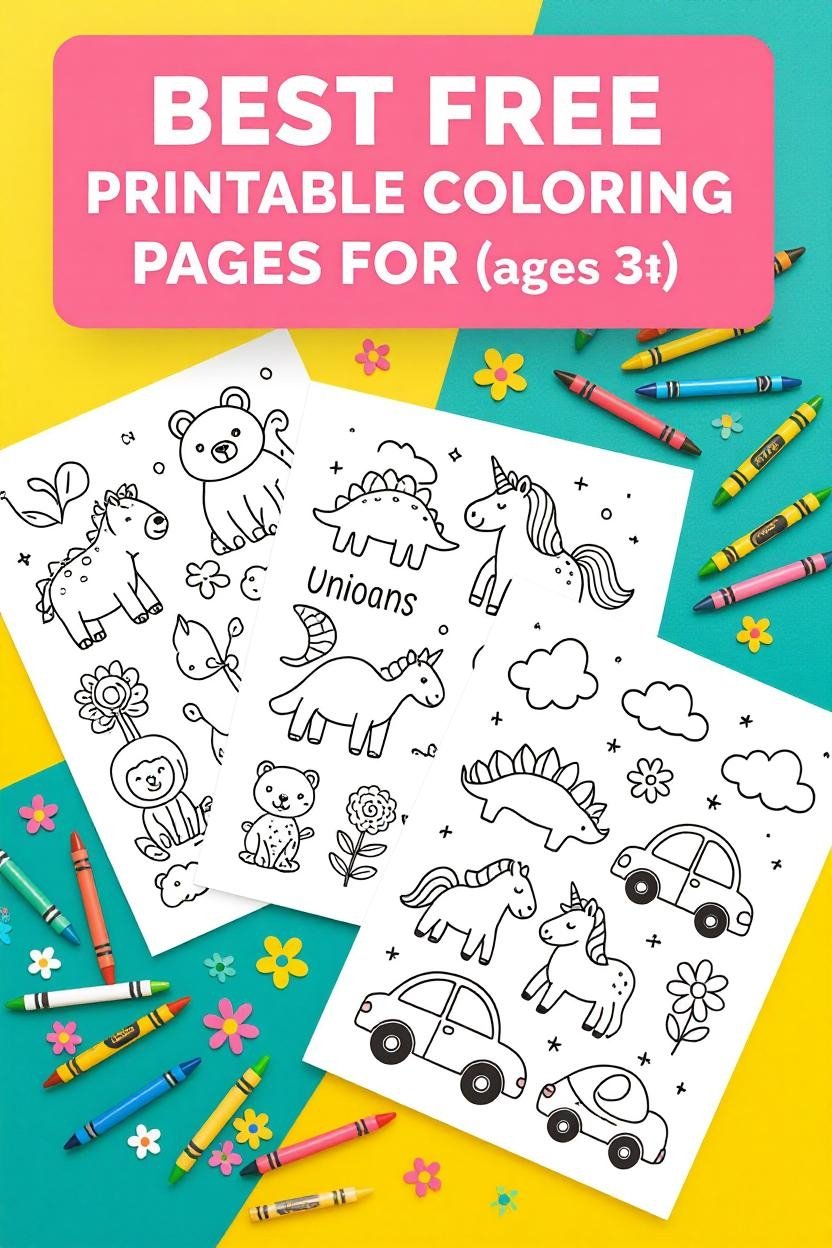
Finding the perfect coloring pages for your little ones can feel overwhelming with thousands of options available online. As parents and educators, we want activities that not only entertain our children but also support their developmental growth during these crucial early years. Free printable coloring pages offer an excellent solution, providing endless creative opportunities without breaking the budget while helping children develop fine motor skills, color recognition, and artistic expression.
Children between ages 3-8 experience rapid cognitive and physical development, making this the ideal time to introduce structured creative activities. Coloring pages specifically designed for this age group feature age-appropriate themes, manageable complexity levels, and educational elements that make learning fun and engaging.
What Makes Great Coloring Pages for Young Children
When selecting coloring pages for preschoolers and early elementary students, several key factors ensure both enjoyment and developmental benefit. The best coloring pages for young children feature bold, clear outlines that are easy for small hands to navigate. These designs typically include larger spaces that accommodate the developing fine motor control of 3-8 year olds, reducing frustration and building confidence.
Educational elements woven into entertaining designs create double the value. Pages that incorporate letters, numbers, shapes, or familiar objects help reinforce classroom learning while children engage in creative play. Popular themes like animals, vehicles, and everyday objects connect to children's existing knowledge and vocabulary, making the coloring experience more meaningful and memorable.
Quality also matters significantly when choosing printable coloring pages. High-resolution images that print clearly on standard home printers ensure crisp lines and professional-looking results. Pages designed specifically for home printing consider standard paper sizes and ink usage, making them practical for families and classrooms with limited resources.

Top Categories of Coloring Pages for Ages 3-8
Animal Coloring Pages
Animals consistently rank as the most popular coloring page theme for young children. Farm animals, zoo animals, pets, and wildlife capture children's natural curiosity about the world around them. These pages often incorporate educational elements like animal habitats, sounds, or characteristics, extending the learning beyond the coloring activity.
Simple animal designs work best for younger children (ages 3-5), featuring recognizable shapes and minimal detail. As children develop better control and attention spans, more detailed animal scenes with backgrounds and multiple elements provide appropriate challenges for 6-8 year olds.
Educational Alphabet and Number Pages
Combining learning with creativity, alphabet and number coloring pages serve dual purposes in early childhood education. These pages help children practice letter and number recognition while developing the hand strength and control needed for writing. Each page typically features a large letter or number accompanied by related images that begin with that letter or represent that quantity.
The best educational coloring pages include both uppercase and lowercase letters, providing comprehensive learning opportunities. Number pages often incorporate counting exercises, asking children to color a specific number of objects or identify quantities within the design.
Seasonal and Holiday Themes
Seasonal coloring pages help children understand the passage of time and connect with cultural celebrations throughout the year. Spring pages featuring flowers and rain, summer beach scenes, autumn leaves, and winter snowflakes help children observe and appreciate natural changes in their environment.
Holiday-themed pages celebrate important occasions while teaching cultural traditions and values. Christmas, Halloween, Easter, and Thanksgiving designs provide timely activities that connect home and school experiences during special times of year.
Developmental Benefits of Coloring for Young Children
Coloring provides numerous developmental benefits that extend far beyond simple entertainment. Fine motor skill development occurs naturally as children grip crayons, control pressure, and navigate within boundaries. These skills directly translate to improved handwriting, cutting with scissors, and other important classroom activities.
Hand-eye coordination improves significantly through regular coloring practice. Children learn to guide their movements based on visual input, a crucial skill for sports, musical instruments, and academic tasks. The bilateral coordination required for coloring—using both hands together in different roles—supports brain development and integration between the left and right hemispheres.
Cognitive benefits include improved focus and attention span. Completing a coloring page requires sustained attention to a single task, helping children develop concentration skills essential for academic success. Color recognition and vocabulary expansion occur naturally as children discuss their color choices and learn new descriptive terms.
Where to Find the Best Free Printable Coloring Pages
Several reliable sources offer high-quality, free printable coloring pages designed specifically for young children. Educational websites maintained by teachers and child development experts typically provide the most developmentally appropriate options with clear printing instructions and age recommendations.
Library websites often feature curated collections of printable activities, including coloring pages that align with early learning standards. These resources have been reviewed by librarians and educators, ensuring quality and appropriateness for young learners.
Government educational sites, particularly those focused on early childhood development, offer free resources that meet professional standards for educational content. These pages often include suggested activities and discussion questions that extend the learning experience beyond coloring.
Tips for Parents and Teachers
Creating a positive coloring experience requires thoughtful preparation and realistic expectations. Set up a designated coloring space with good lighting, comfortable seating, and easy cleanup materials. Having all supplies ready before beginning reduces interruptions and maintains children's focus throughout the activity.
Encourage creativity over perfection. Young children benefit more from exploring color choices and practicing motor skills than from staying within lines or choosing "realistic" colors. Praise effort and creativity rather than accuracy to build confidence and maintain enthusiasm for artistic activities.
Consider rotating coloring page themes to maintain interest and provide varied learning opportunities. Keep a collection of different difficulty levels available to accommodate different skill levels and moods. Some days children may want simple, quick activities, while other times they may be ready for more challenging detailed designs.
Printing and Preparation Tips
Successful home printing requires attention to paper quality and printer settings. Standard copy paper works well for most coloring pages, but cardstock provides a more durable option for pages children will handle frequently or want to preserve. Adjust printer settings to ensure bold, clear lines that children can easily see and follow.
Print test pages before printing entire collections to verify quality and make any necessary adjustments. Some coloring pages may need minor scaling to fit properly on your paper size or to accommodate your specific printer's margins.
Consider printing pages in batches and storing them in a designated folder or container. Having ready-to-use coloring pages available prevents scrambling when you need quiet activities during unexpected moments.
FAQ Section
What age should children start using coloring pages? Children can begin enjoying simple coloring pages around age 2-3 when they develop the ability to hold crayons and show interest in making marks on paper. Start with very simple designs featuring large shapes and bold lines, gradually introducing more complex pages as fine motor skills develop.
How do I choose age-appropriate coloring pages? Look for pages with line thickness and detail level that match your child's developmental stage. Ages 3-4 need thick lines and large spaces, while 5-6 year olds can handle medium complexity, and 7-8 year olds can tackle detailed designs with smaller elements.
What supplies work best for young children? Chunky crayons or washable markers work best for ages 3-5, providing easier grip and control. As children develop better fine motor skills around age 6, regular crayons, colored pencils, and markers become appropriate options.
How long should coloring sessions last? Attention spans vary by age and individual child. Generally, 10-15 minutes works well for 3-4 year olds, while 5-8 year olds can often engage for 20-30 minutes or longer if they're enjoying the activity.
Can digital coloring apps replace printable pages? While digital options offer convenience and interactive features, printable coloring pages provide important tactile experiences and fine motor development that digital alternatives cannot replicate. A combination of both options often works best.
Conclusion
Free printable coloring pages offer an invaluable resource for parents and teachers seeking engaging, educational activities for children ages 3-8. By choosing age-appropriate designs that balance entertainment with developmental benefits, you can provide hours of creative learning opportunities without any cost beyond paper and supplies.
The key to success lies in understanding your child's individual needs and interests, selecting high-quality pages from reliable sources, and creating positive experiences that encourage creativity and learning. Remember that the goal is not perfect coloring within lines, but rather the development of fine motor skills, creativity, and confidence through artistic expression.
Ready to get started? Download our collection of 25 free printable coloring pages designed specifically for ages 3-8, featuring a variety of themes and complexity levels to grow with your child. Join our newsletter for weekly activity ideas and exclusive printable resources delivered directly to your inbox.