










Rewrite your Story
The Tremendous Benefits of Rewriting Your Life Story
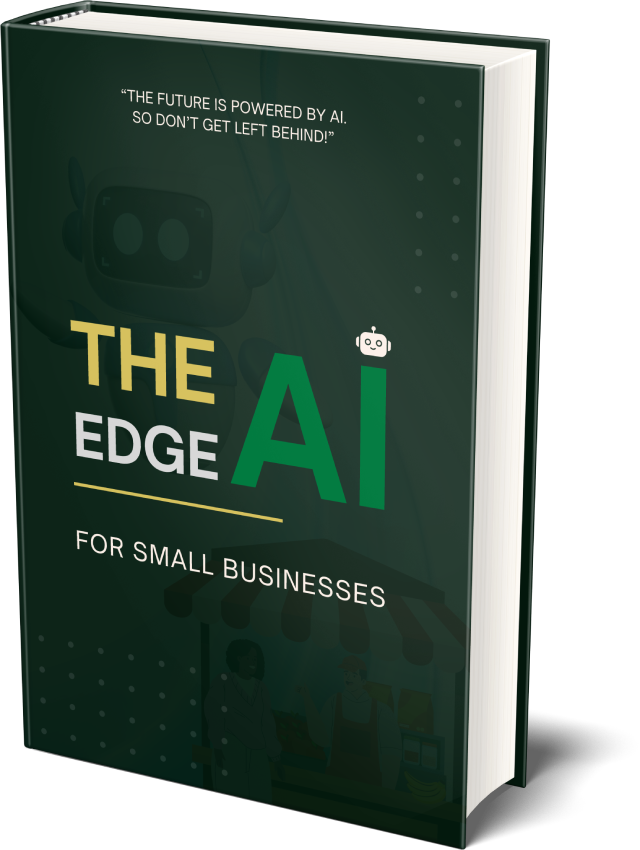
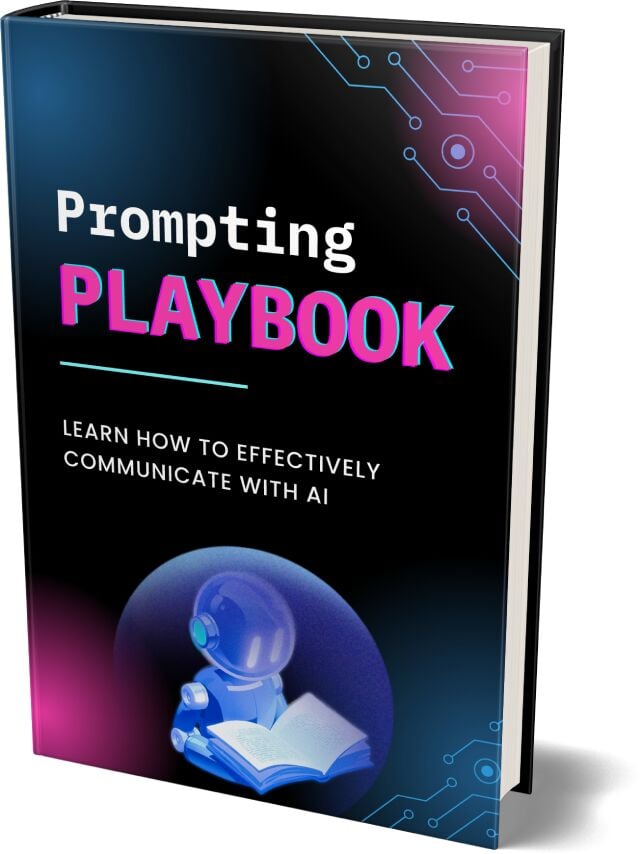
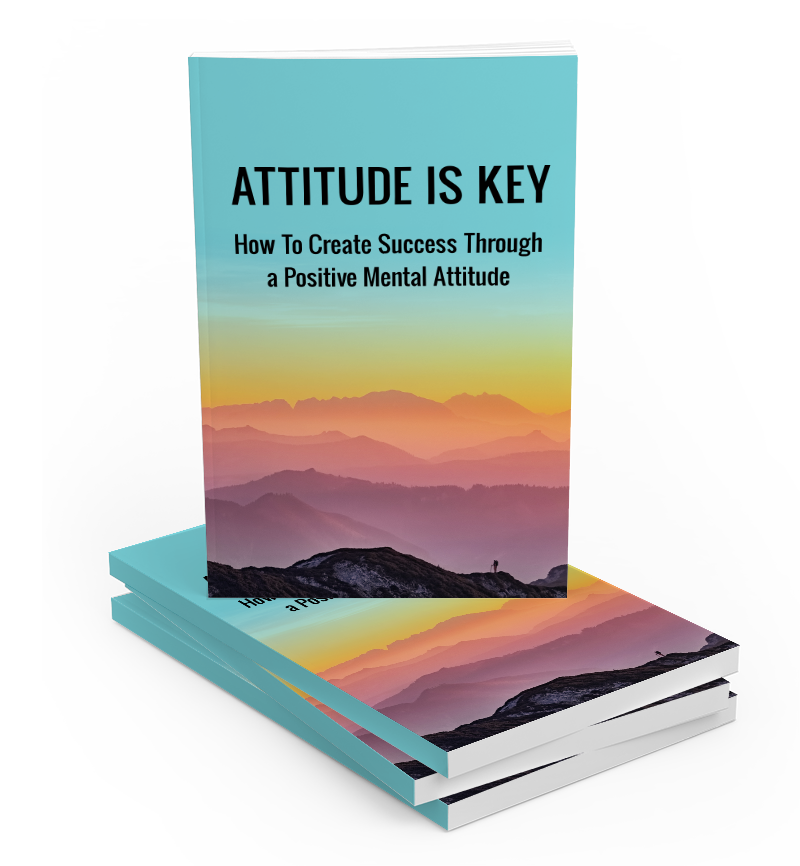
By reading these promoted books you will develop the mindset to rewrite your story
Rewriting your life story is fundamentally an act of reclaiming agency and authorship over your own existence. It moves you from being a passive reader of your life to becoming its active, deliberate author.
1. Shifting from Victim to Victor
Reframing the Past: The most immediate benefit is the ability to change how you perceive past negative events. Instead of viewing a setback as evidence of failure or misfortune, you reframe it as a "Crucible Moment"—a trial that forged the strength, resilience, and wisdom you needed to succeed later.
Empowered Narrative: Your new story shifts the focus from "things happened to me" (victim) to "I chose my response and grew stronger because of it" (victor/survivor). This narrative releases the crippling chains of resentment and regret.
2. Breaking Free from Limiting Beliefs
Identifying False Narratives: Many people operate under a restrictive life story, such as "I'm not smart enough," "I'm always unlucky in love," or "I'm not a creative person." These are often stories written in childhood or during a painful event.
Creating a New Identity: Rewriting your story is the process of consciously dismantling these limiting beliefs and replacing them with empowering truths (e.g., "My past attempts were practice; I am constantly learning and capable of creating tremendous value"). This new identity opens up previously unimaginable possibilities.
3. Clarity and Intentional Direction
Defining Your Purpose: When you rewrite your life story, you must define the climax—the person you are striving to become and the impact you want to have. This process forces you to articulate your core values and purpose.
A Personal 'North Star': The new narrative serves as a directional guide. When faced with a decision, you simply ask: "Does this action align with the new, powerful, purposeful story I am writing for myself?" This eliminates indecision and focuses your energy.
4. Harnessing the Power of Expectation
The Pygmalion Effect: Psychology shows that your expectations profoundly influence your outcomes. By rewriting your story to one where you are successful, worthy, and capable, you subconsciously alter your behavior, effort, and persistence to match that narrative.
Attracting Opportunities: A story of success and growth makes you more confident, which changes how you interact with the world. You are more likely to seek out, recognize, and seize opportunities that the "old you" would have ignored or feared.
5. Enhanced Resilience and Mental Health
Future-Proofing Setbacks: A well-written life story incorporates the understanding that failure is not the opposite of success; it is a required chapter in the success story. This narrative structure insulates you from devastating emotional blows.
Increased Optimism: By focusing your story on progress, evolution, and future potential, you naturally cultivate a healthier, more optimistic outlook, reducing anxiety and depression linked to dwelling on past mistakes.
How to Begin Rewriting Your Story
The process of directional change often begins with a few key steps:
Acknowledge the Old Script: Write down the current story you tell yourself about your life, particularly the moments of struggle and your identity. Be honest about the limiting beliefs.
Identify the Antagonist/Obstacle: Recognize that the challenge isn't you, but the old patterns, fears, and beliefs (the "antagonist") that held you back.
Define the Hero's Journey: Write the new story—the story of the person you are actively becoming. How will this new hero respond to challenges? What are their core values? What is their ultimate mission?
Embody the Character: Start taking small, daily actions that the new character would take. If the old story was "I'm lazy," the new story requires you to act as a disciplined person, starting with just five minutes of work.
By changing the internal script, you change your perception, your actions, and ultimately, your entire destiny.

Arthur Paternoster
Hello, I live in Western Australia. The purpose of these eBooks written by third parties is to give the readers the opportunity of self-improvement.