

I used to think of my smartphone as an extra limb. It wasn’t just a gadget; it was the first thing I touched at 7:00 AM and the last thing I saw before closing my eyes. I was caught in that classic cycle: wake up, check notifications, scroll social media, and let the digital world dictate my mood before I’d even had a cup of coffee. I knew I was hooked, but I couldn't seem to help myself.
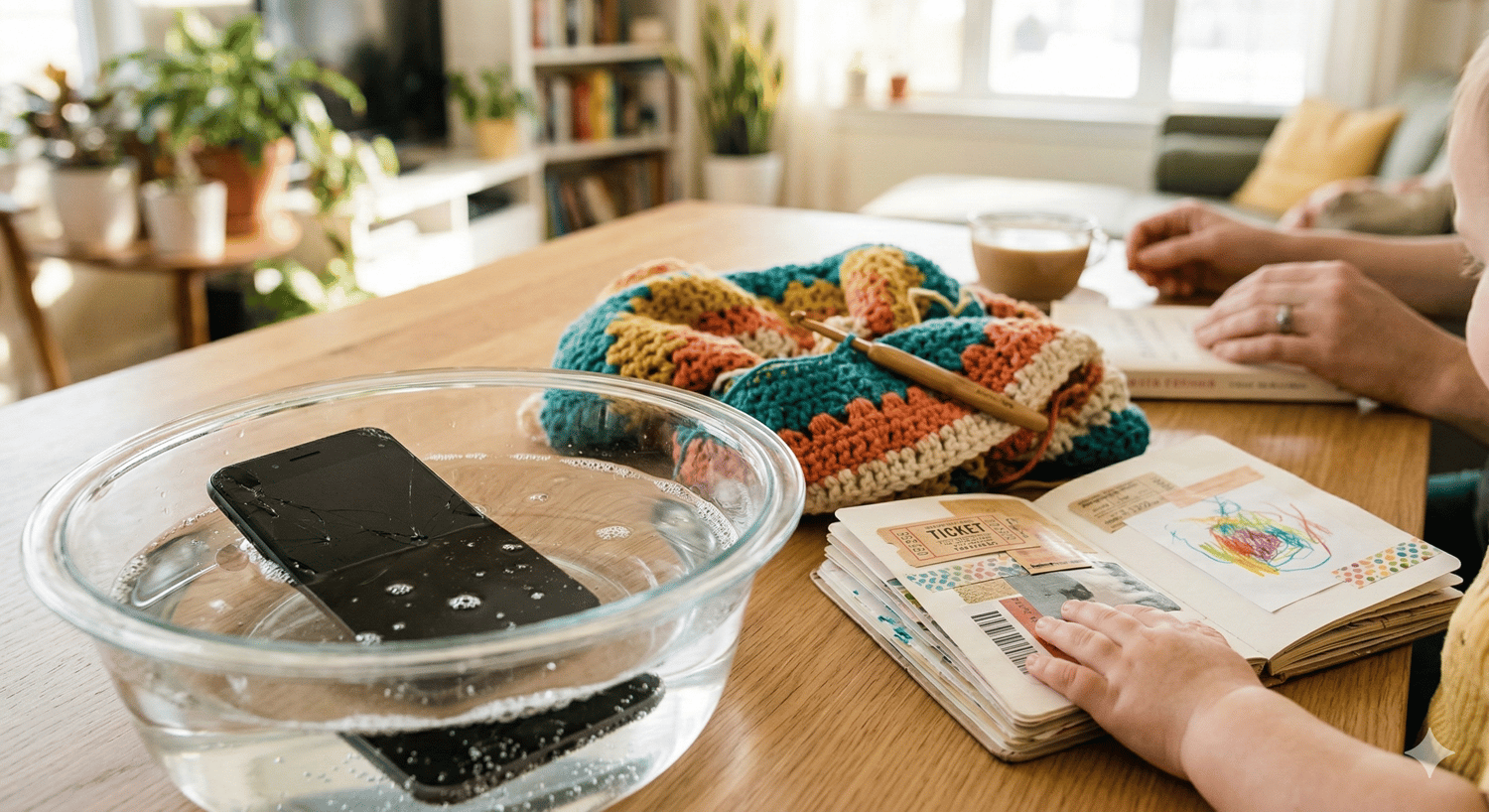
Then, the unthinkable happened. My three-year-old daughter, in all her toddler curiosity, accidentally dropped my phone into a basin of water. I watched in slow motion as it submerged. Despite my best efforts, the screen stayed black. It wouldn’t turn on.
At first, I panicked. I felt naked. But as the days turned into weeks, something incredible happened: I got used to it. In fact, I started to love it. It turns out that my toddler didn’t just break my phone; she gave me my life back.
The Death of the Dinner Table Conversation
Losing my phone made me realize how much the digital era has quietly eroded our real-world relationships. We’ve reached a point where we’ve forgotten how to just talk to our families.
Instead of sitting around the table sharing stories about school, work, or daily highlights, most of us sit in a "connected silence," buried in our own glass rectangles. We’ve traded deep, meaningful eye contact for quick glances at notifications. By removing the device, I suddenly found that the dinner table became a place of laughter again. I wasn't just feeding my daughter; I was finally listening to her.
The Validation Trap and Mental Health
Another thing I realized is how sensitive we’ve become to the "online" version of ourselves. We’ve reached a stage where posting a photo and receiving no likes, or getting a single negative comment, can ruin our entire day. We take it so personally, as if our worth is tied to a heart icon.
I truly believe this is one of the biggest drivers of the anxiety and depression we see in younger generations today. My Gen Z friends have told me how exhausting it is to constantly "curate" a life that looks perfect. When your happiness depends on the approval of an algorithm, you’re never truly free.
Reclaiming My Brain with "Grandma Hobbies"
Since my phone has been out of commission, I’ve had to find new ways to fill the gaps. Interestingly, I’ve found myself leaning into what Gen Z calls "Grandma Hobbies"—analog activities that are making a massive comeback as a cure for screen addiction.
Junk Journaling: I’ve started taping physical memories—like a drawing my daughter made—into a notebook. It’s a way to document my life that doesn't involve a "like" button.
Crochet: It’s impossible to scroll through a feed when your hands are busy with yarn. The rhythmic motion is incredibly calming for a stressed-out brain.
The New Normal
I know I’ll eventually need to get a new phone, but I’m not going back to being a slave to the screen. This accident was a massive blessing in disguise. I’ve learned that the world doesn't stop turning just because I’m not refreshing my feed.
If you feel like your phone has become a part of your body, you don't have to wait for your toddler to drop it in the water to take a break. Whether you are 15 or 45, the goal is the same: reclaim your attention. Try leaving your phone in a drawer during dinner tonight. Trust me, the conversation with your family is much more rewarding than any "like" you’ll ever get online.
Let’s Chat!
When was the last time you went a full day without your phone? What’s one "analog" hobby you’ve been wanting to try? Let me know in the comments below!
Comments ()