Something I often notice in conversations with new clients and with friends is what I call The Ultra-Processed Blind Spot.
Most of us genuinely don't realise just how much of what we eat is ultra-processed.
We think we're doing okay because we've swapped full-sugar fizzy drinks for diet versions, or we're choosing "healthier" cereals, or grabbing a convenient ready meal or takeaway when life gets busy. And I get it - we're all trying our best with the information we have.
The challenge is, when something becomes so normal, so everyday, it becomes invisible. And that's exactly why these patterns can be so hard to spot on our own.
What Are Ultra-Processed Foods, Really?
Before we go further, let's be clear about what we're talking about. Ultra-processed foods (UPFs) aren't just foods that have been processed - they're products that have been extensively reformulated with ingredients you wouldn't typically find in your kitchen.
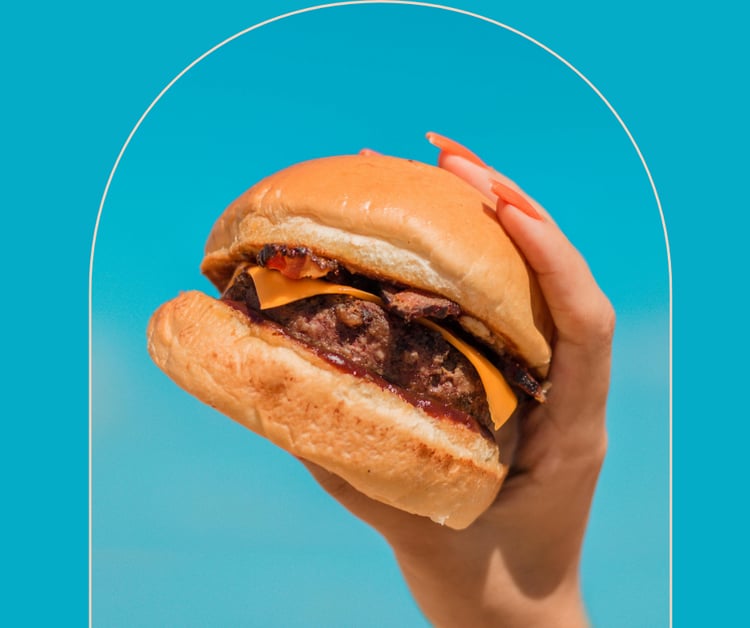
We're talking about:
- Processed meats
- Ready meals and convenience foods
- Mass-produced breads and baked goods
- Most breakfast cereals
- Ice cream, crisps, and biscuits
- Fizzy drinks (including diet versions)
- Products with long lists of additives, preservatives, emulsifiers, and artificial colours and flavours
The Research We Can No Longer Ignore
The evidence about ultra-processed foods has been building for years, but recently, 43 scientists and researchers came together to publish a series of papers in The Lancet medical journal, and their message is stark.
They're calling ultra-processed foods a leading cause of the "chronic disease pandemic" we're experiencing globally.
The research shows strong links between UPF consumption and:
- Increased risk of obesity (particularly childhood obesity)
- Heart disease
- Type 2 diabetes
- High blood pressure
- Certain cancers
- Early death
Last year, the BMJ found links between ultra-processed foods and 32 health conditions.
These foods are not just less nutritious, they are actively undermining our health.
Why Don't We See It?
Here's what makes this so insidious: ultra-processed foods have become the default in our modern food environment. They're everywhere - in every supermarket, every meal deal, every "healthy" option marketed to us.
The food industry has restructured our entire food system around these products, prioritising profitability above all else. And they've done it so successfully that many of us don't even recognise what's happened.
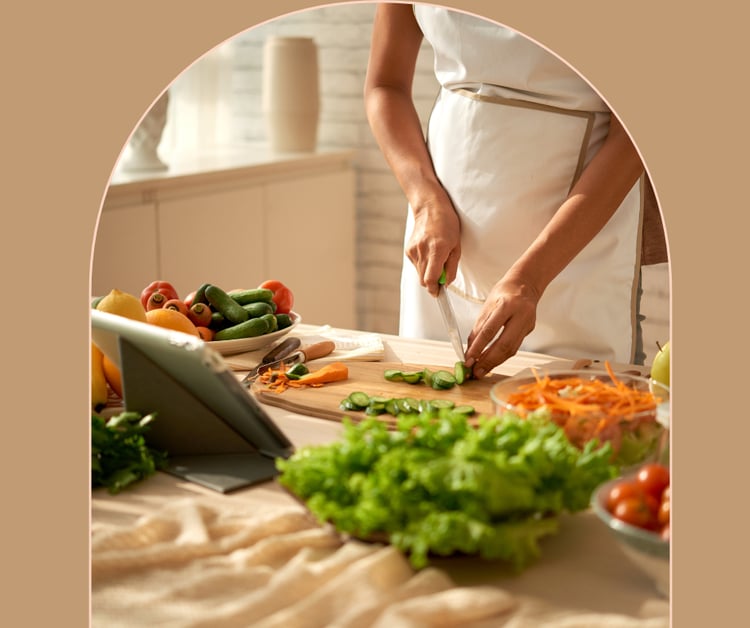
What looks like a quick, convenient choice can actually be displacing the nourishing, whole foods our bodies are designed to thrive on.
It's Not About Perfection
Let me be really clear here: this isn't about perfection or never enjoying convenience foods. It's about awareness.
When we can't see the full picture, we can't make truly informed choices.
I work with so many women who are:
- Feeling exhausted despite "eating healthy"
- Struggling with weight that won't shift, no matter what they try
- Dealing with digestive issues, inflammation, or other chronic health conditions
- Feeling confused about what "healthy" even means anymore
Often, when I start gently exploring actual daily food intake with women, without judgment, the ultra-processed blind spots reveal themself. Most women genuinely don't realise how much of their diet has become ultra-processed, or how significantly it is affecting how they feel.
The Good News
Fortunately, once you know what to look for, you can start making gentle, sustainable shifts that actually support your health rather than undermine it.
This doesn't mean:
- Never eating anything convenient again
- Spending hours cooking from scratch every day
- Feeling guilty about every food choice
- Following restrictive rules that don't fit your real life
It means:
- Understanding what you're actually eating
- Making gradual, sustainable swaps that work for you
- Learning to read labels with confidence
- Finding practical strategies that honour both your health and your lifestyle
- Creating space for your body to heal and thrive
Finding Your Blind Spots
If you're starting to wonder where your blind spots might be, you're not alone.
This is exactly what I help women navigate, not with judgment or rigid rules, but with grace, curiosity, and practical strategies that actually fit into real life.
In a free health & nutrition chat, we can:
- Explore your current eating patterns with fresh eyes
- Identify where ultra-processed foods might be sneaking in
- Discuss how this might be affecting your specific health concerns
- Create a realistic, personalised roadmap for gentle, sustainable change
Because here's what I know after years of working with women: you don't need more willpower. You need more awareness, better support, and strategies that actually work for your unique life.
The research is overwhelmingly clear. Ultra-processed foods aren't just less nutritious - they're actively linked to increased risks of obesity, depression, heart disease, cancers, and other chronic conditions.
But awareness is the first step toward change. And you don't have to figure this out alone.
Book Your Free Health & Nutrition Chat Here, and let's shine a light on those blind spots together.
To your health & wellbeing!
Debbie