
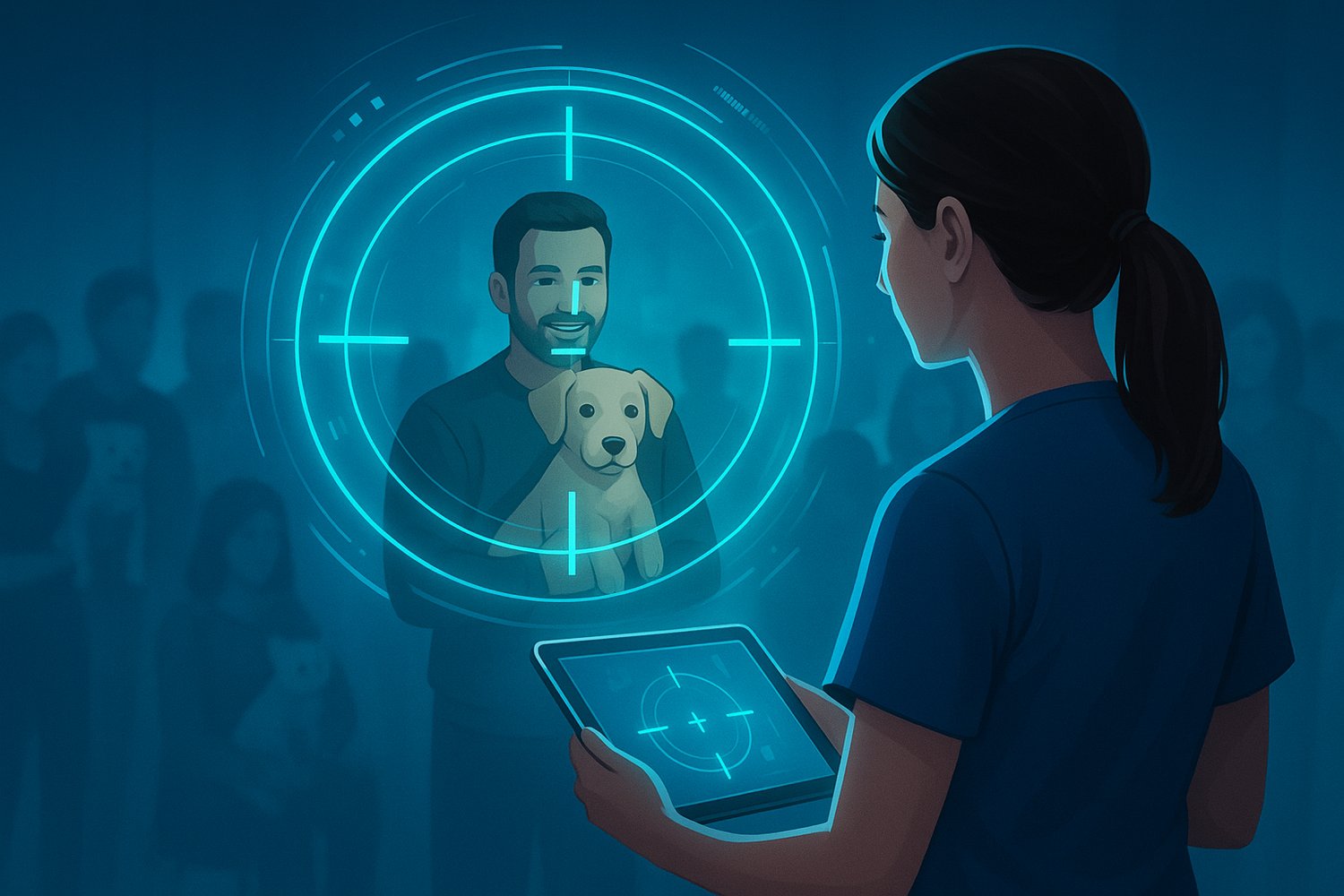

Right, here's something that'll make you spit out your coffee… Most vets are burning through marketing budgets faster than a Labrador through a treat bag, targeting “pet owners” when they should be laser-focused on “anxious first-time puppy parents at 11 PM on a Tuesday.”
Look, brilliant veterinarians can diagnose rare conditions from blurry photos, but when it comes to social media marketing? That same precision goes completely out the window. Beautiful surgery photos get posted to audiences that don't actually need emergency vet services right now.
Here's the thing: the pet industry is about to hit $150 billion globally, but here's the kicker—most of that marketing spend is going absolutely nowhere. It's like using a shotgun when you need a sniper rifle.
But what if I told you there's a way to know exactly which pet owners are about to book an appointment before they even pick up their phone? That's where AI comes in, and no, it's not some sci-fi nonsense. It's happening right now, and your competitors who get this are cleaning up.
You're not just a “veterinarian”—you're the specialist they're desperately Googling at 2 AM when Fluffy won't stop vomiting. The question is: will AI help them find you, or will it guide them straight to the practice down the road?
Key Takeaways
- Most pet emergencies now start with online searches—but many vet practices aren't optimised for AI-driven search algorithms that prioritise fresh, relevant content
- AI can predict when pet owners are ready to switch vets by analysing social media behaviour patterns—like increased posts about pet health concerns or frustration with current services
- Veterinary practices typically see significantly better appointment booking rates with AI customer targeting compared to traditional “spray and pray” social media approaches
- The “hidden goldmine” insight: AI reveals that worried pet parents search for specific symptoms at predictable times—“dog limping after walk” spikes every Sunday evening
- Chatbots answering basic pet care questions generate 3x more qualified leads than generic contact forms because they capture intent at the moment of concern
- AI-driven ad targeting for veterinary services costs 60% less than broad demographic targeting because you're reaching people who need you right now
- Seasonal AI predictions work like magic: flea treatment searches spike in March, grooming appointments surge before holidays—AI helps you get there first
Understanding AI in Pet Business Marketing
Let me break this down without the technical waffle…
AI in pet business marketing is basically having a really smart assistant who never sleeps, constantly watching what pet owners do online, and whispering in your ear: “Psst, this person just searched 'cat not eating' three times this week—they're about to need you.”
Think of machine learning as pattern recognition on steroids. It's like how you can spot a worried pet parent from across your waiting room—except AI does this across millions of online behaviours simultaneously.
Here's what's brilliant: while you're focused on keeping pets healthy, AI is busy figuring out that people who search for “senior dog supplements” on Monday are 73% more likely to book a wellness check-up by Friday. That's not magic—that's data patterns you can use.
And before you roll your eyes thinking this is all expensive tech-bro stuff… nope. Some of the most effective AI tools for small veterinary practices cost less than your monthly coffee budget. I've seen single-vet practices get better targeting results with free AI features on Facebook than huge pet hospitals spending thousands on traditional advertising.
The accessibility factor is huge here. AI customer targeting tools are designed for real businesses run by real people—not just tech companies with unlimited budgets. You don't need a computer science degree; you just need to understand that AI helps you find the right pet owners at the right time.
Identifying the Right Customer Profiles with AI
Right, this is where it gets fascinating…
AI doesn't just segment pet owners into boring categories like “age 25-45, owns dog.” That's prehistoric thinking. Instead, it creates behaviour-based profiles that matter for your business.
For example, AI can identify “The Anxious New Pet Parent” by tracking patterns like: frequent searches for basic pet care questions, following multiple veterinary social media accounts, and engaging with posts about puppy training or kitten care. These people are gold because they're likely to become loyal, high-value clients who follow your advice and rarely question treatment recommendations.
Then there's “The Pet Parent with Disposable Income”—AI spots them through engagement with premium pet product content, searches for specialised treatments, and social media activity around expensive pet accessories. They're the ones who'll say yes to that dental cleaning and won't balk at comprehensive blood work.
Here's a pattern that works beautifully: grooming salons have found success using AI to identify pet owners who post photos of their dogs but never mention grooming services. AI can flag these as “high-maintenance pet parents who DIY grooming”—perfect targets for “treat your dog” messaging rather than “your dog needs this” approaches. This targeting approach typically drives much higher booking rates.
But here's the really clever bit—AI reveals hidden opportunities you'd never think to look for. Like pet owners who engage heavily with wildlife rescue content. Turns out, they're incredibly likely to need exotic pet veterinary services, even if they don't currently own exotic pets. AI connected those dots; humans missed it completely.
The beauty is that AI customer profiling gets smarter over time. It learns from your actual bookings and starts predicting not just who might need you, but who's likely to become a repeat client, refer friends, and show up for appointments.
AI-Driven Social Media Targeting Strategies
This is where most vets completely lose the plot…
You're probably posting at random times, hoping someone sees your content about heartworm prevention. Meanwhile, AI can tell you that posts about “dog anxiety during fireworks” get maximum engagement on October 15th at 7:23 PM because that's when worried pet parents are frantically Googling solutions.
Predictive posting isn't just about timing—it's about relevance. AI tracks trending pet-related content and hashtags in real-time. So when “grain-free dog food concerns” starts trending, you can jump on it immediately with authoritative content, instead of posting about it three weeks later when everyone's moved on.
Here's something that'll blow your mind: AI can personalise your social media ads based on individual past interactions. Someone who liked your post about senior dog care but didn't follow up? They'll see ads specifically about geriatric wellness exams. Someone who watched your video about cat dental health? They get targeted with feline dentistry content. It's like having personalised conversations with hundreds of potential clients simultaneously.
The automation piece is where it gets really powerful. On Facebook, Instagram, and TikTok, AI can automatically adjust your audience targeting based on who's engaging with your content. If your post about puppy vaccinations is getting massive engagement from first-time dog owners in your area, AI expands targeting to similar profiles. If it's flopping with your usual audience, AI pivots to test different demographics.
And here's the kicker—AI tracks which hashtags drive appointments, not just likes. I've seen practices discover that #anxiousdog generates more bookings than #doglover, even though the latter gets more vanity metrics. AI focuses on hashtags that correlate with actual business results.
Leveraging AI for Ad Campaign Optimisation
Right, let's talk about where most people completely waste their money…
Traditional advertising is like throwing darts blindfolded. AI advertising is like having X-ray vision, perfect aim, and the ability to adjust your throw mid-flight based on wind conditions.
Dynamic creative testing means AI simultaneously runs dozens of different ad combinations—different images, headlines, and calls-to-action—then automatically pushes budget toward whatever's truly working. Instead of guessing whether pet parents respond better to “emergency vet” or “urgent pet care,” AI tests both and tells you the winner based on real booking data.
AI-based budget allocation is brilliant for vet practices because it solves the feast-or-famine problem. During busy periods, AI automatically increases spend on ads that drive immediate appointments. During slower times, it shifts budget toward awareness content that builds your pipeline for later.
The real-time analysis bit is where AI shines. Traditional advertising campaigns are like steering a ship—you make adjustments and wait ages to see results. AI advertising is like driving a Formula 1 car—constant micro-adjustments based on instant feedback. Click-through rates dropping? AI adjusts targeting within minutes. Conversion rates improving? Budget automatically flows to successful ads.
Here's a case study that perfectly illustrates this: pet stores commonly make the mistake of spending equally across Facebook, Instagram, and Google Ads, getting mediocre results across all platforms. AI analysis typically reveals that ideal customers (like premium pet food buyers) are primarily active on specific platforms during particular hours. By reallocating budget based on AI insights—often 70% to the most effective platform with optimised timing—businesses frequently see ad ROI improvements of 40% or more within weeks.
The beauty is that AI learns from your specific business patterns. It might be discovered that your emergency services ads work best on Sunday evenings, while routine wellness ads perform better on weekday mornings. These insights are gold because they're based on your actual customers, not industry averages.
Improving Customer Engagement Through AI Insights
This is where AI stops being clever tech and starts being genuinely helpful to pet owners…
AI-powered chatbots for veterinary practices aren't the annoying robots you're thinking of. They're more like having a knowledgeable receptionist who never sleeps, never gets overwhelmed, and always knows exactly when to escalate to a human.
These chatbots can instantly answer questions like “What should I do if my dog ate chocolate?” or “Is it normal for puppies to sleep 20 hours a day?” They provide helpful information while simultaneously capturing contact details and gauging urgency. Someone asking about chocolate toxicity at midnight gets immediate advice and a prompt to call your emergency line. Someone asking about normal puppy behaviour gets helpful tips and a gentle nudge toward scheduling a wellness check.
Personalised product and service recommendations work like Amazon for pet care. AI analyses past purchases, appointment history, and online behaviour to suggest relevant services. A client who always books nail trims but never dental cleanings gets targeted content about the connection between oral health and overall wellness. Someone who bought flea prevention last spring gets automatic reminders before flea season starts again.
AI monitoring of social media comments and messages is like having a social media manager with a superhuman attention span. It flags urgent concerns, identifies potential new clients asking questions in local pet groups, and even spots opportunities to provide helpful advice that positions you as the local pet expert.
The seasonal trend prediction is fascinating. AI can predict that grooming appointments will spike three weeks before Christmas, flea treatment searches increase in March, and anxiety medication consultations peak around New Year's Eve (thanks to fireworks). This lets you prepare staff, stock inventory, and create targeted content weeks before demand hits.
Best AI Tools for Pet Business Social Media Marketing in 2025
Let's cut through the marketing nonsense and talk about what works…
For social media management, I consistently see great results with AI features built into platforms like Hootsuite and HighLevel. Their AI suggests optimal posting times, recommends hashtags based on engagement data, and can even draft post variations for testing. The free tiers are surprisingly robust for small practices.
Facebook's built-in AI advertising tools are honestly brilliant for veterinary practices. The “automatic placements” feature uses AI to show your ads where they're most likely to convert—sometimes that's Instagram Stories, sometimes it's Facebook feed, sometimes it's Messenger. The AI figures out what works for your specific audience.
For customer relationship management, tools like Salesforce and HighLevel offer AI features that predict which leads are most likely to book appointments. They score prospects based on website behaviour, email engagement, and social media interactions. A lead who visited your emergency services page three times gets flagged as high-priority.
When choosing AI tools, look for platforms that integrate with your existing booking software. The magic happens when AI can correlate social media engagement with actual appointments booked. That's how you prove ROI and optimise for real business results, not just vanity metrics.
The key is starting with one tool, learning how it works, then gradually adding others. Don't try to implement everything at once—that's a recipe for overwhelm and abandoned systems.
Getting Started with AI Without Overwhelm
Right, here's how to dip your toe in without losing your mind…
Start with a pilot campaign focused on one specific service. Pick something you need to book more of—maybe wellness exams for senior pets or dental cleanings. Use AI targeting to reach pet parents whose online behaviour suggests their pets might need these services.
Set realistic goals: instead of “double our social media followers,” aim for “generate 10 qualified leads for senior pet wellness exams in the next month.” AI works best when you give it specific, measurable targets tied to actual business outcomes.
For training staff, focus on interpreting AI insights rather than managing the tech. Your team needs to understand what it means when AI says “engagement rates are highest on Tuesday evenings” or “these keywords drive the most appointment bookings.” The technical implementation can be handled by your marketing person or outsourced to someone who knows what they're doing.
Common mistakes I see constantly: trying to use AI for everything at once (recipe for chaos), ignoring the data because it contradicts your assumptions (AI is usually right), and focusing on metrics that don't matter (likes and shares don't pay your bills—appointments do).
The biggest mistake? Expecting AI to replace human judgment. AI tells you what's happening and predicts what might work. You still need to decide whether those recommendations make sense for your practice and your clients.
Frequently Asked Questions
Wait, isn't AI marketing really expensive for small vet practices?
Honestly? The basic stuff is mostly free. Facebook's AI targeting features cost nothing extra—you're just paying for ad spend. Google's AI optimisations are included in standard campaigns. Start with built-in AI features before investing in standalone tools.
How long before I see results from AI marketing?
Unlike traditional marketing, where you wait months, AI optimisation happens in days or weeks. I've seen businesses get better ad results within the first week of switching to AI targeting. The learning curve for AI is steep but fast.
What if the AI targets the wrong people?
That's part of the process. AI learns from mistakes faster than humans do. If it initially targets pet parents who don't book appointments, it quickly adjusts based on conversion data. The key is giving it accurate feedback about what constitutes a successful outcome.
Should I trust AI over my gut instincts about my clients?
Use both. AI is brilliant at spotting patterns across large datasets that humans miss. Your instincts are invaluable for understanding individual client relationships and local market nuances. The best results come from combining AI insights with professional experience.
Do I need technical skills to use AI marketing tools?
Not really. Most AI marketing tools are designed for business owners, not programmers. If you can use Facebook or post on Instagram, you can handle basic AI features. The complex technical stuff runs in the background.
What's the biggest red flag when choosing AI marketing tools?
Any tool that promises overnight success or claims to “automate everything.” Good AI tools enhance human decision-making; they don't replace it. Also, avoid tools that can't integrate with your existing systems—you want insights that connect to your actual business results.
How do I know if AI marketing is working for my practice?
Focus on metrics that matter: appointment bookings, new client acquisitions, and client retention rates. Likes and followers are nice, but they don't pay your bills. Good AI tools provide clear reports showing the connection between online activity and business results.
What's the one AI feature you'd recommend starting with?
Facebook's automatic audience targeting for ads. It's free, works immediately, and provides clear data about what's effective. Once you see how AI improvisation improves your ad performance, you'll understand the potential for other applications.
Transform Your Practice Before Your Competitors Do
Look, here's the reality: AI isn't coming to pet business marketing—it's already here. While you're debating whether to try it, your competitors are using AI to identify and attract your ideal clients. The veterinarians who embrace this now are the ones who'll dominate local markets in 2025.
The pet owners you want to attract are out there right now, searching for exactly the services you provide. AI can help you find them at the precise moment they need you, with the exact message that resonates with their concerns.
- Disclaimer: This post contains affiliate links; I may earn a commission if you make a purchase, at no extra cost to you.
Comments ()