
About Dr. Linda F. Rhone
Education as a Space for Democracy
I have spent more than forty years working across K–12 schools, community colleges, and universities, approaching education as more than the delivery of academic content. My work has always been grounded in the belief that classrooms should function as spaces for democracy—places where students develop voice, confidence, and the ability to think critically about the world around them.
Throughout my career as a teacher, professor, and educational leader, I have worked to create learning environments where students feel encouraged to ask questions, reflect on their experiences, and engage thoughtfully with social issues. My teaching philosophy has been strongly influenced by the work of Brazilian educator Paulo Freire, whose ideas emphasize dialogue, critical consciousness, and education as a pathway toward a more just society.
In my classrooms, students are encouraged to think—not simply what to think. Dialogue, reflection, and inquiry are central to my approach to teaching. When I taught social sciences at the community college level, I encouraged students to examine science and society together. We explored questions such as who benefits from scientific advancement, who has access to healthcare and medical research, and how social class, culture, gender, and race shape opportunity and well-being.
These same democratic principles guided my work as Executive Director of a federally funded TRIO Student Support Services program. In that role, I served as principal investigator on two U.S. Department of Education grants totaling more than five million dollars. My goal was to build a program that supported students not only academically, but holistically—from their first orientation to their graduation and transition into professional life.
The program provided advising, mentoring, tutoring, financial literacy education, and leadership development for first-generation and low-income college students. I believed that students thrive when institutions recognize the full complexity of their lives and when educational support systems treat them as scholars with potential rather than as problems to be fixed.
My work also extended beyond the university. I served as principal investigator on a $30,000 grant funded by the Kansas Health Foundation and the Gerber Institute for Catholic Studies. That project supported a partnership between a university and K–12 schools focused on democratic teaching, cultural competence, and social justice education. Through this collaboration, teachers engaged in inquiry groups that examined how their classrooms could become spaces where students’ voices and lived experiences were valued.
The vision that guided my work was deeply connected to the original mission of TRIO programs, which were established during the War on Poverty under the leadership of Lyndon B. Johnson. These programs were designed to expand access to higher education for students who had historically been excluded from such opportunities. I encouraged students to see education not only as a pathway to personal success, but also as preparation for participation in a democratic society.
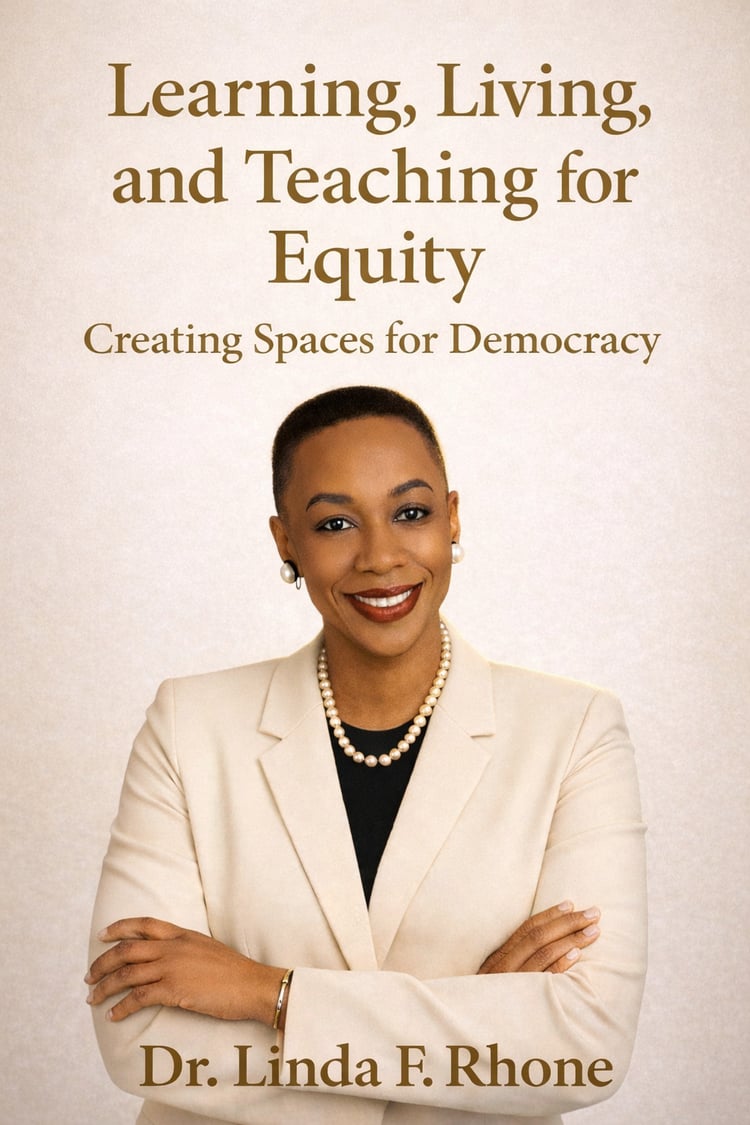
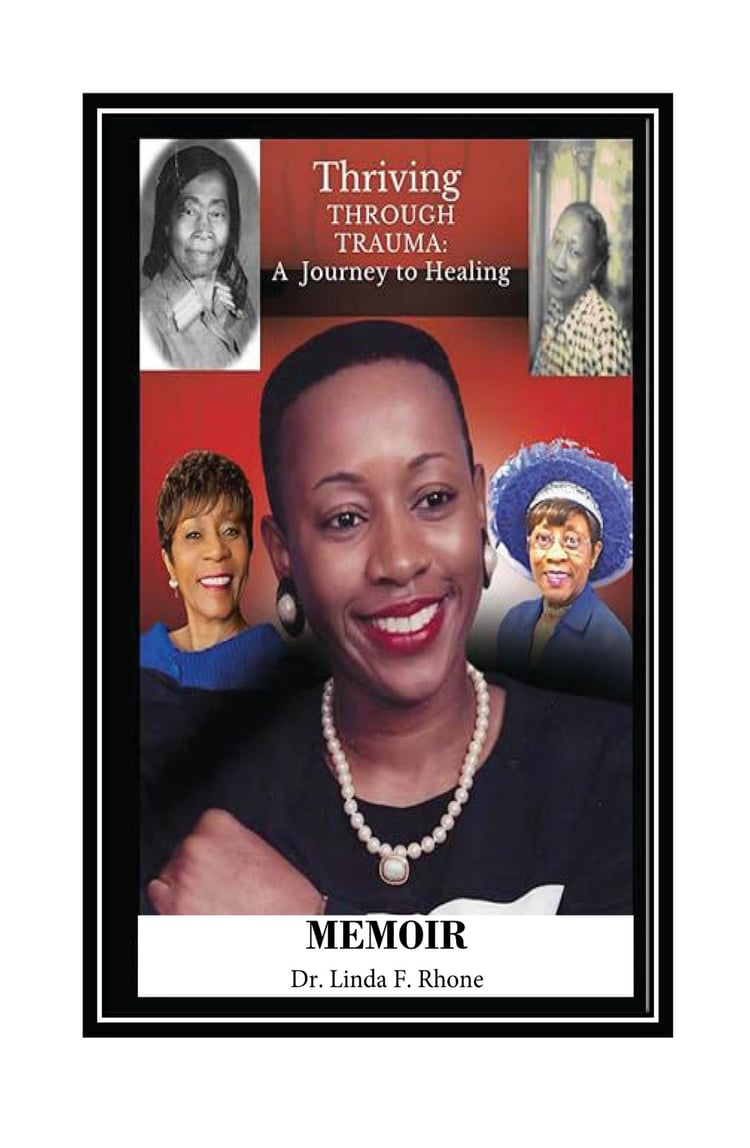
Today, I continue this work through teaching, writing, and scholarship. My books and courses focus on democratic education, Freirean philosophy, trauma-informed learning, and social justice. I believe education has the power to help individuals heal from difficult experiences, develop critical awareness, and contribute to the transformation of their communities.
For me, education has never been simply about transmitting knowledge. It is about creating spaces where people learn to think, to question, to speak, and to imagine a more just and humane world.