

Forgiveness is one of the hardest things we’ll ever face, especially when the pain runs deep. But what if forgiving wasn’t about letting someone off the hook? What if it was about setting yourself free? In this blog, we’ll explore why forgiveness is not about forgetting but about healing. We’ll also discuss how seeing things from a different perspective can help you let go of the burden of resentment and start living again.
Takeaways from This Post:
- Forgiveness is not about the other person—it’s about freeing yourself.
- People hurt others because of their own pain, not because of who you are.
- Forgiveness does not mean forgetting, but it does allow you to see life differently.
- You are not responsible for someone else's actions, but you are responsible for your own healing.
- Forgiving someone doesn’t mean you excuse their behavior; it means you choose to let go of the burden.
- Understanding the pain of those who hurt you can help you find compassion.
- Your pain is valid, but so is your opportunity to heal.
Why Should You Forgive?
Forgiveness is one of the hardest things to do, yet one of the most freeing. You’ve probably been told at some point, "You need to forgive and move on." But how do you do that when the pain still lingers? When trust has been broken? When someone you loved and depended on betrayed you?
Let’s be clear—no one can tell you how to forgive. Forgiveness isn’t a step-by-step process that follows a predictable timeline. It’s personal. It’s messy. And it’s deeply emotional. But what I can tell you is why it’s worth it.
When you forgive, you don’t let the person who hurt you off the hook—you let yourself off the hook.
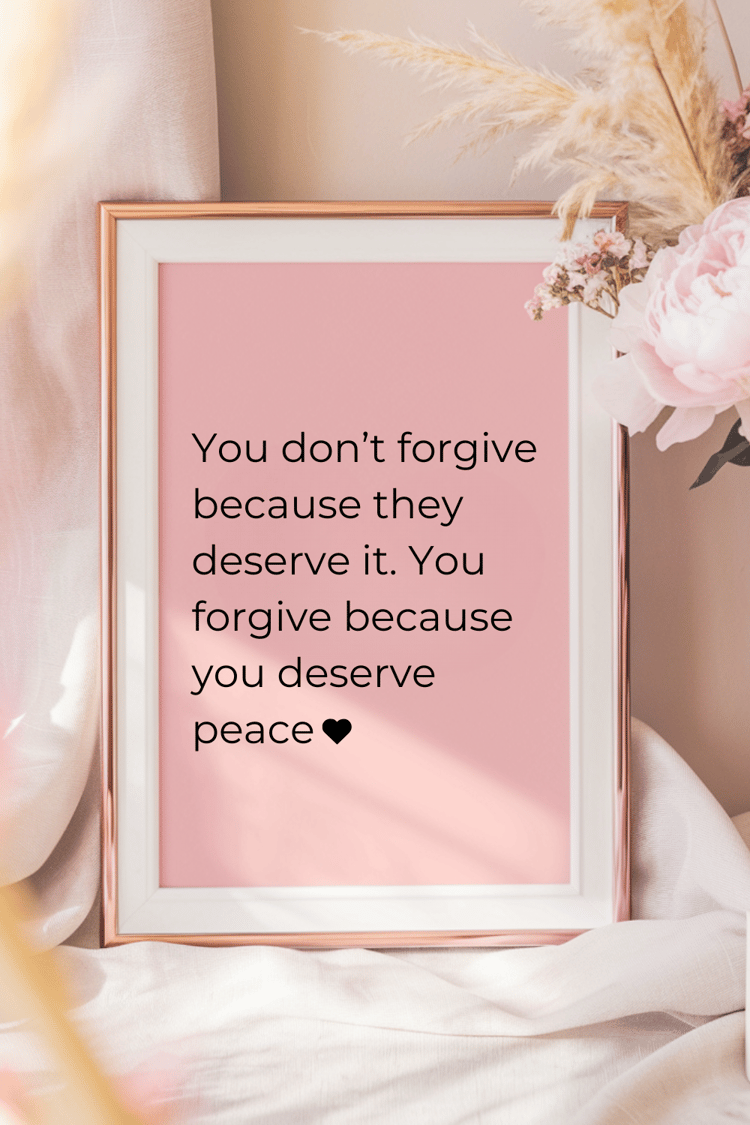
Forgiving to Live Again
Holding on to resentment is like carrying a heavy weight. At first, you may not notice how much it’s weighing you down. But over time, it changes you. It makes you see the world through the lens of pain. You stop trusting. You build walls. You replay the past over and over, hoping it will make sense.
But when you forgive, you start to live again.
You start to breathe differently. You start to see the world with fresh eyes. The past no longer controls your future. You may never forget what happened, but it no longer defines you.
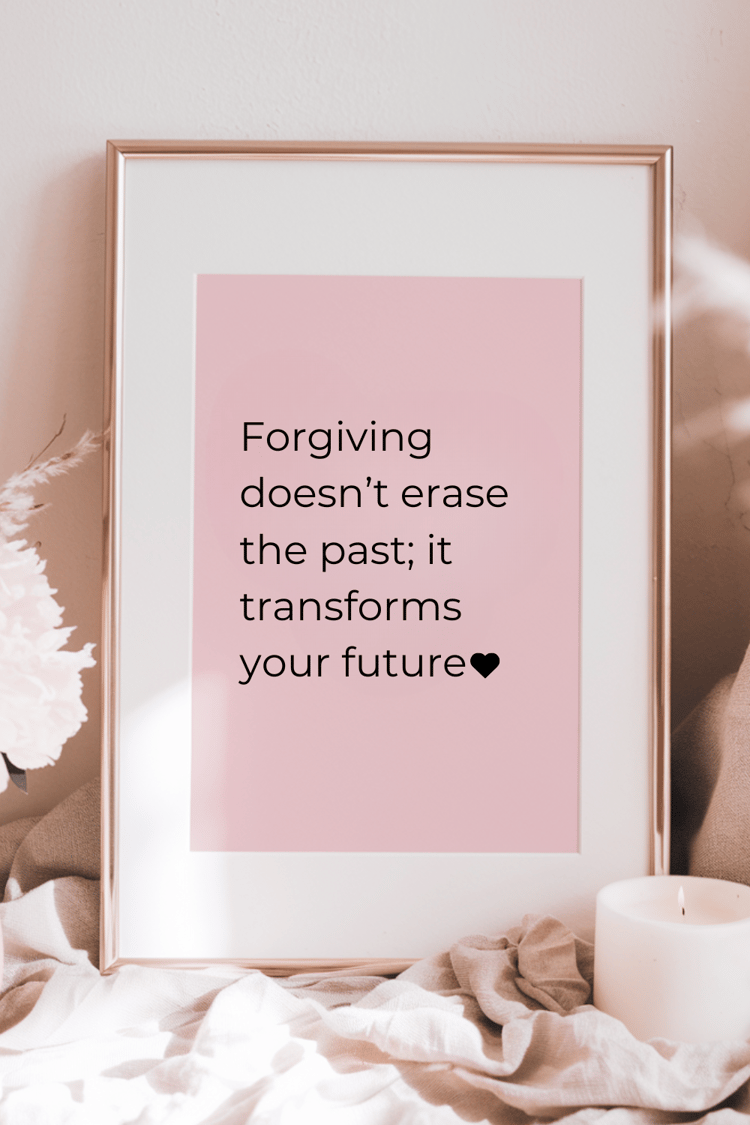
It Was Never About You
One of the hardest things to accept is that the people who hurt us didn’t do it because of us. They did it because of them. Because of their own pain, their own fears, their own upbringing, or their own misguided beliefs.
Think about that for a moment.
People don’t hurt others from a place of love. They hurt from a place of pain.
Maybe the person who hurt you was taught that love is conditional. Maybe they were never shown empathy, so they never learned how to give it. Maybe they were so lost in their own suffering that they didn’t realize the damage they were causing.
Does that excuse their actions? No. But it helps you understand them. And understanding is the first step toward letting go.
Not All Pain Is from Childhood
There’s a common belief that all emotional wounds trace back to childhood. And while many do, the truth is that pain can happen at any time in life.
Someone can betray you as an adult. A friend can deceive you. A spouse can walk away. A boss can humiliate you.
Your pain is real, no matter when it happened. And you don’t need to justify it to anyone.
What matters is what you do with it.
You have a choice: Carry it or release it.
Forgiveness isn’t about pretending it never happened. It’s about saying, "I refuse to let this control me any longer."
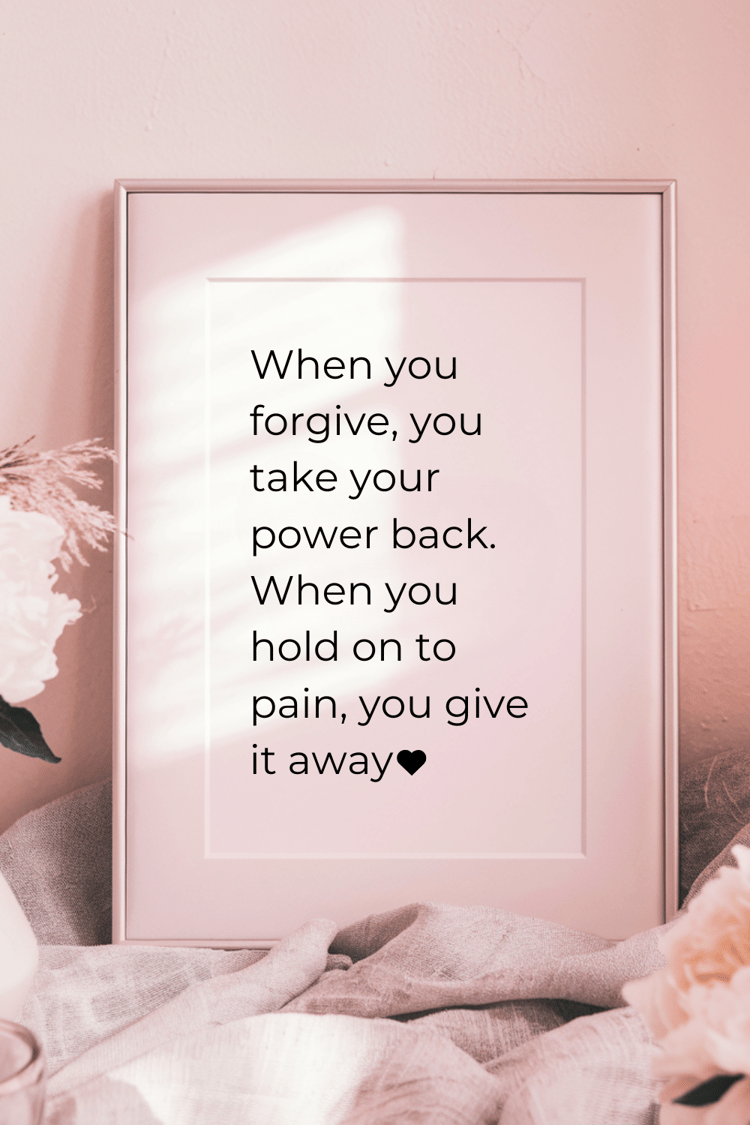
Seeing Through Their Eyes
Imagine for a moment that the person who hurt you had to walk in your shoes.
How would they feel if they carried the pain they inflicted on you? Would they regret it? Would they wish they had done things differently?
Now flip the perspective—what if you walked in their shoes?
This doesn’t mean you excuse their actions, but it does mean you try to understand them. Many people who hurt others are hurting themselves. They are repeating cycles they never broke. They are acting out wounds they never healed.
When you start to see their pain, something shifts. You realize that their actions had more to do with their struggles than with your worth.
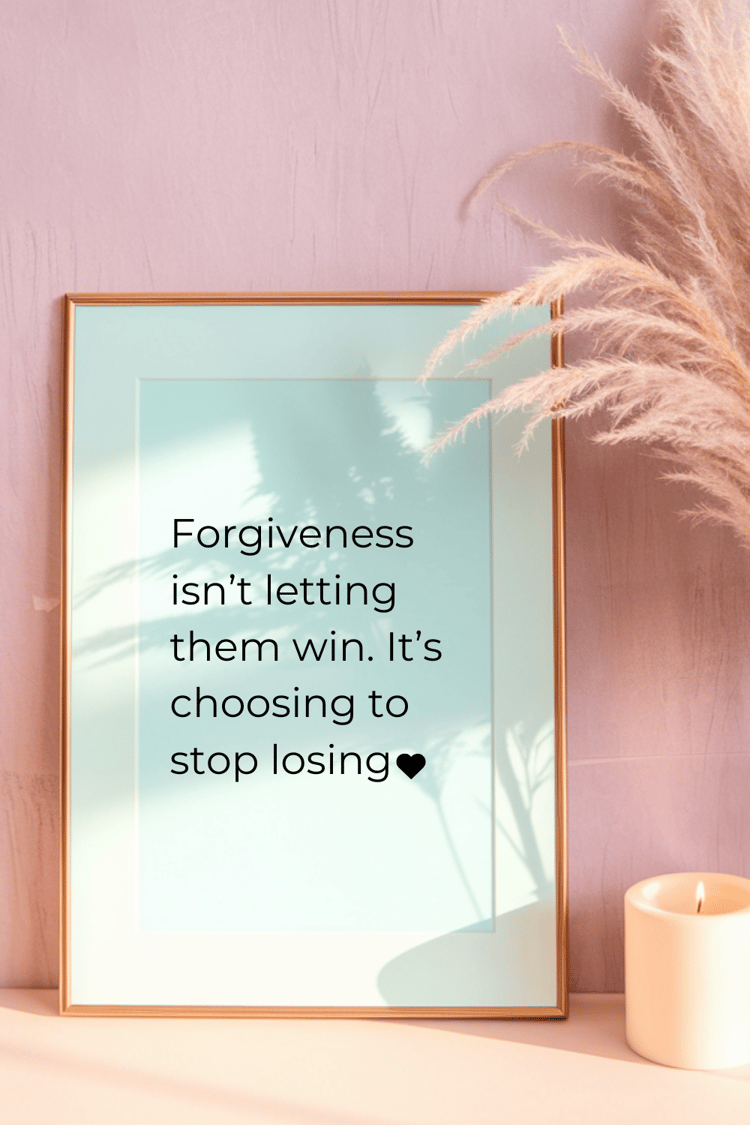
This doesn’t mean you allow them back into your life. It simply means you free yourself from resentment.
Forgiveness is not for them. It’s for you.
My Personal Story: Forgiving My Father
I know how hard forgiveness can be because I’ve lived it.
My father abandoned my mother, my brother, and me when I was young. And not only did he leave us but also started a few other families, like it wouldn't work with someone so he will go to the next and what was more heartbreaking is that the women he will go with had kids of their own. Meaning, kids was not the deal breaker but he wouldn't come back to us so it hurt even double. The pain of his absence shaped so much of my childhood. I grew up wondering, Was I not enough? Did I do something wrong?
For years, I carried the weight of his absence. I was angry. I was hurt. And I didn’t want to forgive him.
But over time, I realized something: The same way he left us, he had been left too. He wasn’t just someone who caused pain—he was someone who had been in pain.
That doesn’t mean what he did was right. But it does mean that I understand it now.
And because I understand, I can let go. I can look at him with compassion instead of resentment.
Do I forget what happened? No. But I no longer let it define me. I have love, empathy, and peace. And that’s what truly set me free.
Final Thoughts: Your Freedom Is Waiting
Forgiveness is not easy. It’s not instant. It’s not a formula.
But it is possible.
And more than that—it’s necessary if you want to be free.
You are not responsible for what someone else did to you. But you are responsible for how much power you let it have over your life.
You deserve to be free. You deserve to live without bitterness. You deserve peace.
So ask yourself—are you ready to let go? Not for them, but for you?
Because the moment you do, you’ll start to truly live again.
Thank you for reading this post be safe and stay kind,

Other blogs you might be interested in reading:
How Do You Forgive Yourself If You Hurt Someone?
How I found out that Emotional Intelligence is what I needed as a woman in my 20s
Get this FREE guide to learn how to navigate your emotions with clarity and confidence: A Guide for Life
Comments ()