

We all make mistakes. Sometimes, we’re the ones who cause someone pain, and the hardest thing to do is to forgive ourselves. What if you don’t have the courage to say you’re sorry? Can you ever truly move on without an apology? In this blog, we’ll explore why self-forgiveness is just as important as forgiving others and how you can let go of guilt without carrying it forever.
Takeaways from This Post:
- Self-forgiveness is just as important as forgiving others.
- Guilt and shame don’t serve you—they only keep you stuck.
- You can take responsibility for your actions without punishing yourself forever.
- Apologizing is important, but even if you can’t, you can still forgive yourself.
- Growth comes from learning from your mistakes, not dwelling on them.
- You are not defined by your worst moment.
What If You Were the One Who Caused the Pain?
In the previous blog, we talked about how to forgive someone who hurt us. But what if you were the one who caused the hurt?
What if you made a mistake, acted out of anger, or did something you now regret?
The weight of guilt can be crushing. It can make you feel like you don’t deserve to move on, like you should carry the burden forever. But here’s the truth:
You deserve forgiveness, too.

Taking Responsibility Without Self-Punishment
The first step to forgiving yourself is understanding the difference between responsibility and self-punishment.
Taking responsibility means acknowledging what you did, understanding the impact it had, and committing to growth.
Self-punishment means replaying the mistake over and over, beating yourself up, and believing you’re unworthy of redemption.
One leads to healing. The other leads to suffering.
Which one do you choose?

Can You Forgive Yourself Without an Apology?
Many people believe that they must apologize to the person they hurt in order to be forgiven. But what if you don’t have the courage to do so? What if the person won’t listen? What if they’ve moved on, and reaching out would cause more harm?
Can you still forgive yourself?
Yes.
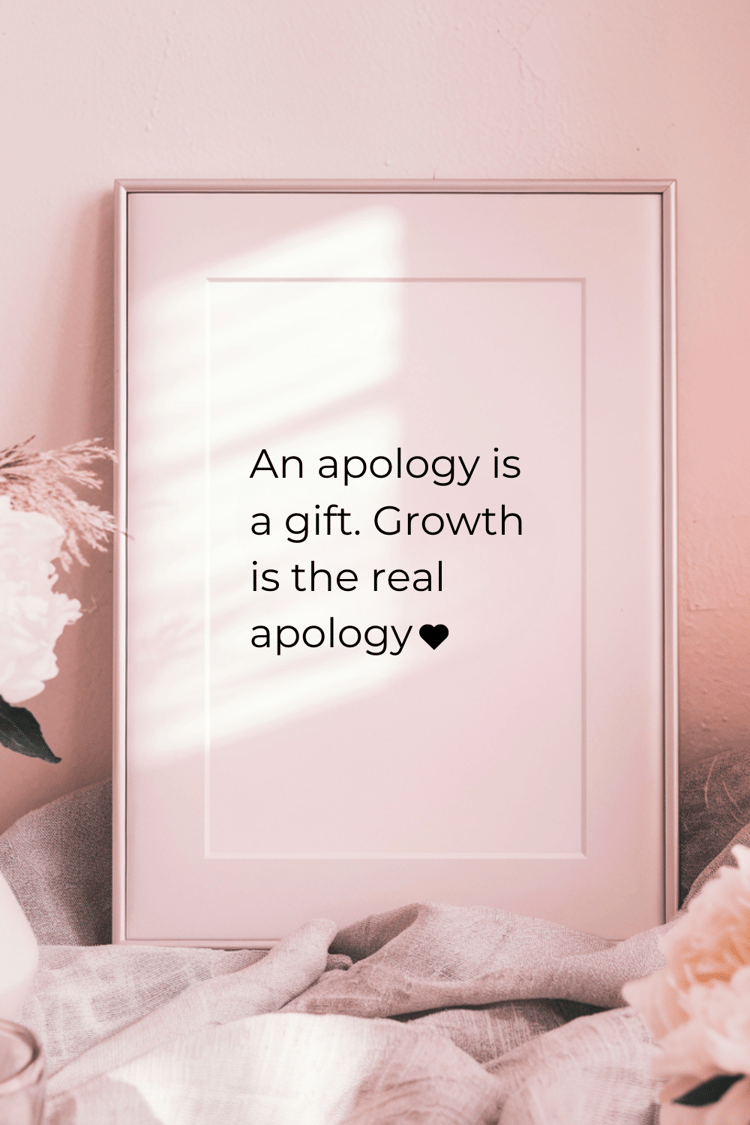
While an apology is powerful, it’s not the only path to healing. Forgiveness is an internal process. It’s about making peace with yourself, learning from your mistakes, and choosing to grow.
If you can apologize, do it. But if you can’t, focus on becoming a better person from what you’ve learned.
Shame vs. Guilt: Understanding the Difference
Guilt says, “I did something bad.”
Shame says, “I am bad.”
One is about your actions. The other is about your identity.
If you’ve hurt someone, guilt can be a healthy emotion—it means you care. But shame is toxic. It makes you believe that because you made a mistake, you are a mistake. And that’s simply not true.
You are human. You are learning. And you are still worthy of love and self-forgiveness.
Making Peace with Your Past
You cannot change what happened. You cannot erase the past.
But you can decide what you do with it.
You can let it break you, or you can let it shape you into someone better.
You can let it haunt you, or you can let it teach you.
Forgiveness doesn’t mean pretending it never happened. It means choosing to grow from it.

If You Could Go Back, Would You?
Think about it—if you could go back in time and do things differently, would you?
If your answer is yes, that means you’ve already changed.
The person who made that mistake isn’t the person you are today. The fact that you regret it means you have grown.
So why punish the current version of yourself for something the past version of you did?
How to Start Forgiving Yourself
Forgiveness is not about pretending it never happened. It’s about acknowledging the truth, making amends (if possible), and allowing yourself to move forward.
Here’s how you can start:
- Acknowledge the hurt. Accept that you caused pain, without making excuses.
- Apologize if you can. If reaching out won’t cause more harm, a sincere apology can bring healing.
- Learn from the mistake. What did this experience teach you? How can you grow from it?
- Commit to change. Make sure your actions moving forward reflect who you truly want to be.
- Release the guilt. Holding onto guilt forever won’t undo the past—it will only hold you back.
Final Thoughts: You Are More Than Your Mistakes
Forgiving yourself doesn’t mean excusing your actions. It means acknowledging them, learning from them, and choosing not to let them define you.
You are not perfect. No one is. But you are capable of growth.
You can’t go back and change what you did. But you can decide who you become.
And that is what truly matters.
Thank you for reading this post be safe and stay kind,

Other blogs you might be interested in reading:
Can You Truly Forgive Someone Who Hurt You?
How I found out that Emotional Intelligence is what I needed as a woman in my 20s
Get this FREE guide to learn how to navigate your emotions with clarity and confidence: A Guide for Life
Comments ()