
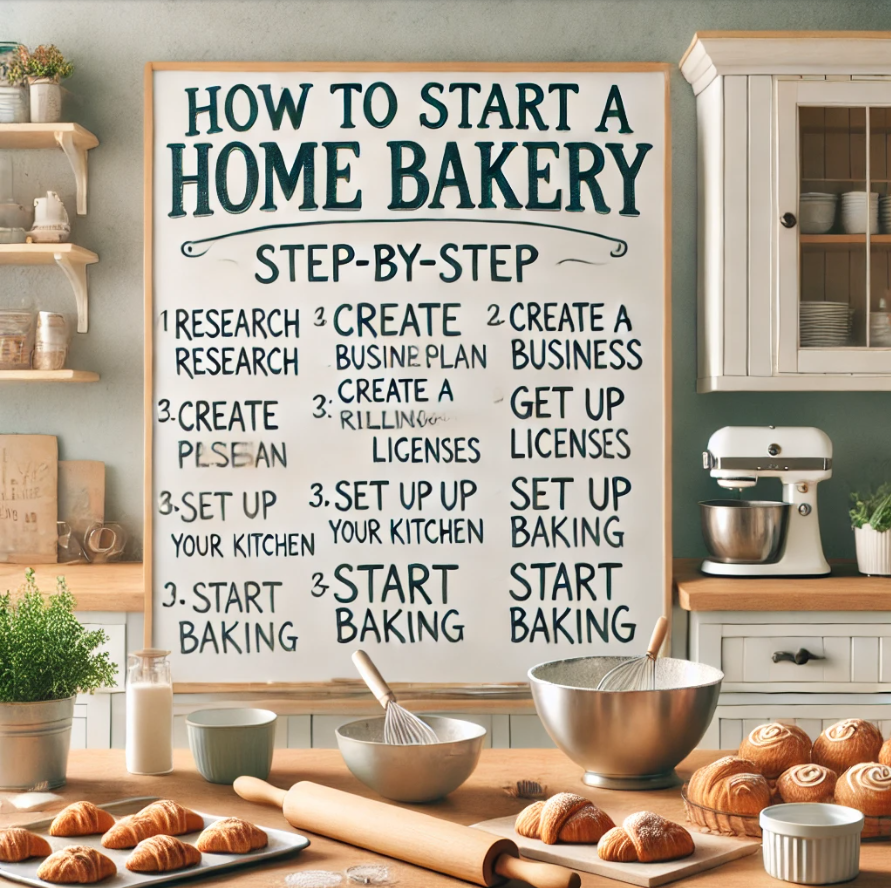
Comprehensive guide on starting a home bakery.
Starting a home bakery is an exciting and rewarding journey, but it’s important to approach it with careful planning and a clear understanding of the steps involved. From my experience, there are a few critical steps you need to take to set yourself up for success. In this guide, I’ll walk you through everything you need to know, from legalities and zoning to setting goals and building your business credit.
Step 1: Check Your Zoning Laws
The first step in starting a home bakery is ensuring that your home is zoned for business use (Or at least that you can sell from your home as per your community). This is crucial whether you own your home or rent. You'll want to contact your local zoning department to verify that you’re allowed to run a baking business from your residence. This will save you from any potential legal issues down the road.
Step 2: Understand Local Regulations and Legalities
Depending on where you live, the regulations for starting a home bakery can vary significantly. For instance, I’m in New Jersey, where I needed to obtain a license to operate my home bakery. This required completing a Food Handler Management course, which I highly recommend for anyone starting a food-related business. After completing the course, I had to provide a copy of my water bill or a water test to ensure the safety of my well water. Then, I could apply for my license, which came with a $100 fee.
Each state has its own requirements, so it's essential to research what’s needed in your area. Don't skip this step—it's a legal obligation and ensures you’re running your business safely and within the law.
Step 3: Set Up Your Business Structure
For me, setting up an LLC (Limited Liability Company) was a crucial step. It allows you to separate your personal and business finances, which can protect your personal assets if your business faces any legal challenges. Additionally, an LLC can offer tax benefits and make it easier to obtain business credit.
When I set up my LLC, I also applied for a couple business credit cards. Despite some advice suggesting not to use your home address when applying for business credit, I had no issues and was approved for $25,000 in credit. I applied for a card with 0% APR for the first 12 to 16 months, giving me flexibility in managing my finances without worrying about immediate interest charges. However, I only recommend this approach if you’re committed to starting your business and have a clear plan for managing your expenses.
Step 4: Clarify Your Goals
It’s crucial to be clear about your long-term goals from the outset. When I started my home bakery, I knew I eventually wanted to own a physical bakery. However, as a stay-at-home mom with a young child, I recognized that this wasn’t feasible immediately. Instead, I created a vision board to map out my steps, starting with my home business and eventually expanding to shipping baked goods.
Speaking of shipping, if you're in a state like New Jersey, where home bakers aren’t allowed to ship goods, I’ll be writing another blog post on how to navigate this issue. Keep an eye out for it!
Step 5: Build Your Network
Joining Facebook groups and online communities for bakers can be incredibly beneficial. These groups are often filled with experienced bakers who can offer advice, answer questions, and provide support as you navigate the challenges of starting a home bakery. I’ve found these communities to be invaluable, offering free resources and a sense of camaraderie that can be hard to find elsewhere.
****Don't know what makes the most money while baking less? COOKIES DO! Make the most profits selling chunky cookies from home! Here is the recipe that has generated me over $1,500 in only 4 market events. Get recipe
Step 6: Start Small and Scale Gradually
When you’re just starting out, it’s essential to focus on basic recipes and baked goods that don’t require a lot of ingredients or specialized equipment. For example, I began with cookies, which allowed me to get creative without breaking the bank. As I made my first $1,000, I gradually started expanding my offerings to include (Crookies) croissants filled with cookies, donuts, and cake jars.
You don’t need to invest in fancy baking equipment right away. Start with the basics—things you already have in your kitchen or affordable tools that can get the job done. For example, a kitchen scale is a must-have for accuracy, and a stand mixer or hand mixer is essential depending on what you plan to bake. As your business grows, you can start investing in more specialized equipment.
Step 7: Take Advantage of Free Resources
Before you start spending money on budgeting apps or monthly services, explore free resources that can help you get your business off the ground. There are plenty of online tools and apps that can assist with managing your finances, tracking your expenses, and planning your business strategy without costing you a dime.
Overall,
Starting a home bakery is a journey that requires careful planning, dedication, and a willingness to learn as you go. By following these steps, you can set a solid foundation for your business and avoid common pitfalls that many new bakers face. Remember, it’s not about how fast you start but how well you plan and execute each step.
Stay tuned for more blog posts, like how to ship baked goods from your home business if you live in a state with restrictive regulations.
The secret of getting ahead is getting started. - Mark Twain
Have a blessed day and stay kind. 🫶🏽
-Heidy the baker
Other blogs you might be interested in reading:
Start a baking business on a budget