


About Me
Doan Thi Hong Thinh is a triple-nationality author of Vietnamese, French, and Canadian heritage, holding a PhD in Economics. After teaching at the Faculty of Economics at Aix-Marseille University in France, she pursued her academic career in Canada, where she conducted postdoctoral research and specialized in data science applied to economic modeling. As a recognized specialist in her field, she has published numerous studies and developed economic models applied in the business world.
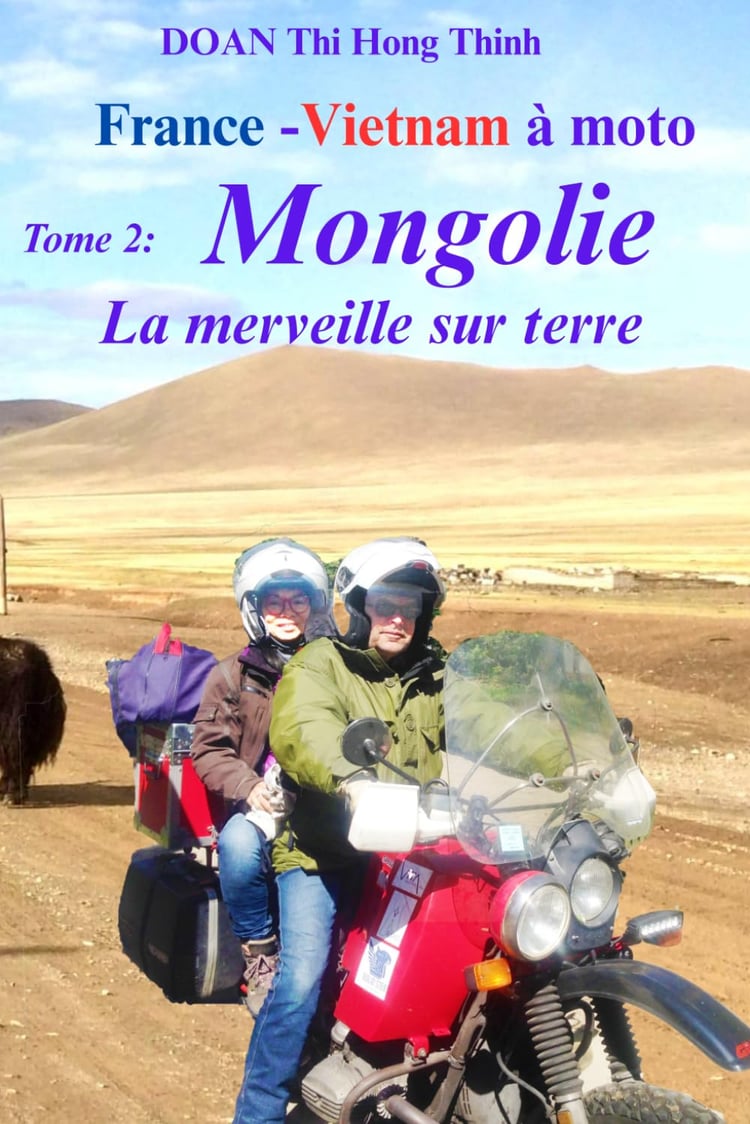
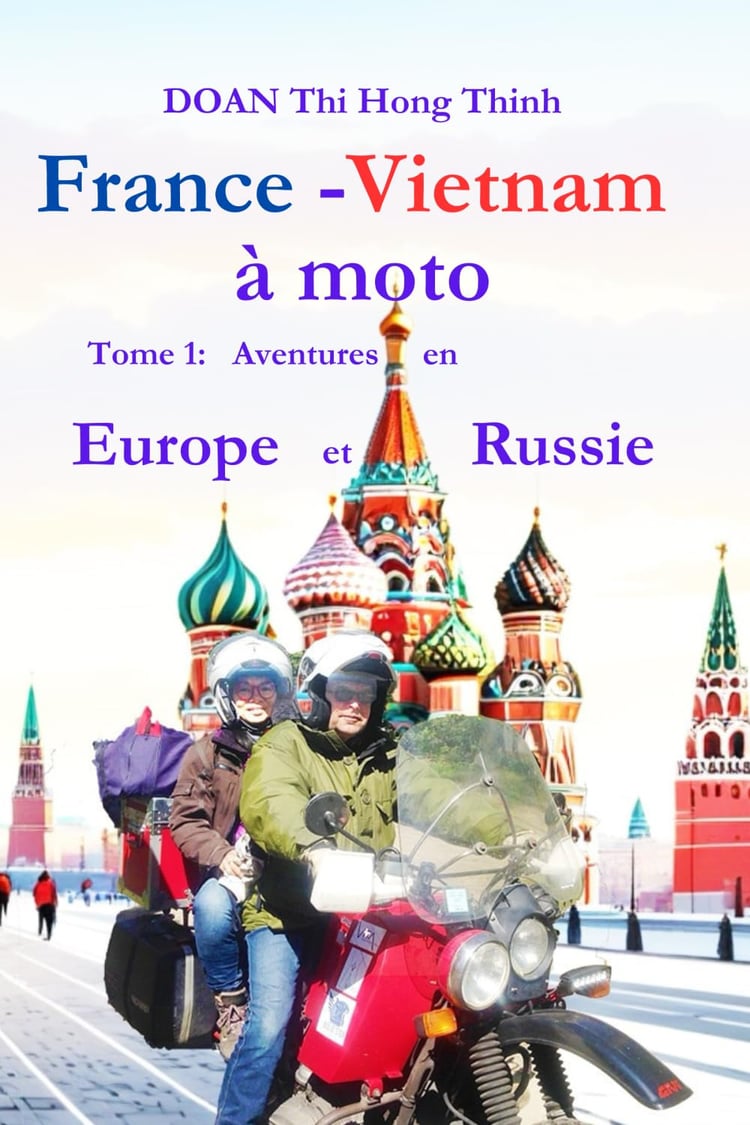
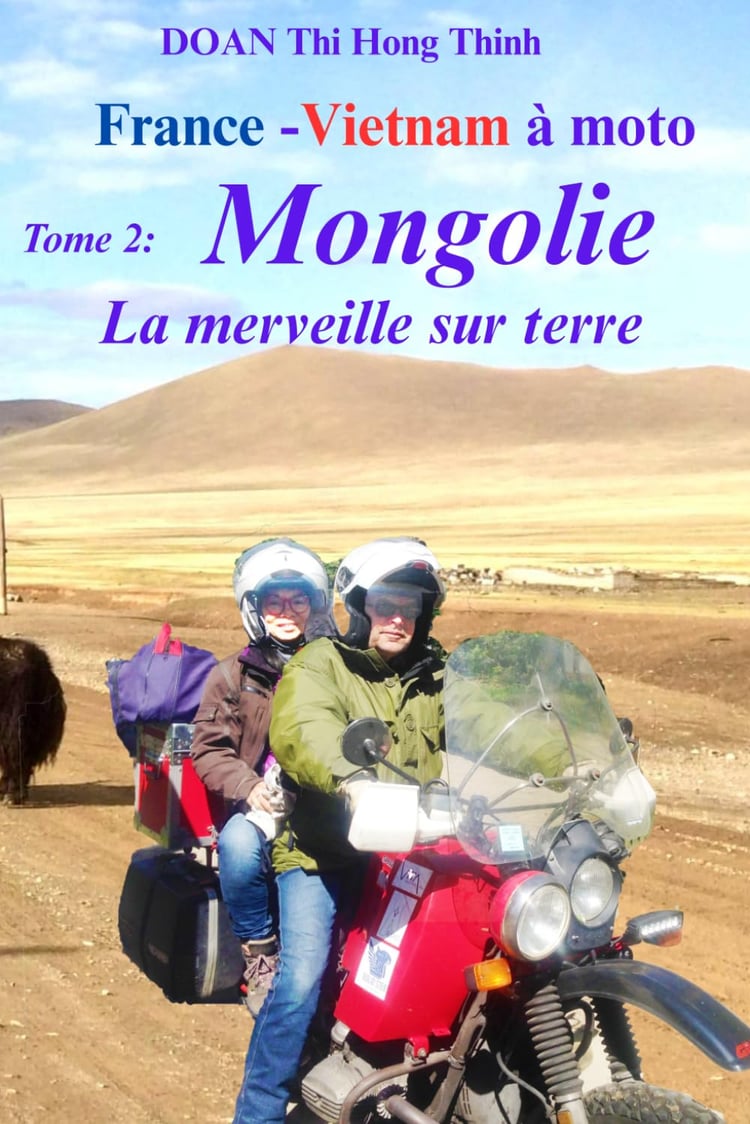
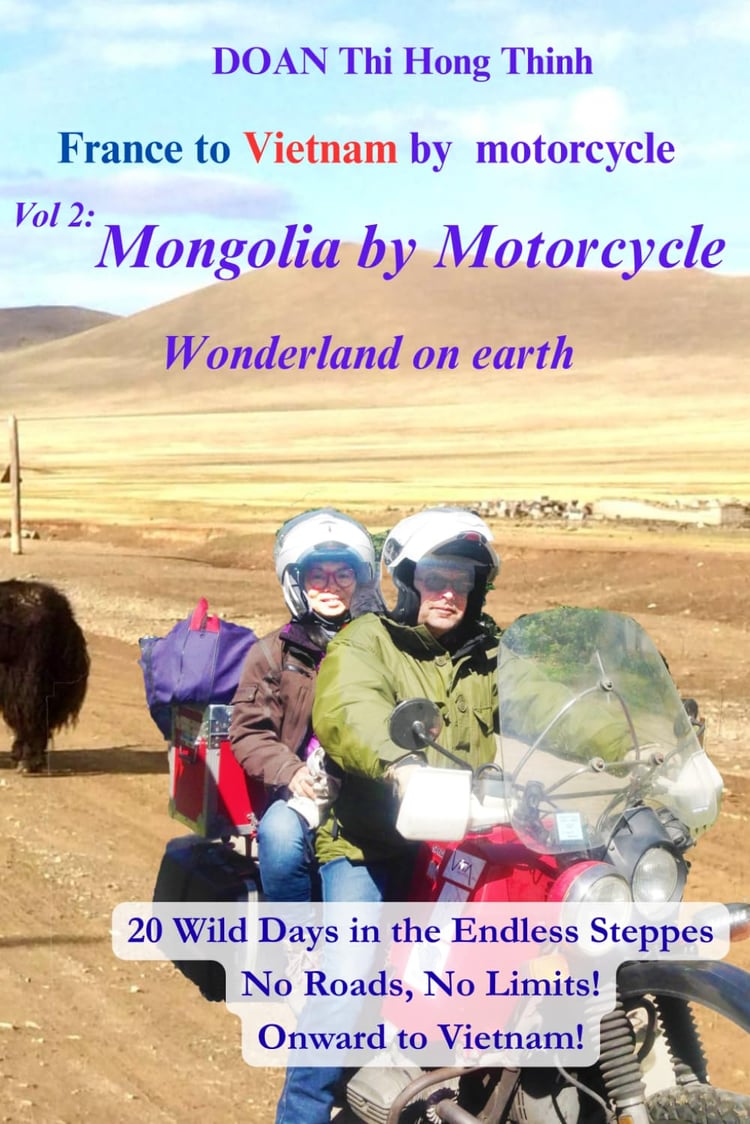
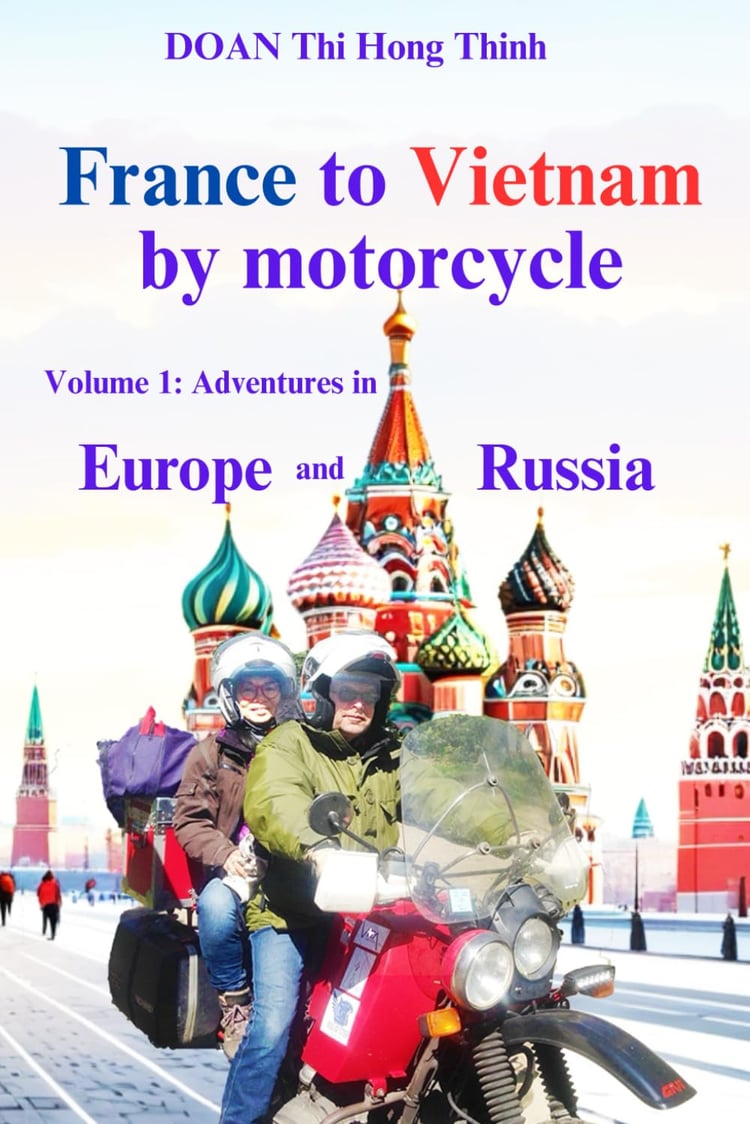
Beyond economics, Hong Thinh is an adventurer at heart and a passionate storyteller. Through her books, she shares her unique perspective on the world, shaped by her multicultural background and life experiences. Her France–Vietnam Trilogy — Volume 1: Adventures in Europe and Russia; Volume 2: Mongolia – Wonderlands on Earth; Volume 3: Adventures in Thailand, Cambodia, and Vietnam — offers an authentic and deeply personal account of her motorcycle journey alongside her travel companion, Maxime Léonard. Through vivid encounters and reflections, she invites readers to discover the beauty of landscapes, the diversity of cultures, and the richness of human connections beyond the boundaries of economics.
Readers can discover excerpts of her work through her LinkedIn profile (Doan Thi Hong Thinh), as well as photographs and videos on her social media platforms: Facebook Reels (Hong Thinh – Lotus) and YouTube (Hong Thinh – Lotus).
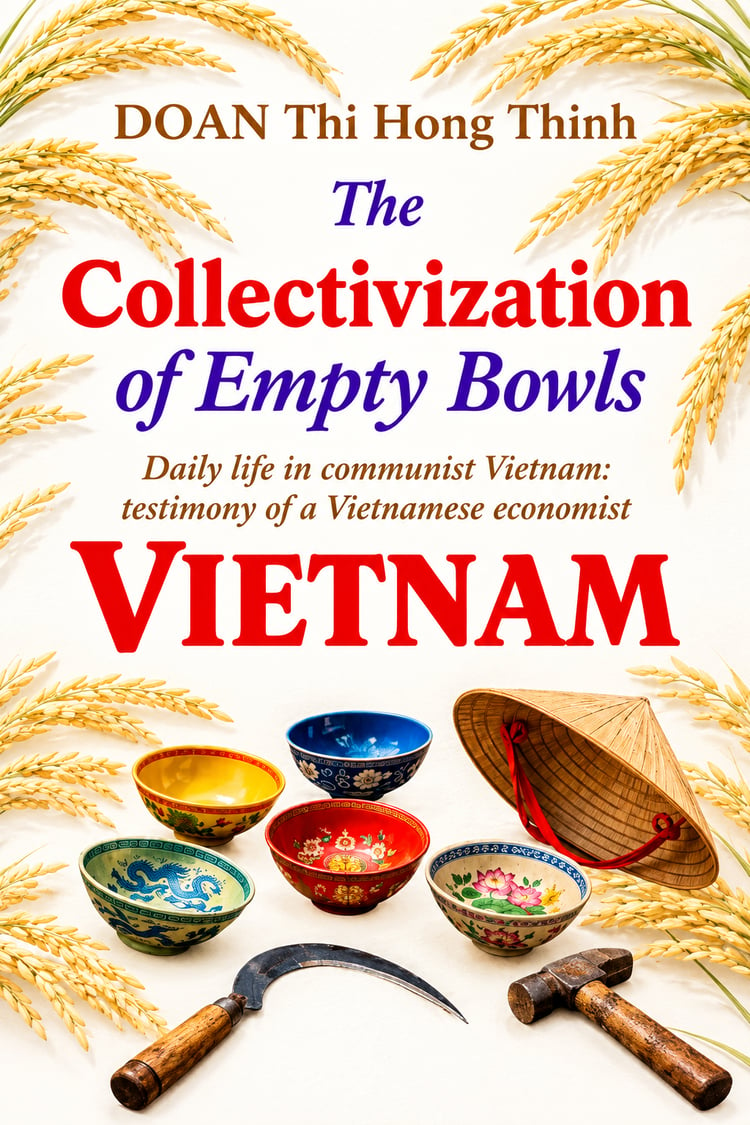
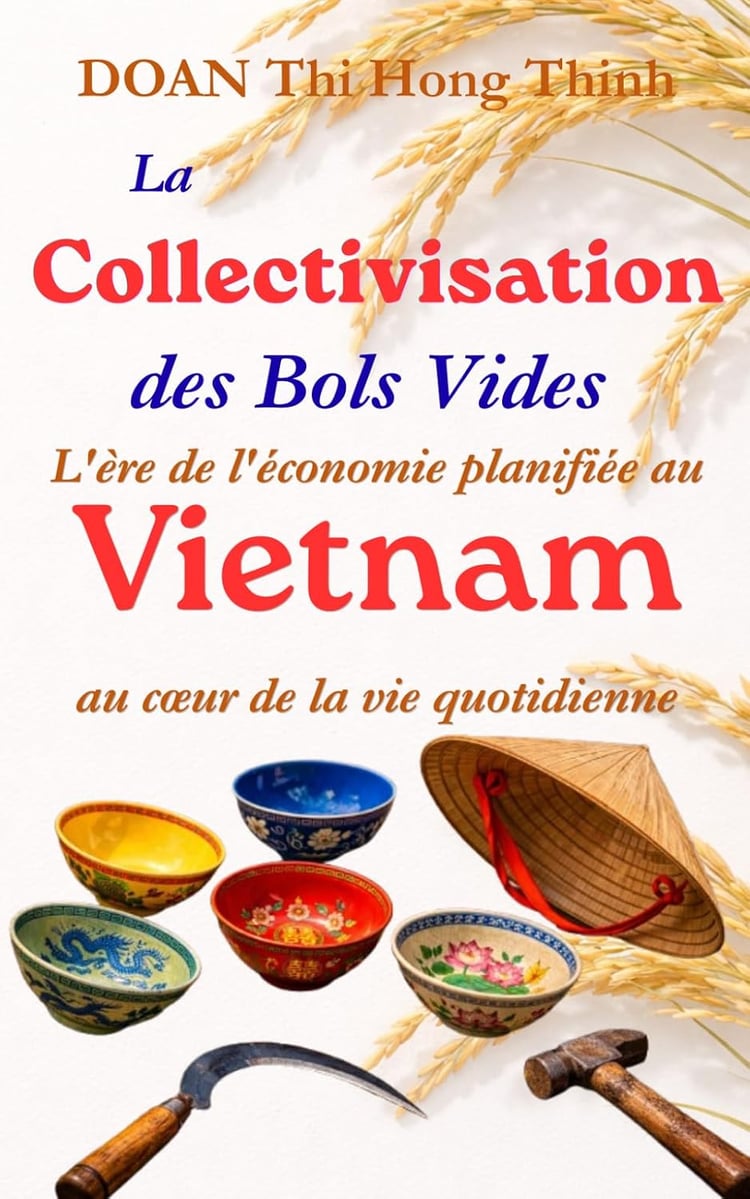
In addition to her travel writing, Hong Thinh draws upon her expertise as an economist and researcher in her book The Collectivization of Empty Bowls: Vietnam’s Planned Economy Era (a true story). This 100-page work combines historical analysis with deeply personal testimonies from Kim Động (Hưng Yên, Vietnam), portraying the difficult period of thời bao cấp (1954–1986), marked by war, post-1975 reunification, and a centrally planned economic system that restricted private trade in the name of socialism.
Her father, born in 1958, recalls a childhood shaped by extreme hardship and hunger: children searching for wild plants and roots to eat, families sharing tiny pieces of fish in their rice bowls, consuming unsafe food out of necessity, and villagers struggling to survive amid scarcity. The impact of war was also deeply felt: in 1972, a U.S. missile strike killed neighbors, including Tiến, and injured Tante Nguyệt. During this period, informal rice trading could lead to severe punishment, while government policies such as market restrictions (cấm chợ, ngăn sông) and price controls contributed to widespread shortages and hardship.
Through these personal stories, Doan Thi Hong Thinh helps readers understand Vietnam’s economic history from the perspective of ordinary people — their hopes, struggles, resilience, and sacrifices during the collectivization era. She examines both the consequences of economic policies and the reforms that later transformed Vietnam’s economy and improved living standards.
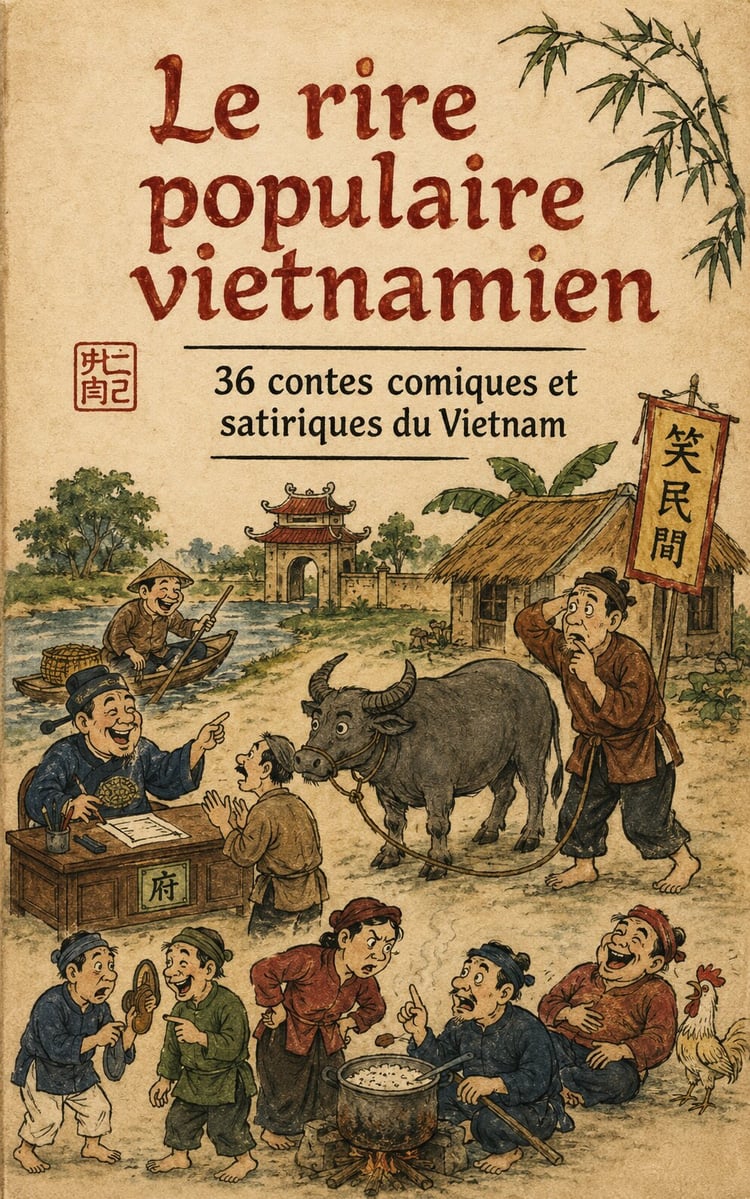
This book provides an honest and human-centered portrait of Vietnam’s planned economy, combining historical research with real-life experiences. Beyond economics and travel, Hong Thinh also writes about Vietnamese culture, traditions, and popular stories, offering readers a unique window into the richness of Vietnamese heritage.
Her books invite readers to discover the world through authentic experiences, historical perspectives, and human stories — revealing how economic decisions shape societies, cultures, and everyday lives across generations. Through her writing, Hong Thinh shares not only knowledge, but also memories, emotions, and a deeper understanding of the human journey.
You will certainly enjoy her books, which are rooted in real experiences, enriched by historical insight, and filled with stories of adventure, culture, and human connection. They offer readers a unique opportunity to explore Vietnam and the world through the eyes of an economist, researcher, and passionate traveler.